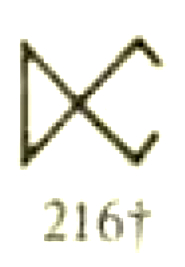
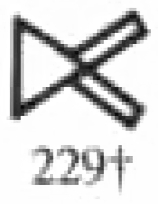
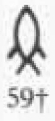
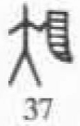
[14] Hand-cuffs, binding. Bangles, wealth See #225 and neighbor glyph series
Frequency: 5
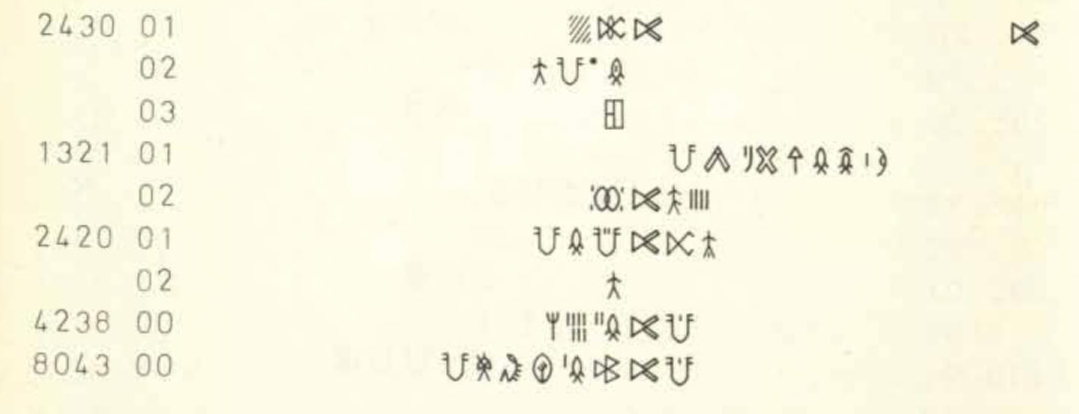
Mahadevan (1977) concordance entries, glyph #229
Inscription interpretations and commentary
Inscription 2430: The lord, protector (wraps arms around, hold, and defend), and [#229 master], who saved the world by [#219 swallowing the poison] from the Churning of the Ocean of Milk. Line 02: Destroying third eye god #70. #0 void annihilation. #342 Shiva. #1 Man, lord, person, Mahesh. Line 03: Temple #242. Underworld palace patalok. In well chute with ladder leading back to heaven. Amalgam, binary compound of opposites: unified and dual; broken and whole; well and ladder; male and female.
Inscription 1321: Story of Ardhanarishwara. Shiva and Parvati united #403 in [marriage #229, nuptial knot]. Shiva's devotee Bringhi
would only circumambulate Shiva with respect. When Shiva put Parvati on his lap, he only went around Shiva's foot #40. When Shiva and Parvati fused into one body, he became an insect #57 and bored through their navel. Perhaps |||| 4 trials #95. Finally, Parvati cursed Bhringi to lose the flesh and blood he got from his mother and only keep his father's male attributes, nerves and bones. With his masculinity hyper-accentuated, he became a 3-legged skeleton man #39.
Inscription 2420: The origin of linga worship. Shiva appeared in the village of his disciples, the Saptarishis in his "sky-clad form." Although heavens were his covering, he appeared nude and they were offended [#216 adversary, anger, scorpion claw] and cursed his male member to detach #3 and fall to the ground. Instantly, the firey core started to consume the three worlds with fire. In a panic, the sages begged goddess to descend in her Yoni form to quench the fire, saving the universe. The lingam and yoni marriage #229 became an object of worship. Alinga - without phallus, but key concept is transcendent, beyond mark or form.
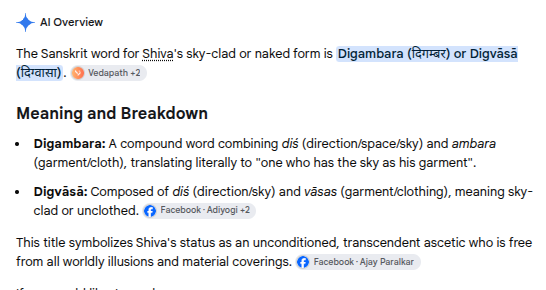
Gemini consult 2026-11-4
Inscription 4238: In this inscription, we explicitly see the number 7 ||| ||||, referring to the Saptarishi seven sages who
cursed Shiva, their guru, resulting in the manifestation of sacred pillar and yoni for the first time. Nuptial knot, lingam yoni #229
Inscription 8043: This inscription refers to both Churning of the Ocean of Milk and the lingam/yoni. Mount Mandara was the 5th high peak of Mount Meru #233 hidden in the underworld. It was broken off (like Shiva linga, Ganesh tusk, Osiris member) in sacrifice to serve as a churning rod for the cosmic ocean. It was carried by Vishnu's eagle mount Garuda to the site, after gods died trying unsuccessfully to move it. God #59. Not/out #97. Vasuki or Sheshnag wrapped around the mountain to act as a churning rope. Wrap around is nuptial knot, yoni #229. Again Parvati had to wrap around Shiva's blue throat to contain the poison he drank to save the universe, another wrap-around scarf, nuptial knot motif #229. Amrita #389 came out #97 of the churning. Overcame death #48. Triple goddess Sati #48 corpse, crone. Cosmi Mother #17 Tara whose milk nursed Shiva back to health after he consumed the world poison. The birthless god was reduced to as close to nothing as possibly. Instead of always carrying the weight of the universe #10, he got to release and be carried and nurtured for once, creating a completeness in his spiritual cycle for the epoch. Maiden #389 lotus Lakshmi. Shiva is lord #342.
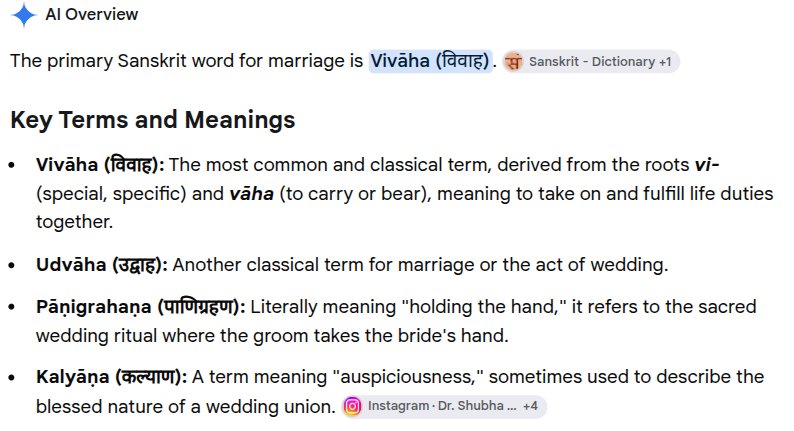
Gemini consultation 2026-11-4
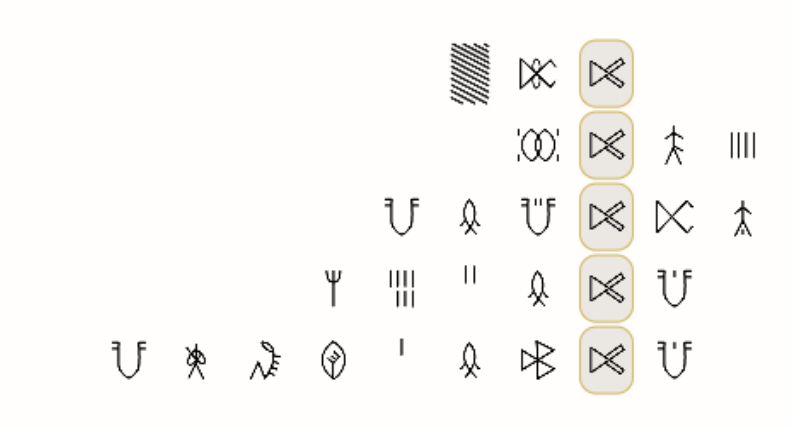
Indusscript.in concordance of glyph #229
In Sanskrit, pati (पति) translates literally to "master," "owner," "lord," "ruler," or "husband
The word derives from the Sanskrit verbal root √pā (पा), which means "to protect, nourish, rule over with care, or maintain. endquote
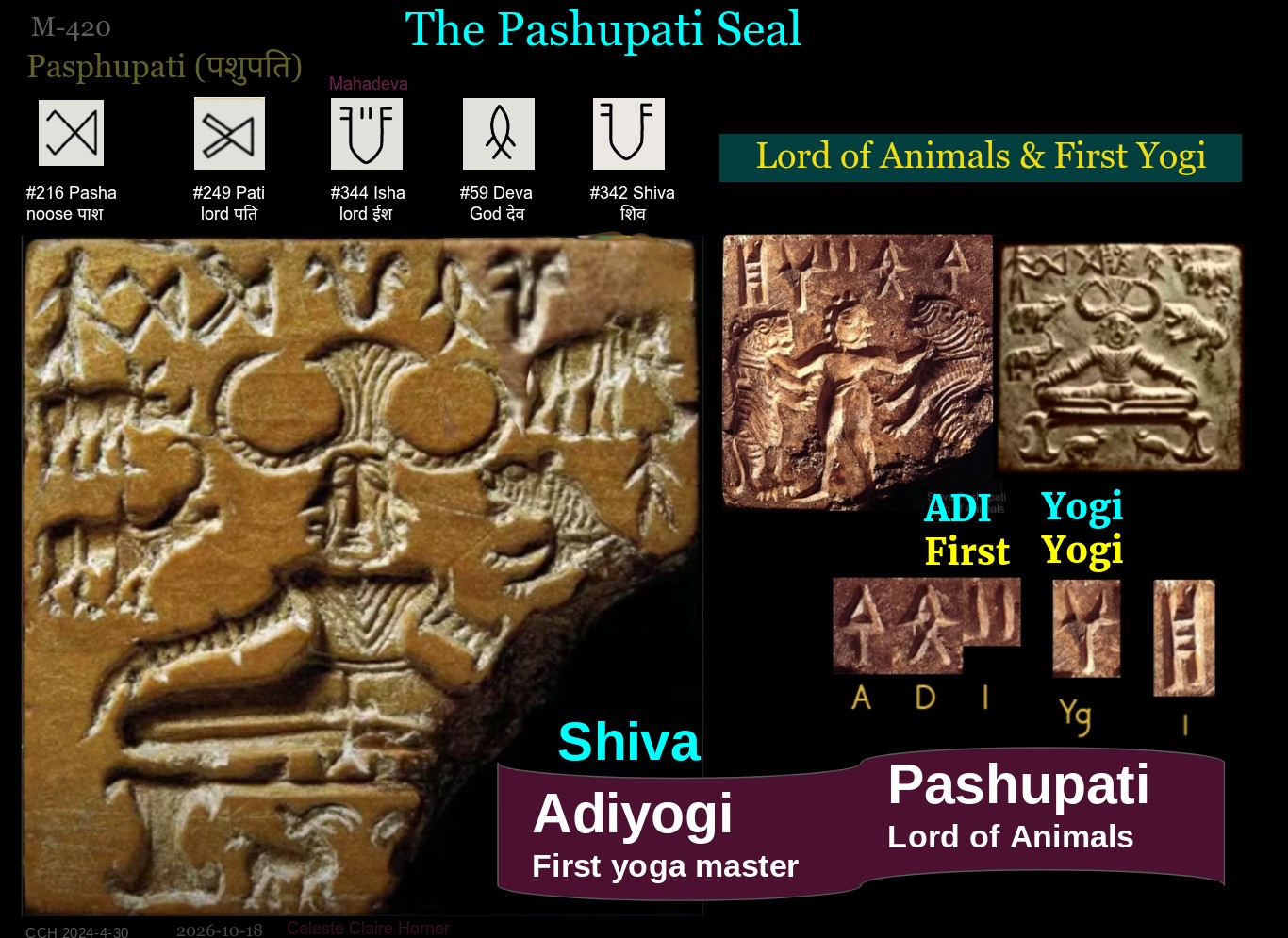
Pashupati Seal Interpretation: पशुपति
|
 |
 |
 |
 |
 |
 |
PASHA पाश
NOOSE, scorpion claw
POISON, DEATH, evil
adversary, anger |
PATI पति
master, lord, husband
garland, stole, scarf
throne, seat pitha, pt |
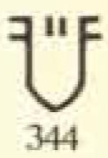
ISHA
lord, Shiva
couple
fraction, split |
DEVA
god
|
SHIVA
origin
|
MAN, DEVIL HORN
Devil horn
drinking poison
Shiva Neelkanth (blue throat) |
Shiva Neelkanth, blue throat, honors Shiva for saving the world by swallowing the poison that emerged from the Churning of the Ocean of Milk. In another interpretation, Man with horn (elephant Ganesh with one broken horn) represents the origin of linga worship. Shiva was cursed so that his male member fell to ground. Only elphant could move it to establish first linga for worship. Like a nuclear rod, its fire threatened to burn the three worlds before panicked sages begged Parvati to quench it in the form of yoni.
The Sanskrit word pati (पति) translates literally to "master," "lord," "owner," or "ruler," and is commonly used to mean "husband"
The Sanskrit word for noose is pāśa (पाश), which translates to noose, lasso, cord, snare, or bond. [1, 2, 3]
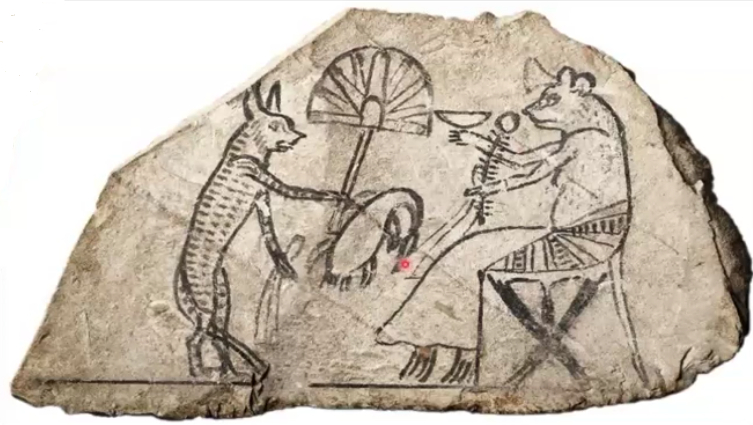
Folding thrones used in antiquity, Egypt, Mesopotamia. Deir el Medina ostraca, humor: cat serves mouse on throne
[INDUS SCRIPT HOME] | [ INTERPRETATION TABLE ]
DRAFT UPDATED 2026-11-4, 2026-9-7. CREATED 2024-5-19 celeste@digitalthought.info / celeste.horner@gmail.com
