Indus script interpreted as iconography by Celeste Horner (2024-2026)
DISCOVERY: Rosetta stone analog of the Indus script First Indus artifact with a known cultural folklore interpretation [[/
Indus Script Deciphered as Iconography of Hindu Mythology and Philosophy - Celeste Claire Horner (2026)
Interpretation of the Indus script as iconography of Hindu legends and philosophy
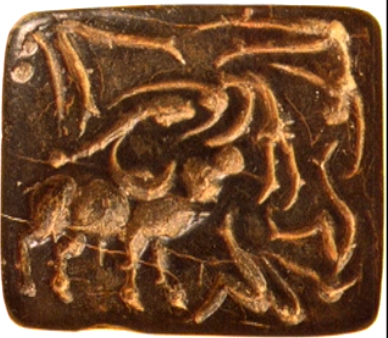
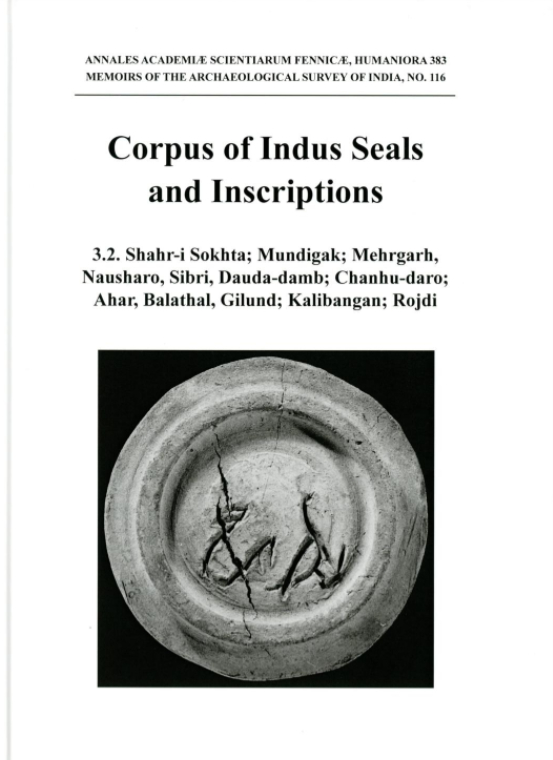
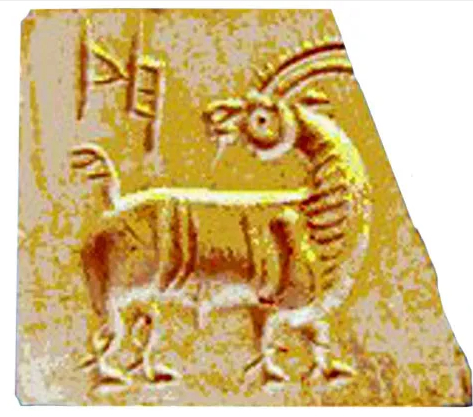
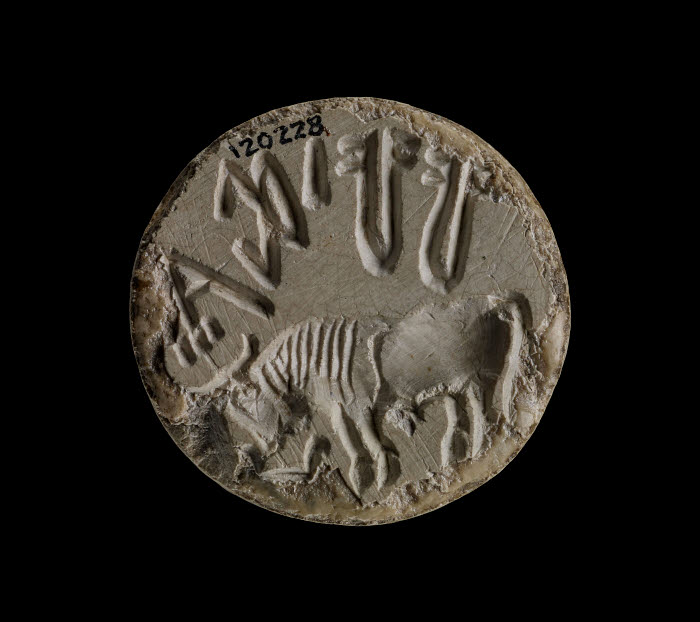
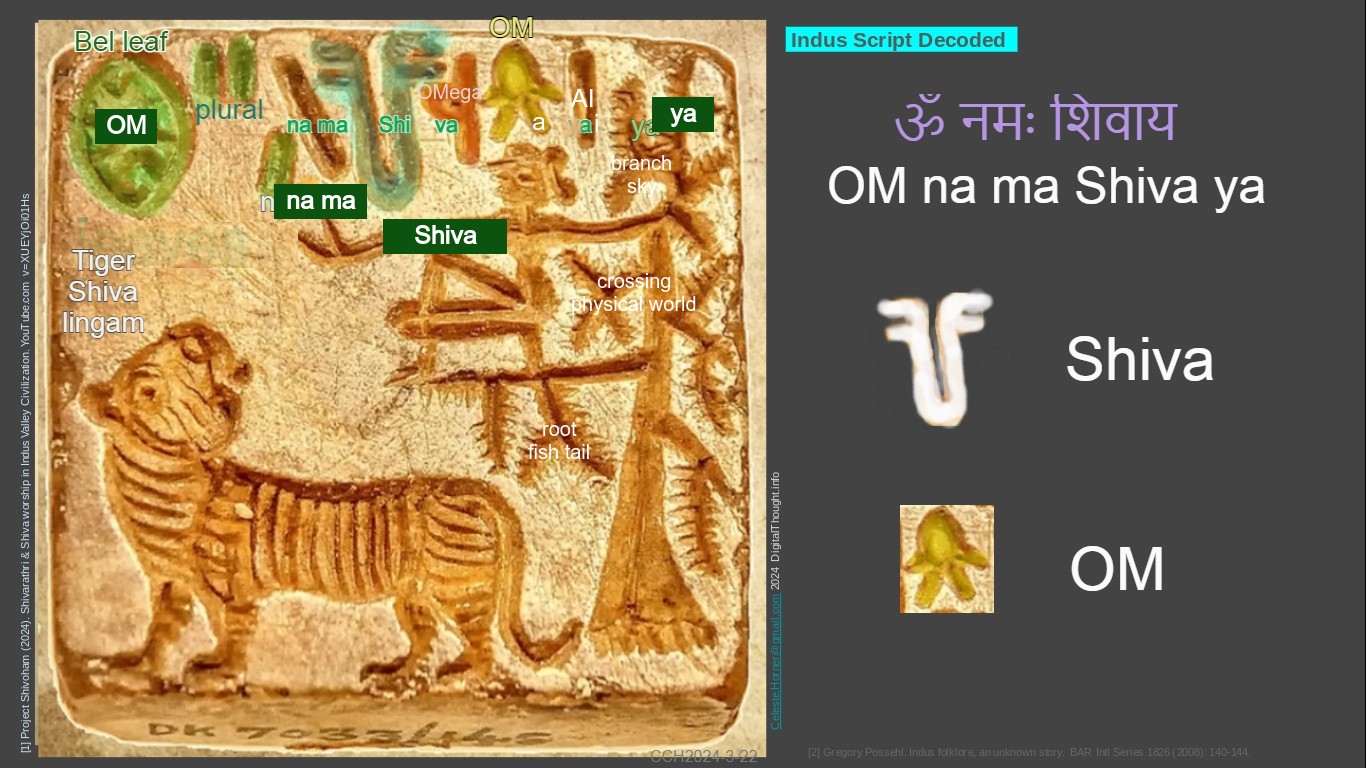
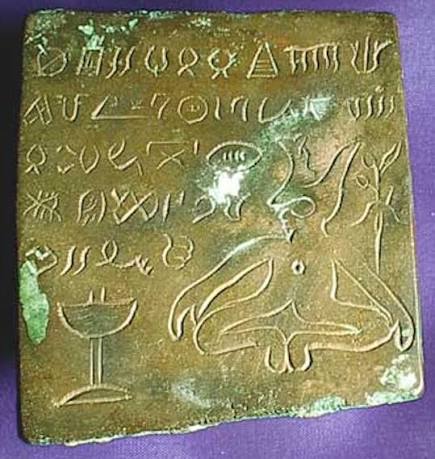
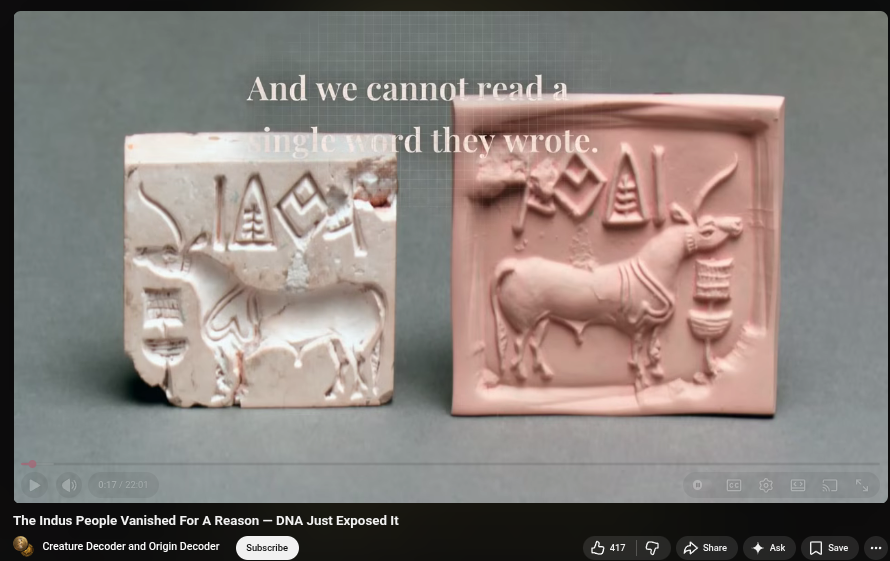
INDUS CODE CRACKED BY DISCOVERY OF A ROSETTA STONE ANALOG FOR THE INDUS SCRIPT. Project Shivoham (2024) identified this seal as representing the Mahashivratri holiday legend of Lubdaka and the Tiger. Trapped all night in the tree by
the menacing tiger, the hunter Lubdaka prayed all night to Shiva and sprinkled holy bilva leaves on a Shiva lingam below. Because
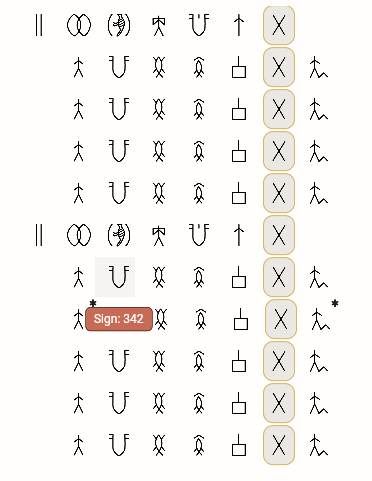
he performed this on a particularly holy night, he accidentally gained huge spiritual blessings, and invitation to Shiva's paradise, dispite having been a man of faulty character. This story was meant to exhort all to fast and pray on this spiritually powerful occasion. This tradition has been observed as early as 2600 B.C. passed orally for generations, and finally recorded in the Puranas. Celeste Horner (2024) recognized this was a Rosetta Stone analog. It was not a bilingual, but suffient to deduce the domain and meaning of the message: the classic prayer to Shiva, OM nama Shivay. The top, central, largest glyph, the most frequent in the Indus corpus, #342, (known as the "jar sign", was deduced to represent Shiva: a linga; or a tilak, a forehead mark, worn by Hindu devotees. The mark was found on a doll found from the era of 2600 B.C. Furthermore, this identification led to the prediction and confirming discovery of symbols the rest of the Hindu pantheon and their attributes and narratives, leading to a breakthough in the decipherment of the the Indus script.
The message incorporates elements of proto-Sanskrit. It includes danda stick punctuation and is divided by the tree branches into linear registers. The letters, va (व), long a (|), ya (य), and ta (त) are hidden in the design.
Philosophical insight: When BAD is GOOD. The tiger looked like a bad, dangerous problem, but ironically, it was a good thing. The tiger was actually
a manifestation of Shiva, whose iconography includes wearing tigerskin and a tiger pelt meditation seat. The tiger was helping the man to obtain a blessing. (Core Indus philosophy #2: GOD is ONE, with many faces like a prism. Actually, everything in the image is Shiva - the OM, the tiger, the worshipper, the tree). Frequent theme - the hidden goodness
of things that might seem evil. Gatekeepers of Vishnu cursed by the Kumaras to incarnate as enemies of Vishnu, although they
really loved their master and took the adversary roles to return to his company sooner. (þ Sanskrit Va व. Baktrian sh. Shiva. OMega Ω on side. Tiger viagara. OMkara resonantes: man's head 0C=k poison. Also OC is occult, phases of Moon O full, new and C crescent. In story versions, Hunter was cruel, bad reputation, was redeemed). Holographic Redundancy or Diffuse Encoding: Keys to the message are distributed and echoed in the message. ||
Vriksha (वृक्ष, vṛkṣa) is the ancient Sanskrit Word Meaning for a tree, plant, or woody timber.
Voca (Sanskrit) speech. Deva: Beings born from mouth of creator. Creator manifests by speaking sacred words. Veda.
Proto-Sanskrit in tree branches, which create 3 registers. ♠ Interesting that composition is divided diagonally.
(Om, nama Shiva Mahadevaya)
((OM)), I bow to Shiva, great god. OM, I bow to the god of gods Devadevaya (देवदेवाय).
= + +
59
((((( OM )))))
nama I bow namaste
Mn Mountain hand, give
Na
ma
SHIVA
vaya
Mahadev OM
OM-kara. Jyotirlinga (Vishnu, Brahma eyes seeking up down for the end of infinity tower of light), wish gem All Moon phases (#301 Dawn, #293 Sunset, moonrise ॐ Moon boat ark of sun through underworld. Clockwise cycle: Death, underworld rebirth, dawn, golden liberation, immortality #269A at zenith), 4 quarters. #393 Chandrabindu: ँ ♠ bow flex chi inner sight, womb. Ratti seed, gold, Amrita #269A all creator, all cure, all heart, core, universal sound #269 Amrita / AUM dzi bead eyes, protection, consciousness
Egyptian hieroglyph nwt, town, cross-roads, place 𓊖
VIBRATION AND, dual, of reverberation bilva leaves
bow nama नमà¤
Mn mountain mn give ma né mn hand born, given
NOT out / of bilva leaf na none one
repeat Danda ma more many
Shiva linga Deva
Shiva linga
mouth "va" व
Ω ♎ OM vana (Sanskrit, forest) वय vaya, branch
DEVA god
Mahadev sunburst OM Boon bestowing, blessing
QUEST consistent, rational basis for deriving meaning from first principles, geometry, sound production. vs Arbitrary signifiers
Abstract: A Rosetta stone analog for the Indus script has been discovered. This has enabled a breakthrough in the decipherment of the enigmatic writing system which has defied interpretation for more than a century. Seals depicting a tiger looking up at man in a tree, identified by Gregory Possehl (2008), were matched to the traditional Mahashivratri holiday legend of Lubdaka and the tiger (Project Shivoham, 2024). Although there is no bilingual text, this stands out among all Indus artificats because a standard interpretation is known. This legend was preserved orally from antiquity to the present day. Frightened by the tiger, the man spent the whole night in the tree. He accidentally earned divine favor by praying to Shiva, and sprinkling bilva leaves on a Shiva lingam on the holy Mahashivratri night. The story exhorts everyone to fast and pray on this night. This cracked the code. The U-shaped jar sign, the most frequently used symbol in the Indus corpus, is the large and central on the Mahashivratri tiger seal. It was deduced to represent Shiva, in the form of a linga, or as a tilak, a forehead mark worn by Shiva devotees. This observation led to the hypothesis that the domain of Indus script symbols was the realm of Hindu lore, and predicted identification of related icons and motifs. The opaque cloud around the language evaporated, and insight shone through, as the world of Hindu symbols were matched to corresponding symbols in the Mahadevan (1977) Indus script catalog. These include the trident weapon carried by Shiva (#162); the crescent moon which crowns Shiva's head (#293); and Shiva's faithful companion, the bull Nandi, is sign #50. Matsya, Vishnu's unicorn-horned fish avatar is (#62); Vishnu's four-armed form (#67) ; Brahma's five heads (#198); gods churning a mountain in the Ocean of Milk (#16); the skeleton of self-immolated Sati (#48), and Bhringi, a three legged man (#39). Hindu mythology provides the consistent and reproducible framework which explains and predicts the statistical correlations between Indus signs, and suggests a basis for assigning phonetic values for rebus message composition. This presentation connects sacred Hindu stories, preserved orally for generations, then eventually recorded in the Puranas, to Indus glyphs, seals, pictorial scenes, and inscriptions. These epic tales include the Churning of the Ocean of Milk, How Brahma lost his 5th head, the Curse of the Kumaras. Surprisingly, the world's oldest depictions of the Flood, the Garden of Eden, and the Tower of Babel, may also be found on Indus seals. Specimens are submitted here for consideration. Deep time references to the precession of equinoxes, sea-level variation, and the drying of the Saraswati river, indicate that Hindu legends may be substantially older than generally thought. Indus script seals on items of trade had full capacity to express numerous things: certify prasad was blessed by priests; be a trademark, ownership stamp, currency credit, or signature; or even describe substances and chemical processes. Numerous inscriptions have been translated, revealing a culture committed to humility, honesty, and unity. Many seals contemplate duality vs unity and evoke cosmic balance (#12) as the explanation for the presence of both evil and good in the world.
Flowchart of Indus script interpretation. Indus inscriptions reference famous Hindu narratives. Certain signs, like the
butter churns are diagnostic of the legend of the Churning of the Ocean of Milk. A dead bird often refers to the beheading of Brahma's swan avatar after Brahma lied about flying to the top of an infinite pillar of light. Two gates often reference a legend of 4 child sages who cursed the arrogant gatekeepers of god Vishnu's heavenly castle abode. Indus script interpreted by Celeste Horner (2026).
Indus Script Deciphered as Iconography of Hindu Mythology
[[ Click the images ]] below to see the stories behind the Indus script glyphs
5 Indus seals depict legends of god Shiva. 1. MahaShivratri legend of Lubdaka and the tiger*. 2. Shiva battles moon god Chandra over goddess Tara in the Tarakmaya War . 3. Shiva's bull avatar Vrishrabha rescues Vishnu from the underworld. 4. Fig goddess seal: Shiva completes penance * for cutting off Brahma's 5th head. ** 5. Shiva Pashupati, adiyogi (first yogi) and lord of animals *. 2026-6-1 Celeste C. Horner ** Click images **
Image credits: Traditional public domain, C. Horner, and HINDU SAGA
Indus Script interpreted as iconography of Hindu Mythology
MATSYA: UNICORN FISH AVATAR OF VISHNU
VISHNU MATSYA Unicorn fish avatar
MATSYA: Indus glyph #62: unicorn horn fish avatar of god Vishnu saves Manu and the 7 sages from the flood.
THE HINDU SAGA Matsya legend video
The (Osiris Jonas Narayana Narmer Norway Narwhal? ) horn also represents Vishnu's boar avatar, in which he lifted the whole Earth on his tusks, rescuing it after a demon buried it in the muddy bottom of the Cosmic Ocean.
Indus script glyphs #67 and #62, representing god Vishnu, with 4-armed god and horned-fish avatar forms
10 incarnations (Dashavatar) symbol of Vishnu #348 Dashavatar. Combination of Vishnu the upholder symbol and 10 avatar symbol:
a sceptre or double-layer candelabra.
Shaligram fossil form of Vishnu (conch, churning, spiral ascent) #319
Shiva symbols 5K*. Paraśu (परशु): The most common word for a woodcutter's axe or battle-axe. It is famously associated with Parashu (the divine axe given to Lord Vishnu's sixth avatar, Parashurama). Parashu axe. Pashupati with sitting on labrys axe, crown is bow and axe. Pashupati is OM symbol. 3-| Jal water Jy Jyotirlinga || SS water Jal #87. '| knife point #123 dagger, vertical knife radical Chinese. End. Kal Time moment. Smallest point, division. " spark of duality, pentultimate to unity | . One force = Unification, Oneness. Perterbation, return to oneness, unmanifest. Conch, third eye @ e spiral Shaligram unicorn horn, spiral ramp tower pierce heaven. Oesho Kushana coin. Pasha noose. Pashupati.
Indus glyphs of the Hindu gods: the fish deity signs
Interpretation of the fish glyphs of the Indus Script as god names
DEVA god
Vishnu Matsya
Brahma Swan (hamsa) avatar
Brahma w/ parasol
goddess Parvati Mountain peak crown
VISHNU 4-arm Matsya fish avatar
Shiva 3rd eye
goddess Lakshmi pours BLESSINGS
MOTHER GODDESS SHAKTI Tara Lakshmi
Brahma navel lotus Shiva 3rd eye Vishnu upholder
VISHNU symbol
PRESER- VER
SHIVA symbol
ANNI- HILATOR
Shiva linga
3 GOD- DESSES Tridevi roof crown
3 GODS Trimurti Shiva Vishnu Brahma
Indus god symbols: Glyph #59 is the generic symbol for a god. Glyph #62 is the 1st avatar of god Vishnu is a giant fish with a unicorn horn which pulled the ark which saved Manu
from the Flood. Glyph #64 refers to the bird, or swan avatar or vehicle of Brahma. Glyph #65 indicates goddess Parvati, wife of Shiva. Parvat means mountain, and this glyph is capped with a mountain peak. Symbols for wife in antiquity often include a roof for the home. Glyph 72: fish glyph of Lakshmi, goddess of fortune, pouring wealth and blessing. Glyph 70: the destroying 3rd eye of Shiva. (Celeste Claire Horner, 2024).
Indus Script Interpreted as Iconography of Hindu Mythology, by Celeste Claire Horner (2026)
VISHNU Upholder
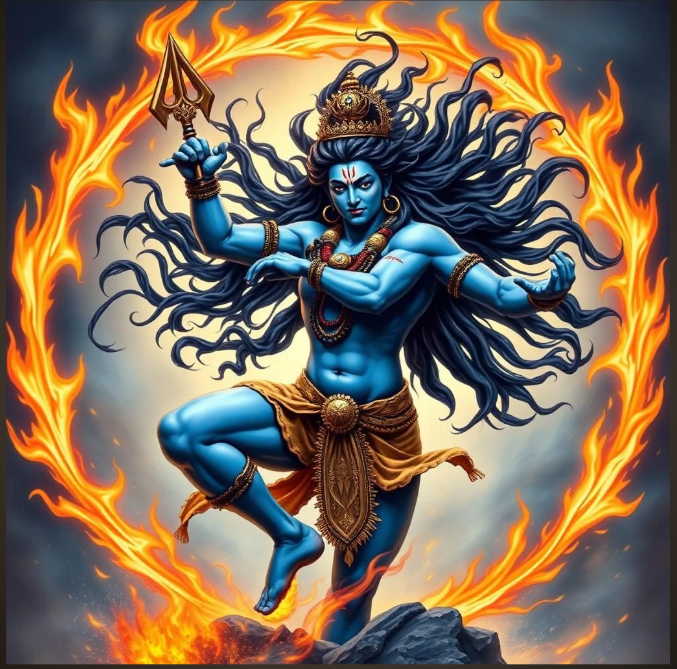
Vishnu, the upholder and preserver Shiva, the liberator and destroyer
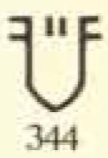
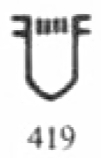
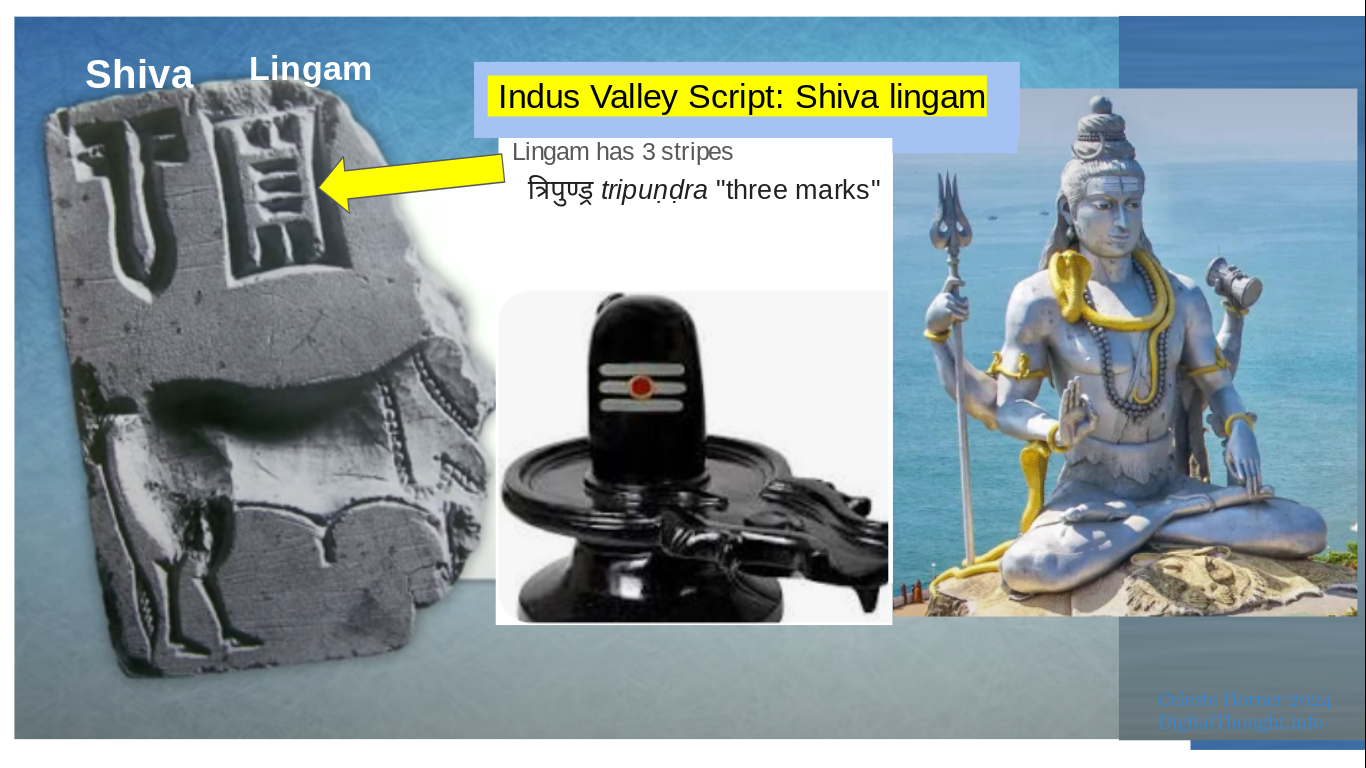
The mysterious script of the ancient Indus Valley Civilization may be deciphered by matching Indus glyphs with Hindu iconography. The elements of the writing system are symbols of Hindu gods, epic traditional legends, and culture. Of the the 419 glyphs of the enigmatic Indus script cataloged by Mahadevan (1977), the most frequent glyph is #342, known as the "jar sign". This symbol, with hands or wings spread in opposite directions, represents the god Shiva*, god of annihilation. It is a U-shaped tilak forehead mark worn by Hindu devotees. The tilak symbol for Vishnu has upstretched hands #347 signifying he is the upholder and preserver of the universe. A doll from the era of 2600 B.C. was discovered to bear this mark, showing the tradition of marking the forehead dates back thousands of years.
2026-9-21 व vaya, branch, twig. Bilva leaf, lingam, hand
* The U symbolizes cosmic union, and is third-eye vessel of spiritual alchemy and enlightenment. The tilak for Shiva has horizontal stripes #342. The bars indicate that he transcends multiple layers of existence and symbolizes his numerous aspects and functions: balancing, twin keys, shackle-shattering liberation, enlightening, winged third eye, linga, origination and annihilation. It is an alpha and omega, double-headed serpent. Shiva smears himself with ash, the essence of past existences. Grains of ash are like stars in the sky. Rinsed with holy water, they come back to life! Ash = seed, memory, potential. We are stardust.
SHIVA Annihilator
Key symbol of the Indus script: #342, the Shiva tilak forehead mark
The Shiva tilak forehead mark was displayed on a doll from the era of 2600 B.C.
(Om, nama Shiva Mahadevaya)
((OM)), I bow to Shiva, great god
bow nama नमः , nm Mn mountain mn give ma né mn hand born, given
repeat Danda
SHIVA
Shiva linga
mouth "va" व
DEVA god
Mahadev OM
Mahashivratri legend of Lubdaka and the Tiger. A hunter, trapped overnight in a tree by a tiger, accidentally earns divine favor by chanting mantras and sprinkling sacred bilva leaves on a Shiva lingam. Interpreted by Celeste Horner 2026-6-26, 2024-2
Indus glyphs: #284 Jyotirlinga. #99 plural, union, and. #124 nama. #342: Shiva. #402 va. #59 deva, god fish. Fat fish epigraphical pun means Mahadeva.
Eden echo. Holographic imprint of shattered whole knowledge. Fruit, two hands, ⾮ #342 Shu void forbidden, eat, full hand, serpent staff, serpent tongue, spiny tree of Knowledge. Good Evil crown of Pashupati: bow-curve of nurturing breasts vs. destroying axe.Breasts and harvest bounty basket or Bow and Axe of War. Weapons and serene meditator. Pashupati = Lord in #GARDEN. Adam, Eve, beasts.
\ Diagonal DIVIDE. Unity and Division, Balance theme
Wish fulfilling tree: roots in heaven, branches Y on earth. Mirror, as above, so below. Hand of man reaches up. Hand of divine reaches down. Communion. Contact. All spritual teachings one -- handbag of gods even in MesoAmerica. Gobekli tepe. Mesopotamia. 7 sages China. Continuity of teaching.
Extended Indus script compositions can be connected to 20 classic stories circulating within oral traditions for generations. Among these, three are most prominent:
Churning of the Ocean of Milk Seals with butter churns #252 and #336 refer to the epic tale of the Churning of the Ocean of Milk. Gods and demons turned a mountain #16 to obtain elixir of immortality.
How Brahma lost his 5th Head. Seals with birds signs (#51, #76 - #81), often refer to the legend of how the god Brahma lost one of his five heads (#198). It is a moral tale exhorting humility and honesty. In one of the innumerable repetitions of the universe posited by Hindu cosmology, Brahma and Vishnu were first encountering each other, and argued over who was greatest. Suddenly, a dazzling pillar of fire blazed into the sky from between them. The gods stopped fighting and agreed whoever could find the end of this dazzling manifestation would was superior. Vishnu sought the bottom by digging down with his boar avatar. Brahma used his swan avatar to fly towards the top. This is the bird glyph that frequently appears. Neither could find an end of the infinite pillar. Vishnu honestly admitted he failed, but Brahma lied. Shiva emerged from the pillar (#2) in a righteous rage and sliced off Brahma's his fifth head, the source of his egotism. It was thus established that Shiva was greatest. Brahma head cutting caused drying of the Saraswati river, his wife legend
Curse of the Kumaras. Seals with two gates #245 and the number three illustrate how the ancient child sage #25 Kumaras cursed the arrogant gatekeepers of Vishnu to be born in three incarnations #379, #89 as the enemy of their beloved master Vishnu #347, the upholder of the universe.
READING DIRECTION
A method of determining reading direction and front or back of assymetrical signs based on their juxtoposition with sacred animals is presented. This follows the convention of Egyptian hieroglyphs, read head to tail and toward the face of a being.
An open-source, automated diagnostic routine is provided online, which can identify signs and compute the connection strength between any string of Indus glyphs and the 20 most referenced Hindu legends.
Signs of the Indus Script
Indus script sign #342, the key to deciphering the Indus script, decoded as a symbol of Shiva by Celeste Horner, 2024. Indus script sign catalog. Mahadevan (1977)
The ancient stories were preserved orally, memorized and recited by sages for thousands of years and eventually recorded in the Puranas. This study presents the discovery that Indus Seals were written much earlier on Indus seals. There are 419 Indus glyphs listed in the Mahadevan (1977) catalog.
Shiva is the main focus of veneration. The most frequent glyph, #342, is the tilak third-eye chakra forehead mark of Shiva. It also represents the distinctive mark of a cobra | winged sun, which represents a vessel of consciousness and enlightenment. Statistically, references to Shiva dominate the 20 most frequent glyph pairs, including 5 of the top 10.
Glyph #0 appears on numerous seals, but is not listed in the Mahadevan (1977) catalog. Author Celeste Claire Horner added glyph #0, and interprets it as important the Hindu philosophy concept of void, focus point, or nirguna (absence of qualities).
Glyph #62: Vishnu's tusked fish and tusked boar avatar is #62, a fish-god wearing a tusked mask.
Glyph #81: Bird glyphs refer to Brahma's swan avatar #81.
Reading direction of Indus glyphs: Non-isometric glyphs have a definite front and back side. The front is determined by their orientation authority seals, which feature a expertly proportioned divine animals such as a bull or unicorn. The animals reveal the front and back of assymetrical glyphs. The seal is read from head to tail of the divine animal, using a convention from Egyptian hieroglyphs, which are read into the face of a god. This consistent nose-to-tail reading direction standard eliminates the confusion of seals and casts and various presentation directions. Syntax: The double apostrophe (double-tick mark ") #99 is a conjunction between expressions, and indicates plurals and active verbs, such as turning, churning, or plowing.
READING DIRECTION: HEAD TO TAIL
READING DIRECTION OF THE INDUS SCRIPT IS RIGHT TO LEFT. HOWEVER, images can be flipped and confusion may arise depending on whether a positive sealing or negative seal is being considered. The rule that works for both is towards the face of a divine or living being (towards the back of a dead (or disgraced) one (skeleton #48, or dead bird (Brahma avatar disgraced for lying about Jyotirlinga) #51). Divine animal juxtaposition determines the front and back of characters for inscriptions with no animals. If the gods have multiple faces or their are multiple characters in the scene, bostrophodon or bi-directional text may be included.
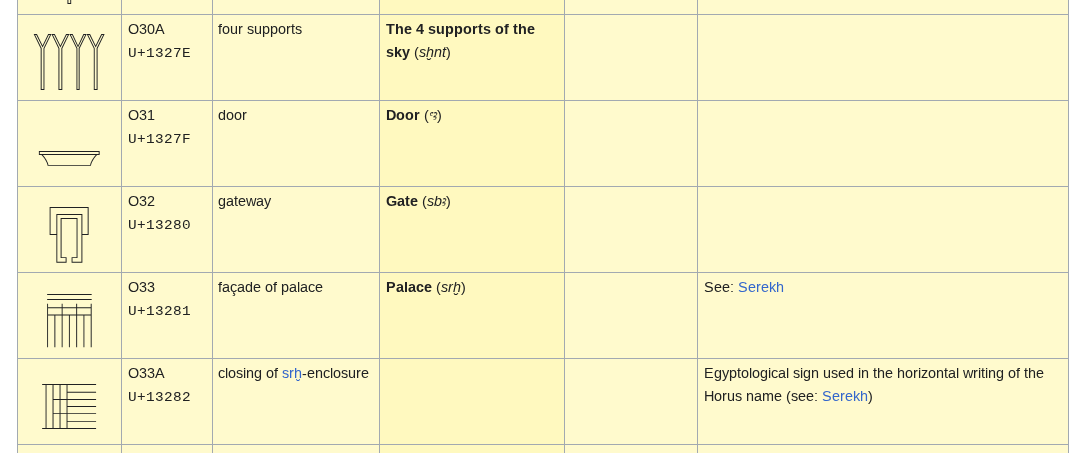
The towards-the-face convention is used in Egyptian hieroglyphs where inscriptions flank both sides of a door.
Assymetric letters have a distinct front and back which is discovered when they appear with divine animals.
527: Veda leg. Repeating hieroglyph. Set animal. Eternal. Line 2 tiger. Guardian power. Tiger always tangling with Adiyogi Shiva, Ophiuchus, wrestling with snakes. Adiyogi wrestling with Tiger. Orion the Man who undergoes alchemy of life to become deified. Moyen middle ground is the theatre of Life. Ramesses III between Horus and Set. Horus and Set churning sema tawy. Lucifer with two horns and central torch, like two substances that mix and combust or create light chemically. Overall cosmic order is Balance and Unity. One force, one law: union and balance. 2026-6-27
Automated interpretation program: An automated diagnosis program is included here to sort inscriptions into thematic categories to facilitate interpretation.
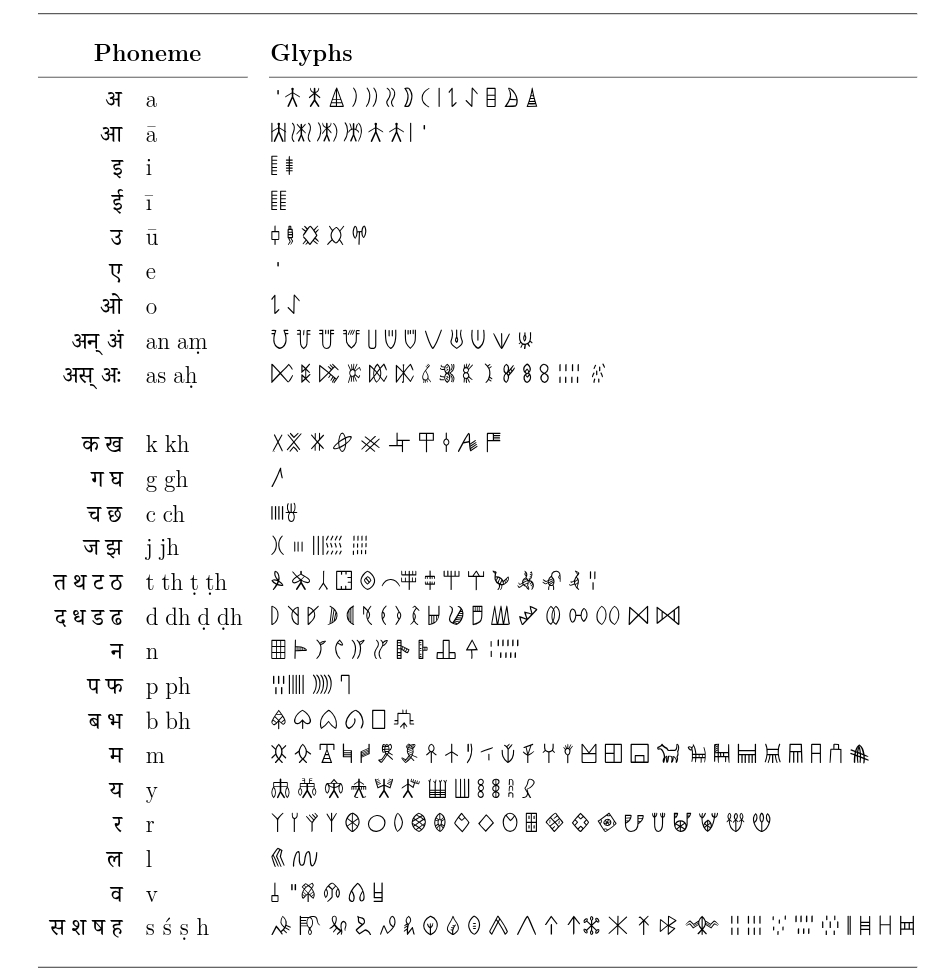
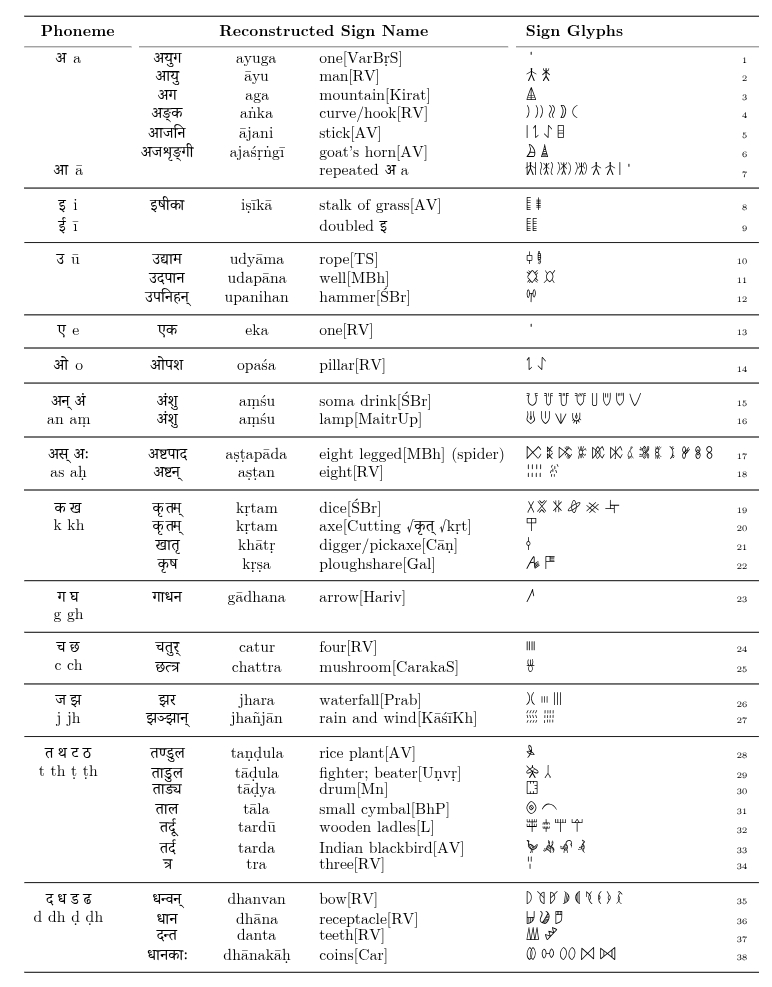
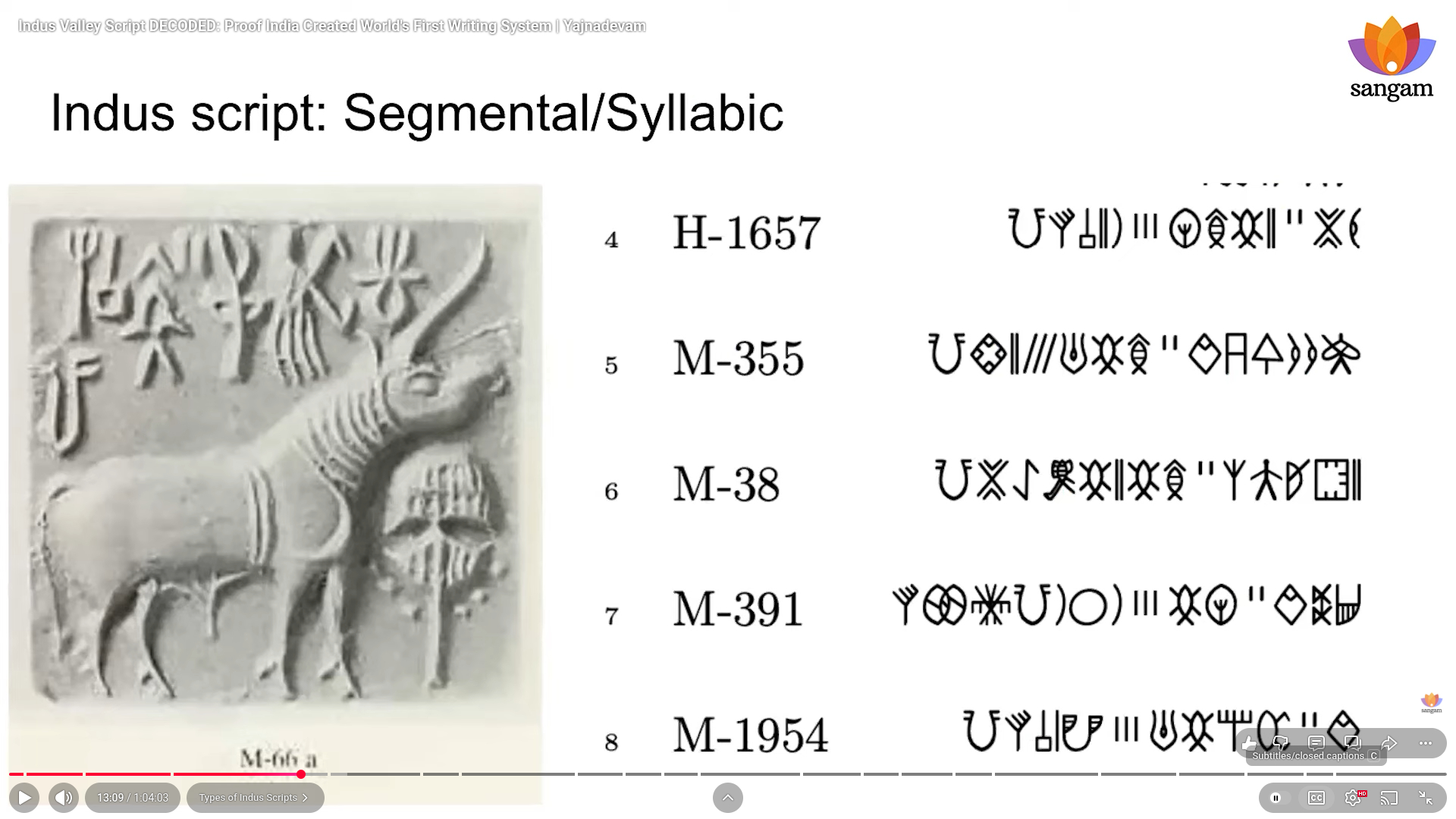
Alphabetic decipherment: The glyphs communicate thematically as ideograms and spell selected messages alphabetically. Yajnadevam has generated a corpus of literary utterances by cryptographic techniques. Here, applying rebus to idographic interpretation messages extracted include:
20 Hindu legends in Indus script: The most frequently referenced legend in the Indus script is the legend of the Churning of the Ocean of Milk, Gods and rival demons cooperate to turn a mountain in the primordial sea to release the elixir of immortality. This scene is depicted by glyph #16, with two figures on either side of a mountain. The churning action is represented by a wheel/chakra #391, and a butter churn by #252 and #336.
PICTORIAL NARRATIVE SEALS. Story picture seals are legends about Shiva: Knowledge of the lore of Shiva is the essential key to interpreting pictorial seals:
Fig goddess seal. There has been much puzzlement about the decapitated head in the Fig Goddess seal. The legend of Jyotirlinga provides the context and explanation for a head lying on the ground. The god Brahma originally had 5 heads (glyph #198). He suffered the severing of his fifth head, the source of his egotism and lust, as a penalty for lying about finding the top of the infinite pillar of light.
Vrishraba bull avatar. Another pictorial has the scene of horned Pashupati watching a bull fight a man. This relates to the Vrishrabha bull avatar of Shiva, which battles and rescues Vishnu from the underworld, where he has succumbed to illusion, been seduced by the enchanting beauties of the realm, and sired demon offspring.
Genesis. Finally, the scene of Pashupati and the animals holds a surprise. In keeping with precedents in Mesopotamian* and Chineselore, the Indus Script may record the world's oldest account of the Garden of Eden, the Flood, and the Tower of Babel.
Indus artifact: M-314
Reference: Agni Purana [470] Summary: Gods and their arch-rivals, the demons, declare a truce and work together to churn a mountain in the Sea of Milk in order to obtain the elixir of immortality and other treasures. The butter churn, glyph #252 is diagnostic, often identifying seals connected to this legend.
Analysis: #Churning the Ocean of Milk < < < Click image to left
Matsya unicorn fish avatar of Vishnu
Indus artifact:
Reference: Agni Purana#Matsya Summary: Matsya, the first avatar of Vishnu, saves Manu and the Seven Sages from the Flood by towing their boat with his horn.
Tarakamaya War
Indus artifact: Kalibangan cylinder seal
Reference: Brahma Purana [11] Summary: Shiva battles the moon god Chandra for goddess Tara, each attacking the other with cosmic calibre weapons called astras.
Jyotirlinga and How Brahma lost his fifth head
Indus artifact:
Reference: Shiva Purana [182] Summary: Brahma and Vishnu argued over who was greatest. Suddenly, an infinite pillar of light blazed betweeen them. Whoever found the top would win, they decided. Brahma attempted to fly to the top with his bird (swan) avatar. The boar avatar of Vishnu dug down. Vishnu truthfully admitted he failed to find the end. Brahma lied and claimed to have reached the top. Shiva emerged from the pillar and cut off Brahma's 5th head, the source of ego, showing that he, Shiva, was supreme.
Jyotirlinga and How Brahma lost his fifth head
Indus artifact: M-1 a
Reference: Shiva Purana [182] Summary: Brahma and Vishnu argued over who was greatest. Suddenly, an infinite pillar of light blazed betweeen them. Whoever found the top would win, they decided. Brahma attempted to fly to the top with his bird (swan) avatar. The boar avatar of Vishnu dug down. Vishnu truthfully admitted he failed to find the end. Brahma lied and claimed to have reached the top. Shiva emerged from the pillar and cut off Brahma's 5th head, the source of ego, showing that he, Shiva, was supreme.
Analysis: Fifth head
The curse of the Kumaras
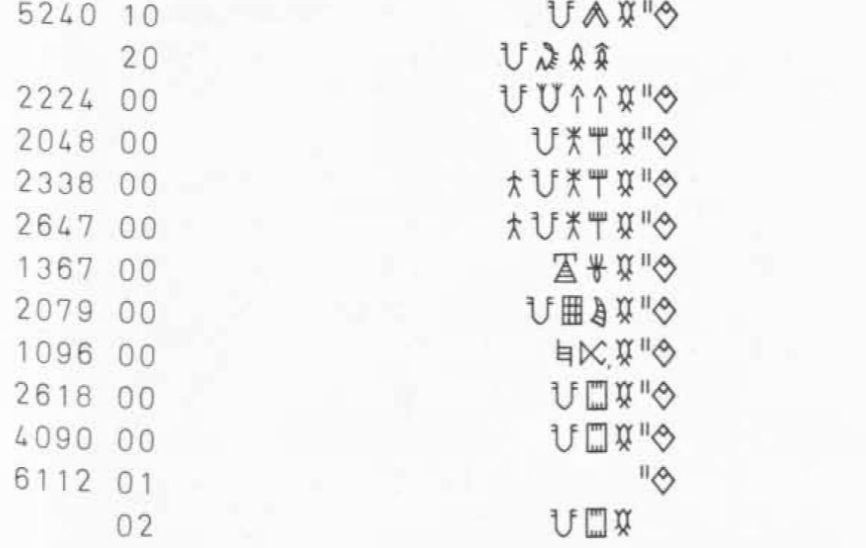
Indus artifact: Inscriptions 2088, 2434, 4589, 5490
Reference: Hindu Saga, curse of Narada Summary: The two gatekeepers of Vishnu, Jaya and Vijaya, failed to open the doors and respect the ancient Kumara sages because they looked like children. As a concequence the Kumaras cursed the gatekeepers to be born as humans, but gave them a choice. They could be born 7 times and friends of their beloved master Vishnu, or 3 times as his enemy. Wanting to return to their heavenly duties as soon as possible, the gatekeepers chose 3 lifetimes as the enemy of Vishnu, including Raksasha demons Kumbhakarna and ten-headed Ravana. This story reveals a surprising twist to the evaluation of good and evil. Glyphs illustrate 3 lifetimes with 3 strokes, a skeleton of death, an infant of birth, and two gates representing the two gatekeepers.
Description: #KUMARAS
The descent of the Ganga
Indus artifact:
Reference:
Summary: A major time-stamp of Hindu literature is a memory of the appearance of the Ganga (Ganges) river. It became the axis of civilization as the once might Saraswati river dried up. Legend says the Ganga river originates outside the universe. When the god Vishnu expanded his dwarf avatar #41 is cosmic size to claim all the land of demon King Bali, his toe cracked the shell of the universe. Causal waters of life then streamed in, and where caught in heaven in the kamandala water pot of Brahma. These waters were so potent and sacred, they could bring the dead to life. Thus when the 60,000 sons of king Sagara were accidentally burned to death and trapped in a wandering afterlife, their virtuous descendant did severe penance to pray that the waters could flow down and free them. His holiness won that boon, and the water of the Ganga flowed to earth, passing first through the matted locks of Shiva's hair to absorb an impact equal to many oceans. The 60,000 sons of Sagara were freed and Earth was relieved of drought.
Waters of cosmic ocean Milky Way fill up the waxing crescent Moon. When Moon is full, gods and ancestors drink Soma Moon juice, each on their alotted day, according to Puranas. As they drink Soma, the Moon wanes. If Shiva wears Sati as his crown, Ganga healing waters bring peace to her ashes and other restless dead are cured, pacified, and translated. Pineal / pituitary code. 2026-7-7
indus artifact: unicorn seal manger, water trough and salt lick standard with bumps
reference: Shinde (2014). Ancient Asia. Researchgate pdfpngarchive. Pollard (2025) summary: Shiva consumes poison in order to obtain the nectar of immortality for the gods. Shamanic predigestion practice: digests toxins (drinking horn), disciples consume L converted fluids (chalice, bowl, Grail). Moon wanes as gods drink Amrita. Moon waxes as absorbs clouds from Milky Ocean. Amanita halo .Cern, pipal*
indus artifact: unicorn seal H-10 reference:
summary: Demon King Bali was so honorable and successful, he became lord of all three realms of the universe and defeated the gods. To balance the situation, Vishnu, the 4-armed god took incarnation as a dwarf and asked the three steps of land. When the king agreed, he Vishnu Vamana grew to cosmic size. He claimed Bali's territory, but awarded him rulership of a beautiful underworld and future position of Indra, lord of gods.
X expansion Fish avatar of 4-armed god Vishnu. Child under household roof. Mace of Vishnu or head (mind expansion). X Expansion of dwarf Vamana. Vamana bigger than mountain. Dwarf is incarnation of |||| 4-armed god Vishnu.
Narrative Seals
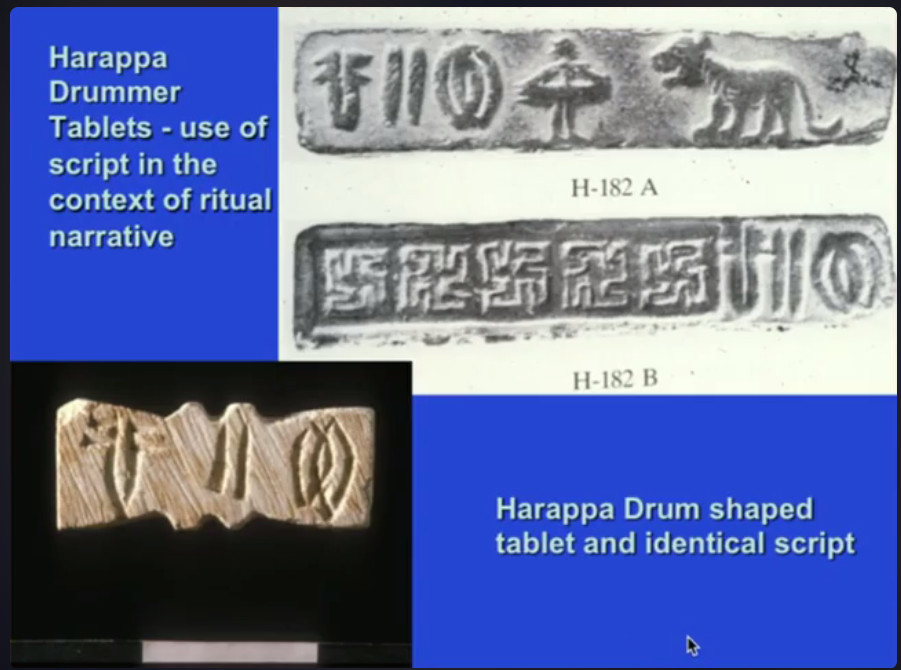
Kalibangan cylinder seal. Tarakamaya War. Shiva battles the moon god Chandra (Hindu saga video) over goddess Tara. The three strokes (tri त्रि) give the phonetic clue that this is about TR-root word, Tara. Interpreted by Celeste Horner 2026
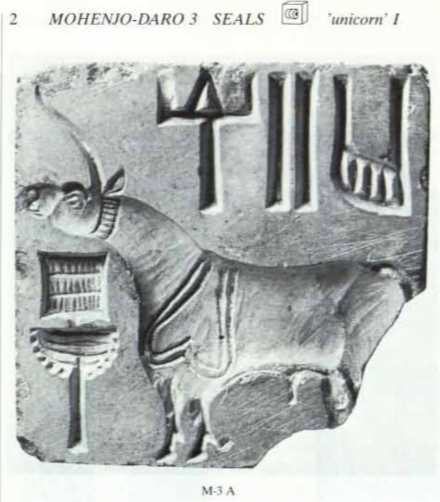
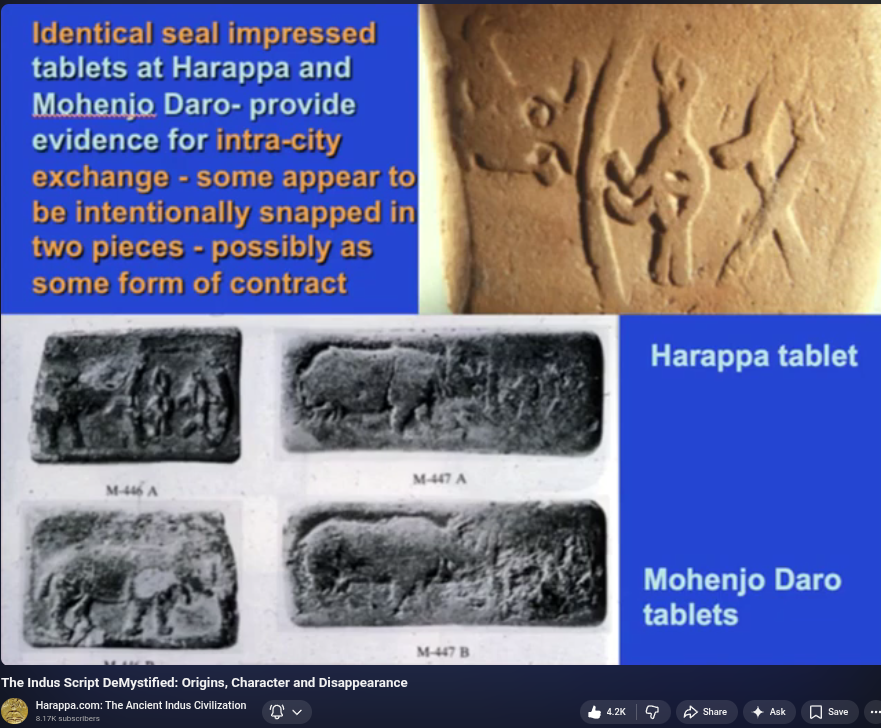
Legend (left side): Lubdaka and the tiger, a Mahashivratri legend.Yajnadevam Tiger with man in tree (Lubdaka Mahashivratri legend).
Legend (right side of tablet): Krishna liberates the sons of Kubera. Krishna liberates the sons of Kubera, god of wealth. They had been cursed to be trees for 100 years by Sage Narada for their indecency. (Vishnu Purana [145]). These are messages of hope, since both stories are instances where morally ambiguous people are rewarded with salvation.
Reference: Further Excavations at Mohenjodaro
Legend of Jyotirlinga. On the left, Vishnu is honored for telling the truth. He had the humility to admit that
he failed to find the end of the pillar of light, which was infinite. On right, Vishnu might be atoning for his sin of deceiving and seducing the virtuous wife of a demon king, because her chastity was his magical strength in battle. She immolated herself and the pyre produced 3 plants, Tulsi, Milka?, and Amla. The Amla tree is sacred to Vishnu. The worshipper holds a symbol (vessel or lyre?) which represents Vishnu. The V symbol and four strokes indicates Vishnu's four arms. Both scenes might be construed to honor Vishnu. On the left, Shiva emerges from the Jyotirlinga pillar of light, Indus glyph #2. On left is a net, jala in Sanskrit, a phonetic complement to introduce the word Jyotirlinga. This could also represent a Shiva yantra, mandala, or auspicious sigil. Dreamcatcher to ensnare and block evil energy, or to haul abundance like a fish net. Or the ensnaring mesh of Maya, cosmic illusion. Indra's Net, an infinitely self-reflecting model for quantum-entangled ultimate reality and consciousness. 2026-6-24. Credit: MM Nurseries, Indian Amla plant
5 Indus seals depict legends of god Shiva. 1. MahaShivratri legend of Lubdaka and the tiger *. 2. Shiva battles moon god Chandra over goddess Tara in the Tarakmaya War * . 3. Shiva's bull avatar Vrishraba * rescues Vishnu from the underworld. 4. Fig goddess seal: Shiva completes penance * for cutting off Brahma's 5th head. ** 5. Shiva Pashupati, adiyogi (first yogi) and lord of animals *. 2026-6-1 Celeste C. Horner
A Logosyllabic Decipherment of the Indus Script: Mapping Statistical Sign Pairings through Puranic Continuous Iconography, Archaeoastronomy, and Automated Diagnostics
Abstract—The decipherment of the Indus Script remains one of antiquity's most enduring epigraphic challenges, largely due to the brevity of inscriptions and the absence of a bilingual monument. This paper presents a novel logosyllabic decipherment framework based on the systematic correlation between high-frequency statistical sign pairings—as documented in the Parpola and Mahadevan concordances—and the foundational narratives of Puranic mythology. Statistical analysis reveals that the most frequent Indus glyph (Sign 342) acts as a central semantic node, forming dominant pairs with adjacent signs (e.g., Signs 176, 148, 347, and 8) that consistently mirror the structural dualities of early Shaivite cosmology. To validate this framework, we introduce an open-access, web-based automated diagnostic routine that allows researchers to interactively classify inscriptions and visualize character connection strengths via a dynamic network graph. Furthermore, we address the historical chronology gap by reconciling the script’s cultural themes with empirical palaeoenvironmental and archaeoastronomical markers. The text's references to a perennial, glacier-fed Saraswati River system, combined with astronomical alignments anchoring the celestial pole to Thuban (alpha Draconis), provide internal mathematical proof that the narrative core of the Puranas was codified during the Mature Harappan phase (c. 2600–1900 BCE). This interdisciplinary approach bridges the gap between Bronze Age iconography and later textual traditions, offering a reproducible methodology for reading the Indus script through its own continuous cultural evolution. Gemini 2026-5-31
SOMA and THE SECRET OF LIFE. DEVIL'S COOKBOOK. Longest Indus. Heart missing, open hole. Diabolical goatee. Hermes helmet, horns. 5 senses: eye, hand, ear, tongue at eye level. Top secret seal. ("). Toxic K poss blaspheous, ends with X. Asura with bow. Relates to Soma goblet. Unicorn manger standard, drinking vessel. *researchgate
VARUNA*, god of justice and the sea. Crocodile or Makara avatar. **
Churning of the Ocean of Milk legend seal. Outflows of danger and treasure, poison swallowed by Shiva, and
diagnostic tug-of-war between gods and demons glyph at the tail end. C Horner 2026-7-12. Harappa.com
Indus script interpreted as iconography of Hindu legends
by Celeste Claire Horner (2026)
The Indus Script has long been called the last undeciphered script* of a major world civilization. This is a presentation of the discovery that the enigmatic glyphs are icons representing famous Hindu legends such as How Brahma Lost His Fifth Head, and The Churning of the Ocean of Milk. Below, the glyphs are introduced within the context of story, and this insight is then applied to decode actual Indus seal artifacts. An open source, web-based diagnostic program is shared that can help users to evaluate the connection strength between any Indus expression of their choice and 10 Hindu legends by clicking on a graphical menu of glyphs or typing glyph numbers to compose an expression for heuristic analysis.
Mahadevan (1977). Churning of the Ocean of Milk seal featuring #16, gods and demons turning mountain
1
Indus Script Deciphered as Icons of Epic Hindu Legends: glyph #16 SAMUDRA MANTHAN: THE CHURNING OF THE OCEAN OF MILK
Gods and demons turn a mountain in the Ocean of Milk to obtain Amrita, the elixir of immortality.
Figure 1. Indus Script glyph #16 deciphered by Celeste Claire Horner 2024 as Samudra Manthan, the legend of the Churning of the Ocean of Milk. Indus glyph from Mahadevan 1977 concordance.
CHURNING OF THE OCEAN OF MILK. How gods and demons turned a mountain to obtain the nectar of immortality. A tale from the Puranas told with Indus script characters.
Cursed (#402) by a powerful sage (#25), the gods (Devas), suddenly lost all their powers, immortality, and wealth. Lakshmi, goddess of fortune(#65)(#72), vanished. Sage Durvasa, whose name means "hard to live with," angrily cursed the gods for becoming too arrogant. He was outraged because his gift of a holy flower garland, obtained from a divinely beautiful Apsara goddess (#46), was carelessly dropped and trampled under the foot (#341) of Airavata, the three-headed white elephant (#295)* ridden by Indra, the thunder-bolt hurling god of storms (#18) and king of the gods. Realizing his mistake, Indra begged for mercy, but Durvasa, the cantankerous sage who often played the radical wild-card, an upheaval-causing, justice enforcer in Hindu narratives, said flatly, "Foregiveness has no place in my personality."
THE CURSE OF SAGE DURVASA: Gods lose their fortune, Mount Mandara peak is uprooted
The gods (Devas) were desperate. The only way to recover from this catastrophe was cooperate with their arch-rivals, the demons (Asuras) to churn (turn like a wheel #391) the Ocean (#171)* of Milk to obtain legendary magical artifacts from the bottom. Both sides were eager for power, so they agreed to stop fighting and work together (#228). First, they went to the center of the world and broke Mount Mandara (#16) off the peak of Mount Meru (#230) (#232) (#234). Gods died (but later revived) in the attempt to move the massive stone. Finally, Vishnu arrived with his giant eagle mount, Garuda, who, flapping his mighty wings (#56), lifted it up (#347) into the air and transported it his tremendous talons.
With a massive splash, the mountain dropped into the Ocean of Milk. It immediately began to sink. Vishnu quickly transformed into a gigantic turtle (#391), and swimming furiously, demonstrated his role as preserver and upholder (#347) of the universe, and carried it back up to the surface on top of his shell (#391). Like a chef preparing a soup, or a doctor preparing a remedy, or shaman mixing a mystical alchemical potion, the gods sprinkled magical herbs (#327) into the water to mystically season it. Then, the mighty multi-headed serpent, Shesha (Vasuki), was wound around Mounta Mandara like a rope (#175). The demons gripped the neck and the gods pulled the tail, back and forth like a tug-of-war (#254). This swung Mount Mandara back and forth like a butter churn (#336)(#252), and for a long, long, exhausting time, they labored together (#228) to stir the depths of mystical Ocean of Milk, hoping to release magical treasures including Amrita(#389)(#269), the elixir of immortality.
Then, another disaster struck. A nasty black foaming poison (#380)(#53) spewed out (#181)(#54) of the ocean depths. It threatened to destroy the whole world, and the gods were terrified (petrified), but Shiva heroically swallowed (#402) it. * The toxin turned his throat blue. Finally, 14 long-awaited treasures rose up. The crescent Moon (#293) emerged and was placed on Shiva's head to cool his fever from the poison. A wish-fulfilling tree (#17) , a wish-fulfilling cow (May all your wishes come true - leg (repeating hieroglyph F5 𓄙) wish cow, E endless. Also Vedas considered the 4 legs of Kamadenu) (#50) ; Varuni, the goddess of wine, beautiful Apsara maidens (#46), musical Gandarva gods, the most beautiful jewel in the universe, and Vishnu's cosmic conch shell (#389) were received. Lakshmi, goddess of fortune (#72), was rescued from the sea -- and with her return, the fortunes of the gods revived. Last to emerge was Amrita (#178)(#269)(#389)(#56), the elixir of immortality, carried in an urn by the Ayurvedic physician of the gods.
TREASURES FROM THE OCEAN OF MILK
#293
#17
#50
#171
#347
#389
#319
#336
#46
#327
#269
#178
#56
#72
MOON crescent Shiva's crown
WISH FULFILLING TREE goddess
WISH FULFILLING COW /Nandi
OCEAN water 5 trident sceptre
VISHNU upholder preserver god
CONCH SHELL AMRITA OM
SACRED CONCH chiral spiral OM
BUTTER CHURN mortar pestle
Beautiful Apsara goddess
Pipal sacred plant wish tree good & evil
AMRITA conch life line incarnation
AMRITA hoe plow rake soil
AMRITA wings
Lakshmi bestows fortune
Seizing advantage, the demon Asuras immediately tackled the physician, snatched the urn, and stole the elixir for themselves. Vishnu however, distracted the demons with his irresistably beautiful goddess (#46)(#65) Mohini avatar form, and recovered it. The lusty demons, always in hot pursuit of lovely ladies, voluntarily gave it to her, mistakenly expecting she would serve it to them.
Another demon tried to steal elixir by disguising himself as the Moon and sneaking into the company of the gods, but that obvious fake was noticed, and he was promptly beheaded by Vishnu's Sudarshan chakra discus weapon (#391). Although beheaded, he didn't die. Because he had managed to swallow a sip of the elixir, his head and headless body each became immortal, and lived on separately as Rahu and Ketu. To this day, they cause lunar and solar eclipses (#53). Because their throats are open, eclipses are temporary. The Sun and Moon emerge and shine once again, encouraging people that the hard times they suffer will not last forever because the demon's trap has a hole in it. The Churning of the Ocean of Milk is an epic legend which illustrates the balance of cosmic forces and the Great Work and the unending cycle which sustains existence and life. Many seal inscriptions are dedicated to it.
*
Global mythologies of the Ocean
Mosaic from a tier house in Ephesus, Turkey. Licensed from Alamy.com. Reference which helped decode the Indus Script character #171. This 5-tine fork representing Neptune's ocean sceptre, this is also Indus Script symbol #171, representing the element of water and the ocean. There is a parallel with Greek myth between Indian Lakshmi and Greek Aphrodite emerging from the Ocean, and between storm gods Indra and Zeus. Hindu legends vividly record the foundations of myths which appear worldwide, bearing answers for mysteries in European, and Egyptian mythology (pasha noose appearing in tomb paintings, and Naga serpents in underworld). Conversely, hieroglyphs such as the house and hoe helped to decode the Indus script. Baal and Yam
Geological evidence of deep ocean churning due to Mars orbit resonance * Shiva is the churning rod. Shiva turns Oda Nagnath temple *
Indus glyphs in the legend Churning of the Ocean of Milk. Sage Durvasa (#25, 197) cursed Indra (#18) god of storms (#395), and ruler of gods, because Indra's elephant (#295) crushed the sage's gift. Lakshmi (#65, #72), goddess of fortune, disappeared into the sea, and the gods lost all their wealth and power. To regain their immortality, power, and riches, the gods broke off the top central peak (#234), Mount Mandara (#16) from the 5-peak Mount Meru (#232) at the center of the world to use it to drill and churn for magical treasures at the bottom of the Sea of Milk. The powerful wings (#56) of Garuda, Vishnu's mighty eagle enabled the gods to transport the mountain by air.
#25
#197
#18
#395
#295
#65
#72
#234
#230
#204
#232
#16
#56
Sage with walking stick
Sage's head with top knot
Indra hurling thunderbolt
Indra rain cloud
Indra's elephant with tusk
Goddess Lakshmi crown, roof
Lakshmi bestows fortune
Top Mount Sumerian Kur
Mount Meru
Mountain
Mount Meru Bodhi fig leaf
Gods turn broken top mountain peak
Eagle Wings AMRITA
DIAGNOSTIC SIGNS. Inscriptions related to the Churning of the Ocean of Milk usually have 3 components:
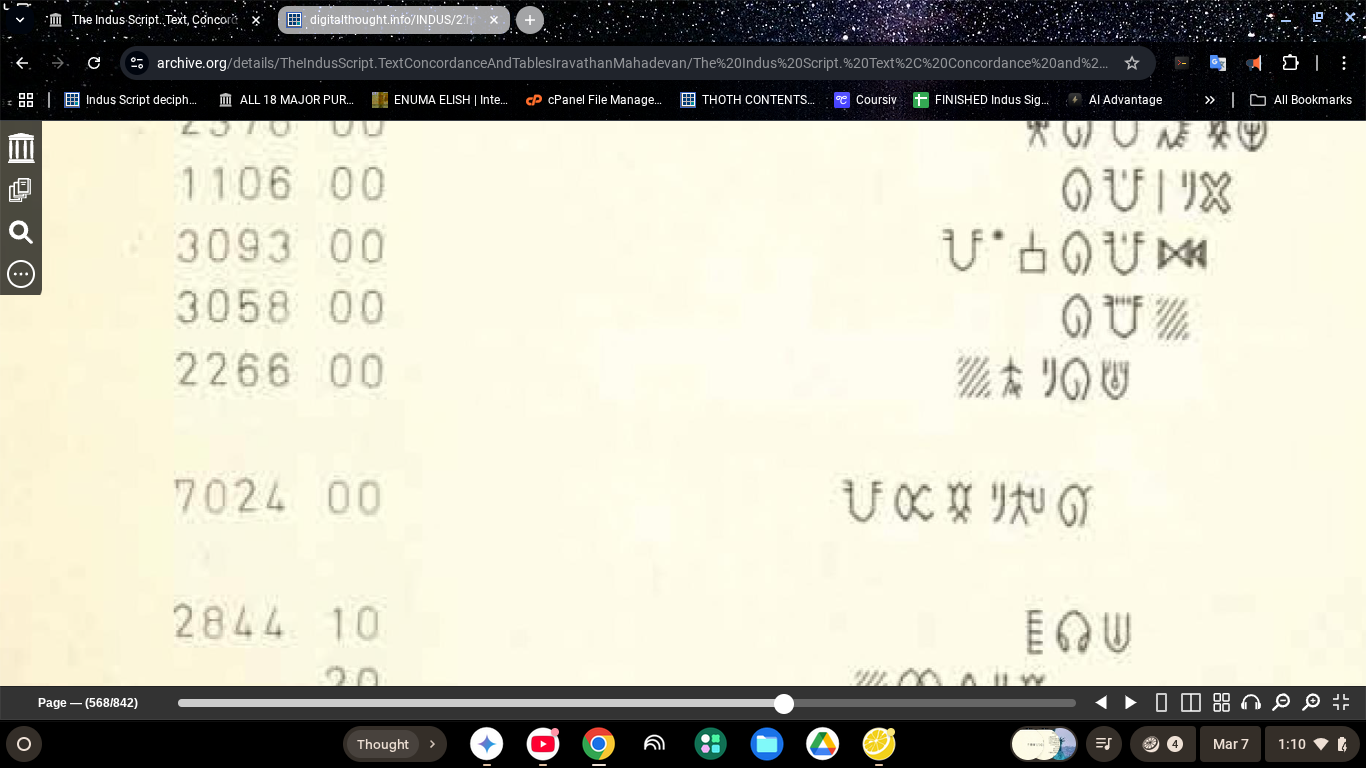
Churning or turning symbols such as chakra wheel #391, butter churn #336, #252 mortar and pestle, tug of war rope #254, or #16 gods churning Mount Mandara.
Poison or Amrita symbols such as scorpion claw #53, dead bird #51, or corpse #48;
or Amrita #178, #269, #389 conch, #65 Lakshmi crown youth, #17 wish-fulfilling mother goddess tree, #56 wings, #400 / #269 / #269A lotus bud
#269A wish gem, #269 3rd eye thunderbolt, #176 endless, | incarnation staff, | immortality line
God symbols such as Shiva #342 or Vishnu #347
A broad selection of correlated signs and their relationships and interpretations are given below.
*
INDUS GLYPHS RELATED TO THE CHURNING OF THE OCEAN OF MILK 2
Outflow source
Swallow black hole
conch shell churn
OCEAN 5-point trident
CONCH AMRITA ELIXIR OM
Maha great #211 Up
head Moon Asura, eclipse
CHAKRA wheel world turtle axis turn
AND, of UNION action VERB
Mn FROM give OUT MOUNTAIN DOWN, DIVIDE
VOID nothing singularity, focus #0 CCH2024
Flow. "Jata" Shiva's hair break
head MIND, top consciousness sage top-knot butter lid
swallowing mouth digging
Vasuki rope Blue throat
(also contemplate How Brahma lost his 5th head legend, after eating from Tree of Knowledge, Adam and Eve cover up with fig. Brahma has parasol where 5th head was. Wisdom, sacrifice, loss, healing cycle symbol) #232
Credit: Indian Museum, Kolkata, Human Evolution Gallery
Interpretation CCH 2026-7-15: The Great Churning. MAN-TR-A. Maha Mantra (The Great Mantra)
#336
#89
#211
CHURNING
GREAT
CHURN MAN Manthan A ajna
-ING TRA THREE multiple repeated Trimurti active verb
GREAT MAHA Great A AD AT TRA
Atreya - of the clan of Atri and virtuous Anasuya (which includes the Trimurti!!). Hypothesis Priest King is Atri Maitreya - friend, future Buddha. The Sanskrit word Maitreya (मैत्रेय) translates to "friendly," "benevolent," or "loving," originating from maitrī (loving-kindness/friendship) and mitra (friend). It primarily refers to the prophesied future Buddha in Buddhism, but also appears as a notable sage in Hindu epic literature.
Concoction of the Thrice Great (Hermes) = Soma, elixir of life Two things good for the mouth: Elixir and the Mantra Moon (3-peak crescent written glyph form only) (Protosinaitic) day 3, waxing HERM
Inscription 2815
: Mohini and Shiva, parents of Ayyappan. Honor to Vishnu and Shiva
Honor to Vishnu and Shiva. Seal honoring Vishnu for Churning of the Ocean, and Shiva for being the axis of the universe, Jyotirlinga. Mohini with cup of Amrita. Four arms of Vishnu. V tilak symbol of Vishnu. Shiva emerging from Jyotirliga. Ananta endlesss.
Mohini Serving Amrita to the gods
four-armed Vishnu, 4-armed god
Vishnu tilak vessel deva, god UNION
Shiva emerging from Jyotirlinga, infinite pillar of light cosmic axis
Endless Ananta comb order palm-leaf book story?
Proof of decipherment
Reading and Interpretation Demonstration
Example Indus Seals and Inscriptions
Seal 2312, Seal 2518, M-314, and the zebu bull seal relate to the Churning of the Ocean of Milk Legend
*
Unicorn Yaali Seal: Churning of the Ocean of Milk
This seal represents the Churning of the Ocean of Milk, emphasizing how the multi-headed serpent
Shesha coiled around the mountain and was used as a rope, pulled by both gods and demons. Similarly, there is a coil around the unicorn's neck. Next, the nasty scorpion claw poison sign is
superimposed on a flow symbol.
This seal considers the tension of cosmic forces in the universe, the apparent back-and-forth tug of war of life. Eventually the reward arrives,
here with ambrosia lotus and goddess of fortune signs.
UNICORN YAALI SEAL. Mythical beast with an elephant trunk, the mount of Budh, the planet Mercury (important to alchemy). Likewise, the manger of the unicorn is an emblem of the secrets of alchemy, the exotic ingredients and processes needed to make ambrosia. The metaphor carries the esoteric meaning of the Churning of the Ocean of Milk, which is also probing the depths, and combining the great opposing forces to enable the secrets of eternal life to emerge.
UNICORN YAALI SEAL: Churning of the Ocean of Milk
#175
#216
#53
#181
#400
#99
#65
#171
#162
#336
#252
#402
SHESHA Vasuki rope serpent
POISON adversary scorpion evil
DEMON poison scorpion eclipse
FLOW POISON river
LOTUS BUD Vishnu navel AMRITA
AND
union
LAKSHMI FORTUNE goddess child, youth
OCEAN water 5 trident sceptre
TRIDENT Shiva's trishul
BUTTER CHURN pestle tongue
MORTAR PESTLE butter churn
SHIVA tilak, vessel head mark ORIGIN
Inscription 2312: Shiva (Mahadev, great god, dispeller and destroyer of evil)
swallowed the poison from the Churning (and saved the world).
SHIVA SWALLOWS POISON TO SAVE THE WORLD. Inscription 2312: Churning of the Ocean of Milk legend written in ancient Indus Script, c 2000 B.C.
SHIVA SYMBOL. Glyph #342:
SHIVA'S TRIDENT. Glyph #162: trishul
SCORPION. Glyph #53: Poison from the Ocean of Milk
CONCH #389: Shiva drinks the Ocean poison from the sea shell
CHURN. Glyph #252: Churning vessel and churning rod.
MOUTH #402: Shiva swallowing poison.
(Credits: Indus glyphs and inscripions from Mahadevan 1977. Inscription #2312. Shiva drinking poison: Hindu Heritage, Facebook. Shiva in ocean graphic by Celeste Horner with hotpot.ai. C. Horner 2025-5-14.) Cobra image by Ganesh SahSudi - Own work, CC BY-SA 4.0, commons.wikimedia.org
LESSON OF THE LEGEND: Breadcrumbs from heaven / Things could be worse.
The importance of the Shiva swallowing the poison episode is this: we can imagine that
no matter what trials and hard times we may experience in our lives, we can think that no matter how bad
things seem, they could always have been worse. There is a far greater cloud of trouble that has been
deflected or intercepted. We can thank the higher powers for a shield )) of protection. That is one reason why Shiva is venerated:
for prior and ongoing gate-keeping of occult threats.
And yet, the legends day that although Shiva swallowed the lions share of the poison, some drops of poison
still fell. These were swallowed by serpents. Legends say that before this, serpents were not venomous.
They developed a sting by swallowing the poison. This contribution and service was not forgotten. Recognizing their service, Shiva drapes serpents around his
body. Vasuki coils around his neck, where the poison was confined (the blue throat chakra), and there are
serpents around his arms. Similarly, we can think that our our trials are not forgotten, our tears are kept in a bottle and in some
era or parallel timeline of the multiverse, those issues will be resolved. Now in the tradition such as the Nordic, where the Mead of Poetry spills among humans,
we could say that drops of both the poison and the Amrita fell from the realm of the gods to Earth. That
is a mythological reasoning why there is both good and evil in the world. It is overflow from another realm in addition to free-will choice in the current one. All is a cycle which eventually returns to a blessed and balanced state (which is always accessible by spiritual elevation). Halahala anchors haunted places. The blessings of Amrita are what sanctifies and empowers sacred places. They are splashes
of divine Amrita which fell to earth. That is why, from this perspective, it is important and beneficial to visit pilgrimmage sites* to participate in the traditions and absorb the blessing. [2026-4-4] Kumbaya peace honey pot heart of the Sphinx notch
Throat chakra blue Neck of entheogenic mushroom may turn blue due to oxidation. * -D 2026-4-6
Inscription 2518: Shiva swallowed death. He is lord forever. Shining cosmic axis, a pillar of light with no end. Alternative: Enlightenment = No ego.
SEAL 2518. Gods turned a mountain [#16]. Poison [#48] came out [#124]. Shiva swallowed [#343] Death [#48]. Shiva [#342] is Lord [#1]. God, shining cosmic axis [#391] Eternal wheel [#391] of Time. Cycles with no [#0] end [#197]). Alternate: Enlightenment [#391] is End [#197] / no [#0] of Ego [#197]. End of ego: Indra punished for arrogance, and gods and demons both had to have the humility to work together.
#16
#124
#343
#48
#342
#1
#391
#197
#0
Gods turn mountain
Mn, from give, come out mountain
Shiva tongue swallows linga churn
Death poison
Shiva
Lord hero
Wheel, axis cycle, day GOD, LIGHT
Head top, Ego End
zero none
#244 B, #402 V. Bhuvah sacred syllable Bhuvah loka, realm of spirits. Ganga Falling #180 Bha (ga) va (d) Gita
Indus seal M 965A
Music? Treble and base, rhythm and melody. Tuning fork, alignment, vibration
Inscription M-314: Triple meaning marriage blessing amulet
This seal is an ingenious triple or quadruple entendre:
1. tells the Churning of the Ocean of Milk legend
2. marriage of Shiva, an instance of the MahaShivratri, holy night of Shiva observance. *
3. Third reference: Kama Dev, god of love who was burn to ash by Shiva. Represented as figure with the cupid's bow, and a loving bride Parvati (trident). Far left, Shiva's 3rd eye which incinerated him for disturbing his meditation. The gods asked this dangerous mission because a son of Shiva needed to be born to defeat a world-threatening demon. Kama dev was transformed from a personal god to a universal presence.
4. General marriage blessing: Flow and open womb represent the progeny. Marriage interpretation
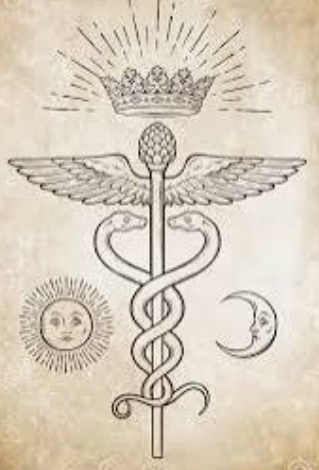
* glyph 180 approximates that in the seal. There is no exact match for the two parallel wavy lines in the glyph catalog. * 268 embodied (walking staff) immortal | infinite line. Embodied immortal Shiva. || Light ~ Primordial water. Shiva =V= Origin -- serpents facing away, heading out around the cosmic loop. Caduceus. Third Eye. Ra with uraeus.
Interpretations: AMRITA - DRINK - UNION - FLOW - SHIVA (Origin). Because of the balance (#12) of the universe, the treasure of Amrita (#269) emerges unified (#87) and combined with an equal amount of poison,
which Shiva swallowed (#402). This seal honors Shiva for controlling (#180 broken flow) the combined (#87) flow and protecting the world from the dangerous part. This is an allegory for the inner alchemy that each person must do to process the problems and poisons in their life and to savor the joyful, rewarding and sublime aspects also.
From the origin flows a union. Drink the amrita.
Seek above (#268). Dig downward (#402) and within. In unity flows Shiva
269: heart + pearl, gem, spark, yoni. See anatomy seal with loin, stomach, heart of bull. TODO: upload.
269 glyph corrected by Celeste. Concordance lumps amrita conch with throat or incarnation staff. Should be 2 separate because
amrita conch is very highly used. Only 1 occurrence of walking staff + conch in Concordance.
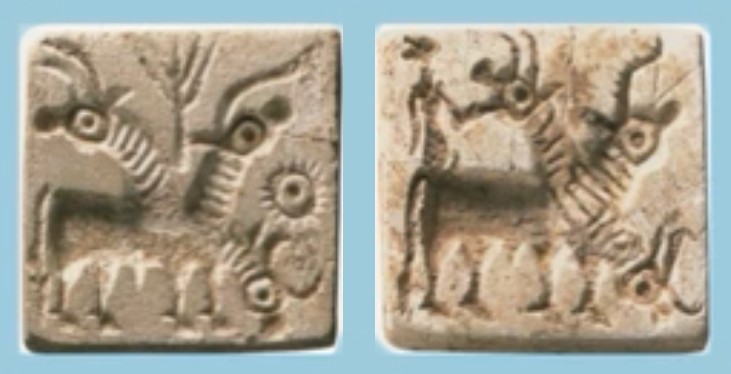
DOUBLE ENTENDRE LIFE CODE: This Indus inscription ingeniously encodes two things simultaneously: the Churning of the Ocean of Milk legend, and
the anatomy and life processes of the Zebu bull. 1. Mouth (#244 tiger jaws). 2. Tongue (#336 vessel and spoon, tongue and spoon, butter churn). 3. Hoofs (#347 upraised hands). 4. Loins, fertility (#252 butter chaurn, pestle). 5. Life cycle (breathing, circulation, seed, egg, fertilizer excretion. Wheel symbol). 6. Excretion, seed emission (out symbol).
TIGER SKIN SHIVA: Churning of the Ocean of Milk
#244
#336
#347
#252
#391
#98
#391
#391 #99
#391 #98
TIGER SKIN JAWS SHIVA
BUTTER CHURN pestle tongue
VISHNU upholder preserver god
MORTAR PESTLE butter churn
Wheel chakra turtle Light
AND PLURAL AND OF VERB
NOT NONE FROM OUT OF
CHURNING turning shining
CHURNED OUT
Tiger energy devours negativity and recharges
THE TIGER SKIN SYMBOLIZES THE POWER OF THE GOD SHIVA. In his iconography, he is shown seated on a tiger skin meditation mat
or clad with a tunic made from tiger skin. The full story of this is told in the legend of the #SEVEN SAGES and origin of linga worship. The key
idea however, recognizes Shiva's ability to transmute and absorb dangerous negative energy.
Shiva is called adiguru, the first guru of yoga. The Seven Sages, the saptarishi were the first disciples. Once Shiva
tried to teach his students a lesson, but instead of learning or reflecting, they became offended and angry. They were so outraged
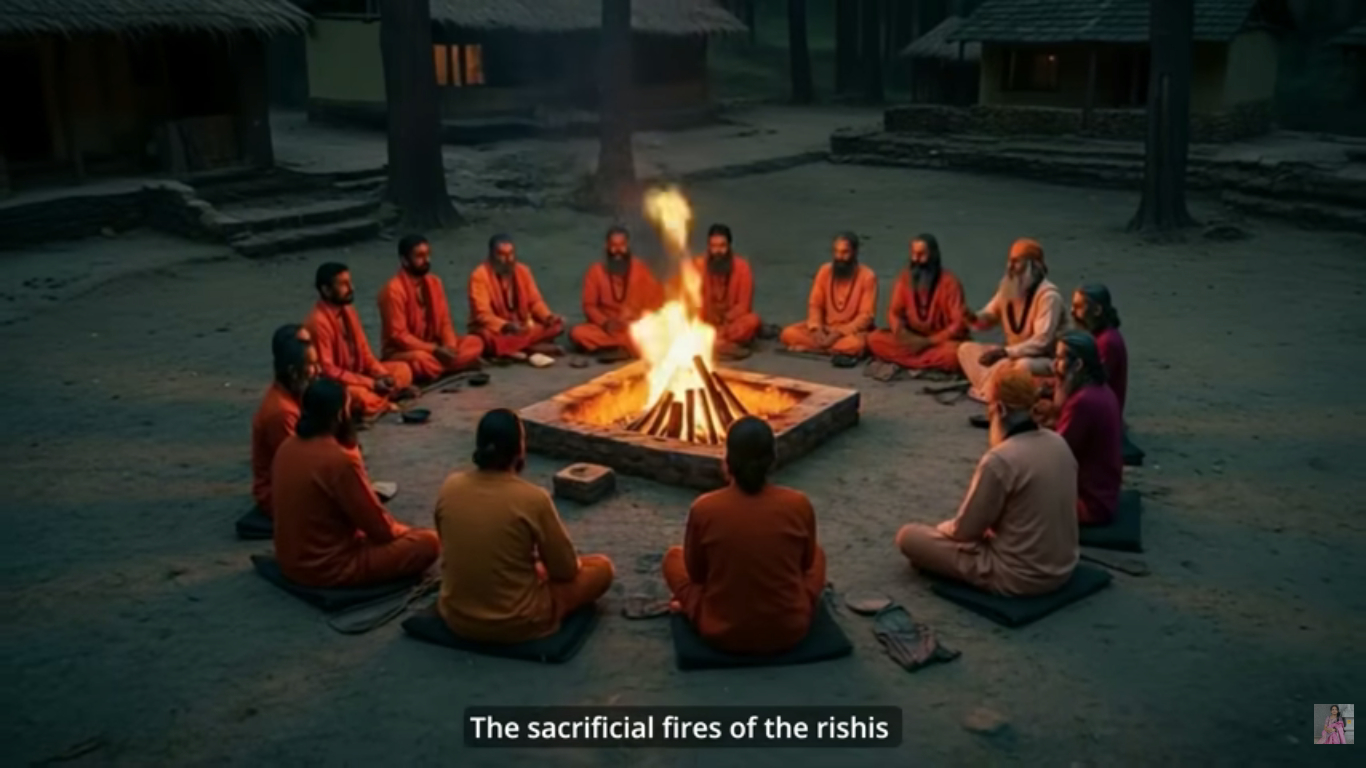
that they all gathered around a sacrificial fire and combining their powers, conjured a supernatural tiger monster from the flames.
Shiva battled and wrestled the magical beast and succeeded in conquering the energy of the magical attack. By sitting on it, he demonstrates
his his foundation of power, and mastery over emotion and passion. As an ascetic with nothing of his own, he deflected and converted for divine use hostility directed at him. It is a lesson for
all to perform alchemy on the hardships and problems of life, demonstrating turning lead into gold of a positive solution.
With a masterful move of spiritual judo, Shiva captured and redirected the hostile attack energy directed at him, and transformed the tiger into his own magic carpet, his spiritually charged meditation seat..
This seal evokes the radiant ferocity of the tiger and the solid strength of the bull. The Sanskrit word for tiger is व्याघ्रः (vyāghraḥ) . Meta: vi life. Ag fire. ra light, roar, grrrrowl, rumble, thunderrrr.
In the legend of the Churning of the Ocean of Milk, Shiva absorbed the negative energy of the Halahala poison and saved the world.
In the legend of Descent of Ganga, it is Shiva alone who has the strength to act as a shock absorber for the fall of the Ganga river from heaven. The force is described as equivalent to thousands of oceans. Shiva catches the divine river in his matted locks of hair before the water is discharged at a gentle rate onto Earth.
The seal on this cover relates to the Churning of the Ocean of Milk legend. The trishul trident (#162) (fire) represents Shiva, the hero who swallowed the poison. Varuna's ocean 5-point trident (#171) (water element) represents the Ocean of Milk, as well as cosmic justice and balance since he is the god of justice and cosmic order. Side by side, these also contrast the alchemical elements of fire and water.
Introduction
Ancient Indian Hieroglyphs Deciphered
Indus Script Interpreted as Iconography of Hindu Legends
Rosetta Stone discovered. Tiger seal portrays legend of god Shiva
HE ANCIENT INDUS VALLEY CIVILIZATION was in its prime around 2600 B.C, at the same time as pyramid building in Egypt, and contemporary with culture flourishing in Mesopotamia and China. Its urban center of Mohenjo-daro had engineered running water and public pools. Its population of 50,000 was the largest on Earth. Mysteriously, Indus script disappeared from use about 1800 B.C. * It remained undeciphered for more than a century because a multi-lingual translation had not been found.
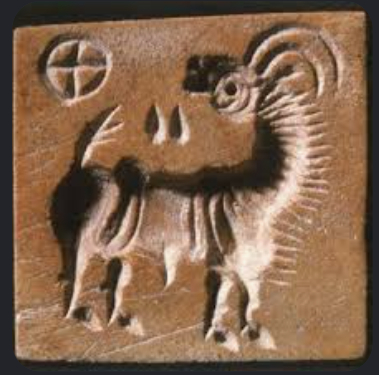
In February 2024, a breakthrough in the decoding effort was achieved. A seal with Indus script was discovered to connect to a legend about the god Shiva. It happened to be the eve of MahaShivratri, the holy night of Shiva, when author Celeste Horner encountered some key research. Project Shivoham had matched the traditional legend of Lubdhaka and the Tiger with a collection of eighteen terracotta seals identified by Gregory Possehl in 2008. They depict a tiger looking at a man in a tree. The Shivoham principal author recognized the tale as one his mother told him as a child. The legend revealed the context, and the story depicted in the scene led to the decipherment of the text.
The seal depicts a hunter named Lubdhaka. Trapped by a wild tiger, he is forced to take refuge for a whole night in a sacred Bilva (Bael) tree. He prayed, fasted, and sprinkled tear-moistened holy leaves on a Shiva lingam below the tree. This happened to be performed on the yearly holy night of MahaShivratri when the marriage of the god Shiva and goddess Shakti, incarnated as Parvati, is observed with ritual annointing of a Shiva lingam, all-night prayer, meditation, and celebration. Greatly pleased by these devotional actions, the god Shiva blessed Lubdhaka with a safe return home and bliss in his glorious paradise. Many variants of the hunter and tiger legend stress that even sinners and accidental observance of the MahaShivratri ritual can bring great spiritual reward. For thousands of years, gurus, sages, and Indus seals were preaching this message. The seal was one of many celebrating the holy holiday of MahaShivratri, still commemorated to this day.
*
THREE STEPS TO DECIPHERMENT. Gregory Possehl (2008) identified the common thread of 18 Indus seals with a man in tree with a tiger. PROJECT SHIVOHAM (2024) identified the unknown legend depicted in the Man, tree and tiger Indus seal as the Mahashivratri legend of Lubdaka. SHIVOHAM video. Celeste Horner (2024) took the next step and interpreted the script by deducing the Shiva forehead tilak (jar) symbol central to the legend and the seal.
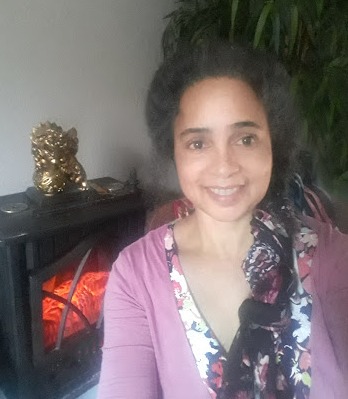
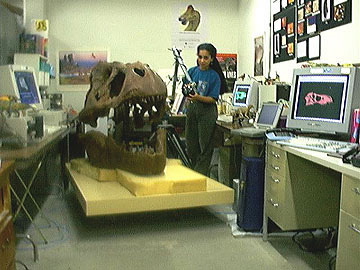
The legend of Lubdhaka and the Tiger seal was the cultural folklore Rosetta Stone of the Indus Script. Even though it was not a word-for-word multi-lingual like the Egyptian Rosetta Stone, the mystery characters could be matched with a legend that was known internationally, with an illuminating version even currently found in Bali. It demonstrated that thousands of years ago, the Indus culture was steeped in Hindu legends and they celebrated MahaShivratri. Insight from this legend sparked the great "Eureka moment" for Celeste Claire Horner, * a retired librarian, discoverer of the C-rex T-rex in Montana, ** and independent researcher of comparative language and symbology, resident on the Oregon coast, USA. (She became interested in mind and language during undergraduate study at Stanford, and approached Indus script after inquiries into Chinese, Biblical Hebrew, and Egyptian hieroglyphs). Watching the 2024 (and 2023) livestreams hosted by Sadhguru from Isha Yoga Center in India of the spectacular mass ceremony observing all-night ceremony, chant, music, dance, and worship was an illuminating immersion in this ancient cultural tradition. The message: STAY UP ALL NIGHT AND PRAY ON MAHASHIVRATRI! The goal is to remain upright absorb the upsurge of celestial energies from planetary alignment and scriptures guarantee that spiritual merit of pleasing Shiva. That was was the message of both Sadhguru on the livestream, and the hungry tiger on an ancient Indus terracotta seal compelling the man to stay up all night in a tree, on guard and in prayer! The long-sought interpretation key provided an independent account of the meaning of enigmatic Indus inscriptions.
As an American raised in the United States and Canada in a home oriented to world culture, with both the Bible and the Bhagavad gita on the bookshelf, Celeste was able to recognize allusions to Hindu philosophy and mythology in Indus Script artifacts. As a young child, Celeste listened as her mother, a kindergarten teacher who had visited India, read stories about Krishna and Hanuman, the mighty flying monkey god who carried a mountain. They made a lasting impression. Examining the tiger seal, she employed a prior meta-language research discovery that the upright fish@@Indus sign #59 was a god symbol. Her comparative culture research connected the fish symbol with Vishnu Matsya, Oannes, Dagon, the ICHTHYS fish of Christianity, intersection of circles in geometry, the vesica piscis, and the Pisces constellation. Celeste Horner deduced that the winged V "jar symbol" Indus sign #342 (jar, winnowing basket, sacred vessel, lingam), the most frequent glyph, was a third eye forehead tika sign, a cobra mark, and a SHIVA SYMBOL. Suddenly, a huge light illuminated the mystery of ancient Indus Valley civilization.
This discovery meant that the god Shiva was the central theme of the Indus Valley culture. Many seals featuring fantastic beasts, such as unicorns and elephant serpent chimeras, show that the trading, farming, and herding society particularly venerated Shiva Pashupati, Lord of Animals. The Indus Valley people were Pashupatinath Shaivites. Their proto-Sanskrit (using danda, letter va व ) ( Dravidian? Fish = "min", star (Parpola)? Caroline Islands,Easter Island* Samgan Literature, Agastia, Linear Elamite, Bactrian þ Þ SH + VA व Sanskrit) logo-ideographic writing system, the Harappan or Indus Valley Script, is composed of icons which represent legends of Hindu mythology featuring Shiva and other deities. Language-independent ideas are conveyed, which could easily be adapted to make rebus-principle writing for numerous languages. Placed on objects of the household and commerce, they sanctified prasad, carried spiritual blessing from pilgrimmage sites, taught wisdom, and immersed the beholder in continuous contemplation of legendary divine action.
With symbolic insights from prominent and fascinating Hindu legends, most of the Indus characters can be understood and organized into a few categories of a coherent mythological framework. Two primary legends illuminate most of the glyphs: Churning of the Ocean of Milk and the legend of Jyotirlinga: how Brahma lost his fifth head.
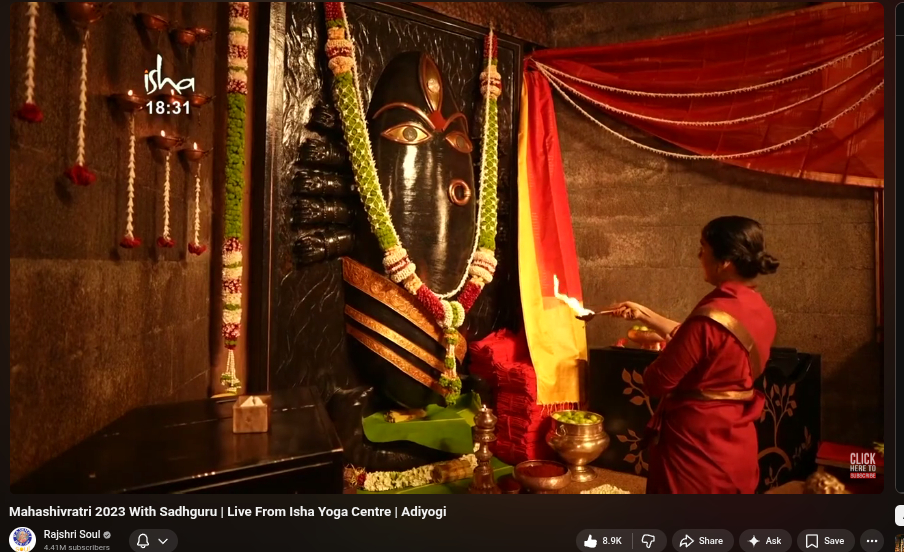
Mahashivratri ceremony with Sadhguru at Isha Yoga Center [2023][2024]*
Centrality of the Shiva symbol. (MahaShivratri seals)
HYPOTHESIS: Shiva is the primary theme of Indus Script seals
First, it was observed that numerous Indus Script seals feature the god Shiva. Numerous artificats depict his form as Pashupatinath, lord of animals, surrounded by tigers, bulls, elephants, and forest beasts. As Adiyogi, the first yogi, Shiva is shown seated in lotus posture. This research uncovered that tiger seals commemorate MahaShivratri, the high holy night of Shiva. Since the god Shiva was the focus, it was hypothesized that the Indus script was oriented to religious and spiritual subjects.
The hypothesis that #342 represents Shiva and that Indus inscriptions refer to Hindu religious subjects and legends has great predictive and explanatory power. Shiva implies paraphrenalia, weapons, vehicle, and exploits, as well as corollary deities and their associated iconography and legends.
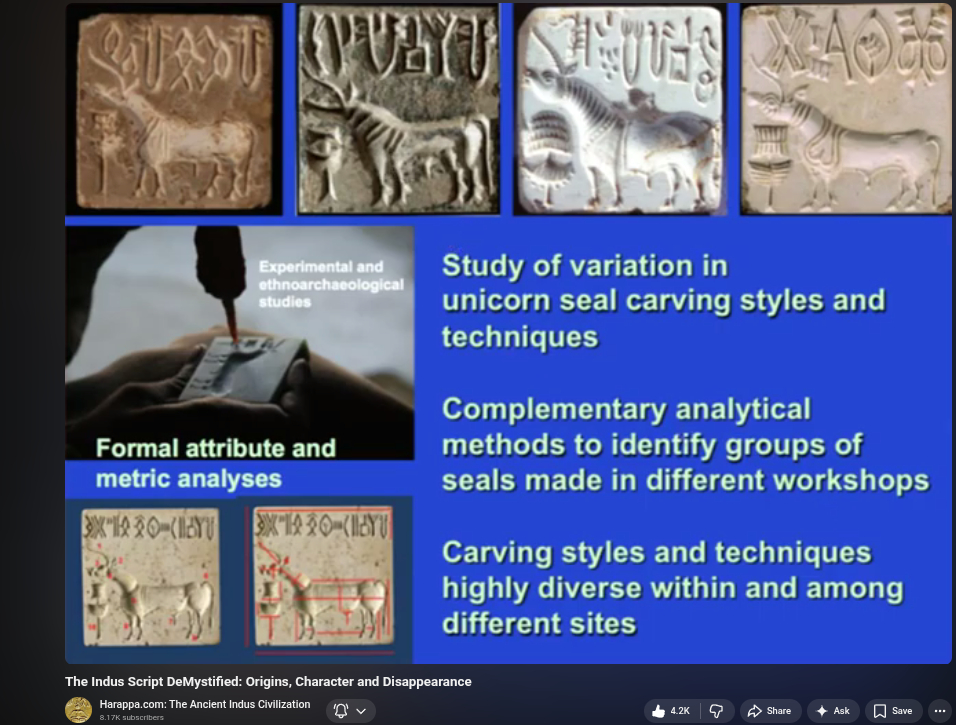
Seals are ranked. Those with both sacred animals and with expert proportions (not forshortened) such as M-1 are most authoratative. Some seals are not native tradition.
2. STUDY HINDU LITERATURE AND PHILOSOPHY. IDENTIFY ICONOGRAPHIC MOTIFS OF THE PURANAS. CORRELATE WITH INDUS SCRIPT SYMBOLS
To decode the language, it was necessary to study the culture. Decoding the symbols required initiation, a prerequisite backround in Hindu wisdom, mythology, and lore. (For instance a three-legged man appeared which is absolutely unique and unmistakable. How often do you encounter a 3-legged man? The reader was expected to know the Ardhanarishwara story, or it was a conceptual prompt for a trained story-teller. A somewhat sexist sage named Bhringi would only worship the god Shiva, but stubbornly excluded Shiva's wife goddess Parvati. The couple even tried fusing their bodies together, but the sage turned into a bee and bored through the shared navel, only worshipping Shiva's half of the body. Angered, Parvati cursed him to lose his flesh and blood inherited from his mother and only have masculine traits, his nerves and bones. He became a skeleton with three legs.) The Puranas and Hindu lore were examined and key motifs identified. These motifs were matched to the 417 Indus glyphs classified by Mahadevan 1977. The glyphs, organized by Hindu legend, creates a systematic matrix of association and interpret Indus inscriptions at the thematic level, transforming the disparate collection into a coherent, classified body of thought.
3. DETERMINE READING DIRECTION and DEDUCE SYMBOLISM FROM CORRELATION PATTERNS
The reading direction of the Indus script is determined despite the challenge of some seals are being a negative, reversed image and sealings being positive. Assymetric letters have a distinct front and back. Direction may start on left, right, or zig-zag in bostrophodon format, as the ox plows, setting up a subtle metaphor of spiritual earth harvesting agriculture. This study adopts the conventions of Egyptian hieroglyphs, reading into the faces of gods and living animals, and into the backs of skeletons or dead animals. The seals with beasts are given the most authority as reference to the directionality of assymetrical charaters. The animals have symbolism related to the yanas (vehicles) of various deities. A bull is Nandi, the mount of Shiva. The hybrid elephant-bull-lion-horse Yaali is the mount of Budh (planet Mercury), an emblem of wisdom. A unicorn may encode Indian alchemy and Amrita, which ancient Harappans might have believed were embued with blessings for health. Glyph #342, the most common in the Indus corpus, a jar with horizontal bars, was identified as a tilak, the forehead mark of Shiva devotees. Connecting to other Shiva signs such as the #162 trishul (trident) helped to progress the decryption.
4. DECODE: IDENTIFY GRAMMAR AND MESSAGES
Grammatical devices, conjunctions, plurals, and danda punctuation were identified. Short utterances such as, OM nama Shivaya, Mahadeva, and Adiyogi were detected. The expectation is that longer formulas are symbolic mantras for contemplation, and can spell or symbolize the names of gods, sages, and places of pilgrimmage bearing spiritual blessing as prasad.
5. ANALYZE STATISTICS OF GLYPH CORRELATION GROUPS
Statistical compliance with predictions and associations is evaluated. SHIVA and related compounds dominate the most frequent combinations in Indus seals. Develop heuristics relating diagnostic glyphs to particular legends and codify as a program for interpreting Indus inscriptions.
Statistical Analysis
Results
There are 417 Indus script glyphs cataloged by Mahadevan (1977). The most frequent glyph, #342, appears 1362 times, which is 10% of the corpus of 13,372 characters. This glyph is hypothesized to represent the forehead mark (tilak) worn by devotees of the god Shiva. This glyph also dominates the most frequent pairs, appearing in 5 of the top 10 most frequent pair combinations. Corroborating the Shiva hypothesis, emblems of the god, such as his wife Sati, trident (trishul weapon), and crescent moon crown, his destructive power, and Mount Kailash abode are depicted in the top 10 most frequent pairs.
328: Deva, god. Tilak forehead mark. Vessel (of spiritual alchemy). Lyre/Harp. 89: Three stroke count Legend: SHIVA: the god with three eyes. (Deva mark plus four strokes refers to Vishnu, the god with 4 arms.)
89 338
124
5TH MOST FREQUENT PAIR
342: SHIVA. 48: Skeleton. Burnt corpse of Shiva's wife Sati * Puni Devati. Karakal Amiar. Handstand skeleton woman #48.3
342: SHIVA. 149: Explosion. BOOM! Destruction. Strike. Blast. Target obliterated Mind-blowing expansion of realization. Transformation. Explosive revelation. Threshold, gateway, transition, cross, bridge. Exception. Loophole in invincibility boon. Anomaly. Logic value: Nya. No/yes/sortof Realm of ghost paradox fluid counterfactual Mercurial reflections ||| Maya. Normal rules don't apply: not day, not night, not in, not out (Narasimha). Psychopomp enabling souls to X cross between realms. Infinite light. Cosmic axis. Junction. Gateway. Exit. Off-road of standards and expectations. Jyotirlinga site
M-1097: Vishnu's boar avatar which dug low to find end of Jyotirlinga. Mountain glyph Mn. Reversed nM nama, I bow. And double eye, big ring for base of horn moutain, small ring for peak. Other wise signifying OO, two looked, neither found the end of infinite Jyotirlinga.
READING DIRECTION OF THE INDUS SCRIPT: Like a miniature temple, the seal can be placed with the deity or living being facing right or east to establish a consistent orientation reference. The reading direction is then right to left like the sun rises, towards the face of a deity or living being (head to tail). Conversely, the symbol sequence is towards the back of a dead (or disgraced) being -- a skeleton with a protruding spine, or upside-down dead bird (Hamsa - How Brahma lost his 5th head legend. He turned into a bird and was beheaded for lying). The directionality of
individual asymmetrical glyphs is determined from authority pieces with expertly proportioned votive animals or deities
depicted. In the absence of reference deities, the orientation of known characters can be used to deduce the orientation of other characters or text. This method is developed from Egyptian hieroglyphs, which are read towards the face of deities which can be facing in various directions in monuments, such as in symmetrical arrangements flanking both sides of a doorway.
Sharp grass used as magical sword * and purifier. Shiva humbles arrogant gods with the deceptively non-gentle weapon. Cross-kingdom conjunction: grass substrate plus silicate sharp blade embedded. Linga. Va boar dusk, swallowing throat, plant with sharp spine. OM (@) conch. mane gem diamond <>. padme lotus flower of englightenment rising from muck Y. Hum =[']= first tone =V=
INTERPRETATION - Symbols reference the Jyotirlinga legend. How Brahma lost his 5th head. Brahma argued with Vishnu over which was the greatest. Suddenly an immense pillar of light appeared. They agreed whoever found the end of the mysterious apparition would worship the other. Brahma turned into a swan a flew upward, Vishnu assumed his boar avatar and dug downward. They searched for aeons with no luck. Meeting again, Vishnu truthfully confessed he failed, but Brahma lied and said he found the top. Shiva emerged in a rage from the pillar and cut off Brahma's egotistical 5th head.
Read towards the face of the bull unicorn, right to left. 1. All-seeing, evil-destroying eye of Shiva emerges from the infinite Jyotirlinga pillar. Symbol for searching high and low. 2. Dead bird of Brahma, beheaded for lying about finding the top of the infinite pillar of light. 3. Tirtha temple, a jyotirlinga site. 4. Symbol for boar tusk, the Vishnu Varaha avatar. Symbol for flesh cut off with knife. 5. Symbol for negation, coming out, cut off.
ALCHEMY step: PURIFICATION. Unicorns and cow-lick (water, salts, minerals, mushroom formula complex, insect repellent, fountain grass and water basin) standards represent alchemy -- the production of soma for enlightenment and immortality.
This step represents purification - cut off the surplus head causing lying and ego. A spiritual token for health blessing and wisdom with a strong dose of moral instruction. Learn from Brahma. Tell the truth, don't lie! * Honey is alchemy. Nu pot. Sphinx. Beer. Sekhmet. Mead. Butter (photosynthesis of grass, cow milk, souring, separation, churning, drying etc. Butter represents enlightenment, alchemical end-products) Alchemy being a synergistic confluence from various realms, an ensemble collaboration of nature which produces a unique result on a different plane which has energetic momentum for producing new productive phenomena. New profound music, Alchemy, Adventure and Love being prime reasons for Existence. Water bearer can represent chemical balances for getting the right proportions for glazes etc. Kiln. Spoon. U vessel. () union. E sifting. '/' division. Fire. Water etc. Calendar for letting ingredients cure, sit in earth for year, half year etc. Ink dry * Hammering homogenizes the nanoparticles of gold and pearl, fragrance, binder. Hard wood ash.
MITZRAIM GIANT
Great Pyramid in Arab Legends. Misraim (Egypt) was a giantwho lived 700 years. (Al-Maqrizi, Ancient Sites Girl). Ancient traditions of Judaism, Islam, India, and China can fit together like a puzzle and answer questions. Note the butter churn, tripod, leaf, and folding stool motifs referenced in Indus script. Unicorn is an alchemy symbol. Tiger possibly agressive acid (also confrontational force in self-alchemy) Giants were so big a camel could only carry half of one of their oranges! ; )
REPETITION / Danda sticks. Swallowing, speaking, eating, digging. (mouth with " quote ditto marks hum tracks / action )
REPETITION / Danda sticks, shloka verse
||/
93
REPETITION / Danda sticks, rhythm
| //
94
Use for toponyms per Asko Parpola theory. * * harappa.com
94
||3|| Demarcation used to number label Sanskrit verses
94
2026-3-28
Seal M-314 illustrates the use of double quote mark as verb indicator for (#391 #99) shining, churning; (#179) plowing, and mating () |||, and birthing () |||. This is a marriage and fertility talisman.
Celeste Claire Horner (2024) determined the reading direction of Indus Glyphs. She applied the convention of Egyptian hieroglyphs, which can also be approached from two directions when placed symmetrically on either side of a doorway or moumental inscription. The rule is to read towards the face of a god, man, or living being.
In Indus script writing, there is an interesting twist. The front and back reading direction is opposite when the glyph represents a being which is dead (the skeleton corpse of Sati, glyph #48) or disgraced (the dead and disgraced bird avatar of Brahma, glyph #51, found guilty of cheating and lying during the Jyotirlinga incident. Brahma was decapitated (lost one of 5 heads) as punishment).
The front face of assymetrical characters is determined when they are placed on seals with divine animals. Investigation will show that the letter placement is consistent. The front faces of glyphs will always be the same relative to each other. A single asymmetrical glyph can help determine the reading direction of an inscription without a reference animal.
Of the 417 Mahadevan glyphs, 166 are (~40%) assymetrical and require a front and back to be identified.
Notice the protruding element of glyph #402 faces the front, the same side as the nose of the divine unicorn, in the examples below.
BANYAN Tree leaf and Markandaya survived a Pralaya cosmic theatre shutdown/renovation/memory-consolidation while Vishnu was sleeping and protecting!! King of Trees. Trancendental. *
*
ALPHABETIC ASSIGNMENTS OF THIS STUDY * agree with S Sati skelton, B above (p mat hieroglyph, connects to Shiva's tiger mat, his base root chakra, energy mastering lower passions. Vishnu floats on water, Shiva sits in fire!). TBA ABKDMSTV etc.
A
AmAm, An, Manu
A Ananta Endless
Ajna / Agni fire drill (butter churn) ignites enlightenment
BBr Brahma spelled with hamsa swan and manthan butter churn House of Braham Bra ham an? 2026-6-23
C Soma. Crescent moon bears setting sun
D Dawn sun borne by crescent moon
D Deva
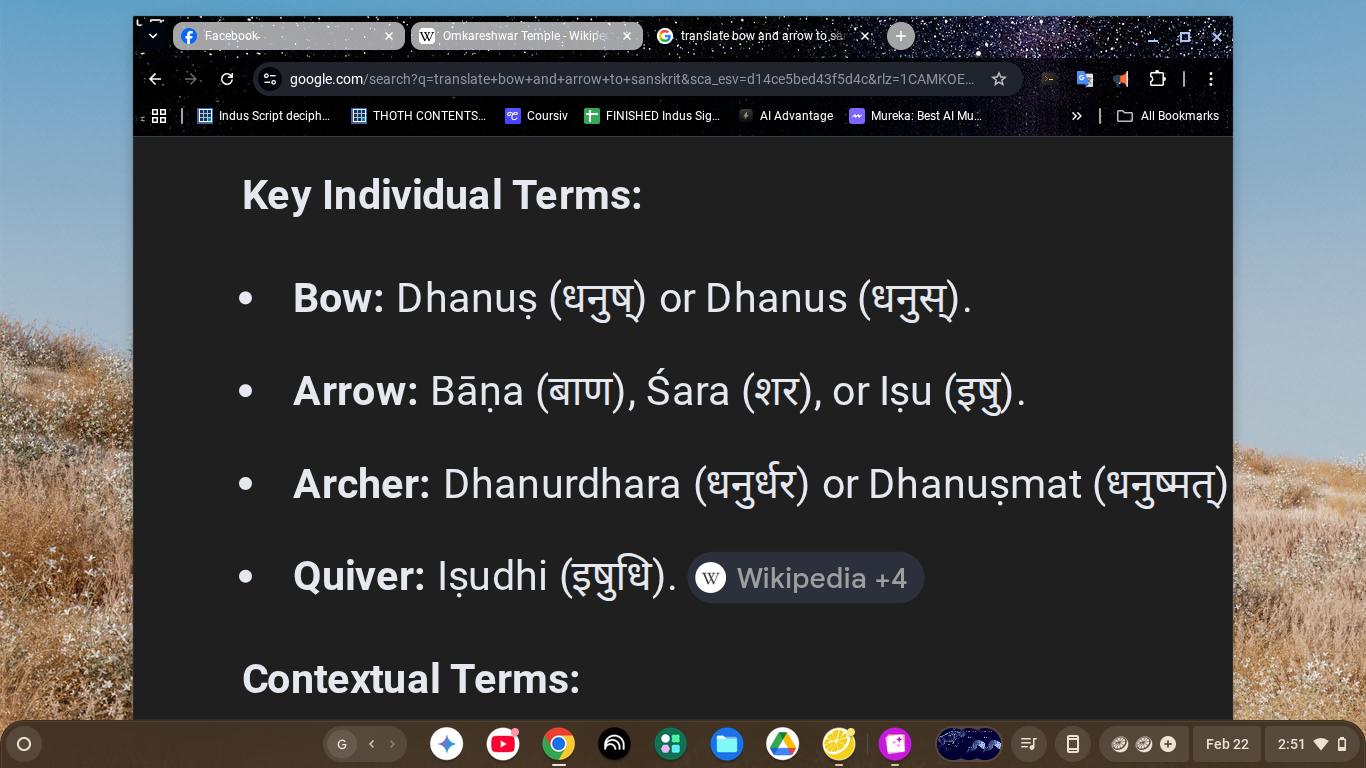
D Dhanu धनु , Bow and arrow
D Dve dual Danda (repeat) da da give add
Hm Ham Hamsa, swan dead bird swan avatar of beheaded 5-head Brahma
H Hari Vishnu, the upholder
ProtoSinaitic heh, Egyptian eternal, ka
J JL jala net, jail, Jyotirlinga spiritual release Divine revelation as gates open
K Kalkut poison Halahala enemy Asura X kh
src="INDUS/99.jpg" height=100>
updated 2026-8-3, 2026-7-1
M Manu Muni
M Manthan
M Mn / Nm Mountain, give out nama, I bow Agastya Mountain bow down
N number 9 nava JL jalax net, nome gate bricks navagraha planet chart; knowledge 18 Puranas
N not, negative, né out
P pada foot Y '/ Pashupati noose loop steps
Pa Yajna / Pashu Padma lotus Pashupati
S / SHIVA Siva
T to, top, height, heaven, arrow (Sumerian, ti) divine
TR THREE TRA TRI
V Varaha
Y Yajna / Pashu
Y / Ti >AND yoke together, Yoga, yoni, UNION conjunction PLURAL, VERB active, payee / object
#TODO: ADD mace gada, conch shanka, (lotus padma, noose pashu). Sum = auspicious, good. Kha = water or space.
The Sanskrit word for the sacred conch shell is Śaṅkha (शंख), often pronounced shankh. Etymologically, it is derived from śum (auspicious or good) and kha (water or space), poetically signifying a shell that holds sacred wateater FB Ministry of
Ministry of Culture (Gemini reference 2026-8-11
#293, Moon may also be OM, the crown of the Sanskrit OM symbol, ark, salvation, sun rising in the palm of the moon / time, alchemy, other symbolisms
Kannada word for people jannaru. (Meta: J emerge, generated, project. Gen people generation. Aru originL)
vana - forest. va leaf. branch. Sanskrit n, connect to nama Y shape upside down
vayu - air, life, breath. Vishnu, Varaha (massive boar with tusk which lifts Earth out of the bottom of the ocean)
2026-5-30
\
"a" POINT zero none void
"a" slash zero none void
divided, separated from
ADVAITA NON-DUAL United \ "a" without apart divide || two, division
DUAL, 2 द्वे dve
Jyotirlinga pillar of light
DEVA god Brahma
Shiva nirguna no qualities, blank god fish
DEVA 4-arm Vishnu
DEVA Shiva 3rd eye
Brahma, horizontal crack, hatched golden egg
TA Sumerian "ti" arrow, life. Chinese: 天 (Tiān, "Heaven @at up ad to great Mahahaute, highdedicated toO Great!
META / ADAMIC / based on natural geometry: (M mountain. T tree. W water waves of sea)
Dj D cloud jab lightning project rain, evaporation. Dieu. D land mound. D clouds = sky lands, mounds.
Base 4: 0123
ADAM (first man) = adi (first) + AM (person). ADAM (with/out woman) = A (no) DAMSEL. MD maiden. MD madam. No help mate / meet.
MADAM = MA (mate, mother, mama) AM (person). AM (person). DAME: D bread maker. D breast udder nurse dawn D hand. m hand. help (give a hand) mate.
GARDEN: GR guard, enclosure, Asgard. DEN D land. enclosed d. n kernel, seed. ne birth. Fruitful productive.
G Gut, Gums, lingua, language (tongue) Gobble Gourmet Goute (taste). estomago, DiGestion. Gestation. Genesis. Girth. Generation. PreGnancy. Gyn. FoGo fire devours
GARDEN: ENCLOSURE of FERTILE LAND.
EDEN: E house of DN fertile land, GARDEN.
G: natural geometry, circular enclosure with open gate.
BET DWARKA Bet house. Dw dieu gods. AR first. K kindred, descendents, sons of god. Ka Egyptian soul. ARKA first. House of the first gods.
ARAMaic + AR (original, 2 (ar, Chinese), AM people). Nothing until duality, so 2 is first. Meed divide, division, sculpting, some barrier, forbidden. All required unless forbidden, omni spec.
ARARAT: AR (first) AR (two pair) AT (height, peak). Dawn. A above arrow up. R sun rays raise RAJA: RA=sun RA=rays J project
PARVATI: PR (house) PA (father) AR (height, mountain) VA valley. Ti (ta-land) Y feminine, yoga union? A masculine? i little family multiply fa father m mother and il little ones. PR AVA Ti PARVA ti P AR VA T AV arising and descending T together
EVE: E (house) VE (living, love)
AKKADIAN EKA first DI days, deities AN heaven ACCUEIL DI welcome the day. Dawn of Life
NEBUCHADNEZZAR: NEB lord. EKAD first. NE born. ZAR czar prince. CHAD = EKAD 1st. AKKAD
PURAM: pr (house) am (people, person)
EDEN: E (house) DN (lord, dynasty, Don, Madonna)
D dawn. n canopy of night. no, negative. negro black sky, interior, under ground sun. GR guard, in enclosure for night, like sheep.
D deity, god, lord.
URDU = UR (great) + D deity.
TAMIL NADU = TA (land) ML (sweet, melange, mul multitude stars) N (ne born) DU (gods)
DUDU (god of gods) Mesopotamian kings inc https://en.wikipedia.org/wiki/Lugal-kinishe-dudu
Shang Di (high god) Chinese DOMAIN DUTY D hand, lord, god, Dawn, DUR hard, strong
INDRA: IN (lord, I one, n center, n born noble Baal lord). DR thunder, cloud, rain. Lord of Storms
ENKI (Lord of ki=Earth) Ocean O ki an, ring encircling earth, the land. Inka.
Mesopotamian king DUDU
DUKE = DU (gods) Kin
Royal WE: V + V ensemble embrace, two life. Brain lateralization, bilateral brain
Z9 𓏴
𓃳 𓁡 E28A, NL, NU Egyptian nome hieroglyphs 𓌙 T14 throw stick
Indus glyph animal key? Manger means animal is tamed, domesticated
Testing 2026-5-27: #245 Concordance entry. Field kshetra क्षेत्र (kṣetra) , plowed fields, districts, irrigated quarters, agricultural land (compare Egyptian nomes), Indra's net jala, or the net representing the haul from the Churning of the Ocean of Milk. Nine: Navagraha 9 planet astrological chart. Region, area, realm, loka domain. Gates. The primary Sanskrit word for gate or door is द्वार (dvāra) or द्वारम् (dvāram)$$
For a more specific meaning, you can use गोपुर (gopura) for a grand, monumental city or temple gate, or तोरण (toraṇa) for an ornate archway or decorative gateway. This glyph associated with Vishnu's two gate-keepers in the Curse of the Kumaras, and with Churning of Ocean. Also appears with Jyotirlinga legend, where Brahma searches heaven *domain* and Vishnu searches underworld *domain*, digging with his Varaha boar tusk. Wings and Tusks differentiate heavenly vs demon realms. Also resembles a batch of bricks, * brick molds or cut stone (compare hieroglyphs). As rectangle, could be B or p mat. Sumerian throne: kingdom, realm, domain. A lot of Sumerian writing was administrative and legal, keeping track of tracts of land, so a symbol for land borders would be likely. Brick house Graha planet house guarded House with many chambers. Gyn. Gastric cow 4 chamber stomach. 4 Vedas.i 4 pillars of heaven. Re-Find the Indus buffalo seal design with heart, stomach, and loin. Tracts of surveyed lands, royal land grants, irrigated lands, city districts, land plots. Books, structured knowledge, the 18 Puranas. Indus cities were built on grid patterns.
chi upside down ankh, childbirth, head and arms of baby, giving life. Here also the churning action of Shesha wrapped around mount Mandara
Yajnadevam 2026-5-24 Theory: Indus script evolved into Brahmi.
Conjunction: S Sati, skeleton. B/P mat hieroglyph, more possible F, n, o, i....A
ALPHABETIC ASSIGNMENTS OF THIS STUDY * agree with S Sati skelton, B above (p mat hieroglyph, connects to Shiva's tiger mat, his base root chakra, energy mastering lower passions. Vishnu floats on water, Shiva sits in fire!). TBA ABKDMSTV etc.
Alphabetic Interpretation of the Dholavira Sign
Dholavira had a stadium for 10,000 people. This sign invited people to enter to be entertained and edified! The sign was located by the north gate to the city, and the gypsum would have glowed at night. Perhaps there were dramatic evening firelight performances and gatherings. North has the significance of permanence and infinity since it is the location of the north star which doesn't set. (The north shaft of Egyptian pyramids enabled the souls of the pharaohs to joing the imperishable stars). By fire light, an amazing oratory, magic and spectacle would take place with actors, circus, costumes, strong men, heavenly beauties, adventure, romance, humor, and musicians, with audience invited to sing songs of spiritual import. An attraction drawing attendance of thousands. A marvel. Clever engineering effects. A social occasion, time to pass on traditions, meet, feast, celebrate. Flags, food, flowers, perfumes, market. Special Night. Perhaps they would all look at the stars and be told the lore of heaven related to the planets of the occasion. The greatest show on earth.
Dholavira Theatre entrance: 𒀭 Heaven Maker's Truth. Listen and learn
Star and hammer: Heaven's maker Star and hammer: light maker
Star and gavel / double-sided axe: judgement TRUTH
Star and hammer: hard painful truth. Dual truth. Duala Birth of Truth. Mountain of Truth. Mine of Truth. Verdad (*)
D dawn deity. HOL holistic whole. VRA vera truth. Turning wheel, sky of stars turning
VL wheel and hammmmer VL DD VER turning DD hammer TRUTH
(*) () X i (*). Light Dark Tranformation spark (candle in dark lights others) Light again. Cosmic Theatre
(*)k Light claw. Light keeper
Dholavira sign: to the auditorium. Parse at two vowels together, or two consonants repeated.
AD to; VERA turn, towards; VERA Truth. VA go
AD VrA OXIA AK
AD VERA OCCIA AK - TO TRUTH HEARD TOGETHER. Hear stories and wisdom.
Alpha Omega X AXΩ
verbs ending with wheel, imperative, exhortative. Va - go. oxia - listen.
Star hammer, heaven creator, God's truth VrA
AD VA OCCIO ACC Ad va, to go, Entrance of auditorium. Ad (to - ad infinitm) va (go) Occio (hear, sea) ACC assembly auditorium stadium, assembled seats
AD TRA OXIA AK - ENTER, SEE TOGETHER
AD VERA OXIA AK - TO TRUTH, LISTEN and LEARN 5 wheels, puzzle, (*) meanings hidden, circle star
A D VerA OCCIA AK - To True Deity Lord God listen and learn
A D VerA OCCIA AK - To Heaven's Maker, listen and learn
A D VerA OCCIA AK - The Truth of Heaven's Maker: listen and learn
A D VerA OCCIA AK - Heaven's Maker Truth. Hear spirit now
(Akh, Egyptian Akh effective power, spirit n of Aten sun, light keeper) now (clamp spinning wheel, stop time, instant)
4 wheels make the cart: (*) male, (*) seed, ()(*) child, (*) mother
The auditorium would be a place to hear sages tell memorized oral traditions, stories and wisdom. Theatre. Worship. Celebration
A
1. A light, star, god, heaven = An (Sumerian). (Wheel, chakra) Ring=an
2. Drum Damaru (Shiva's instrument, beats cosmic time rhythm). Hammer, creation.
3. Vriksha tree. (Tree of good and evil, magic herb) Penetration to the heart of, Know, light; inseminate light, seed light.
5. Open mouth, voice, song, poetry, story
6. X exchange, listen
7. I self, idea
8. light, enlightenment
10. claws, calipers, scorpion, poison. Tongs, Grab something hot! (*) Hot coal, metallurgy metaphor
DEEP TIME & INTER-CULTURE CONNECTIONS. Rings of Rama legend. Mammoth. Sacred ammonite. prior to Pole Starlevel earth Geological evidence of deep ocean churning due to Mars orbit resonance *
Shiva with slope-back mammoth and stiped cave lion. Indra had multi-trunk exotic elephant Airavata, possible reference to 4 tusk Gomphothere. Zoo 2600 B.C, 10.5KBC equinox table
(Parusha Vishwarupa Vishnu divided man map. illustrates cosmic drama has repeated innumerable times. Multiples suns, and shave off energy makes astra weapons. (Pashpati with a mammoth (sloped back, Brahminic cranial top-knot *), wooly rhino, (Sun god Surya cavorts with wife as Lascaux horse sacred time) and sitting on striped cave lion. Primitive fern conifer motifs. Satya Yuga preceded trees and flowering plants -- pre-Cretaceous. Island India steady-state climate - never rained state, etc. Precession of Equinoxes and pole stars. Brahama swan Cygnus. Crash of Continents creates storms, time of Indra. Saraswati drying time marker, etc). Prithu levels land for agriculture. Pashupati free and tethered animals. Charioteer Vishnu Krishna Auriga Demigods and Heros mythological age. Kali Yuga Age of Man. Shiva precides. Kalki, Maitreya. Hanuman=Brahma, Bali=Indra next. Quantum physics. Star maps. Major seals interpreted with mythological context. Decapitated head, not sacrifice, spiritual awakening. Divine Dramatic Mystery Play on repeat with humor, mis-step devices, balance with demons taking over all 3 worlds sometimes, learning lessons. Connections to pre-Dynastic Egypt. Repeated cyclical Time reveals unexpected relationship between free-will and destiny as events can play differently in different versions. Born of Brahma's big toe in one cycle, of his mind in another...
(Min. Cackler goose egg, Nagas, ST, Osiris (Indus glyph #160, with flail). Amun. Amenti. Narmer and Wash=Oesho? Narayana Vishnu and Shiva resonance? (Bactrian gold coins) =Isha=predynastic Shivaites? #190 4 pillars of heaven hieroglyph. House pr. Fertility, immortality, alchemy, unicorn, rabbit, linga, Mantra. Nilkanth, Nu pot, Nile blue. Narmer, Narayana. Mr. Wer - great. Ishwara. Ideographic languages - ProtoSinatic, Chinese, pictographic phase of Sumerian. Min: star. Manu. Wadjet mirrors unicorn tree. Amun, Min Egypt. Proto-Dravidian: *nīr (water).
HP 4500. #173 Dashavatar sceptre. #143 swastika cycle of Yugas. #89 3 strokes. Dashavatar (10 avatars of Vishnu). Cycle of Time. 3rd avatar. Satya Yuga. Varaha, the boar. Tretayuga: Vamana Parasharama Rama. DV: Krisha, Balarama. Heuristic program Javascript to diagnose inscriptions. Tongue out, Indra defeats demon to release rivers. Vamana's heaven step cracks the sky to release Ganga, fist stage.
Dragon key: serpent + deer (legs and horns) + lion grasping 4 suns of solar cycle. Out of mouth is Man, flames. Fire dragon + water dragon. Shiva + Vishnu. " || complementarity, duality = projection child creation. Uranus Air Gaia EArth). Sphinx (Shiva/fierce female Durga on lion/Inanana, Astarte). Sphinx and Vetala pose riddles in liminal zone. 1000 heads (avatars), 1000 arms (forces, activities).
DIAGNOSTIC signs with high probability connection to specific legends. LONG PASSAGE INTERPRETATION.
DEEPER MEANING glyphs. Interpretation Javascript program.
CROSS-CULTURE CONNNECTIONS. Pr house. Y heaven pillar. Mr hoe/plow. Chinese knife, hand, and lid radicals. Shiva, Pashupati = Pan & Min? Gupta. Egypt? Bali 𓋍 Soma = Sm3? Tug-of-war interaction which binds the living system. Egyptian churning with Seth and Horus consonant with Churning of the Ocean of Milk with cooperation of antagonist Asuras and Devas. X Lion rider Sphinx Ishtar Inana Durga. Athena, Diana. Shakti. Lakshmi Maya
Gupta Egypt E house Gy Gaia Earth Pt Heaven Ta land Aa great TA tongue Earth land terrain. MIL mel sweet. Mouth, langue tongue land. Ta head tete top. Ma manus hand middle. Leg ankle L low. Complete. Ma mouth lay la tongue y yield forth. Mot (death, word) Palavra MR Amr (deathless, love) Meta-linguistics Tai Tian Ti arrow Ta big Chinese Sumerian Di god, lord Shang Di. Bengal Ben B breast, belly n ne born - son. gal great. En gal An D En / An heaven. gal great. D deity, lord. Reconstruction: Genesis - the whole world was of one speech and one language.
QUESTIONS: Have you noticed any structural similarities or overlapping iconographies between the Indus characters and early proto-cuneiform or proto-Elamite signs in your research so far? Role of most common glyphs. Egyptian, Cuneiform, Elamite, Chinese, Arabic V seven Siva.
Z9 𓏴, Z10 𓏵 hieroglyph destroy, cross-over.
Pr house, Hieroglyph 08 mansion, house, great house. 𓉟 temple hwt, hwt '3t great house hwt at.
Mr harrow plow U6 𓌺 U7 𓌻.
Hieroglyph Q3 𓊪 p mat, stool, seat.
Phonetic complements.
Towards the face reading direction used in hieroglyphs.
ARCHAEOLOGY. Indicates casual domestic use, private spiritual practice. Steatite Unicorn seal, c 2300 B.C. found in street debris inside city call. Indicates ephemeral use, common use, continuous use, like spiritual batteries holding blessing charge, ubiquitous. Like a prize in a cereal box, like a magazine, schoolbook, it could become part of a purchased item and become a common householder's library for spiritual practice or contemplation, like a spiritual magazine. Protective amulet. Baked into bread and revealed as a divinatory message. Memory aide distributed at public recitations of Puranas. Home instruction for children. Divination. Mark of being sanctioned by a priest. Mark of being imported from a spiritually blessed pilgrimmage site. Tokens to be included on domestic altars. Tapasya. Riverside site map * Earliest Harappa settlers 3300 BC **House with pottery and "broken necklaces, bone and stone tools, spindle whorls and bangles made of marine shell as well as of terra cotta". Sacred waters and plants? pottery pattern? ** Intersecting circles, Fish-scales (god glyph), Pipal leaf motifs common. *
Kenoyer, JM and Meadow, RH. Inscribed objects from Harappa excavations. Corpus of Indus Seals and Inscriptions. volume 3
Suwa (Siva?) was a god worshipped duuring times of Noah according to the Quran. Siwa. prophet of Ammon consulted by Alexander the Great. Sah god in Egypt.
The Bible verse where God says to no longer call Him "Baal" (or Baali/my master) is Hosea 2:16. In this passage, God promises a restored relationship with Israel where they will call Him Ishi (my husband) instead of Baali (my master/Baal), removing the association with idolatry.
GOD IS ONE: Three-sided prism amulets illustrate the three faces of Trimurti, yet unity of god
3 sided prism and 2-sided fish show one god with multiple faces. The river is one, yet it has two banks. See god reflected everywhere. Teaches empathy for all.
Harappa.com Three sided prism tablets cleverly employs geometry to construct a physical metaphor potentially representing the three-in-one god Trimurti, a fusion of Shiva, Vishnu, and Brahma. SHIVA: water-bearer (Ganga) and ||| three strokes or trishul. VISHNU: V tilak and |||| four strokes for four arms. Third side with 4-head Brahma, 3-head trimurti, or temple #267 symbol. Unicorn seal represents the legend of the two gatekeepers of Vishnu who were cursed to have three human lifetimes for being rude to the Kumara sages, who looked like children even though ancient. Larger figure: Shiva, the keeper of balance, water-bearer (Swallowed Ocean of Milk poison and is shock-absorber for Ganga river falling from heaven). Could be used as divination or calculation devices, counting sticks with faces being multipliers or special operations etc. Calendar markers for holy festivals or cooking / fermentation operations etc. Game pieces like checkers with possibility of promotion by turning to highest face.
4-sided prism Sumerian king's list. Hole through the center for rotation. intro translation Lugal ||| armband heaven, sky and earth power. circle harmony of thought and deed, Priest King? 2026-5-5 fields glyph**
Vishnu - the height. Fish eyebrow represents the sun at the ceiling of the sky. Like Egyptian Ra, sun at noon. The height of perfection. Shiva shows sun at sunset. Gills of fish show solar barque about to descend into the underworld, over which Shiva presides and defends to produce the glorious golden dawn at the end of a perilous journey. Book of the Dead. Favorable reincarnation or release from cycle. Shiva would be Atum, tomb of the Midnight Sun, and Amun Re (One Light of Dawn). 4 stations of the sun needed to be reborn, for each instant of Time to be sustainable and lead to the next. Same *) OM crown, solar barque symbol at different angles gives different meaning. The whole cycle #391. The chakra, the wheel of Samsara.
Fish are symbols of immortality, eternity because they can live in the primordial waters and they never close their eyes.
Library: Horse (ashwini, god of wisdom) + House. Literate. Tablet collectors to built merit. Economy of sacred merits, travel, pilgrimmage, support shrine network. Individual gets education. Women, children domestic and public oratory stadium. Like the Dohlavira sign. Go gather, hear the great sage. Occasion with music, mixing, markets etc. Flags, food. House of horse. stables also?
three-sided tablets (clever representation of Trimurti! Three gods in one). Water-bearer Shiva, four-armed Vishnu, and temple (house sign) III of the Trimurti. Throw sticks or votive items? Calculation sticks? Debris behind curtain wall. Harappa 1997 tablets also Trimurti markings.
Scanning electron microscope study. Production in kiln at 1000 degrees C to harden steatite, would have taken two days to reach the temperature
Eviction from the Garden of Eden. Indus script seal interpretation by Celeste Horner 2026-7-19. Three stripes represent three beings expelled from the Garden of Eden for eating the forbiddden apple: Adam, Eve, and the serpent. Above the apple is a square perimeter with two objects, the two mystical trees of the the garden or the heads of Adam and Eve. Elsewhere in the Indus script, this represents the back of an Indus seal, the boss which is perforated for a hanging string. A face-down seal may embody something secret or not yet revealed. This symbol also represents Shiva's third eye of judgement and destruction. Three whirling flaming swords held by two angels bar their return. Top left is a pipal leaf representing the Tree of Knowledge.
Behind it lurks a worm of temptation, or perhaps a crescent moon symbolizing secret knowledge. An ibex is associated with wisdom god Ea, and represents the animals of the garden. The diamond-like glyph at bottom right represents the Elixir of Immortality, and also appears in the Hindu Churning of the Ocean of Milk legend.
Tree of Life Banyan tree
Tree of Knowledge Good and Evil
Tug of War Good and Evil
And
Apple two bites taken core. Egg origin
Cherubim two bows guardian
Cherubim armed
Apple core Origin
bow
bow and arrow
Evil eye destruction hammer seal
Three condemned: Adam, Eve Serpent
Amrita immortality Life
River of Life flowing out of Eden
Amrita Key to Life
Adam's footprint, Sri Lanka. Islamic tradition.
Universe inside you Narada legend - sweet voice of Hanuman melts stone.
In the eastern side of Pradan city where there is a a big God-given forest, which is 16 square yojanas in size. The man named Adama was staying there under a Papa-Vriksha or a sinful tree and was eager to see his wife Havyavati. The Kali purusha quickly came there assuming the form of a serpent. He cheated them and they disobeyed Lord Vishnu. The husband ate the forbidden fruit of the sinful tree. They lived by eating air with the leaves called udumbara. ((Lord Shiva is associated with nakedness through the title Digambara (sky-clad or nude)). After they had sons and all of them became mlecchas. Adama's duration of life was nine-hundred and thirty years. He offered oblations with fruits and went to heaven with his wife. His son was named Sveta-nama, and he lived nine-hundred and twelve years. Sveta-nama's son was Anuta, who rulled one-hundred years less than his father. His son Kinasa rulled as much as his grandfather. His son Malahalla ruled eight-hundred ninety five years. His son Virada rulled 160 years. His son Hamuka was devoted to Lord Vishnu, and offering oblations of fruits he achieved salvation. He ruled 365 years and went to heaven with the same body being engaged in mleccha-dharma.
Tree of the Knowledge of Good and Evil (#327) with a tug-of-war (struggle with temptation) rope. This is also a
reference to the Churning of the Ocean of Milk legend. Indus glyph #254 tug-of-war sysmbol represents the back and forth churning action with god and demons pulling on opposite sides on a rope which was the giant serpent Shesha. In that legend, good (Amrita immortality elixir) and evil (Halahala poison) were merged into one and needed to be separated, and the toxic aspect processed, before the precious treasure output could be received. All are allegories of a universal process of alchemy. Seals address the most profound questions of existence: What's it all about? Why are we here? Why is there good and evil in the world? What is the goal of it all? We face the challenges of duality in order to emerge from the grip of death in to transcendent glory, having transformed the lead of life into gold, eternal and sustainable.
Pashupati, lord of animals, god of nature. Potentially a Garden of Eden scene. Deity is in center, animals surround. The woman at top left is Eve, and the man between the mammoth / elephant and tiger is Adam. In center, above the deity head, something is split or broken open, a broken covenant, revealing twin sparks. The #99 symbol means AND, union. The divided sheaf is Deva division, also the Shiva symbol tilak forehead mark. Below the seat of Pashupati, there are twin ibex (symbols of wisdom god, Enki) facing away from each other. This scene represents a rupture. Elephant / mammoth of fortune, obstacle removal, properity is facing away. The tiger of passion is attacking. The bull of strength is aligned.
Top right: woman with marriage knots / pasha nooses. Center: God crown is bow and axe. Breasts and gathering basket. Separation. Cleaving of a single sheaf of grass. Seeds. Twin sparks of duality. (woman taken from man, couple banished from Eden). Unity and duality. Woman, man, god, animals. Right: man, Adam. (Scene also doubles of broken-heart mourning of Shiva for Sati).
Glyph #205 the devils horn. Drinking horn with which Shiva drank the poison from the Ocean of Milk. Adam and Eve - horn into Adam's ear, he listened to poison advice which which caused him to eat the forbidden apple and lose his immortality. Corner chipped off seal mirrors bite taken out of forbidden apple.
Shiva's crown is a paradox. It is both nurturing and menacing. Shiva shows meditative calm, but his head dress is
a giant bow and axe. His seat is a double axe - labrys. Consciousnessness, cutting through illusion, non-attachment. Yet there are
gentle deer (Pralaya survivors) below the mercy seat. (Story of all life left behind in order to tell secrets to Parvati, but deer were found under meditation seat who heard all the cosmic secrets). The crown likewise traces the ample curves of nurturing breasts, and a harvest basket in center, but also an axe and bow weapon. Adam and Eve, having transgressed are exiled from the fruitful bounty of the garden. They have gotten the axe -- their spiritual immortal lifespring died and they started aging. They were forced to face tough discipline and hardship for the first time in the outer world. Usually deer are the animals - but these are ibex, the icon animal of Ea, god of wisdom. Adam and Eve have become wise to good and evil.
Eve with a cup of poison. Adam with an ear-full of evil from a devil horn. Lord with a broken heart. SPLIT wide open, perennial twin spark revealed. Cosmic binding force bringing all back together eventually.
HAND deed noose "pasha" palm peechangai left hand (Tamil)
POISON ANGER ENEMY "(nava)pashana"
HEART marriage "pati" PASHA (noose, binding tie the knot)
LORD PATI AND "ii" union broken PAIR PashuPATI
GREAT GOD MAHADEV wide =V= Shiva big divide
god deva fish sign=god GOD OF GODS
ORIGIN Narrow =V= Shiva Origin annihilation
DEMON HORN MAN drinking poison Shiva halahala Adam listening to evil next to ear glyph #205 poison horn vs. amrita conch
Garden of Eden story from the Bible? Book of Genesis in the Indus script?
APPLE WITH TWO BITES. CCH 2026-3-31 speculation:
The world's oldest account of the Garden of Eden story from the Bible's Book of Genesis may be on an Indus seal from 2500 - 2000 BC. The potential Garden of Eden scene is on Chanhudaro** Indus seal. In the center, there is a tree or apple core. The concave sides of the apple look like two bites have been taken.
Tree of the Knowledge of Good and Evil (#327) with a tug-of-war (struggle with temptation) rope. This is also a
reference to the Churning of the Ocean of Milk legend. Indus glyph #254 tug-of-war sysmbol represents the back and forth churning action with god and demons pulling on opposite sides on a rope which was the giant serpent Shesha. In that legend, good (Amrita immortality elixir) and evil (Halahala poison) were merged into one and needed to be separated, and the toxic aspect processed, before the precious treasure output could be received. All are allegories of a universal process of alchemy. Seals address the most profound questions of existence: What's it all about? Why are we here? Why is there good and evil in the world? What is the goal of it all? We face the challenges of duality in order to emerge from the grip of death in to transcendent glory, having transformed the lead of life into gold, eternal and sustainable. Image: Seal C-61A, Chanhu-daro. Corpus of Indus Seals and Inscriptions, v 3.2. Asko Parpola, editor. (2011). p 111
Eden: Centerpiece is the core of the forbidden apple. Two bites have been taken. The shape also doubles as the entire Banyan Tree of Life. The air-roots of the cosmic tree reach down to bring life to earth. They are like pillars of the sky. The rest of the scene forms a circle around the Tree of Life. Cherubim are armed with bow and arrow. The River of Life flows from the base of the Tree of Life. The wishing gem icon of Amrita, the Elixir of Life is at bottom right. The three strikes \\\ indicate that three are destroyed: Adam, Eve, and the Serpent. The vertical pupil evil eye banishes and destroys. It is also the back side, the boss of a seal. The ibex, a symbol of wisdom god Ea, looks on. At top right is the Tree of Knowledge of Good and Evil, with a Bodhi leaf (pipal) and a Moon of mystery, or worm, or serpent of temptation.
A large antelope may represent the beasts brought to Adam. The ibex is an emblem of the god of wisdom, Enki / Ea, and therefore connects to the serpent of wisdom in the Garden of Eden. In front is a fierce guard with two bows. Genesis 3:24: Cherubim with flaming sword which turns every way guards way to the tree of Life.
The symbolism of the Tree of the Knowledge of Good and Evil is multi-faceted. The heart-shaped pipal or Bodhi tree leaf represents illumuniation. The leaf is crowned with a curious shape which couches various meanings. First, we may see a cresent moon representing night and mystery. The crescent may also be devil's horns. The crescent may also represent a serpent of temptation or worm of decay. The crescent is divided into two halves. On the left there are rodent's teeth, which symbolize insidious evil which invades, infects, and consumes resources like grain. This represents evil. On the other side, perhaps the crescent represents dawn and sunrise, hope and goodness.
"So he drove out the man; and he placed at the east of the garden of Eden cherubim, and a flaming sword which turned every way, to guard the way of the tree of life"
Amish Tripathi Hindu philosophy does acknowledge the risks of knowledge, but still tells us to go for it. Hindus wouldn't be told don't eat that apple. Instead we would be told, go for the entire freaking tree, but get prepared first so that you can handle that knowledge.
Brahmini blind snake. All female, parthenogenic. Worm-like serpent. Satan described as dragon, serpent, and worm.
Oracle bone divination regarding flood
Live Science
Tree of Life Banyan tree
Tree of Knowledge Good and Evil
Tug of War Good and Evil
And
Apple two bites taken core. Egg origin
Cherubim two bows guardian
Cherubim armed
Apple core Origin
bow
bow and arrow
Evil eye destruction hammer seal
Three condemned: Adam, Eve Serpent
Amrita immortality Life
River of Life flowing out of Eden
Amrita Key to Life
Tree of the Knowledge of Good and Evil (#327) with a tug-of-war (struggle with temptation) rope. This is also a
reference to the Churning of the Ocean of Milk legend. Indus glyph #254 tug-of-war sysmbol represents the back and forth churning action with god and demons pulling on opposite sides on a rope which was the giant serpent Shesha. In that legend, good (Amrita immortality elixir) and evil (Halahala poison) were merged into one and needed to be separated, and the toxic aspect processed, before the precious treasure output could be received. All are allegories of a universal process of alchemy. Seals address the most profound questions of existence: What's it all about? Why are we here? Why is there good and evil in the world? What is the goal of it all? We face the challenges of duality in order to emerge from the grip of death in to transcendent glory, having transformed the lead of life into gold, eternal and sustainable. Image: Corpus of Indus Seals and Inscriptions, v 3.2. Asko Parpola, editor. (2011). p 111
Chinese sign for forbidden based on two trees (Knowledge and Life) of the Garden of Eden,
as are desire, and tempter.
E house. Dniper. Danube. Don. D-N river. River of life flowed out of Eden
Last. Origin. Divine creation. and 7 days (suns)
Indusscript.in concordance #194. Mind born. Fire. Sage, 7 days. Adam Eve. Destroying 3rd eye. Tree of Knowledge of Good and Evil.
#194 also oven, kiln, furnace, yajna fire, guarded gate. Mind-born sons of Brahma sages. Angel. Sons of God
Reconstructing First Language
EDEN = House of the Lord. E = house (Sumerian). DEN = lord, don, dynasty.
EVE = House of Life. E = house. Vi = viva, life.
ADAM = First of Man. ADI = first (Sanskrit). AM = man.
ADAM = No Woman, no wife until Eve separated. A = no. DAM = woman, damsel, dame.
CAIN = KIN, kinder child, son. Con, with. Ka In, soul of Lord? King?
ABEL = A = alpha, first, no. BEL = Baal, lord. iB heart. EL God.
Kalibangan-Bronze-River-House-tirtha.jpg. Eden or House of Sage (Vajra from his bones)
Tower of Babel
Corpus of Indus Seals and Inscriptions, v 3.2, Parpola, editor. p 113
Tower of Babel in Indus Script God destroyed tower, (All people) are dispersed (flow out)
BOOK OF JASHER describes a people with similarities to the Indus Valley Civilization:
UNIFIED PEOPLE
DEVOTED TO SACRED IMAGES
WERE ENGINEERS / BUILT A TOWER.
THEY WERE BRICK-MAKERS
DISPERSED / ABANDONED URBANISM
DISPERSED UNDER MYSTERIOUS CIRCUMSTANCES
Although this story is supposed to apply to lands of Mesopotamia, the Indus civilization and the
pyramid-building Egyptians were contemporary, and all experienced civilization upheaval and cessation of
massive building around the 4.2 kiloyear event around 2200 B.C.
1 And Haran, the son of Terah, Abram's oldest brother, took a wife in those days.
2 Haran was thirty-nine years old when he took her; and the wife of Haran conceived and bare a son, and he called his name Lot.
3 And she conceived again and bare a daughter, and she called her name Milca; and she again conceived and bare a daughter, and she called her name Sarai.
4 Haran was forty-two years old when he begat Sarai, which was in the tenth year of the life of Abram; and in those days Abram and his mother and nurse went out from the cave, as the king and his subjects had forgotten the affair of Abram.
5 And when Abram came out from the cave, he went to Noah and his son Shem, and he remained with them to learn the instruction of the Lord and his ways, and no man knew where Abram was, and Abram served Noah and Shem his son for a long time.
Abraham and Noah were contemporaries
6 And Abram was in Noah's house thirty-nine years, and Abram knew the Lord from three years old, and he went in the ways of the Lord until the day of his death, as Noah and his son Shem had taught him; and all the sons of the earth in those days greatly transgressed against the Lord, and they rebelled against him and they served other gods, and they forgot the Lord who had created them in the earth; and the inhabitants of the earth made unto themselves, at that time, every man his god; gods of wood and stone which could neither speak, hear, nor deliver, and the sons of men served them and they became their gods.
Tower builders worshipped sacred images made of wood and stone
7 And the king and all his servants, and Terah with all his household were then the first of those that served gods of wood and stone.
20
8 And Terah had twelve gods of large size, made of wood and stone, after the twelve months of the year, and he served each one monthly, and every month Terah would bring his meat offering and drink offering to his gods; thus did Terah all the days.
9 And all that generation were wicked in the sight of the Lord, and they thus made every man his god, but they forsook the Lord who had created them.
10 And there was not a man found in those days in the whole earth, who knew the Lord (for they served each man his own God) except Noah and his household, and all those who were under his counsel knew the Lord in those days.
11 And Abram the son of Terah was waxing great in those days in the house of Noah, and no man knew it, and the Lord was with him.
12 And the Lord gave Abram an understanding heart, and he knew all the works of that generation were vain, and that all their gods were vain and were of no avail.
13 And Abram saw the sun shining upon the earth, and Abram said unto himself Surely now this sun that shines upon the earth is God, and him will I serve.
14 And Abram served the sun in that day and he prayed to him, and when evening came the sun set as usual, and Abram said within himself, Surely this cannot be God?
15 And Abram still continued to speak within himself, Who is he who made the heavens and the earth? who created upon earth? where is he?
16 And night darkened over him, and he lifted up his eyes toward the west, north, south, and east, and he saw that the sun had vanished from the earth, and the day became dark.
17 And Abram saw the stars and moon before him, and he said, Surely this is the God who created the whole earth as well as man, and behold these his servants are gods around him: and Abram served the moon and prayed to it all that night.
18 And in the morning when it was light and the sun shone upon the earth as usual, Abram saw all the things that the Lord God had made upon earth.
19 And Abram said unto himself Surely these are not gods that made the earth and all mankind, but these are the servants of God, and Abram remained in the house of Noah and there knew the Lord and his ways' and he served the Lord all the days of his life, and all that generation forgot the Lord, and served other gods of wood and stone, and rebelled all their days.
20 And king Nimrod reigned securely, and all the earth was under his control, and all the earth was of one tongue and words of union.
The people were One. They built a tower to heaven
21 And all the princes of Nimrod and his great men took counsel together; Phut, Mitzraim, Cush and Canaan with their families, and they said to each other, Come let us build ourselves a city and in it a strong tower, and its top reaching heaven, and we will make ourselves famed, so that we may reign upon the whole world, in order that the evil of our enemies may cease from us, that we may reign mightily over them, and that we may not become scattered over the earth on account of their wars.
22 And they all went before the king, and they told the king these words, and the king agreed with them in this affair, and he did so.
23 And all the families assembled consisting of about six hundred thousand men, and they went to seek an extensive piece of ground to build the city and the tower, and they sought in the whole earth and they found none like one valley at the east of the land of Shinar, about two days' walk, and they journeyed there and they dwelt there.
They built with brick
24 And they began to make bricks and burn fires to build the city and the tower that they had imagined to complete.
25 And the building of the tower was unto them a transgression and a sin, and they began to build it, and whilst they were building against the Lord God of heaven, they imagined in their hearts to war against him and to ascend into heaven.
26 And all these people and all the families divided themselves in three parts; the first said We will ascend into heaven and fight against him; the second said, We will ascend to heaven and place our own gods there and serve them; and the third part said, We will ascend to heaven and smite him with bows and spears; and God knew all their works and all their evil thoughts, and he saw the city and the tower which they were building.
The tower was so tall, it took a year to climb
They cried over broken bricks, but didn't care if a man died
27 And when they were building they built themselves a great city and a very high and strong tower; and on account of its height the mortar and bricks did not reach the builders in their ascent to it, until those who went up had completed a full year, and after that, they reached to the builders and gave them the mortar and the bricks; thus was it done daily.
28 And behold these ascended and others descended the whole day; and if a brick should fall from their hands and get broken, they would all weep over it, and if a man fell and died, none of them would look at him.
They shot arrows into heaven, making war on God
29 And the Lord knew their thoughts, and it came to pass when they were building they cast the arrows toward the heavens, and all the arrows fell upon them filled with blood, and when they saw them they said to each other, Surely we have slain all those that are in heaven.
30 For this was from the Lord in order to cause them to err, and in order; to destroy them from off the face of the ground.
31 And they built the tower and the city, and they did this thing daily until many days and years were elapsed.
God strikes back. Confusion of Tongues
32 And God said to the seventy angels who stood foremost before him, to those who were near to him, saying, Come let us descend and confuse their tongues, that one man shall not understand the language of his neighbor, and they did so unto them.
33 And from that day following, they forgot each man his neighbor's tongue, and they could not understand to speak in one tongue, and when the builder took from the hands of his neighbor lime or stone which he did not order, the builder would cast it away and throw it upon his neighbor, that he would die.
34 And they did so many days, and they killed many of them in this manner.
35 And the Lord smote the three divisions that were there, and he punished them according to their works and designs; those who said, We will ascend to heaven and serve our gods, became like apes and elephants; and those who said, We will smite the heaven with arrows, the Lord killed them, one man through the hand of his neighbor; and the third division of those who said, We will ascend to heaven and fight against him, the Lord scattered them throughout the earth.
36 And those who were left amongst them, when they knew and understood the evil which was coming upon them, they forsook the building, and they also became scattered upon the face of the whole earth.37 And they ceased building the city and the tower; therefore he called that place Babel, for there the Lord confounded the Language of the whole earth; behold it was at the east of the land of Shinar.
Tower top burned, the bottom was swallowed by earth
38 And as to the tower which the sons of men built, the earth opened its mouth and swallowed up one third part thereof, and a fire also descended from heaven and burned another third, and the other third is left to this day, and it is of that part which was aloft, and its circumference is three days' walk.
39 And many of the sons of men died in that tower, a people without number.
Tower size calculations. Base 36 miles (58 km) across
Height 365 miles. Karman line, edge of space 62 miles (100km).
Aerodynamic lift no longer supports aircraft. Space Station 250 miles (402 km) Space elevator dimensions, but that is a hung from above tensile structure, not tower
Tower of Babel in Indus Script God destroyed tower, (All people) are dispersed (flow out)
Head Tower
Brahma's 5th head ego, pride
Destruction armed god
outflow
Visualization of Mohenjodaro mound at night aligned with the Milky Way. C. Horner 2026-7-11, pixlr AI
Visualization of a Moon set Shiva linga ceremony on the sacred mound of Mohenjodaro. Based on Harappa.com image. Celeste Horner 2026-7-10. Pixlr AI.
Bible account describes that in old times people worshipped on high places, at sacred pillars, offering incense and sacrifices, worshipping the sun, moon, and all the hosts of heaven (1 Kings 14:23)
Hypothesis: The mysterious decline of the Indus Valley Civilization coincided
with the 4.2 kiloyear drought event which also devastated the Akkadian empire of Naram Sim. It was
remembered in legend as the Tower of Babel Event, where the Divinity destroyed the tower due to human
pride, and to the drying of the river of goddess Saraswati due to
the disgrace and beheading of her husband Brahma for ego-motivated lie in the Jyotirlinga tower incident.
Tower of Babel in Indus Script God destroyed tower, (All people) are dispersed (flow out)
Head Tower
Brahma's 5th head ego, pride
Destruction armed god
outflow
Come, let us make bricks, and build a tower that reaches to the heavens
TOWER Brahma 5th head pride
NOTHING zero obliterated
The Tamil graffiti was the last gasp of the Indus culture. After the tower disaster and
drying of the Saraswati. Message scratched by an Indus diaspora survivor who knew the script.
Insightful compositions. Spiraling unicorn horn represented the tower to heaven with its spiraling access ramp. CCH 2026-8-11
Unicorn horn represents the Tower of Babel, whose height pierces Heaven. Curved ramp walkway. Legends say 3 days journey to the top. Other character is a Raja crown. The third Indus symbol is glyph #0 (identified by Celeste Horner), which represents nothing and oblivion. The tower was destroyed by the gods to punish human pride.
Naram Sim (grandson of Sargon), king of Akkad. First king to call himself a god, wear the horned crown, and claim an empire which stretched from
sea to sea. After him, there was environmental change, drying, the 4.2 kiloyear event and a dark age.
Hypothesis: What happened to the Indus Valley Civilization? The mysterious end of the Indus Valley Civilization was contemporaneous with the 2200 B.C. 4.2 kiloyear event, remembered in legend as the Tower of Babel event. The people were dispersed due to climate change and language confusion. This led to observered to deurbanization, and loss of understandinng of the written language. Migration to Ganges valley from Indus. Indus script records it as divine judgement for human hubris. Naram Sin god aspirations might concur, as Genesis 11. Naram Sin's empire was invaded by the "dog-like" Gutians. 2026-7-11
Apocryphal scripture reports. Took three days to deliver bricks to the top. If bricks fell, the crew wept, If a man fell and died, no one said anything. When the confusion of languages occured there were more accidents and fights. Project abandoned. #TODO find ref. This famous sentiment comes from classical Jewish rabbinic commentary—specifically the Midrash (such as Midrash Tanchuma, Noah 18) and later expansions like the Book of Jasher. See also Book of Jubilees.
Visualization of Mohenjodaro mound at night aligned with the Milky Way. C. Horner 2026-7-11, pixlr AI
Come, let us make bricks, and build a tower that reaches to the heavens
Knowledge of Genesis stories, the Garden of Eden, the Flood, and the Tower of Babel are embedded in Chinese characters.
Representations of Genesis stories also appear in the Indus Script.
Lubdaka and Tiger, echos the theme though unrelated. Holographic, types and shadows. Fruit, two, hand, Shiva=not, va vore eat, big hand with fruit, tree with spines
Genesis 11. New International Version. The people were united. Indus seals emphasize unity thinking. The people lived east of Eden, which was in the Persian Gulf region, perhaps in the Indus valley. They baked bricks, another correlation with the Indus culture.
Teposiris Magna tower. Lighthouse of Alexandria replica. Wisdom symbol
Corpus of Indus Seals and Inscriptions, v 3.2, Parpola, editor. p 113
Tower of Babel in Indus Script God destroyed tower, (All people) are dispersed (flow out)
Tower of Babel in Indus Script God destroyed tower, (All people) are dispersed (flow out)
Head Tower
Brahma's 5th head ego, pride
Destruction armed god
outflow
Building of the tower is being portrayed as an act of hubris (Brahma's 5th head tower) which God trampled down (Foot). The () unity of the people was dispersed and parted '/ , divided Y. Foot also possibly evokes Wing of Watcher. 2026-6-27
Wing Brahma swan. Ego head. Angel. PATR father. Pada steps, lord. Damaru. Tri three. 5 Pancha. Foot Pada. Head Ego.
Mahadev, nama (I bow). Third eye.
Destruction of Tower of Babel: Erect Tower. Destruction and division to 4 corners of the world. Toppled tower. Mountain. 2026-6-27
Legend of Haic, a builder of the Tower of Babel from Armenia
Tower of Babel in Indus Script God destroyed tower, (All people) are dispersed (flow out)
Foot of Shiva Tandava, destruction
Head Tower
Steps Division \ negation '
Brahma's 5th head ego, pride
Union Sound, thunder Damaru drum
Trident Heaven pillar division tree
1800 BC comet impact, Derinkuyu form subterranean retreat? Katharine Fischer dissertation Bruno Meissner (1927) JS-4 lament tablet, Jenna university collection. Second Intermediate Period Egypt disruptor?
#133: Like cosmic lotus growing from the navel of Vishnu. It becomes the seat and birth of Brahma. The tower was like a space elevator with a long tether to outer-space, means to climb to heaven. Struck down with great destruction. Earth station tethered to orbiting platform, tension allows it to act as pillar. Seed cable is dropped from orbit, then reinforcements hoisted from Earth. If Lotus grows from Vishnu, he is underwater, and Brahma floats on next layer of reality? 2026-5-9
BOOK OF JASHER: Tower of Babel three days walk at the base, one year to ascend. The builders saught to attack the residents of heaven.
SHIVA MATH. Tuning fork tilak nodes. Shiva = V. V/0 = 1. Wavelength is the whole. V/1 = 2, one node, two sections. V/2 = 3, two nodes, two divisions, 3 sections. V/3 = 4. Three dividers, 4 parts. V/0: universal Shiva, void. V/1: Shiva linga, Shiva solo, unity. V/2: Shiva and Shakti pair, balance. V/3: Mode 3 is destroyer. 2026-5-9
Destroyer bow is actually a sunset with angle of incidence. Yuga delimiter between Satya and Treta.
TODO: Shiva tuning symbols and head thought mode glyphs
Etemenanki. E Te men an ki E house. Ti arrow. men establish, build, Egyptian. an heaven. ki earth. Tower of Babel
Unicorn horn: direction, pro / pra. Also: a, not. Linga. Tower. Amrita. Life, Focus, wisdom.
Legend of 3 days walk to the top of the tower of Babel. Same distance as Karmen line, edge of 62 miles above earth, edge of space.
Decapitation of ego pervasive theme. Brahma's 5th head glyph (#198) represents the Tower of Babel. Implies the builders of the tower were acting out of overweening pride. However, legends also say gods sabotage the legitimate progress of men. Indra got jealous and distracted sages whose penance was too effective at gaining spiritual power. The gods like Brahma and Indra allow their names to be used as object lessons and appear imperfect to make a didactic point in a dramatic way so that the lesson will be remembered.
The horn also represents Vishnu's boar avatar, in which he lifted the whole Earth on his tusks, rescuing it after a demon buried it in the muddy bottom of the Cosmic Ocean.
Having good behavior, wisdom, qualities like a brahmana and worship of God, these things are called mleccha-dharma. The great souls have declared that the dharma of the mleccha is devotion to God, worship of fire, nonviolence, austerity and control of the senses. The son of Hamuka was Matocchila. He ruled for 970 years. His son Lomaka ruled 777 years and went to heaven. His son Nyuha (Noah) ruled for 500 years. He had three sons named Sima, Sama and Bhava. Nyuha was a devotee of Lord Vishnu.
Once the Lord appeared in his dream and said: My dear Nyuha, please listen, there will be devastation on the seventh day. Therefore, you have to be very quick that you make a big boat and ride in it. O chief of the devotees, you will be celebrated as a great king”.
Then he made a strong boat which was 300 feet long, 50 feet wide and 30 feet high.
(In the Bible the Ark is described as, "Its length was 300 cubits, its width was 50 cubits, it had three stories and its height was 30 cubits.") It was beautiful and all the living entities could take shelter in it. He then himself rode in it, engaged in meditating on Lord Vishnu.
Lord Indra called the devastating cloud named Sambartaka and poured heavy rain continuously for 40 days. The whole earth, Bharat-varsa, had merged in the water and four oceans came up together. Only Visala or Badarikasrama was not submerged. There were 80,000 great transcendentalists in Visala who joined with king Nyuha and his family. All of them were saved and everything else was destroyed.
At that time all the sages praised the eternal energy of Lord Vishnu. Being pleased by the prayers of the sages, the Vishnu-maya reduced the waters of devastation. After one year gradually the earth become visible. Under the hill there is a place named Sisina and the king was situated in that place with his other people. When the water completely dried up, king Nyuha came back to his place.
Suta Goswami continued: The mleccha, king Nyuha became attached to Lord Vishnu and as a result Lord Vishnu increased his generation. Then he created a language fit for the mlecchas, unfavorable to the Vedas. He named it as brahmi-bhasha, or brahmi language, full of bad words, for increasing the degradation of Kali-yuga.
HIGH WATER LINE in the center of the seal.
THE FLOOD. CYCLES of LIFE and ORDER, and CHAOS and DESTRUCTION
Indus cylinder seal. Water line at the trees, fish above animals. Gods or giants wading in the ocean (Tartaria legend 14).
Cycles of Creation and Destruction. Tiger attack is internicine warfare like in MahaBharata, wars between gods, causes extinction and destruction, world flush. In creation, life dragons explode from the primordial waters, primordial mound. Nuwa and Fuxi serpentine mates, intertwined serpents, DNA, life.
DESTRUCTION. The fish are in water above the animals. Vulture airbombs the armored rhino. Rhino butts the water buffalo, who is receptive (tail up) but looking up, pretending to be pious, feigning ignorance, hypocritical leadership, negligence, violence environment. Waters have risen to thee tree level. God of destruction, knee deep in ocean water, performs controlled demolition, wrestling two tigers of antagonistic force, managing the collapse of all into the primordial waters. Pralaya.
RECREATION. Goddess of creation, with tree of life sprig sprouting from head. Dragons of life, burst forth out of the primordial waters. Life begins anew, emerges from the primordial waters.
Cycles of creation (Right and left edge: Dragons soaring into the air from deity of life with leaves and animal features, creative work-table or music) and destruction (center: two tigers attack deity). There are three upright fish sage deity symbols. Trimurti. Three angels of destruction at Sodom and Gomorra. Alchemy code (tiger: acid, decomposition? Dragon: Amrita production and release). Bulls looking at circles. Vulture on rhino; Death on life unicorn. Creation: separate heaven and earth, the polarities so that life has space to thrive. Age of Taurus (4000 - 2000 B.C.)? Cycles of life, creation and destruction. Wavy horn bull indicates river, waters.
Flood relates to Hindu legend of Matsya, the fish avatar of Vishnu, who saved Manu and the 7 sages from the waters.
Cycles of creation and destruction. Two tigers attacking, god wrestling, destruction. Creator god at workbench. God crowned with living plants with dragons flying up and away, Creation. 2026-5-8
Oracle bone divination regarding flood
Live Science
Shiva modes: Jar sign #342 with interior tally marks. 0 new moon, 1 waxing, 2 waning, ||| blood moon, lunar eclipse. 4: Glory of solar eclipse corona, full moon. 0 nirguna Shiva, 1 solo linga universal, 2 pair husband, 3 destroyer, 4 goddess mother and child.
Moon phases.
Indus script: mark products as prasad, blessed and sanctified by priest. Seals perhaps blessed on altar, convey spiritual merit and contribute to the web of society.
Indus script full capacity: ideograms, logograms, phonograms. Commerce, products, substances, chemistry, meteorology, astromomy, alchemy, spiritual metaphor 2026-7-8
Chinese mythology of Nuwa. She patches hole in the sky with 5 colored stones. (compare to Biblical rainbow). Gonggong water demon collapses pillar of heaven. Hand-formed people and cord people made with flung mud. Chinese character for ship has 8 people. Nuwa taught humans to make the Sheng Huang pan flute (organ? from Book of Enoch?) 7 immortals.
Blackfoot legend about the origin of languanges when people drank different colored waters. Nuwa sound like Noah! China founder drains Flood waters. Nuwa: Man is meaning, created to appreciate the world and ponder it. China: Water god Gonggong battles fire god Zhurong, wreaks havoc. Also in Greek mythology, battle between gods decimated humans and Prometheus and Epimetheus had to create them.
Last Age of Gemini (Nuwa and Fuxi in the stars) 6006 BC to 4006 B.C. Adam -4k per Usher. Shiva in India petroglyphs 10kya. Manyy cycles.
Pool of Siloam road restored in Israel. Compare to Great pool of healing legends.
wave-particle duality
See long inscription H-10: Two trees (Knowledge and Life). Armed guardian. Rain. Two churns. Two apples? Hail? Ganga flowing waters, flood. (*) Sun returns, wheel. Else a Churning reference with Tree of Life, Meru reference, rain is repeated churning, slightly weaker signal.
M-1123 Shiva water bearer, cosmic axis and 4 world pillars holding up the corners of the world. Egyptian also has heaven support pillar hieroglyph.
Marsh style tower houses with domesticated birds. Woven from reeds.
Tel Halaf pottery. Archaeo-revival *. Time to bring back these beautiful patterns to modern ceramics and textiles!
Goats climb mountain heights and lick salt nutrients. Alchemy reference. Evidence that salt-lick is the correct interpretation for the unicorn manger / feeding trough / standard. Different stages of alchemy? Bull vs unicorn? 2026-5-9 Paul. Ibex mother and kid climb sheer wall to lick dissolved salt. * Ibex heraldry: Twin ibex have climbed a mountain of mountains to reach the prize, the salt lick, life essence, wisdom.
Kushim tablet
Tower shape: kiln, brick oven, metal-smith forge, bread oven, beer vessel, head with topknot. Fermentation vessel, square flask with chimney to allow gas to escape. Cross-hatch indicates measures and numbers of ingredients. Beer alchemy.
5th head glyph: intoxication? ego, higher sight, the gem on top of the heads of certain nagas
Book of Jasher account of creation, flood, Babel. Chapter 9: three days walk around the base, one year to deliver brick to the top. Other accounts: Book of Enoch, Book of Jubilees
As above, so below. Banyan tree of Life. Apple with two bites. Brahma's Egg #303A
The ibex is an emblem of Enki, god of wisdom, the correlate of the Serpent of wisdom. The Bodhi leaf of enlightenment springs from 21 stone trianglewhich is 6 x 6 x 6. The ibex represents wisdom, the bull drinks the waters of life.
The leaf of the Bodhi tree, signifying enlightenment, Pipal tree is present. This Tree of Knowledge is superimposed on a moon crescent. The )) shape is also a mouth open for eating. Or perhaps the crescent is a worm, horns, or a serpent? There is a conjunction / and double tick sign " between the Pipal tree and the apple. There are three strokes, one for condemned Adam, Eve, and Serpent expelled from the garden, and destroying eye (or boss on reverse side of seal. The Tree of Knowledge was sealed-- face turned away. Choose fortune face down. wear as talisman around neck, clothes, wrist). Bow and arrow turned backwards towards holder.
And they said, Come let us make brick, and burn them thoroughly. And they had brick for stone, and slime had they for mortar. (Genesis 11:3)
Come, let us go down, and there confound their language, that they may not understand one another's speech. So the LORD scattered them abroad from there upon the face of all the earth: and they ceased building the city. Therefore is the name of it called Babel, because the LORD did there confound the language of all the earth. (Genesis 11:7-9)
Indus was a brick-baking culture, and their writing had a black-out and has been a lost language for millenia. They had brick for stone implies that stonework was the prevailing building material in the prior era.
Flowing water symbols seen on right. Amrita shell indicates the river of life. Genesis story. "A river went out of Eden to water the garden" Gen 2:10. Gen 3:10: they knew they were naked, and they sewed fig leaves together, and made themselves aprons. (Pipal fig leaf and crescent moon for night and private). Apple with two bites is the center piece. Get back to heaven Tower religions. Let us make bricks. (Should compare Indus brick dimensions with other regions to see if conserved) then towers knocked down, severed. Then flood. Matsya.))
GENESIS STORY IN CIRCULATION IN REGION: Ancient knowledge of Genesis also surprisingly in ancient Chinese (Bible Genesis story root of Chinese script, 2500 BC). The Indus script was contemporary with the legendary times of the Yellow Emperor and the Genesis legend. This seal may be the oldest surviving record of the Genesis story in the world, much older than Dead Sea Scrolls. The Tower of Babel may be depicted in an Indus glyph also.
Indications that the Indus Valley was the Genesis culture:
Brick-baking culture. Genesis 11:3: "Come let us make bricks"
Unity oriented (Advaita unicorn, Brahman bull, circle motifs of Priest King, egalitarian architecture)
East of Eden
Forehead marks in use
(Cain expected recognition of his forehead X
so it must have been part of the ambient culture)
Book of Enoch said India was settled after Eden by the serpent
which is known as Naga of wisdom in India
Is plain of Sinar, Sindu, Indus Valley?
'
According to Genesis 2:10-14, a single river flowed out of Eden to water the garden, where it divided into four distinct branches: the Pishon, Gihon, Hiddekel (Tigris), and Perat (Euphrates)
Indus may be the other valley referenced in Genesis. One watered by Tigris and Euphrates,
other by
In biblical times, China is believed by many scholars to be referred to as the Land of Sinim (or Eretz Sinim),
Garden of Eden depicted (Chuanhudaro, Pashpati seal)
Culture ceased abruptly
Coincides with fall of Sumer?
Language lost, dispersion patterns
Bodhi tree is the tree of Knowledge and Banyan tree with aerial roots dropping down from heaven to Earth is tree of life? (iChinese standing knife radical 刂 Falling waters for Genesis rain and Ganga to Shiva's head. Knife cuts pause in existence. The End. Rest. Restart.). Markendaya survived Pralaya floating on a Banyan tree leaf, had transcendental chat with Vishnu while waiting for Universe to reboot.
Alternatively, this may be just a representation of the realm of Indra, which would be guarded by divine warriors, where the divine trees are said to reside. But given tower (linga, infinite tower of light) culture and Chinese precedent, worth considering the Genesis perspective.
The Priest King - Unity Culture
The priest king may have been the guru or teacher in an egalitarian culture. The Indus community lay-out lacked
indications of social stratification. No palace. The garb of the Priest King employs unity motifs which are symmetrical:
the circle of his head-band and arm-band: Unity and community in thought and action. Forehead ring is thought. Ring over the bi-ceps of the right arm is strenth and action. Left hand is covered, robed, more subtle and concealed affairs, mystery, spirituality. The robe has both circles and a
symmetrical tri-folate clover-leaf design. The protruding lobes indicate inviduality, yet joined together in a circular
unity.
Clover is a valuable crop. It is nutritious forage for livestock. It crowds out weeds, attracts pollinators and honey production. Bacteria in its roots fix atmospheric nitrogen, enhancing soil fertility. (Natural alchemy) Kusha grass
SAGE ATRI. Mind born (ring over forehead) son of Brahma. Author of Veda. Encoded in robe O = A, ||| trifolate tri. Treta Yuga. 2026-7-14 CCH AT (highest) RE, highest raised, highest light. MahashivrATRI. RA TRE three lights unified primary colors make one light. Unity teaching. None One A. Tre three. Shiva.
Manasaputra, mind born son. Saptarishi, Seven Sages. Many Brahmin, Kshatriya, and Vaishya communities trace their ancestral lineage back to Sage Atri through the Atri gotra (clan system). [1]
Manasaputra, one of the 10 mind-born sons of Lord Brahma.
wife Anasuya, who is celebrated for her virtue and chastity
Penance rewarded by having Trimurti as sons. birth of Chandra (Brahma's essence), Dattatreya (Vishnu's essence), and Durvasa (Shiva's essence)
Many Brahmin, Kshatriya, and Vaishya communities trace their ancestral lineage back to Sage Atri through the Atri gotra (clan system)
Immortality sign: upright fish - rejuvenation - swimming upstream like salmon returning to spawn. Red wine polyphenols. Piceid (often misspelled peceid) is a natural stilbenoid glucoside, recognized as a major antioxidant derivative of resveratrol found in grape juices, Japanese knotweed, and red wine. It serves as a precursor to resveratrol and is used in research for its potential health benefits, including cardiovascular protection and antioxidant activity. [1, 2, 3, 4, 5]. Unity pyramid glyph with central shaft connecting all layers. Demons are early colonizers of primordial Chaos, bold, passionate, determined, brave -- foundation of pyramid. Just like stomach digestion first life. Then embody cerebral functions later. Many functions and diverse cells, one body. Up-swimming fish lead the way to spiritual growth, avatars, teachers. Inner yearning, feeling like world not their home drives them to explore and reach beyond normal habitation zones. 2026-5-4
Harappan priest king, c2000 B.C. Tri-folate shape represents Three-in-One Trimurti. Circle represents Oneness, wholeness Third eye and three leaf bilva leaves honor Shiva.
green background, red trefoils original color. Matching bangles found. Kenoyer
Puranic orator, guru, sage Dattatreya Trimurti incarnation
whole bangle Detail of terracotta bangle discovered with the same pattern: red trefoil on green background. (Possible Amanita Soma. Blood, healing herb. Three families of Man on green blue-green background of Earth, Sky, and Ocean). Image credit: Harappa.com
Robe motif: circle implies balance, symmetry, refinement, unity, infinity.
Three-lobe clover shape may represent three faces of the Trimurti,
triple, yet one. Spotted cat usually denotes chthonic priests,
underworld involvement, his face is serene, yet somber.
Vertical crack through left eye symbolic. Single eye of wisdom motif.
Straight nasal brow sculpture style divinity lineage
H. Sahota discussion * He exudes the intelligence and regal bearing needed to lead in a large area civilization such as the Indus society which demonstrated engineered streets, baths, and
drainage, regulated weights. 2026-3-29
He may be a sage which teaches the Puranic stories
orally from his prodigious memory.
The Indus Society glyphs indicate focus on Shiva which may explain egalatarian, non-materialism, lack of palaces.
In ancient times, Satya Yuga, worship done in forests, river-sides, mountains etc, natural area, not large temples. Society
may reflect these original forms.
Sayce identified Rosetta Stone from Susa for the Indus Script in 1924? A native (Indian) king added an (Indus) inscription to a cuneiform inscription? Harappa.com CCH 2024-4-21
1. SYMBOLIC LANGUAGE. Hindu mythology and lore has produced distinctive imagery such as Vishnu, a four-armed god armed with a discus; Brahma, a five-headed god, the god Shiva who holds a trident, and Bhringi, a three-legged man. These icons and more have been identified among the 417 glyphs of the Indus Script, proving that a graphical encoding is key to decipherment of the enigmatic script. Image access is important, the artist may employ an epigraphic pun or allusion to expand the meaning.
Hinduism has produced many absolutely epic legends with strikingly distinctive visual imagery and motifs: A trident-wielding destroyer god Shiva. A four-armed preserver deity, Vishnu. A five-headed god, Brahma. Bhringi, a three-legged man. Gods and demons in a tug-of-war with a mountain.
The Indus Script appears in short inscriptions. This indicates that it is a symbolic language which relies on the culture and prior knowledge of the reader. It might not be susceptible to literal specific decryption. It functions more like a mantra to be contemplated, a multi-layer candy to be savored, or a flower to bloom. It invites consideration from multiple angles and discussed with guru or seekers. It is primarily a right-brain symbolic (even potentially non-verbal, or universal language) language rather than a left-brain verbal language. It has been influenced by Sanskrit or has prototype elements but not the complexity.
HIEROGLYPHS, a sacred language for mriti remembered legends of the gods and divine personalities. Would expect it to record only sacred names and places, not for mundane economic activity (but in foreign regions the script might be adapted for secular purposes, the script has the capacity to represent words with the rebus principle). Thus inscriptions in foreign lands might provide clues to what individual icons meant, translated to a sound in the local language. This would be a script for representing sacred names, places, calendar of holy days, wisdom, and legends. It would not be for mundane or commercial use because like a mantra, the purpose would be to to keep the mind absorbed in the divine to gain moksha, release from the cycle of material bondage to the rebirth cycle. This could be an aid to ascend to higher realms by mental focus, not dwelling on material lusts, fears, and resentments. Wandering sages gave discourses, perhaps the seals were tokens that people or students could take home as a personal library, as the period of complete reliance on memorization was transitioning to more written records. (If used for commercial purposes and brands, like Churning of Ocean of Milk butter brand, Apsara perfume, and Gandarva wine, it would be a degradation, corruption but possible outside the origination zone). On the other hand, assigning priest blessed aspirational names to people and endeavors might be uplifting. Sacred names are usually closely held however (Such as secret name of Ra which Isis obtained) because they are thought to convey mystical power. It would actually be beautiful if school children revived this language, studied it, and composed poems with it which they would explain with contemplation and ingenuity and personal experience. There is ample material for new emojis for the digital age: #48 hunched skeleton in dispair for depression and angst, #16 for working hard turning mountains and doing the impossible, #244 gaping tiger mouth and #176 endless sign for talking too much.
EMOJIS for TODAY: Churning the ocean, teamwork, working hard. Egotistical blockhead. EEEEE endless something. Fetal position skeleton, feeling sad and alone. POISON, enemy, anger, annoyance. Evil eye and ash urn. Kama valentines hearts. Amrita wishing gem. Lakshmi blessings, luck, abundance.
Ancient Purana authors demonstrated that they appreciated wit and humor and the spicy drama of life.
GRAMMAR: Simple grammar: #99 AND/PLURAL; #97 SINGLE / NOT / OUT OF. The language was decoded with reference to Egyptian hieroglyphs (pr house and mr hoe) and Chinese symbols (knife and right hand radical). " VERB, repeater, intensifier #99. #93, #94 Danda stick shloka repeat marks. * Danda sticks enclose titles and shloka numbers. Associated with Damaru drum repeated rhythms of Time created by Shiva.
2. PURANIC LEGEND KEY. Legends from the Puranas are the key to decoding the script. Some icons are very specific, distinct and unmistakable such as gods and demons pulling either side of a mountain in the Churning of the Ocean of Milk, or a three-legged man in the Ardhanarishwara legend. There is a default reading direction indicated by the orientation of non-symmetrical characters as they appear with high quality authority seals with animals or deities.
Aquarius - ruled by Uranus, the coming golden ages of Aquarius and Capricorn. (Lord suffered decapitation / castration / broken horn (Ganesh) theme. Osiris, Shiva, Mandara, Brahma). Capricorn - fish goat, wisdom god, bearded motif (sphinx), mountain climber - ruled by Shani Saturn.
#245 18 Puranas + sage and walking stick = sage who teaches Puranas and travels. Sage Narada. School, ashram, arena. Disciples gather. Tell us the Puranas. Please recite!
DIAGNOSTIC GLYPHS: Churning #16, Trishul #162: Shiva 8, #48 Sati 6, Churning 7, Fifth-Head 7 Dead bird: Fifth-head 9, Churning 7. #180 Shiva hair: Churning 8. Shiva 5. #198 Brahma head: Fifth-head 8 #130: Peak and valley. Fifth-head: 9, Churning: 8. #133 /\/\ #150 X Closed X vs open X Pralaya, flood, core water Absu. #372: Trimurti. Brahma lotus born. Shiva 3rd eye in pillar. Vishnu upholder.
CURRENCY AND ECONOMIC USE. Deity signs combined with number strokes or pictorial inscriptions with tiers of complexity may have served different denominations money or redeemable receipts of goods which could be converted to goods or services elsewhere. A contemporary analog is potentially the ivory tag of King Dan of Egypt. It has a royal scene on one side and sandals on the other. Perhaps this is a a receipt for goods received from a sandal maker. It could also serve as a license or authentication token, in this case identifying the king's sandal bearer. Evidence of a tag with a commodity such as grain or ceramics would be needed for definitive identification.
Ivory tag of Egyptian king Dan, with sandal icon on reverse. 2985 B.C. British Museum
ADVANCED UNITY TEACHINGS: Modes of unified duality. Differentiated expansions of the One. Don't be fooled by manifold appearance, all is one. Vesica piscis. Resonance " || =V=. Nesting. Entanglement. Co-trapped Diatomic elements confined by net. Cooper pairs of superconductivity. Consciousness as an entangled harmonic loop state of matter. Mirror || Vesica () Cross X. Marriage. Team right hand radicals connected by knot. Pasha, noose. Expansion like umbrella or cobra hood from single axis revealing parallel existences. Convergence V Alignment ||. Pashpati demonstrates meditative prowess by splitting grass (the one thing hard and sharp enough to split anything else in the universe) with his mind to reveal a primordial loop or twin spark. Shiva emerges from pillar, Vishnu Narasimha emerges from pillar demonstrating omnipresence. Threaded single eye them. Shukracarya in the teapot. Let thine eye be single. One eye Odin. Linga. Eye of consciousness which threads through all worlds like a finger wears a stack of rings. Bull: the great work of alchemy within duality. Unicorn: The singular, perfected result. COSMIC AXIS allegory: Hunter Shiva and Arjuna both shot a boar, one through mouth, and Shiva though the opposite pole. Aperature *, also heaven and star. Bullseye through the center. I see only the eye, said the archery student whose focused concentration on the target animal was perfect. Would have split each other's arrows V motif. Shukracarya thru eye, hiding in teapot spout of Bali. AXIS UNITY Ardhanarishwara male female. PN pan all. Standard / unicorn manger: The life-preserving ark. Boat water vessel + sail air catcher + unicorn directional guidance 2026-4-8-- cosmic axis reflections: staff, fingers etc HIEROS GAMOS sacred marriage. UNITY: Rose bud #269 and thorn #402, one plant. (Medicinal properties of roses mentioned in Rig Veda) Priest king robe = trifolate design - three lobes, still one circular path. " target=top>Ishta Ishtar, beloved and sacrificed. Babel language family split Ish IX: I one, pillar, top to bottom connection, bridge. X disperse, shatter, radiate. Sacrificed SCRF - CR core heart = SRFC surface, suffer SFR. Left black skin, white eye, right white face black eye, spots. owl man, Artemis far moon. Two face moon, back side thick, near side hot with radioactives which enabled mares. Integrity.
Past (goat), Present (bull), and Future (unicorn) PRA/towards. One Time. Indus seal on sacred conch shell from Dwarka
COMMERCIAL USE: Lothal. Elephant symbol of wealth, Lakshmi, no obstacles, abundance. Gold ratti. (7 stroke count). Shiva volume. Sealings. signatures. organization stamps. Authentication. Remote banking credits transfers 6 side seal 5 | cosmic axis V divine abode pr temple Shiva. Mn Kailash
DIVINATION: Auspicious pull. After prayer at temple retrieve random seal from large selection, using string tied to boss. Divine approval, auspicious Vs. Opposition, conflict, caution tug-of-war etc
ZEN KOANS, PUZZLES to awaken insight, seeds for contemplation
CHEMICAL NOTATION. Lakshmi gold, copper (Have not found Surya references in corpus very frequently). Shiva arsenic or mercury. Metals, herbs, grains, elements, processes like heating, distillation, incineration, filtering
ALPHABETIC: MANTRA. AHIMSA, BRAHMAN, OM NAMA SHIVAYA, ADIYOGI
QUESTIONS: Who were they? What did they call themselves? Who was king or ruler? What did they believe? What language did they speak? What were their values? Unity, balance, honesty, humility. Perspective why evil in world, how adversary may be a friend (Kumara). Non-obvious insights. tug-of-war with evil, adversary, oppositional forces of life, of self. fabric impression signature, receipt. I was here, registered, guest book of sacred space, pilgrimmage token, pledge, prayer
CRYPTOGRAPHY LESSONS: Transcription vs notation (Steve Bonta). Different approaches for secular (more transparent, amenable) vs esoteric (more symbolic). Levels: Congruent, amenable. Surface pattern will lead to solution. Encrypted. Level 3: Internal domain knowledge needed. Domestic intel. This is that case. Cultural context is prereq to decoding. Some solutions not computable in finite time. NOVEL PATH TO DECRYPTION: Rosetta stone analog - not exact multilingual, but general interpretation known, enabling deduction of key symbols and domain of the glyphs.
THEMES OF THE INDUS SCRIPT: Nature of Shiva. Unity and balance. Enlightenment. Sacrifice. Alchemy. Stars. Immortality. Time. Good and evil. Puranic legends.
NATURE OF SHIVA: Name: Pashupati. Glyph #40. Ankle cuff man. Pashu noose pad foot. Pashupat bow and arrow weapon #307. Min Ishwara #1. NAMES OF SHIVA. Rudra, howler, equates with Pan, god of nature which circles back to Pashupati, god of nature. God of Garden of Eden. Chinese glyph for garden. 2026-5-21
LESSONS: Universe is FULL SPECTRUM, ZERO SUM. BALANCED. Both demons and devas are needed to Churn the Ocean. There will be both opposing forces so we must fortify for the encounter. Clash and synergy. REMEMBER WITH GRATIUDE those that sacrificed. Shiva had to drink the poison for the gods to get the Amrita. Shiva's emblem, sign #342 is the unlocking end of TWO KEYS. (Vishnu sign the handles X)
Trishenko loka. 2nd heaven.
CHEMISTRY. Oxidation of mushroom turns neck blue. (Shiva Samudra Manthan). Substances: sharp and sacred kusha grass, mushrooms, nectar, alchemy of the body. Immortality formula yet sanjeevani mantra alone is also sufficient. Apothecarial paraphrenalia, vessels, condensation coils, spoons, pestle etc. Kartikeya 6 nurse-mothers. Some node or junction with 6 inputs. * entanglement
INFORMATION SCIENCE, SEMIOTICS, CRYPTOGRAPHY IMPLICATIONS (Multiplexes hidden messages). Glyphs suggestive, yet ambiguous to offer structure and flexibility. Not susceptible to brute force decryption approach from outside, need to know cultural background, ideas, goals and actions behind code source. Non-specific no 1:1 I/O map. Individual interpretation. Art, insight and philosophy influence. Right brain language, meta-verbal. Petroglyphs writing system communicates mood, relationship, reverence, maps should be recognized as writing for conveying information, schematic, maps or a frame of mind. neural approach for network of microtraits. MASSIVELY POLYVALENT ABSTRACT TOKENS. Yajna Devam decryption: Seeded with #342 = A. Output poetic utterances. Run decription again in a different key, focusing on corpus of holy place names and sacred names (gods have 108, 1000 names to keep track of), starting with different seed. #391 wheel = A / loka, chakra, An Umbrella = T (Rune). Indus Script BINARY: Vishnu 1 (uphold #347), Shiva 0 (negation, AWAY #342). Legends are information, a code conveyed with vivid imagery and emotional charge in order to be memorable for long periods. Employing fiction, they communicate something true. Tiger skin = reflection, symmetry, as above, so below. Spotted cat xo field flux. Tiger skin = loom. Weaving = computation. \ || divide repeat. ^ return to top. basket result. Net collect. \ split off thread || keep thread.
Quadrilateral communication (Brahma 4-faced, 2-D). Tetrahedron 3-D 4 face. Pentalateral (original). Hexalateral (cubic aether primordial). Square the circle and triangle. (()) overlapping wave function 5 states of matter: solid earth, liquid water, air wind, fire plasma, aether quantum entangled. (#245: Field / gate / salt-carrier matrix / linga / star chart / plots of land / realm / fishing net / matrix / lattice / alpha omega setting chart / astrological chart navagraha). Communication aspects: visual theme, literal text, cosmology/stars, alchemical process. PRISMS are the physical embodiment of the multi-lateral message, showing the three gods are ONE.
Shannon: solitary unique solution to sequential streaming communication. Caveat to Cryptography: Esoteric communications are polysemantic. Harmonic. Allusional. Metaphoric. Everything means something else. Multiple pathways through the message. Harmonic indicates step. 123 240 150 all= 6. How will conventional decryption deal with Egyptian semantic complements?
* ♠
TAMIL. Holds ancient keys. Needs more study, english interlinear availability. | Speculation: Babel ground zero realm - convolution revolved. Roots. MN, VL. Meta: TA land ML mel sweet. TA tongue ML sweet. T top M middle L lower leg. Same root as GUATEMALA. TA great Tower. TM complete TA land. AM people. IL stars MILlion stars. GUATEMALA. Guo country. TA earth. MA mother, mountains. LA land. TA Earth. The Sumerian word mul (cuneiform: 𒀯) translates to "star," "constellation," or "planet."
TAMIL NADU. Na nativity born. DU Dieu, god, deity.
WHAT DOES THIS SAY ABOUT THE CULTURE? Unity - Shiva - nature oriented. Contemplative. Hieroglyphs for spiritual reflection not commerce -- (glyph only, no divine animal seals may have different purpose)
QUESTIONS ANSWERED. Why no palaces? Egalitarian? A: Shiva worshippers non-materialistic, not oriented to elites, accumulating wealth and status. Places of worship were natural features of nature like river banks, mountains, and forests. Would not leave extensive archaeological trace. BIBLE: Where did Cain get is wife? How did he build city? Who did he fear would kill him? Who could read his mark? Why two Genesis accounts? First humans both male and female. Second man, male only with female interiorized. Hermaphrodite 11 Rudras? Adam 4KBC edition. Longevity ages: Satya 10Kyr to Kali 100 yr. Bible: the people were one (Unity philosophy featured in Indus inscriptions). Baked bricks, much evidence. Made towers then dispersed: Evidence: deurbanization in archaeological record. Cain: Indus understood forehead marks. Why worship Shiva? Poison swallowing, World guardian, holds up sky cosmic axis like Shu, Pangu. Cosmic principle of BALANCE (good and evil! Poison and Amrita) and UNITY is 1 law. Flood narratives: Mesopotamia Utnapishtim / Atrahasis, Chinese 7 sages. India Matsya.
REDUNDANT GLYPHS. 98 and 100. NEED TO ADD GLYPH #0 meaning nothingness, void. Legends give insight to consolidate minor epigraphic variations. Need 268A conch shell for Amrita. #268 is two eyes looking for end of Jyotirlinga. Upside-down bird = squirrel descending head first, Messenger, Vetala wisdom seeker like Odin, hanging upside down in a tree to obtain wisdom.
3. FUTURE: Decode short names of gods, sages, temples, pilgrimmage sites based on new decryption seeds based on the key of god Shiva.The formulation of the glyphs does suggest words are suggested, although the mythological theme is the first layer of interpretation.
RIGHT-BRAIN COMMUNICATION SYSTEMS. This begins the era to STUDY AND EXPLORE ANCIENT GRAPHIC LITERATURE (rich with clever metaphors and symbolism) new and ancient genre. (This includes what are called cave paintings! This is writing marks which influence mind, but meta-verbal) Left-brain thinking has been completely dominant in text and communication, time to explore right-brain modes of expression. Graphics, pattern, symbols, dreams etc.
BONTA PATTERNED INSCRIPTIONS Explain systematic modularity of the writing system. (academia.org). T. Shiva (anchor). C. Zig-zag search of Jyotirlinga with dead bird. C: churn and hand. M: Vishnu, Lakshmi, Ocean, conch, poison. Prefix: Day of
DRAVIDIAN approach to decipherment. Important roots identified by Parpola. p275- 277. Min (fish, star). Vel (white, bright, p283) Min. ** (Vel: wheel: the (*) star glyph, light, star, wheel) (Mn Menes, Manu: One Mono)
CROSS-CULTURE: Shiva = Amun? = Pan? Harappan. Hara=Shiva. Hari=Vishnu. Pan = god of all creatures, has horrible roar which causes panic ... connects to Shiva Rudra with great roar or cry. Lakshmi from ocean is like Aphodite from Ocean. Pashupati. 𓉟 08 hieroglyph temple / house / mansion has bread loaf and pillar may be Shiva linga. Wash defeated by Narmer (same root Narayan) may be predynastic followers of Oesho commemorated on Bactrican Kushana coins. India answers questions: what is noose held by Egyptian dead? Pasha. What are upright snakes in Egyptian underworld? Nagas. Egyptian crown with many sundisks could be one Shesha Ananta upholding the world. Cackler? Brahma born from egg. Brahma like Khonsu born from lotus.Shiva Min Amun ithyphallic. Same father religion as Gobekli? Uranus to Kronos Golden Age Satya Yuga. Saturn = Shani Dev.
Egyptian hieroglyphs were a key reference for the reading direction for the Indus Script, towards the face of the presiding deity. The house and plough hieroglyphs were used to interpret the Indus Script. The Chinese right hand and knife radicals gave insight. Sumerian dingir god sign resonated with the chakra Indus sign.
Adapa one of 7 fish sages. Sumerian Sanskrit link? Adapa = Adi apa, first water. He was tricked into refusing the water of life. Adi pa = first father, a patriarch of mankind. His legend explains why humans are mortal.
PROOF: Observation of link between Indus glyphs and Hindu mythology led to hypothesis that Indus script glyphs are icons of Hindu Myths. This led to prediction that more visual links between the two could be found. Many corroborating instances. Glyphs interpreted and cross-indexed to multiple contexts as proof. Implemented as program for automated evaluation of any inscriptions.
UNITY PHILOSOPHY. Indus Valley archaeology shows highly uniform master plan of the community, each unity enjoying the amenity of indoor plumbing. Community bath. Genesis: People were one, let us bake bricks and make a name lest we be scattered. The circle motifs of Priest King. Three-sided prism: three gods are faces of the one. BRAHMAN, the One transcendent god. ADVAITA unicorn seal. Diverse yet undivided, like the many reflecting nodes of Indra's net, distinct yet one, holographically reflecting and containing each other. 2026-6-25
FUTURE: Mystery and opportunity for disconvery remains. The script invites study of the huge wealth of wisdom Puranas and expressing the fruits of contemplation, insights as a string of glyphs which could be shared like a poem.
Marine corridors of the Magi. Image credit: Dorian Taddei
GEOLOGICAL TIME SPIRAL
HIGH SCIENCE, DEEP TIME, PSYCHOANALYSIS, AND FUTURISM. There is intriguing correspondence between Puranic legends and the Kalpa cycle and the billion year scale deep history of Earth.
Early earth. Puranas described times before it had ever rained (Hadean Eon, before atmosphere condensed), and once when it was completely underwater (Archaeon Era, Carnian Pluvial Event).
Birth of the Moon *. Excess energy of sun reduced. 15/16 used to make weapons of the gods.
Pre-life. The appearance of life took a while. Brahma got frustrated with his failure to create it and cried, creating god Rudra/Shiva and died, but was revived.
Agastya becomes south pole star (Age of Leo - Vega and Canopus). Sent south to balance the world when all went north to Himalayas for Shiva and Parvati wedding. Skanda Purana (Book II: Venkatacala Mahatmya) and the Tirumantiram (Verse 337).
Yajnadevam. Phalguni summer solstice 3600 B.C. Gopata Brahmana and Shatapata Brahmana records. Surya Siddhanta - can see north pole star and south pole star from equator 2300 B.C. (Gemini calculated Age of Leo. Pole Star Chart) DEEP TIME EVIDENCE IN STARS. South pole migration animation, future, through constellation of Carina.
(Rudra, the roarer is Pan the crier. Pashupati Shiva, lord of beasts is Pan, lord of nature. Hanuman, ape kingdom god. Shiva is the god of nature, whose worship goes back to the Ice Age. (See major catastrophic punctuations of life on Earth). Degumbara Shiva is Egyptian Min, fertility god. Sphinx is Naga and lion riding Durga, Ishtar, Queen of Night. Notch is jar of Amrita.
Satya Yuga. Island India. Long and slow. No weather. Steady-state climate. Sages took millions and tens of thousands of years to accomplish their spiritual practices. (it took Brahma a long frustrating time to succeed), migration of the Indian continent (long slow days when sages meditated for tens of thousands of years,
Early beings before sexual reproduction, drinking sap of earth, no trees or flowers yet),
Shiva, Pashupati. God of stone age, lord of animals. Shown with mammoth with top knot head and sloped back. Small man for scale.
CONTINENTS CRASH. Volcanoes erupt, storms rage. Puranas describe eras where it seems like the demon Asuras have taken over all three worlds. climatic shifts, Droughts, fires, rivers drying, forests burning, pole star shifts (Brahama swan Cygnus - mild featureless climate;
Age of Indra, Storm God. Continents crash make mountains and stormy weather. Upon fall of Brahma and drying of Saraswati, Indra lord of storms takes prominence.
Age of Civilization. King Prithu takes bow and levels mountains to create plains for agriculture. Yajna culture, sacrifices. Demigods, demons, and heros era. Next cycle rituals, Vishnu and kings. End sinking of Dwarka, floods end of Pleistocene. Deity symbol is fish because flood begins current cycle and Manu. Structure of universe: Trimurti: Shiva neutron transformer, Vishnu proton preserver, Brahma electron chemistry creator.
Age of Man, post-gods. Secular, age of Kali. Shiva is prime god, expected take world through next Kali Yuga destruction / world theatre stage renovation to next Satya Yuga golden age. (Saturn Kronos / Uranus / Aquarian age of enlightenment / Golden Age)
Draco pole star - THUBAN 4k - 1900 B. C. Pyramid building age. Thuban Thebes. C Horner 2026 consultation with Gemini.
POLE STAR MIGRATION LEGENDS. DRUVA Polaris becomes North Pole. World tilting wildly. Even Saptarishis go around him. World tilts wildly as too many people go to Kailash for Shiva's wedding to Parvati. AGASTYA Canopus becomes South Pole to balance world for Shiva's wedding. (Puranas). *
Churning of the Ocean of Milk: Serpent = Draco constellation (ancient pole star) (Era of Nagas, Egypt, India, Meso-America, Native American water serpent, dragons China up until medieval Europe). Gods (Ursa Major) Demons (Ursa Minor) Shukracharya Venus. Brahispati Jupiter. Milky Ocean Milky Way. Praveen Mohan. Also Ophiuchus at galactic center, serpent wrestler
4.2 KILOYEAR EVENT (Gemini consultation) Drought event lasting 200 years! Disrupted monsoon winds that made long distance trade possible. Disrupted water supply to urban centers, causing dispersal due to loss of sanitation and water for growing food. Migration towards Ganga, from drying Saraswati. Folklore: Saraswati goddess heart-broken, burnt in heroic fire rescue, etc. Ganga brought down to release spirits of the sons of Sagar. New source. Tower of Babel, gods dispersed super-humans who attempted to reach heaven without authorization. Insecure Indra was always plotting against humans who attained too much spiritual power. He stole the horse that caused the burning of Sagaras and descent of Ganga.
Cat Eye Nebula is near North ecliptic pole, in coils of Draco (Gemini informs me in our late night chat. I was asking about making a bowl studded with crystals or stones to model the stars and precession cycle). Naga Cal, guardian of time. N-shaped for Naga 2026-8-2
Indus glyphs with four mark frames may be constellations, nakshastras, dates, tirthas, temples
Hindu mythology offers vivid ways to envision high science in deep time and physics. 6 stroke quarks Trimurti and female counterparts, up/ down spins. Unity = bound duality " || markers in script. Complex unities explored: Mirror, Union male female Shiva, Union Trimurti Dattatreya, antagonistic multi-actor theatre etc with animal archetypes of the psyche as per Jung. Island India & continents
The Indus Script is a visual gateway to a huge, deep, and ancient well of wisdom. It has been an enigma, dormant for centuries. It invites us to study the Puranas and experience to pilgrimmage trail of sacred places. With the significance of the symbols illuminated by ancient sacred stories, the language can revive with new life in a new time. It is a language which communicates both within and beyond language.
Writing needed and developed by mercantile and artisan class. Brahmin class relied on full-time training and skilled memorization for classics and wisdom too sacred and potent to be uttered or written. (Such as sanjeevani mantra of resurrection and life, memorized but forgotten due to scorned woman's curse upon son of Indra). Merchants needed writing for business. They may have developed their own wisdom schools because they were prohibited from other sacred learning by caste rules. However, householders were supposed to listen to the Puranas and study, gain spiritual merit, blessing, propitiousness, fortune, prosperity, health etc.
INGENUITY AND VERSATILITY of pictographic script. The Indus Script can multiplex two or even more messages onto the same set of glyphs. #402 can be interpreted as a convex or concave shape, the protruding tusk of Vishnu's boar avatar which raised the Earth from the bottom of the ocean, or the throat of Shiva as he swallows poison to save the world. M-314 is simultaneously a wedding celebration and an epic scene of gods and demons churning a mountain in the sea. There are layers, nuances, riddles, and metaphors to contemplate. This is a new, yet ancient type of literature for the world to appreciate.
POTENTIAL USES OF SEALS. AMULETS. Protection and fertility. PRINTING PRESS. Press messages on leather. GENEALOGY. Preserve names of family tree. DIVINATION. Pull a string at random to retrieve a seal which may convey advice or a divine message for someone seeking guidance. COLLECTION. Collect seals at random, given in recognition of temple service. Over time, a collection would be completed, unlocking a priviledge. STUDY BOOKS. Used in discussion groups, with teacher or guru and developed mastery for a sacred thread accomplishment ceremony. 2026-8-9
VOTIVE SEALS rather than commercial. Yajnadevam 2026-5-25
ENDURING LEGACY, recorded culture effectively over thousands of years, timeless, still relevant, mental exercise like chess to decipher and contemplate, uncover hidden concepts with graphical analysis, applicable to current culture, ripe for revival. Revolutionize idea of communication, potential of pictographic writing. Marks made which affect the mind-state of an independent observer. End tyranny of verbosity as the standard of writing, communication, recognize other modes, right-brain visual and connection modes of thinking, pictographs, knots, textile patterns, basket weave, etc. NEW YET ANCIENT TYPE OF GRAPHIC LITERATURE. QUADRILATERAL COMMUNICATION - contemplate, unpack the meaning of the seal, until seen from 4 perspectives. Puzzle book.
WHAT IS THE INDUS SCRIPT?
The Indus script is a rich writing system which has full capacity to express complex and technical ideas: mathematics (quantities, percentages), commerce and taxation, laws, chemistry, meteorology, emotions, life-situations, and literature as various researchers have proposed. It could be revived for expressive use today as emojis and a notation for conceptual ideas. However, the brevity of the seal inscriptions in ancient times points to an additional more simple use.
This study finds that the inscriptions are short spiritual mottos, prayers, mantras, Haiku-like condensed poems, and legend summaries. They are short because like t-shirts, they have punchy, well-known slogans with no complex grammar or inflections. They use the most simple language possible. Terse, direct. Icons a child would recognize from stories told to them. Major parts of the culture.
Texts read: Advaita, Brahman, Om nama Shivaya. (There is one exception of Indus script written in extended prose, the Hole-in-his-heart Pashupati brass plate with a potentially blasphemous discourse on Soma). These would mark the products as prasad, or blessed by a priest, to convey spiritual blessing. It would imply that the portion due the temple had been paid and that the resources had been distributed to fortify the community. It would mark particular objects as having originated at specially blessed places, multiplying spiritual benefit, like a pilgrimmage. The inscriptions referred to legends and ideas widely circulated orally in the culture, that even a child would recognize. They would help weave the culture, and form a take-home library of tablets that would help teach cultural and spiritual lessons. Many function as puzzles to challenge the mind and spark discussion with family or a guru. Perhaps they were involved in divination or charms to promote health, prosperity, fertility, and love. Surrounded by the Indus script labels reminding them of spiritual stories on every household object, the denizens of the Indus civilization would imbibe an atomosphere continually immersed in contemplation of the divine, intended to please the gods with constant devotion, and lead to inner peace, and enlightenment.
Symbols of Shiva in the Indus Script
Temple girl Primordial sound expanding from damaru. Left foot raised, moksha, Tandava dance of creation and destruction. Chakra = ring of fire, 1 foot balance
Shiva = Rudra, Mahadev, Min, Hara, Ishwara. VS HR harrow plow, Amrit, Soma, Chandra, )), Oscuri )(.
Vishnu. Vasudev indwelling in Vessel of Mind. Parusha all pervading.
Shiva meditates seated on a tiger skin. His icons are represented in the Indus Script.
His hour-glass shaped damaru drum is #214, and his trishul trident appears in characters #162-#165 and #365-#372.
The tiger, on which he sits is an animal featured on numerous seals. Shiva carries a horn (glyph #37) symbol of his bull mount Nandi, of his throat which consumed poison, and a drinking horn of blessing and plenty. [2] Samudra Manthan: Churning of the Ocean of Milk, and the treasures which emerged. Patala. Sanskrit foot pada. *
Shiva V tilak symbol is same as cobra, symbol of enlightenment. Sacrum bone, rising, twisted (Heh symbol) kundalini serpents. Caduceus with Wings, Mercury with wings on temples balances heavy weight, strong shoulder water bearer symbol. Shiva Shakti :: Shu Tefnut, Void Potentiality. Horizontal lines are planes of experience / reality which are penetrated by eye, soul, consciousness of Shiva. =V= VF. Two wings on temples, enlightenment. Two headed dragon - origin and end, alpha and omega. Oroborus. Eternity. ≡V≡
*
SUPERNATURAL BEINGS - Horned Asura demon with bow, voluptuous goddess with harvest basket crown, vata devata nature spirits with plants sprouting from heads, residing in stone
Shiva 19 avatars. Moon metonic cycle period 19 years. Lord of animals, Pashupati = Pipalada, raised by forest and animals after parents died. Father Dadichi sacrificed self to give spine to make Vajra thunderbolt weapon. 2026-2-3
55 Swallowing. Face of Glory. (54 outflow) Many swallowing legends Cronos-Zeus, Shiva, Moses serpent. By anchoring to the Prokaryote, you aren't just looking at biology; you’re looking at the first time the Universe created a "Inside" vs. an "Outside." . Gemini conversation. X transgress, cross the line, eat the apple. Strike. Transform. Change, translate, cross mate, multiply. Action. Change. + Static like tree, rooted state.
Sacred grass 169, 290, 291 x. Can be used for sacred thread ceremony in addition to cotton. Arrogant gods humbled after drinking Samudra Manthan nectar because they could not cut it when challenged by Shiva. Used to sever the egotistical 5th head of Brahma after he lied about finding the top of the infinite Jyotirlinga. 171 Ocean trident of Neptune. Genesis 5th day ocean creatures made. 5-point trident related to Churning of Ocean of Milk narratives.
Harappan priest king, c2000 B.C. Tri-folate shape represents Three-in-One Trimurti. Circle represents Oneness, wholeness Third eye and three leaf bilva leaves honor Shiva. Straight nasal brow style divinity lineage Puranic orator, guru, sage Dattatreya Trimurti incarnation
Robe motif: circle implies balance, symmetry, refinement, unity, infinity.
Three-lobe clover shape may represent three faces of the Trimurti,
triple, yet one. Spotted cat usually denotes chthonic priests,
underworld involvement, his face is serene, yet somber.
Vertical crack through left eye symbolic. Single eye of wisdom motif.
H. Sahota discussion * He exudes the intelligence and regal bearing needed to lead in a large area civilization such as the Indus society which demonstrated engineered streets, baths, and
drainage, regulated weights. 2026-3-29
He may be a sage which teaches the Puranic stories
orally from his prodigious memory.
The Indus Society glyphs indicate focus on Shiva which may explain egalatarian, non-materialism, lack of palaces.
In ancient times, Satya Yuga, worship done in forests, river-sides, mountains etc, natural area, not large temples. Society
may reflect these original forms.
2
Indus Script deciphered with Hindu Mythology
MATSYA: UNICORN FISH AVATAR OF VISHNU
Indus glyph #62
MATSYA: unicorn horn fish avatar of god Vishnu saves Manu and the 7 sages from the flood.
The horn also represents Vishnu's boar avatar, in which he lifted the whole Earth on his tusks, rescuing it after a demon buried it in the muddy bottom of the Cosmic Ocean.
RIGHTEOUS KING MANU RESCUED A TINY FISH he saw during his sacred ritual bath at the river. It begged him to rescue it from the hungry larger fish in the river. King Manu
put the fish in a pot and took it to his palace. By the next day, the fish had outgrown the pot, so the king placed it in a pond. The following day, the fish had
grown so large, that the king commanded his servants to move the fish to a lake. By the next day, the fish had outgrown the lake, and was transferred to the ocean.
The king realized that this was no ordinary fish, and asked for the meaning of the miraculous manifestation. The fish revealed that it was Matsya, an incarnation of the god Vishnu, preserver of the universe. It three days time, it warned, the land would be ravaged by a devastating flood. The king was instructed to gather the 7 sages, herbs, and animals, and board a boat that would be provided. At the appointed time, a boat, towed by Matsya the fish arrived. Vasuki, king of Naga serpents, acted as the towing rope connecting the boat to the horn of Matsya. During the flood, Matsya instructed Manu and the seven sages in the Vedas. With this new wisdom, Manu and the seven sages reestablished civilization.
Glyphs of the gods: the Fish in the Indus Script
Interpretation of the fish glyphs of the Indus Script as god names
DEVA god
Vishnu Matsya
Brahma avatar
Brahma w/ parasol
goddess Parvati
Shiva 4-arm Vishnu
Shiva 3rd eye
goddess Lakshmi pours BLESSINGS
MOTHER GODDESS SHAKTI Tara Lakshmi
Brahma navel lotus Shiva 3rd eye Vishnu upholder
VISHNU symbol
PRESER- VER
SHIVA symbol
ANNI- HILATOR
Shiva linga
3 GOD- DESSES Tridevi roof crown
3 GODS Trimurti Shiva Vishnu Brahma
Indus god symbols: Glyph #59 is the generic symbol for a god. Glyph #62 is the 1st avatar of god Vishnu is a giant fish with a unicorn horn which pulled the ark which saved Manu
from the Flood. Glyph #64 refers to the bird, or swan avatar or vehicle of Brahma. Glyph #65 indicates goddess Parvati, wife of Shiva. Parvat means mountain, and this glyph is capped with a mountain peak. Symbols for wife in antiquity often include a roof for the home. Glyph 72: fish glyph of Lakshmi, goddess of fortune, pouring wealth and blessing. Glyph 70: the destroying 3rd eye of Shiva. (Celeste Claire Horner, 2024).
UPRIGHT FISH: With his fish avatar Matsya, god Vishnu rescues the 4 Vedas (embodied as 4 young people) from the sea-demon, and restores them to the 4-headed god Brahma.
Kenoyer lecture Amrita / immortality / Lakshmi and 4-arm Vishnu; Death / protection shield / Sati skeleton and Shiva. Full-spectrum.
Compare to Oannes, Sumerian fish-man god who taught mankind the arts of civilization: the knowledge of letter, sciences and all kinds of techniques. He also taught them how to found cities, build temples, create laws, and measure plots of land. He revealed to them how to work the land and gather fruits. Then he leaped back into the sea and swam away. (Tamil: wine = matu, scribe, eluttar, writing,
writing, elutuvatu; fish min; ) Eridu 5400 BC, Mammoths still lived in Wrangel Island Original Arrival/Come First Dieu god, has Brahmanic bun on head
Holy Inanna recieved gifts from father Enki. Holy Inanna received Gifts of Inanna: Holy Inanna received the craft of the carpenter, the coppersmith, the craft of the scribe, the craft of the smith, the craft of the leather-worker, the craft of the builder, the craft of the reed-worker. Holy Inanna received wisdom, the shepherd's hut, the knowledge to pile up glowing charcoals, the sheepfold. Enki taught Inanna about family, the laws of inheritance, good judgement. But he also gave darker gifts: Holy Inanna received deceipt and the rebel lands. Holy Inanna received heroism, power, and wickedness, the plundering of cities and the making of lamentations. (Fall of Civilizations 8, Sumer. 44:00, YT) Dashavatara
Answer to the mystery -- this Unicorn fish swallowed missing part of Osiris. Divine seed code. Ganesh broken tusk. Uranus etc - Aphrodite emerges from sea / Apsaras Lakshmi. Vasuki coils around Shiva neck, Mount Mandara, Matsya horn. Mythological parallelism
VISHNU VOTIVES. The fish is a generic sign for a god in the Indus Script. It especially applies to Vishnu, who has Matsya, a fish as his first avatar. Motifs are added to indicate specific gods: 4 arms for Vishnu. Here, 4 strokes indicates the 4 arms of Vishnu. The V tilak mark also indicates a deity / deva. Details signify individual gods: Shiva's tilak has 2 or 3 horizonal bars, the one for Vishnu has world upholding hands. Miniature tablets from Harappa (lower mature layers) H-302, 3452. Ref: Parpola (1994) p194, Vats (1940) v2, 452B.
[347] Tilak forehead mark with world upholding hands identifying Vishnu
INDUS SCRIPT SYMBOLS FOR VISHNU THE UPHOLDER AND PRESERVER. Vishnu Indus glyphs: 347 upholder, Preserver. 348: Combination of upholder, and 10 avatar symbol. Ten point crown, 10-tine rake. 5 tine rake of Neptune represents the deep primordial ocean on which Vishnu reclines, floating on Shesha / Ananta. 351: Upholding hands of Vishnu, preserver and arm with lotus and discus, Sudarshan chakra. 355: Vishnu: two preserver hands upholding the world. 391: Star, heaven, Chakra, wheel. 352: Combination of Shiva style jar/tilaka 342 with ( 2/3 tripunda, one sacrificed; flames, horizontal bars, thorns, 8th notes rhythms, teeth swallowing cosmic poison) and Vishnu upholding hands. 353: Union of Shiva and Mohini Vishnu which produces a son of destiny. 354: Mohini and churn from the Ocean of Milk. 2026-2-3
Shiva's tilak has 3 bars showing he transcends the three planes of existence. The bar for the material plane is missing because of austere penance and renunciation, sacrifice. Tiger stripes, sits on tiger skin demonstrating mastery over passions, Linga sublimated for spiritual purpose. It is a two headed Naga / Dragon or One endless serpent emerging from an origin to go in two directions -- the beginning and end.
Glyphs of the gods: the Fish in the Indus Script
Interpretation of the fish glyphs of the Indus Script as god names
DEVA god
Vishnu Matsya
Brahma avatar
Brahma w/ parasol
goddess Parvati
Shiva 4-arm Vishnu
Shiva 3rd eye
goddess Lakshmi
Brahma navel lotus Shiva 3rd eye Vishnu upholder
VISHNU symbol
PRESER- VER
SHIVA symbol
ANNI- HILATOR
Shiva linga
3 GOD- DESSES Tridevi roof crown
3 GODS Trimurti Shiva Vishnu Brahma
Indus god symbols: Glyph #59 is the generic symbol for a god. Glyph #62 is the 1st avatar of god Vishnu is a giant fish with a unicorn horn which pulled the ark which saved Manu
from the Flood. Glyph #64 refers to the bird, or swan avatar or vehicle of Brahma. Glyph #65 indicates goddess Parvati, wife of Shiva. Parvat means mountain, and this glyph is capped with a mountain peak. Symbols for wife in antiquity often include a roof for the home. Glyph 72: fish glyph of Lakshmi, goddess of fortune, pouring wealth and blessing. Glyph 70: the destroying 3rd eye of Shiva. (Celeste Claire Horner, 2024).
UPRIGHT FISH: With his fish avatar Matsya, god Vishnu rescues the 4 Vedas (embodied as 4 young people) from the sea-demon, and restores them to the 4-headed god Brahma.
Why the fish? Represents immortal being from primordial waters of the Causal Ocean. Age of Pisces, duality. Vesica piscis sacred geometry. Constellation.
A fish-shaped tablet from Harappa illustrates the unity of Shiva and Vishnu. On one side, V Deva symbol indicates the god Vishnu, especially his first avatar, Matsya the fish. If an arc with a protruding horn or tusk appears (#62), this represent both the fish avatar, which had a tusk to pull the arc of Flood survivor Manu to safety, or the tusks of Vishnu's boar avatar which can dig into the underworld, and saved the World from being buried. Four strokes representing Vishnu's four arms. The eye of the fish evokes the golden sun and the bounty of Lakshmi. A circle and arc can represent also Vishnu's discus and lotus. On the reverse, an arrow indicating greatness and a linga. A fish deity sign indicates a deity. An arc in the places of the gills of the fish represents yogic breathing, Shiva's weapons such as a bow, and especially the crescent Moon which Shiva wears on his head. The eye alludes to Shiva's distinctive feature, a powerful third eye, the dot of pupil being the Void or deep well. The simple object embodies an elusive idea of the unity of two gods who are faces of One, Brahman. Reference: Parpola (1994), 194; Vats (1940), v2, plate 94, no 428.
The most common Sanskrit word for "fish" is Matsya (मत्स्य). Another frequently used term is Meena (मीन).
SHIVA: Mahadev: Up arrow, Maha, great. Fish, deva. Moon, boat which carries the Sun through the underworld, ensuring the rebirth and continuity of existence. Moon, the balance, the Lord of Time, the churn of the underworld via gravity.
Tilak; Flame. Water drop. Vessel of the divine V. Tuning fork, with interior strokes indicating vibration frequency. Wishbone, central for wings and flight
Indus glyph #72
GODDESS LAKSHMI: goddess of fortune pouring blessings.
Esp w roof crown. Also: Vishnu and bowstring, Mohini
List and concordance of 417 Indus Script signs. Mahadevan (1977)
List and concordance of 417 Indus Script signs. Mahadevan (1977)
Indus glyphs video
National Fund for Mohenjodaro (2017). Preview of Indus Script Font released on Mohenjodaro Conference 2017. {Meditative music video. Glyphs tumble into view}
@ List of 417 Indus Script signs with description by Celeste Horner CCH 2024
Hindu mythology legends in the Indus Script
3
Lubdhaka and the Tiger
Figure 1. This seal the Rosetta Stone of the Indus Script because the picture on it has been matched with meaning from the legend of Lubdhaka and the tiger about the Hindu holy night, MahaShivratri.
TIGER SCARE LEADS TO A NIGHT OF PRAYER. Chased through a forest by a wild tiger, the hunter Lubdhaka took refuge in a sacred Bilva (Bael) tree. He spent the night fasting, praying, and sprinkling holy Bilva (Bael)@@ leaves on a sacred lingam stone below the tree. The Indus script danda stick repeat marks indicate that he continuously recited the mantras AUM Shiva Mahadev, "OM Shiva, great god," and "OM, nama Shivaya," I bow to the divine Shiva, while scattering holy leaves from his hand. [Reading the mantra]. As a result of accidentally fulfilling this ritual on the holiest night of the year, he pleased Shiva and earned a safe return home and glorious admission to paradise. This legend reflects ancient religious practice which still continues to be a living spiritual tradition the current day. Shiva devotees aspire to accomplish this ritual on MahaShivratri at least once in their lifetime: a day of fasting, and a night of wakeful meditation.
Almond shape in top left might also represent the Moon with craters, shining on the night of MahaShivratri, with four crescents representing phases of the Moon, and time The composition has a strong division on the diagonal, with the terrestrial tiger on one half, and the Moon, sacred tree, and Shiva (waning crescent moon on head) above. The tiger's head may represent a Shiva lingam. Shiva sits on tiger skin, so this is one of his emblems. All of the elements of the seal signify Shiva.
Ygg Y=tree form. Ya=to Ygg2 IM Y tree. G great. Dra=TR tree. S serpent. L below. He is One with the Tree
Pictographic literature has numerous layers, nuances, and alternate pathways of parsing and interpretatation. Traversing symbols in various ways weaves additional detail into the message. A revolutionary method of communication accessible as picture-writing or text for the literate, the composition can be read as symbols or phonetically in one or more languages. Words are read toward the face of a living being. If there are multiple faces, additional bi-directional encryption may be encoded. Danda stick punctuation indicates repeated mantra and Bilva leaf offering to the Shiva lingam. The fat fish Mahadeva OM makes a lotus position meditation hand mudra with thumb and index together and three fingers extended. Rod, ra, repeat. MAHADEV Ra-TREE night. Tree branches XY As above, so Below branch patterns .
Ingeniously, there are multiple pathways of interpretation for this pictographic composition. Read towards the face of 2 living beings, it can be divided in two: A repeated Shiva deva enclosed by danda sticks; repeating giving to the linga facing the tiger. Reverberating (#99) OM-kara, universal cross-roads (Jyotirlinga - endless pillar of light) and cosmic seed. Leaves suggested in multiple ways, leaf shape of #284, bits #97, #99, steam and leaf #402.
Legend identified by Project Shivoham and glyphs interpreted by Celeste Horner in February 2024.
Metalinguistics: LUBDHAKA. Lord of Heart, hand, head, and Soul. Lb heart, German leib. Libido. Linga. B heart. Origin point, pole, pillar. Heavenly column, holding up the sky. Ka X cross. BD / Bet house. LU lux light. B heart. Reverse: BL Ba'al, lord. Da give, donate, disseminate, do, hand. Provided offerings to the linga. Ka, Egyptian soul. Heka, Egyptian, lord, ruler. h? hq hand and shepherd's crook, lord.
TIGER SYMBOLISM: Tiger represents confrontational problems and challenges of life. Help disguised as a problem. Tiger seems to be a dangerous problem, but it is guiding Lubdaka (by fear) into the tree so that he can gain a blessing. (Alchemy tiger powerful agent like an acid or enzyme, catalyst). Cyclical destruction (Pralaya) and regeneration X crossing. See flood tablet cylinder seal showing cycle of controlled demolition, hero wrestling two tigers, and creation, creative deity with leafy tree of life crown with dragons of life emanating in opposite directions, a fountain of life regeneration. Flood
.
Reciting the legend of Lubdhaka during MahaShivratri is a tradition among Hindus of Bali.
YuniKusuma 2024 Budayabali.com
three sages surprise alternative story
Dr.Karuna Shankar Shukla. Seminar on the decipherment of the Indus script. Indira Gandhi Center for the Arts (2024)
THE MAN, TREE, AND TIGER SEAL: THE ROSETTA STONE OF THE INDUS SCRIPT
* STARS ON THE NIGHT OF SHIVA *
Figure 2. A second variation of the man, tree, and tiger seal. Celeste Horner used the information that the Lubdhaka legend occurred at night of MahaShivratri to deduce that the water carrying man and dots in the sky were stars and the constellations of Aquarius (bringer of the rainy season) (or Ophiuchus, serpent wrestler, center of galaxy), the Pleiades (in Hindu mythology, the wives of the 7 sages), and Orion (which has the hourglass shape of Shiva's damaru drum which creates Time). Cross legs indicates marriage (yogic posture, penance?) (see Apsura seating position), as does cupped elbow (Egyptian). Tiger seals: Mahadevan 1977. Tiger graphic by C. Horner with Hotpot.ai. Harappa.com: Buddhist Stupa Lubhdaka himself is represented by the star Sirius in Hindu astronomy.
Shiva self worship. He is tree, cosmic axis, and linga. He is hunter Orion (damaru). He is the tiger, the skin he wears, the passion he has mastered. He is the stars in the sky, the water bearer. The scene is MahaShivratri, Shiva's wedding night.
Sirius in Hindu Astrology: Mrigavyadha
In Hindu astronomy and astrology, Sirius is clearly identified and holds a position of immense mythological power. It is known as Mrigavyadha (the "Deer Hunter") or simply Lubdhaka (the "Hunter").
The Mythological Hunter: In the Puranic tradition, Sirius is the arrow or the hunter who shot Prajapati (Orion) when he took the form of a stag. This creates a direct celestial map: Sirius (Mrigavyadha) follows Orion (Mrigashirsha) across the sky.
Connection to Shiva: Mrigavyadha is often considered a manifestation of Shiva (specifically in his fierce Rudra form).
According to Hindu cosmology, the universe repeats its cycles many times. In one such repetition, the gods Vishnu and Brahma were just becoming acquainted with each other, and developed an argument over which of them was the greatest. Brahma had five heads, perhaps he was the smartest. Vishnu had four arms, perhaps he was most capable and powerful. The heavenly battle became so heated, it caused destruction and catastrophe on the Earth. The matter had to be settled.
Suddenly, a dazzling pillar of fire blazed up between them. The two gods agreed that whichever of them could find the end would be considered the greatest god.
Brahma transformed into his swan avatar, and flew upwards to search for the top. Vishnu assumed his boar avatar form and dug downwards to look for the bottom of the giant pillar. Despite searching for thousands of years, neither found the end. When the gods met again, Vishnu was honest, and admitted his defeat. Brahma however, lied and produced a talking Ketaki flower with whom he had conspired to bear false witness that it came from the top. Just as Vishnu was about to bow down and worship Brahma, Shiva burst out of the pillar of light, and in a storm of righteous rage, sliced off Brahma's top 5th head, the source of his ego and pride, that caused him to lie. It was established that Shiva was the greatest on this occasion. Across the literature, each god has a turn to be highlighted as greatest, and ultimately all are considered aspects of one divinity. For egotism, trying to cheat, and lying, Brahma suffered the penalty that he would no longer be worshipped. Originally, Brahma had 5 heads. This was the embarassing origin of Brahma's 4-headed form. Hindu literature allows memorable or surprising stories to be told about deities sometimes in order to teach spiritual lessons.
Headless bird glyph. Brahma's swan avatar
M-6a seal dedicated to the Jyotirlinga and Brahma's fifth head legend:
#83
Headless bird, the swan avatar of Brahma
#124
Down. Vishnu's boar avatar dug down. Down sign, bow down, Sanskrit nama
#124
Mn mountain, as in Mandara. Linga
#286
Jyotirlinga temple with Jyotirlinga in the center and 4 corners of the world, cosmic axis, axis mundi.
#391
: Light, axis mundi, world axis. Sun, star, wheel, heaven, god.
2026-6-24
Pillar in distance. Head slice (Vishnu #7 bowstring leads to his horse-head avatar).
Brahma bird. X destructions. Glyph #243 Shiva. Lord glyph pati '/.
#241
17
7
81
150
342
123
Tower Jyotirlinga urn of ash
Decapitation Vishnu with bowstring Man with sword Cutting away negative mind change Bilva leaf offering on lingam. Tree of Life, guarded
Decapitation Vishnu becomes horse-head Hyagriva bowstring Man with sword Cutting away negative mind
Hamsa Swan avatar of Brahma
Hamsa Destruction Judgement
Shiva
Pati, lord. \'Part, dividestep (symbol not in Mahadevan catalog*)
Jyotirlinga Indus seal. Shiva emerges from the pillar of light. The swan (hamsa) avatar of Brahma, and sign for endless or infinite is at right. CCH 2026-7-12. image credit
Seal with two-horned zebu bull and inscription. Chanhu-darho in Sindh in 1935-36. Steatite, Height: 3.20 Width: 3.20 cm (h:1 1/4 w:1 1/4 inches). Courtesy of The Cleveland Museum of Art, J. H. Wade Fund 1973.160.
Harappa.com 2026-8-10
Figure 6: Indus Script with glyphs for a Shiva lingam, the swan of Brahma, and multiple strokes for digging and flying action. CCH 2024-3-12.
The swan's head is bent back like it is looking down from the tall tower, has lost its head, is dead, or ashamed. The head looks like the Egyptian hieroglyph for crescent moon, an emblem of Shiva. The upside down Y look like the Eiffel tower. The lingam was an infinite tower.
RELATED INDUS SCRIPT GLYPHS:
Glyphs #2 (Shiva appears in pillar). Glyph #5 (Brahma head). Glyph 79 (Brahma bird avatar looking down). Glyph #83 (Brahma bird avatar with no head). Glyph #198 (5th head of Brahma, 5th block on top of stack of 4).
Mahadevan (1977) concordance. Dead bird symbol. Hamsa, Brahma's swan avatar. Up and down seek for end of Jyotirlinga. X Shiva's manifestation and judgement. =U= Shiva. EEEEE Ananta eternal, endless, infinite
Temple of Jyotirlinga. 12 main ones across India. Inscription 2424: Jyotirlinga temple.
PADA. ||||| number 5, pancha. () Deva fish god sign. ^ up arrow A. In Sanskrit, pada (पाद or पद) primarily means "foot," "step," or "pace". From this literal root, the word expands into several contextual meanings across literature, grammar, and philosophy. endquote Gemini. Unit of length. Chapter in a Book. Step, mark, presence? Inscription 2229. #TODO Add this word to translations. 2026-8-16 Inscription 7823 NEW MOON. #0 none, zero Moon crescent. Knife division
4
Shiva and the pillar of fire, Jyotirlinga
Indus Script deciphered with Hindu Mythology: glyph #2
The god Shiva emerges from the Jyotirlinga pillar of fire
JYOTIRLINGA PILLAR OF FIRE
HOW BRAHMA LOST HIS FIFTH HEAD.
A dispute arose between gods Brahma and Vishnu over who was the greatest. Suddenly, an enormous pillar of light and fire blazed up between them. They agreed that whoever could discover the end, whether top or bottom, would be declared superior.
Sheik Javed Ali Sindhi. The Friday Times.
Interpretation (Celeste Horner, 2026): Jyotirlinga: shining light * pillar ||. Manifestation (shield, mask, incarnation) of Shiva.
Brahma transformed into a swan and flew upwards to heaven. Vishnu, in the form of his boar avatar, dug down towards the netherworld. Both gods searched, but neither could find the end of the pillar. When they met again, Vishnu admitted truthfully that he failed to find the bottom. Brahma, however, lied and produced a flower that he said came from the top.
Just as Vishnu was about to bow down to Brahma, the god Shiva emerged from the pillar in a rage, and with a blade of grass, sliced off the 5th head of Brahma which had swollen his ego and caused him to lie. It was then apparent that Shiva was the supreme deity.
Shiva completes penance for cutting off Brahma's 5th head.
SACRED MARRIAGE. Shiva with Shakti (+7 sisters, Pleiades, Krittikas / 7 sages) Reintegration of the soul and higher self, purification of the 7 chakras, like gates which need to be unlocked, harmonized, purified to allow kundalini to flow upwards. Making diamond soul SELF-MASTERY theme: tiger wrestler
Household: instead of IH, whole and half, now whole + whole ||. Healing achived. Integration. #242, #243.
#241 decoded 2026-7-7 as an urn of ash. Useful for 60,000 sons, Sati fire death. Sacrifice. Eden exile. Used with third eye glyph Shiva destruction. Seal reverse side with boss.
The drying of the Saraswati and the end of the Indus Valley civilization
The incident with Brahma's fifth head anchors a legend of why the mighty Saraswati river dried up, causing the end of the Indus Valley Civilization based at Harappa and Mohenjodaro. According to legend, Brahma's egotistical 5th head caused him to lie. Brahma was cursed that henceforth, he would not receive worship. Shiva burst out of Shivalinga, and with a blade of purifying kusha grass, or his thumbnail, sliced off the offending head. Unfortunately for Shiva, the head then became stuck to his left palm and he was branded with the sin of Brahmahatya, the killing of a Brahmin. No matter what he did, the skull stayed stuck to his hand.
Shiva tried to wash the skull off in the river of the Saraswati. But the gruesome task of washing the severed head of her own husband mortified the river goddess Saraswati, and she dried. up. Shiva was forced into a long period of wandering before he was able to cleanse his sin by washing in the Ganga. The skull finally detached at a sacred tirtha named Kapal Mochan Thus this ceremonially passed the torch from the Saraswati to the Ganga.
The civilization based on the river valley of the Saraswati which used the Indus Script transitioned to one using the modern form of Sanskrit (Sanskrit was still a basis underlying the Indus script) and Brahmi, centered on the (Ganga) Ganges river. Scientifically, this would look like migration due to climate change, the 4.2 kiloyear drying event around 2200 B.C which impacted multiple civilizations in the Near East as well, such as the Sumerians, and Egyptians.
Shift of priesthood leadership from Egalitarian Advaitan Unity Tower Builder (Indra-rivaling) to post-Babel Indra-oriented? Glory on Earth, rulers
Saraswati drying legends 2026-7-7 consult with Gemini. Also include Saraswati swallowing a consuming fire shaped like a horse-head, to transfer it to the ocean.
The Hindu Saga. How Ganga was created and brought to Earth
On another occasion, the devas, feeling strong after consuming the Amrita elixir of immortality, became overly arrogant. Shiva challenged them to battle him. He chose only a blade of grass as his weapon. The gods laughed, but were surprised when they all failed to defeat him, because the blade was infused with the power of Shiva's infinite linga, and their overbearing egos were humbled.
[i.e., mahā-parvan], particularly on those concerning the teacher [i.e., guru-parvan]”.
Day to take extra care, don't cause harm, don't tell lies like the Brahma bird, be truthful. Awareness day
Let thine eye be single. Big theme. Shukracarya became one-eyed trying to prevent dwarf Vamana from taking the kingdom of King Bali.
Shrunk down and tried to block the spout of the sacred water pot spout to prevent an oath. He got pricked. Vishnu is said
to have sacrified an eye to Shiva. Odin sacrifice an eye. Training for war - the best pupil said -- I only see the eye of the bird I am aiming for, demonstrating his focus.
The unicorn often symbolizes something missing or hidden. In this case, it is an absence of violence and lying. Let it be not present.
5 towers of Angkorwat Mount Meru, 5 heads, 5 elements
GLYPH #2: JYOTIRLINGA - GOD SHIVA EMERGES FROM A PILLAR OF FIRE
Indus Script glyph #2.@HOW BRAHMA LOST HIS FIFTH HEAD. A dispute arose between gods Brahma and Vishnu over who was the greatest.
Suddenly, an enormous pillar of light and fire blazed up between them. They agreed that whoever could discover the end would be declared superior. Brahma transformed into a swan (#63, #64) and flew upwards. Vishnu in the form of his boar avatar (glyph #62, also Matsya god fish with tusk) dug down towards the netherworld. Both gods searched, but neither could find the end of the pillar. When they met again, Vishnu admitted truthfully that he failed to find the bottom. Brahma, however, lied and produced a flower that he said came from the top. Just as Vishnu was about to bow to him, the god Shiva emerged from the pillar in a rage, and with a blade of grass, sliced off the 5th head of Brahma which had swollen his ego and caused him to lie (#79, headless bird #83, #198, #51, #52). After that, it is was apparent that Shiva was the supreme deity. Jyotirlinga (radiant linga) shrines (#267, #270-283) across India are honored as emanations of this first manifestation of Shiva as a cosmic pillar of light (#61).
Unicorn seal: Reading towards the face: Eye, glyph #397 representing the vertical up and down search by Brahma and Vishnu for the end of the Shiva lingam of fire, Jyotirlinga. The eye represents the third eye of Shiva dwelling in the pillar. Dead bird glyph #51 represents Brahma swan avatar. Brahma is beheaded for lying. Jyotirlinga shrine, glyph #267. (Compare to Egyptian hieroglyph O5, temple. Sanctified altar square within a square.) Glyph #402 is the digging claw or hoof of the Vishnu boar avatar which attempts to find the bottom of the pillar. Short stroke: Give/yield, also negation, apostrophe, something missing -- there is no end of an infinite pillar. ***
8 Shiva element temples on 79 E Shiva Shakti video
//**// Amrita - sail boat - breath + water = arc of salvation. OM *) ॐ
Aftermath of Jyotirlinga
Shiva atones for Brahmahatya sin, chopping off Brahma's fifth head
No harm claw restrained evil Protection Reconciliation
HAND Heart marriage
HEART Marriage tie knot
Shiva
Deva Devam marriage of god
Am (case marker) Man, being Manu, Muni
C Horner 2026-8-2
Baby take me back! I have conquered my ego! Reconciliation with spirit. Shiva and Shakti. The wise wizard yogi sage shaman (who formerly sacrificed heart for knowledge and power), mage kneels before pure spirit. She is vibrant and powerful. Redemption. Sacred Marriage. Adoration. Shiva representing universal self, attaining enlightenment and spiritual union. Conquered ego is severed head (Brahma's 5th head). Faithful companion Nandi, or redeemed Brahma is behind him, representing his strength and heart and purified passion. Seven figures surrounding are virtues, Shiva ganas, nature spirits (entourage of Nature goddess, power of all, Shakti), also Pleiades with whom Shiva is also intimately connected. Also may represent the seven sages. #228 two joined hands, #229 marriage, #220 divorce alientation toxic bite, #224 fire sacrifice? #70 Shiva, third eye fish. #328 Deva, god. #1 Man, divine man, ishwara lord, ishana, andro. Shiva, both god and man, perennial (re-emerging after Pralayas. Creation, Above max perfection (Icharus), Fall, Redemption, Reconciliation, marriage, next generation, Bequeath, Withdrawal, Rebirth), eternal. #242: compound. One half whole, one half is divided. A divided house. Medicine and poison joined in one substance. A temple. Halahala - Amrita, Poison - Immortality elixir combo. Metaphor for the cosmic condition. Poison must be processed, otherwise it nullifies the elixir, or makes it unavailable although it is constantly available.
Also: Scene of vana devatas, nature spirits of the world tree. They gave sprouts coming out of their heads showing their identity.
STAR MAP OF SHIVA AND BRAHMA'S FIFTH HEAD
Connection discovered to Perseus and the head of Medusa
The Fig Goddess Seal may be a star chart. (C. Horner 2026-2-2). The kneeling figure is Shiva, atoning for the sin of cutting off one of the 5 heads of the god Brahma, making him a 4-headed deity. This lying and egotistical 5th head tried to cheat to get the god Vishnu to worship him, by falsely claiming that he had won the challenge of finding the top of Shiva's endless Jyotirlinga pillar of light. Despite, Brahma's moral misdeed, for the sin of killing a Brahmin -- Brahmatya, Shiva had to wander for 12 years with the dead 5th head of Brahma awkwardly stuck to his palm until he bathed in a sacred river.
The scene shows a marriage at the end of a Hero's journey. In the universal hieros gamos, spiritual marriage, the redeemed and victorious soul, laying down the head of ego, with the strong bull of devotion behind him, kneeling to request marriage with his own exalted spirit. The top center of the seal shows two symbols of "tying the knot," or giving hands, symbolizing union and marriage.
The seven figures at the bottom of the seal, the guests of the wedding, also perhaps representing 7 virtues of soul, witness the redemption and marriage and would correspond to the seven stars of the Pleiades.
Pashupata vrata penance where one wears tree bark and ash to please Shiva.
This story is reflected in the stars. The figure with a head is known in the west as Perseus, holding the head of Medusa, which he has slain. The head corresponds to Algol, the Devil Star. Above Perseus is Auriga, the charioteer, framed in a shape like the Fig Goddess. She may represent the Tree of Life. As Shiva overcomes the karma in his human form, he resumes his infinite divinity wedded to his divine complement, Shakti.
The Auriga constellation includes the star Capella, anciently called Amalthea, the Goat of the Horn of Plenty. (Charioteer also connects to Krishna, an incarnation of Vishnu, who has the most enchanting female form in the universe, Mohini. Vishnu is also married to Lakshmi, goddess of fortune, who is resonant here also. An allusion to the complete trinity of Hindu gods is present).
The Taurus constellation would be represented by bull Nandi, Shiva's faithful companion. The constellation of Aries the ram Ram-head river god like Egyptian Khnum of the Nile, and the horned form of Achelous (River God) of Greece. Since Khnum is a ram-creator god making Man from clay, and Brahma is a creator, perhaps Aries corresponds to Brahma, the Brahma bull, witnessing justice for his lost head. Eridanus constellation may represent the holy river Ganges at Varanasi, in which Shiva bathed to finally, after 12 years of wandering, cleansed his spirit and released the head of Brahma from his hand.
STORY IN THE STARS: Shiva, with the 5th head of Brahma stuck to his hand, corresponds to Perseus with head of Medusa. Beings draped with snakes is also a motif of Shiva. The Milky Way and Eridanas are the holy rivers in which Shiva seeks absolution and release of the head. The head, which caused Brahma (Aries ram) to sin is on the rump side of the Aries ram. Shiva kneels to Mother goddess as spirit of the tirtha, Ganga, or Shakti, represented as charioteer Auriga. The Milky Way falls from heaven like a holy river. The 7 figures at the bottom of the seal are the 7 sisters of the Pleiades in Taurus. Taurus also represents Nandi, Shiva's constant companion. Drafted from StarWalk2 CCH 2026-2-22
SHIVA SWALLOWS POISON. Churning of the Ocean of Milk, Samudra Manthan, part 2
Treasures of the Ocean of Milk
Shiva swallows poison to save the world
SHIVA SWALLOWS POISON TO SAVE THE WORLD. Churning of the Ocean of Milk legend written in ancient Indus Script, c 2000 B.C.
SHIVA SYMBOL. Glyph #342:
SHIVA'S TRIDENT. Glyph #162: trishul
SCORPION. Glyph #53: Poison from the Ocean of Milk
CONCH #389: Shiva drinks the Ocean poison from the sea shell
CHURN. Glyph #252: Churning vessel and churning rod.
MOUTH #402: Shiva swallowing poison.
(Credits: Indus glyphs and inscripions from Mahadevan 1977. Inscription #2312. Shiva drinking poison: Hindu Heritage, Facebook. Shiva in ocean graphic by Celeste Horner with hotpot.ai. C. Horner 2025-5-14.) Cobra image by Ganesh SahSudi - Own work, CC BY-SA 4.0, commons.wikimedia.org
MahaShivratri celebration seal
Several legendary events are connected with MahaShivratri: the marriage of Shiva and Parvati, the manifestation of Jyotirlinga, and the Churning of the Ocean of Milk. Many seals bear emblems related to this including M-314 and Lubdhaka, man, tree, and tiger. M314 and the Fig goddess seal can be interpreted as wedding scenes.
Three goddesses featured: Lakshmi, goddess of Fortune, who was rescued from the Ocean. Her blessing presence was lost by the gods when they were cursed. Mohini, the enchanting goddess form of god Vishnu seduced the demons into giving up the Amrit elixir that they stole. Parvati helped Shiva as he saved the world by drinking the Halahala poison which emerged from the Ocean. She wrapped her hands around his throat so the poison would not enter his body. It stayed in this throat and turned it blue. He became so hot that the Moon was put on his head to cool him.
M-314 Seal.
Mahadev! Great god Shiva! (up arrow, third-eye fish)
Great gods and goddesses, Shiva, Vishnu, and Lakshmi of Heaven!
Plowing, churning (the Ocean of Milk). Vishnu, the upholder. Shiva, the dispeller of evil!
The dying (were healed). Amrita, the Elixir of Life.
(Praises to) Shiva, Lord of the Trident, Great Bow, Hair from which flows mighty Ganga River, Third Eye, Trimurti!
Line 1: (Right to left) [1.1] Maha, Great (up arrow). God (fish). [1.2] Shiva (fish with dot for
3rd eye). [1.4] Vishnu (fish with 4 arms). [1.5] Goddess (small fish with crown). [1.6] Of (double ticks). Plural (double ticks, "). [1.7] Heaven (wheel). Vishnu chakra (wheel). Vishnu turtle avatar (wheel). Line 2: Left to right, bostrophodon, zig zag like oxen plowing since this legend is about Gods and demons plowing and churning the Ocean of Milk to get the Elixir of Immortality. Line 2: [2.1] Plow. Farm plow, Egyptian mr hieroglyph. [2.2] Butter churn, symbolizing churning of ocean. [2.3] Vishnu (arms up, upholding the cosmos). [2.4] Shiva (Jar with wings, Sacrum bone with serpents emerging, crossed arms. God of yoga, Transformer, Destroyer. Line 3: Describe above, right to left. [3.1] Dead bird. The gods are dying from curse of Sage Durvasa, they are desperate for a cure. [3.2] Sea-shell used to drink Elixir. Thanks to Shiva drinking a shell of poison, the gods obtained Amrita. [3.3] Attributes of Shiva, his trident, weapons like bow and arrow, third eye. [3.7] Number three, recognizing this number sacred to Shiva. His has 3 eyes, a 3 pointed trident, and is a member of the trinity of Hindu primary gods, the Trimurti. (CCH 2026-2-11)
INDUS SCRIPT SYNTAX: Pakistan Indus Inscription Blk-4-A (Mahadevan 1977)
Shiva swallowed the flow of poison from the Churning of the Ocean of Milk.
tug-of-war, symbolizing Churning of the Ocean of Milk
SUBJECT
VERB
OBJECT
prep/ neg verb
object modifier "of poison"
object modifier "from the tug-of-war (Churning of the Ocean of Milk)"
Glyph 226 might represent wrapping around, the way that Ganga River descends and wraps around Shiva's hair to break its fall down to Earth. The Y glyphs might be yagya, giving, offering, sacrifices. 225 throne, altar, sacrifice, 228 marriage, 229 grand yagya or wedding? Represents a hand, giving, helping, offering, joining? 232 Pipal world tree with the three mountain symbol used in hieroglyphs for foreign lands representing heaven and earth (2405 50 Concordance /\/\/\ ()x() As Above, So Below mountains and vesica pisces joining. 2026-1--27). The cosmic tree joins all realms. It is the Bodhi tree, the tree which caught Shani Dev on his fall upside down. In Pashupati seal, the leaf is seen growing from his head. Perhaps the spines on his arms connect him to the tree as well as being Lord of Animals.
10
Horse-head gods and demons, Hyagriva
GLYPH #6: HYAGRIVA, THE HORSE-HEAD GOD OF WISDOM
A HORSE-HEAD DEMON STOLE THE VEDAS: wisdom scriptures, from the four-headed creator god Brahma (glyph #5). This Danava demon was called Hyagriva*, meaning horse-head (Indus Script glyph #4). He had heard that after the Great Flood, gods planned to share Vedic wisdom with humans, which would put them on par with the gods. He jealously wanted to prevent this. He had obtained a boon that he could only be defeated by another horse-head hyagriva, and he was the only one. The Vedas were embodied as four children, and the demon abducted them by first enticing them with his horse disguise, and then abducting them to his lair below the ocean. Gods, including Vishnu battled the demon Danava to recover the Vedas, but returned exhausted and defeated. Vishu was so tired, he fell asleep on a bowstring (#7). In accordance with destiny, a termite (#57) gnawed through the string and the cable snapped, cutting off Vishnu's head. The gods replaced Vishnu's head with that of a horse, so that he also became hyagriva. Then with his Matsya unicorn fish avatar (#62) and his new horse-head forms, Vishnu defeated the demon in his sea-shell and horse-head forms and returned the Vedas to Brahma. In his horse-head form, Vishnu hyagriva became wisdom deified.
MIND BLOWN. Sage Dadichi wished to impart Vedic knowledge to the Ashwini Kumara twins, but was cursed that his head would explode if he ever shared the information. The twins devised a plan to replace Sage Dadichi's head with that of a horse. After the knowledge was imparted, the horse-head exploded, and Dadichi's original head was replaced. The wise twins thereafter were depicted with horse heads. (@ Joshi, 2022) In other legends, the wife of the sun Surya, needing a break from light and heat, left a shadow double in her place and took the form of a horse and lived on earth and studied spirituality for a long time. The horse received respect for its grace and swiftness, and as a spirit animal and vessel of divine life and inspiration from ancient times. Discovering her absence, the Sun took a vacation, incarnated as a horse, and joined his wife for a romantic reunion. To win her back, Surya, the Sun, sacrificed 15/16ths of his energy, which was melded into the super-weapons of the gods, like Vishnu's chakra, the Brahma danda staff @, and Shiva's trishul trident. Horsehead nebula in Orion
Below: Vishnu in the form of his Matsya fish avatar vanquishing the ocean demon, recovering the Vedas, and saving Manu and the SaptaRishis from the Great Flood.
HORSE-HEAD GLYPH INTERPRETATION:
#4 Hyagriva, horse-head god or demon of wisdom.
#5 Brahma with 5 heads, or with parasol indicating Brahmin status or covering loss of 5th head, covered with humility instead of ego.
#6 Hyagriva.
#7 Vishnu and bowstring which severed his head, enabling him to attain a Hyagriva horse-head form.
Horse is another metaphor for the Atman achieving universal integration, mastering, harmoniously working with, the powerful wild horse of the lower nature 2026-5-24
9
Dwarf defeats demon king
GLYPH #42: DWARF DEFEATS A DEMON KING BY GROWING TO COSMIC SIZE
Indus Script glyph #42. DEMON KING BALI BECAME SO POWERFUL that he ruled all three realms of the whole universe. Both Devas, the gods, and humans prayed to the god Vishnu for relief from King Bali's cruel treatment. In other versions of the story, Bali's administration was so good and effective that he outshone the gods and legitimately took over all 3 worlds.
Vishnu sent his dwarf avatar in the disguise of a Brahmin holy man to the court of Bali and requested an area of land that he could cover with three steps. King Bali looked at the tiny feet of the dwarf, laughed, and accepted. (In other versions, he knew he would lose his kingdom, his advisor Shukracharya warned him, but he was determined to keep his pledge to be honorable and genuinely respected Vishnu). Suddenly, the dwarf grew so big that his first step reached over mountains (glyph #41). His second step reached between worlds (glyph #42). Realizing he was dealing with a god, King Bali humbly offered his head for the third step of land. With his foot, Vamana pushed Bali down to rule the underworld, and the balance of the universe was restored. Indus Script glyph #42 shows the dwarf Vamana standing on two worlds because he has grown to enormous size.
In other versions of the legend, demon king Bali was actually a just and capable king. He subjects on the island of Lanka prospered. The problem that he was so successful, the balance of the universe was upset. Indra, king of the gods was jealous. Although, Bali rules the underworld, he returns to Earth on a special holiday of Onam every year, which is celebrated in India with flower arrangements, special garments, and a feast of delicacies served on banana leaves. In the next Manvantara, Bali will become the new Indra.
Vamana. X Expansion. Mace of Vishnu. Child under roof (dwarf). Vishnu 4 arms. Shiva. Bali. Asura demon. Am person. aS-aN-A 2026-7-23
K-445A: Bangle with the signs for Vamana the dwarf, expanded larger than a mountain. Demon and enemy signs. 2026-7-28
Inscription 101. Further excavations at Mohenjodaro. Vamana dwarf expands bigger than mountain, to the height of Y, the pillars of the sky, and as large as the universe (*), poking a hole in it with his toe, bringing in the waters of the Ganga, which were kept in Brahma's kamandala water pot.
Jug from Pompeii. Private collection, John Johnson.
The design illustrates the concept of a dwarf, standing in the ocean and expanding to fill the horizon from sunrise to sunset! The 13 dentitions of his lunar helmet could allude to the 13 lunar months in a year. Photo by C. Horner ~2019.
Small being (Vamana) overcomes great and powerful demon (Bali)
DEMON Adversary enemy poison
DEMON Bali Demon (horse head)
VAMANA Dwarf grown bigger than mountain
CCH 2026-7-29
Bali not horsehead demon though. Could also represent horse-head demon that Vishnu had to combat.
Omnipresence principle of Vishnu. Can expand from any point to fill the universe. The universe is inside him. V split pillar Narasimha story. Unity principle. All the bangles I have seen have a demon connection. Atropaic? Dark Magic The dot in 3209 supports Vishnu's expansion X from a negligible size. And reduction to dot zero of over-grown Bali, apparently a good ruler, but in the interest of cosmic balance his domain was reduced. He was tooo effective. Will be the future Indra. Very important story to the Harappan phhilosophy Hindu idea of Cosmic balance. Glyph 12.
Hanuman, immortal monkey god, avatar of Shiva and son of Vayu, the wind god, possessed yogic siddhi (power) enabling him to leap over oceans; grow large enough to carry a mountain, burn a demon city with his flaming tail, and when he was young, attempted to swallow the sun, thinking it was a ripe fruit. He also defeated a rapacious, ship-swallowing demoness by suddenly transforming from huge to miniscule and flying into her mouth to attack from the inside. His five-faced form may be linked to a mysterious glyph ))))) (#298) which may represent 5 faces or avatars. Hanuman is believed to be an immortal, still alive today, who will assume the position of Brahma the Creator in the next great Manvanthar age.
Glyph for Gandharvas, guardians of Soma, or Hanuman
Indus Script glyph #41, #42, and #43 are determinitives of size scale: as big as a mountain, and ocean, or encompassing multiple worlds. In the Indus texts (concordance Mahadevan 1977), they are used to illustrate the greatness and omnipresence of deity, to praise Shiva. Here, they are used to illustrate the legend of Vamana, the dwarf avatar of Vishnu. He defeated the demon king Bali, who had conquered the three worlds, by growing to cosmic size. Bali had pledged to give him three feet of land, but after Vamana's expansion, he had to offer his own head for the third foot, give up his cosmic empire, and confine his rule to the underworld.
5
Half-male, half-female Shiva Ardhanarishwara
ARDHANARISHWARA - HALF MALE AND HALF FEMALE SHIVA
THERE ONCE WAS A DEVOTEE WHO WOULD WORSHIP ONLY SHIVA. He circled around Shiva reverently, but excluded Shiva's wife Parvati, and that hurt her feelings. The next time he visited, Shiva put Parvati on his lap to make sure she shared the honor. The devotee (Bhringi) @@ turned into a serpent and slithered in between them. Shiva was amused, but Parvati was annoyed. Next, Shiva and his mate fused (#87) into one being that was male and one side and female on the other. This was the the first manifestation of the Ardhanarishvara (half male) form of Shiva. The devotee only circled the leg that belonged to Shiva's male half ( #40). The next time the sexist devotee visited, Shiva and Parvati fused together and stood only on one leg. The determined devotee turned into an insect (#57) and bored through their navel (#354, #319). That was the last straw. Finally, to teach the man about the importance of both male and female, Parvati (#8) decreed that henceforth, the man could only have the parts of his body inherited from his father, his nerves and bones. The feminine flesh and blood withered away, and the devotee became a three-legged skeleton (Indus glyph #39). Unicorn seal M-595 shows the circle (#40, #391) that skeleton man (#39, #48) made around Shiva (#342).
Three-legged skeleton man (#39) repeated action (#95) and the union of Shiva (#342) and Parvati (#65) in one divided (#123) body
* ISHWARA - Lord, man with the BIG HAND, dominion. Division + Moon = week? Knife = edge = threshold = crossing = immanence @ transformation. Shiva V sacral bone, kundalini rising. Fish = priest = Brahmin = north crown. Hapi sema tawi samudra manthan pulling /\. Knife - liminal. Knife Judge Divider Lord sword. Swan divides elixir from water. Discern truth good. Sculptor, Shiva as Destroyer, transformer, former, rhythm maker. Liminial edge, DAWN OF ENLIGHTENMENT, moon births the sun, neither day nor night, zero-point energy. HOREMAHET (Meta: hr: face. em: mother. n: of. akhet: female spirit. Sphinx: image of the goddess. Great lion. Great Cow. FF if + if balanced potential=0. Narsimha: neither man nor beast, neither night nor day, neither in nor out: on the threshold. Threshold of dawn *) /\*.
[653] Shiva Separated the feminine part of his body (Goddess Parmeshwari) and instructed her to begin creation. Both Brahma and Vishnu manifested fro the body of goddess Parmeshwari. Lord Vishnu divided his body into two halves and created the world. Lord Brahma once again did a tremendous penance which lasted for ten thousand years. Once again Shiva manifested from his forehead, but this time as Neelalohit. (( This relates to the divided house []H glyph #242 )) Shiva's other half. House side H is female, with womb. [] open side or [U] linga side male. Pashupati image may indicate some hermaphradite quality.
6
Shiva Pashupati, Lord of Animals
Pashupati
Pashupati - Lord of Pasha noose, Lord of bound creatures, humans tethered by unenlightenment, Shiva is Liberator
Bound feet, prisoner. Passionate feet, Dance of destruction and creation, Tandava dance
Insect-like, hairy legs like that of bee which transports pollen. Bangles. Shackles
Translation: Pashupati!! Pasha (#225), noose X 2 = Pashu + Pati, feet. His feet, his presence is omnipresent, even in a blade of grass. This is the noose that Yam uses to pull the soul from the body. Also Y for right hand radical, Chinese: 又 (yòu), yield, yank, yajna. Double tick " plural, dual. Pati, feet. With yogic concentration,
he splits the grass and emerges as primordial twin sparks from the grass as if it was the Jyotirlinga pillar. Outwardly, he is calm, radiating inner peace. But his seat rests on axe blades and he is dancing furiously as Nataraja, maintaining the frenzied subatomic energies of the universe. 2026-2-15
Marriage of the Self with Divine. Shiva is a god which emerges from nature before humans and is the first yoga teacher, one with animals. Shiva is seen between the white tiger of spirit and the dark tiger, his shadow self. He is creating space, holding and mastering his shadow while preparing to unite with the bride white female tiger. The Maha (great) arrow great is over the dark male tiger. The deva divinity dva divide symbol is between Shiva and black tiger. the Y yoga unite symbol is between Shiva and white tiger. She has the ladder H of life, ascension, DNA above her. In another tiger seal it has symbols for adversary (right hand with claw) and destruction X with || two united into one symbol and )) protection. Destroy enemies, the shield of those who are aligned. This is a metaphor of someone who has worked hard for inner alignment, love, and unity on the plane of spiritual transcendence.
Pashupati seal: Unity theme. Shiva meditates wearing a crown of a giagantic bow and axe. The bow represents tension and far reach. The axe represents clarity and cutting destructive attachments. His concentration is so laser focused that he has split a single blade of grass and cut down to the core of reality, revealing the twin spark a duality, the bindu, seed of existence. Shiva is surrounded by animals representing forces. The gravity and obstacle clearing elephant or mammoth (Cranial top knot and steep back slope. Not flat back Asian elephant. Mammoth, Pleistocene era). The electric force of the tiger of passion on which he often is seated. The buffalo or ox preparing the ground. Nandi, his mount. The rhinocerous, a unicorn representing immortality. There is a female top right bearing two right hand glyphs indicating marriage. A male, posed frontally like Shiva is at right. Three animals and the woman face east. The tiger faces west. The man and Shiva face out of the plane, frontally. The seal speaks of a balance and unity of dynamic forces and individuals who are all one. Under the seal there are deer. This alludes to the legend of Amarnath. Before sharing the secret of immortality with Parvati, Shiva successively sheds all his layers - Nandi, his mount. Elephant head GAnesh his son. 5 headed Nagas representing 5 elements. He fire scours and ice seals the cave. Yet surviving under a deerskin in the inner-scanctum are two eggs which heard all the secrets. These gentle and innocent beings, overlooked under the deer-skin mercy seat, are the successors and seeds who carry one life from gentle humble beginnings. The spectacle of life features mighty powers, but in the inner still core are whisper gentle ripples of subtle force which define it all.
SHIVA IN MOURNING. I MISS YOU. Soul-shattered Prajapati. Sati immolated. Shiva carries her body around the land for ages, maintaining it with his yogic powers. Like a last final slow dance. Like a devoted couple who planned a trip together for a lifetime and then one died (like Up movie). The other does the trip solo, carrying ashes or memories. Finally slowed to halt and wound up for Tandava to destroy reboot creation. Vishnu steps in to preserve the world and uses Sudarshan chakra to dissipate Shiva's attachment, distributing pieces of the body Sati to especially sacred spots on Shakti pilgrimmange route. Released from the material phase of attachment, Shiva relents from destroying the world and sits in meditation for long ages. This image depicts the long age of sitting with a shattered spirit, (dark tiger of anguish, guilt, and anger attacking him, other animal spirits comforting and supporting) depicted devasted to such an extent that every fiber of his being (blade of grass) is cloven in two exposing the primordial twin spark. Under his seat, the soul of hope, two deer representing the imperishable soul embers of couple of Shiva and Shakti live on forever, gently grazing, (like eggs in Amarnath story which survive in space with no life) awaiting the next incarnation. X Max Apex Exit.
SHIVA PASHUPATI, lord of animals
Great god, first yoga master, forest sage
Center: SHIVA PASHUPATI, Lord of animals, tiger wrestler seal from Mohenjo-daro (M-308).
Center: MAHADEVA, great god, is a primary epithet of Shiva. Great (sign #153, #155). God fish (#59).
Center: SHIVA FOREST SAGE (center). FOREST represented by the up arrow tree (sign #153, #155) and GOD by the god fish sign (#59). The original sages were equal to gods and wielded cosmic powers. Once, a sage became angry at the gods for not accepting his patron king into their heaven. They repelled the king as he ascended in the air, senting him hurtling back towards the underworld. Enraged, the sage started to recreate a whole new universe with a new cast of gods. Scrambling to pacify him, the gods made the king into a constellation.
Bottom left: ADIYOGI Proto-Shiva sits in yogic posture.
Possible 2 way in scription: Right to left. Mahadeva & Adiyogi. Left to right: Hari Yogi Sage Forest. Yoga means union. He is separating and uniting the tigers, cosmic forces.
Yoga means joining, and the letter Y shows a split joined at the bottom. Y also represents yogis because they support their prayer-bead arm with a Y-shaped danda stick.
H: ladder (glyph #186)
HARI, honorific salutation.
H male suffix.
H respiration, breath.
HARA (meta) fire breath, Shiva Destroyer -- of death, ignorance, burning away mortality and material bondage.
Seal from Mohenjo-daro (M-304). Indus Script - Sanskrit - English interpretation by Celeste Horner 2024-4-14
THE LORD OF ANIMALS IS PLAYING WITH TIGERS. They are jumping up on him like eager pet dogs about to lick his face. This is often characterized as combat: Strangling / Wrestling / Fighting tigers, but should be hugging, playing with tigers, and scratching them under their chins. Shiva dressed in skins like Tarzan. It is a primordial scene of idyllic first time. Adiyuga. Animals were like family. There is much mythological lore about ability of deities to shape-shift and tranform into animals. (Combat and dominance situation is indicated in Indus text where two scorpions are claw to claw). Sumerian demigod Gilgamesh shown holding a lion in one arm like a pet cat.
San Francisco statue of King Ashurbanipal (Library at Nineveh). (Maheshwar ~ Ash UR ~ Egyptian s wer great man. Ish Fire Hebrew. Shining One?) Also hunt scene, barehand wrestle lion shot with arrow. Shows later versions of this motif. Gilgamesh with lion * Marduk fights Tiamat with mace, also weapon of Hindu gods. Gravity
VISHNU NARASIMHA SPLITS THE PILLAR X| X| together joined V split apart, " and plural together dual. Tiger (Shakti) Elephant (Lakshmi) female side. Buffalo and unicorn male. Shiva winged lion *Sri yantraShiva hunter Face of Glory.
THE KUMARAS LOOKED LIKE FIVE-YEAR-OLD CHILDREN, but actually were ancient immortals, the oldest and wisest beings in the universe. The four Kumaras were born of the mind of Brahma, the four-headed creator god. Once,
the Kumaras came to the celestial palace of god Vishnu and asked to see him. The two gate-keepers, thinking the Kumaras were mere children, arrogantly turned them away. To teach them humility, the Kumaras cursed the two gatekeepers to be born as humans.
Although curse, the gatekeepers got a choice: They could be born seven times as disciples of Vishnu, or born three times as adversaries of their beloved master Vishnu and be slain by him. Devoted to Vishnu, and wanting to return to their positions by his side as soon as possible, the gatekeepers chose to be born three times as enemies of Vishnu, the god that they loved. This is a story that gives a surprising twist to the the idea of the balance of good and evil; and judgements of moral character.
The Indus glyph #245, the gate, repeated twice is a key diagnostic identifying inscriptions related to the two gatekeepers of Vishnu and the legend of the Curse of the Kumaras.
Inscription 9902: Curse of Kumaras.
Mahadevan (1977). Concordance and Tables p93 Children (baby fish under roof, part of house, family) negate (void dot) two gatekeepers (two men, two gates).
Two gates, representing the two gate-keepers of Vishnu, Jaya and Vijaya. *
#267
House. Temple. (House of Vishnu, Vaikuntha.)
#307
Bow and arrow. Guardian (Gate keeper).
#328
Deva, god. Vishnu.
#87
Two.
(#328, #87, V|| = both division and Union: side-by-side partnership, (face-to-face battle), or reflected unity). Dwo, Dao, the Way, road. Lingam, pillar of light.
#384 #384
Two wheels of Samsara. Rebirth. Reincarnation. The gatekeepers of Vishnu are reincarnated as enemies of Vishnu.*
#379
Three births
#47
Embryo, baby, birth
#48
Skelton, corpse, death
#36
Enemy
#89
Three strokes. Gatekeepers cursed to live three incarnations as enemies of their beloved master Vishnu
#15
Cosmic balance. Origin. Dharma (Shiva)
CCH 2026-6-30
Garbha (गर्भ): Means womb, embryo, fetus, or a newborn child. It is widely used in classical texts and practices like garbhsanskar.
Bhrūṇa (भ्रूण): Specifically refers to an embryo or fetus in developmental stages.
Śiśu (शिशु): Generally means a baby, infant, or child after birth
Possibly form sagara, ocean: from Sati skeleton #48 and Garbha baby #47? 2026-7-29
GLYPHS: Two gates (or two sudarshan chakras) for the two gate-keepers. Three strokes for three lifetimes. Man with scorpion, adversary.
Wheel X | icon (*) incarnation, eXpose, manifestation.
#245 Gate. 9 cell chart, nakshastras, astrological charting.
#245 18 Puranas + sage and walking stick = sage who teaches Puranas and travels. Sage Narada. School, ashram, arena. Disciples gather. Tell us the Puranas. Please recite!
#245 x 2. Shakti Peethas + traveling Pilgrim
Universe Genetic algorithm, father chart + mother chart = big-bang child reconciliation and creation process
The four Kumaras
Unicorn seal. Curse of the Kumaras legend showing two gates and three strokes for 3 cursed lifetimes for each of the two gatekeepers of Vishnu, cursed for being rude to childlike sages. Cow-lick in this seal takes appearance of Brahma's egg, which cracked to produce heaven and earth from its upper and lower halves. God of balance symbol (#15) for dharma and karma. CCH2026. Harappa.com
Inscription 1016: Grass - unexpectedly devastating weapon. Do not underestimate, like
the childlike (fish god with roof hat- little members of household under one's roof, growing up) Kumaras
Two gatekeepers. Right to left. Two gates. and. Opposition, forced to be opponents of
beloved master Vishnu. D empty bow, death, old age. D/ Bow with arrow, youth and energy, defenders
of Vishnu's abode. Gatekeepers reborn.
12 strokes outline the two gates of Vishnu's gatekeepers.
(Usually arrows, rain, months of year, 12 count)
Yajnadevam indusscript.net Seal 158.1 (Yajnadevam / ICIT). House (abode of Vishnu). Two bows are two guards. Two bows are births, launches, youths, reincarnation. Mother goddess, mother, reincarnation. Little god, under roof. Could also be Kumaras, youth. Four marks around the glyph represents hours or a position in a cycle or constellation. Birthday? Dawn time? 2026-10-5
Figure . Shiva Nataraja, Lord of the Dance slaying the Bull of Ego.
(Alternatively, Shiva as Nandi, the Bull of Will effacing the ego and stoically enduring abuse from a dancing fiend and demented phase of Self, during one of the eras in which,
according to Hindu mythology, demon forces have deposed the devas and conquered the three realms of the universe.)
VRISHRABHA BULL AVATAR OF SHIVA. Alternatively, the bull is a form which Shiva assumed to bring order to the world. In this Indus seal, Shiva would be the horned figure seated in meditation, projecting himself into the fighting bull. The figure fighting with the spear may represent the god Vishnu! In the Rudra Samhita Shiva Purana, it is related that after the Churning of the Ocean of Milk, Vishnu (Hari) went to do battle in the underworld (Patala). He was trying rescue the Amrita elixir of life stolen by the demon Asuras. (Alternatively, Vishnu went to battle because the although Gods had Amrita, but the demons led by Shukra Charya had a mantra that revived them from the dead, and great battles ensued). Vishnu became entangled in the underworld and lost his mind. Succumbing to illusion and the arrow of Kama Dev amid the beautiful maidens of the underworld, he accidentally sired evil and arrogant demi-god sons who caused chaos, harassing the sages and worlds (compare to Bull of Heaven slain by Gilgamesh and Enkidu). To restore balance to the universe, Shiva assumed the form of a divine bull (Vrishrabha) to subdue them. In this form, Shiva even had to battle Vishnu himself in order to liberate him from the illusion of Maya, restoring him to his senses. 2026-2-3 *
Crocodile representing Varuna, god of justice is above the scene, showing this action in is accordance with re-establishing cosmic order.
Shiva looks impassively on both the man and bull opponents of the battle because he is both
Hindu Saga
A foot, signifying divine presence
and protection, and mokshai -- liberation from the cycle of birth and death in karmic bondage. Indus Script glyph #341
Once, a holy couple was blessed with a wise and wonderful child. They were sad that it was his destiny not
to live past the age of 16. When he reached that age, he went into a temple, grasped a Shiva lingam and entered
meditation so profound that the minions of Death could not take him. Finally, the Lord of Death arrived and threw his
noose around both the boy and the lingam. Shiva emerged from the lingam in a rage and trampled Death into the ground. No one died for a while,
and the balance of life was starting to get upset. Finally an agreement was reached. Death forever released its hold on
the boy. He lives forever at the age of 16.
The foot glyph 341 , representing Shiva's raised stomping foot as he performs the Tandava dance of cosmic destruction. He is surrounded by the firey chakra, wheel ( glyph 391) of Samsara, the cycle of creation, preservation, and destruction. The chakra glyph 391 also represents the Sudarshan chakra, whirling blade that is Vishnu's weapon, which atomizes and obliterates any obstacle. (Also star signifying heaven, wheel, rotation, axis mundi tree. Foot also divine presence, foot of Vishnu where Lakshmi sits caressing the sleeping or reclining form of Vishnu). Mahadevan Concordance pg 427, Interpretation: C. Horner 2026-2-1
THE MOST FREQUENT INDUS SIGN - THE SHIVA SYMBOL
A FOREHEAD MARK OF SHIVA AND VISHNU
The winged V symbol, Indus sign #342, is most frequent in the Indus Script corpus. It was deduced to
represent the god Shiva based on its use in the Man-Tree-Tiger and Shiva Pashupati, Lord of the Animals seals. It represents the mark on the cobra around his neck and is also is a tilak forehead mark, and combines the V-shaped design worn by Vishnu devotees, with
the horizontal bars worn by Shiva devotees, which represent his command over the three worlds. 2-bars
Personal darshan, pull unseen seal with cord attached to boss from a collection to get personal message from divine. Prasad. Favors distributed at yajnas.
Cone representing the apex of heaven, where there are harmless deer grazing. The roots of heaven's axis tree, Ashvratta which has branches on Earth and roots in Heaven. Allusion to upside-down squirrel as emissary of heaven. 2026-5-24 . Rectangular pottery shard inscribed: =V= Shiva, Mahadev (V opened wide) nama. Stroke of oneness or nothingness (not). Third eye of Shiva. The V denotes both a vessel and division. The god creates by dividing, sculpting. (Chinese - pure from impure. Bible - divided waters. Egyptian - Shu divides heaven and earth etc, biology - cell division). Other ostracon shows Jytirlinga, axis mundi. 2. 4 directions. 3. linga or turtle shell which supports all. 4. ?
Three-leaf clusters of Bael (aka Bhel, Bil, Bel, Aegle marmelos ) leaves, sacred to Shiva are represented in the Indus Script. Shiva is often depicted with the leaves on his hair or on his throat. This is a very specific and diagnostic linkage between the ancient and modern Hindu traditions.
Pipal tree long life, evolution, air roots, see queen of tree dancing circle. Sacred tree links. Upside down Sapta rishi in Indus seal with scorpion. TODO
THREE-LEAF BAEL TREE - ICON OF SHIVA WORSHIP
Figure 3: Icons of Shiva in the Indus Script: Trimurti, Bhel tree. Celeste Horner 2024.
SHIVA LINGAM
Figure 5: Indus script glyphs for "Shiva lingam". The glyph has the tripundra, three horizontal lines which represent Shiva's omnipresence in the three worlds. Celeste Horner 2024. Times of India: Most popular Shiva temples in India for Maha Shivratri.
Pasupathi: the Shiva of the Indus Valley? T-Magazine@
Bonta, Steven (2023)
Steven Bonta's decipherment of Indus script. Yajna Devam. video. {phonetic values computed from pattern matching. b, D dhan, tra |||}
Bonta, Steven (2024)
A Partial Decipherment of the Indus Valley Script: Proposed Phonetic and Logographic Values for Selected Indus Signs and Readings of Indus Texts (2nd Ed.). academia.edupdf (accessed 2026-7-14)
Chandra X-ray Observatory (2024)
Aquarius (the water-bearer). {Recognized by Egyptians, Babylonians, Indians, and Chinese. Bringer of the rainy season}
Cosmic Angle (2024)
Chandra, the Moon. {108 OM Mantra names and Vedic rituals. Associated with dew, milk, fertility. IAH Egyptian moon, Hebrew manna. Antelope pulls chariot. Born from Ocean of Milk. High frequency Indus Script glyph 267 may be Vedic birth chart with 12 houses arranged like diamonds, on diagonal lines. Related to Egyptian house temple hieroglyph, rotated.}
Datta, Reema and Leza Lowitz (2005)
Sacred Sanskrit words for yoga, chant, and meditation. (Berkeley, CA: Stone Bridge Press)
Desset, Francois et al (2022)
The Decipherment of Linear Elamite Writing. Zeitschrift für Assyriologie und Vorderasiatische Archäologie 112, pp. 11-. academia.edu
Devam, Yajna (2024)
Yajnadevam's Indus script decipherment hosted by Steve Bonta. [video]
Farmer, Steve, Richard Sproat, and Michael Witzel (2004)
The collapse of the Indus-Script thesis: the myth of a literate Harappan civilization. Electronic Journal of Vedic Studies (EJVS) 11 - 2 (2004), pp. 19-57. [pdf]
Farmer, Steve, Richard Sproat, and Michael Witzel (2004)
$10,000 prize announcement in conjunction with the publication of The Collapse of the Indus-Script Thesis: The Myth of a Literate Harappan Civilization {criteria}
Frenez, Denny (2022)
There and Back Again: Deconstructing Indus-related Seals Found Beyond the Harappan World. Harappa.com. video]
Fuls, Andreas (2023)
A Catalog of Indus Signs. (Berlin: Mathematica Epigraphica, No 4, ISBN 979-8-398-42230-6). [@]
Fuls, Andreas (2020)
International Conference on the Indus Script, Mohenjodaro (2020). @
Story of Indra and Shachi - Rulers Of The Heaven. [video] {All sacred rivers brought to Sage Dadichi before he sacrificed himself to make Indra's weapon with his backbone #236}
Hindu Saga (2022)
The Story of Maha Shivratri. [video] {Parvati, the reincarnation of Shakti, loved Shiva so much she did the most extreme penance ever performed to marry him. For a thousand years, she ate only fruits and flowers, and then for 100, she ate only fallen leaves [Bhel tree reference?], and finally she was able to live with only air}
Agastya Muni {Sage who could swallow ocean to reveal underwater demon, single-handedly restore balance of Earth when all went north to see Shiva Parvati wedding, mountains bow down, developed Tamil} [video
grass becomes warrior
Pipalada wounds Shani Dev, lord of karma, in the foot with Brahmadanda, making him slow and lame
Hindu Sage (2022)
The history and philosophies behind Shiva's damaru. [video] {Created by Brahma on request from Shiva. When first played, it created the elements. It maintains the rhythms of creation as Shiva dances.}
Pashupadastra, the deadliest weapon of Shiva. [video]
{This series was source of info that Shiva was teaching yoga to Pashupati on a desert island. When a fish was discovered eavesdropping on the conversation , it was made into a yogi and sage. Upright fish. Also see Matsya, fish avatar of Vishnu.}
Who brought Ganga on Earth and why? [video] {In order to have peace, the ashes of 60,000 dead warriors needed to be placed in the Ganges River. It was in heaven in the water pot (kamandala) of Brahma and had to be brought down. Shiva saved the world by absorbing the impact of the River's fall from heaven.}
Story of Chandra (the Moon) - the second Navagraha. {Why Mercury or Budh is neither male nor female}
History Channel (2024)
Theories and Decipherment Attempts of Indus Script | Indus Valley Civilization | Archaeology. [video]
Have Scholars Finally Deciphered a Mysterious Ancient Script?
Linear Elamite, a writing system used in what is now Iran, may reveal the secrets of a little-known kingdom bordering Sumer. Smithsonian Magazine@
Mackay, E. J. H. (1938)
Further excavations at Mohenjo-daro. (Delhi) archive.org
Mahadevan, Iravatham, and Roja Muthiah Research Library (2021)
The Indus Script Web Application(IM77/IDF80). https://indusscript.in. {Free, online database with Indus Script concordance. Can search for individual glyphs, and groups up to three.}
Mahadevan, Iravathan (1977)
The Indus Script. Text, Concordance And Tables. [archive.org]
How did the great god get a blue neck? A bilingual clue from the Indus Script. Harappa.com. [pdf] {Detected the term "great god" and connected to Shiva, although used a different symbol combination than this study}
MahaShivratri.org (2024)
The Legend of Lubdhaka. MahaShivratri.org. {Relates several versions of the legend of the man, tiger, and tree}.
Malvia, Rajshree (2020)
The ultimate understanding of the Indus Script and reading with a detailed comparison of Sumerian. academia.edu
Marshall, John Sir (1931)
Mohenjo-daro and the Indus civilization. (London, UK: Arthur Probsthain) [archive.org]
Decipherment of the Indus Script. Sangam Talks[video] {Links Sumerian, Elamite, Devanagari. Presents scorpion symbol. Produces phonetic transliterations.}
Mukhopadhyay, Bahata Ansumali
Gold and ‘ratti’ signs inscribed on Mohenjo-Daro’s gold-assaying needles, fish-sign inscriptions signifying gemstones concentrated near lapidaries: Indus script’s taxed commodities
Nanda, Alaka (2023)
Indus Valley Script Deciphered: Why Indus Cities Don't Have Temples. [video] {Outdoor yagnas performed along the Saraswati using temporary structures which were burned after the ceremony. Fire rituals and yoga were key spiritual practice, not built-up temples}
Nayakar (2024)
Ardhanariswar dance (male-female figure of the Hindu god Shiva with Parvati). [video]
Nish the Fish (2024)
The Tantrik Hanuman. @. {Hanuman: when I am a body, you are the lord. When I am the Self, we are one.}
Signs of the Indus Script and their variants. Harappa.com [video]
Parpola, Asko (1994)
Deciphering the Indus script. (New York, NY: Cambridge University Press). [amazon] [archive.org] {Definitive, illustrated work. Connects to Dravidian linguistics and mythology}
Possehl, Gregory L (2002)
The Indus civilization : a contemporary perspective. ( Walnut Creek, CA : AltaMira Press). [archive.org]
Possehl, Gregory L (2008)
Indus Folklore: An Unknown Story on Some Harappan Objects. BAR International Series 1826 (2008): 140-144. [academia.edu]
Prabhupada, Swami (1989)
The Bhagavad-gita as it is. (Juhu, Mumbai, India: Bhaktivedanta Book Trust). {Sanskrit, transliteration, Sanskrit - English vocabulary, English translation, and commentary. Chapter 13: the body is the field, self is the knower of the field}
Project Shivoham (2024)
Shivarathri & Shiva worship in Indus Valley Civilization? [video] {This is the video that initiated this course of discovery}
Rao, Rajesh (2012)
Computing a Rosetta Stone for the Indus script. TED Talks, 2011
Ancient civilization: Cracking the Indus script. Nature 526, 499-501. [nature.com]
Rig - History Extended (2024)
Script and Religion of Indus Valley Civilization. Rig - History Extended. video
Sadhguru (2024)
MahaShivrati livestream, March 8, 2024. Sounds of Isha. [video] {Massive gathering and spiritual observance attended by the vice-president of India, who described it as an event of sublimity, modernity, and eternity}
MahaShivrati web site {Shiva identity includes emptiness, merged identity with Mount Kailash. }
Mahashivratri 2023 With Sadhguru | Live From Isha Yoga Centre | Adiyogi. Rajshri Soul. [video {Sadhguru hosted the president of India at Isha Yoga Center. Suryakund, Chandrakund sacred pools. (Might Mohenjodaro public pool have had this sacred function?) Temples, shrines, rituals.}
Sadhguru (2020)
Scientific Reason Behind Maha Shivaratri You Should Know. [video]
Don't sleep on this night. {Importance of staying awake and erect on Shivaratri. The motive behind the tiger seal legend: stay up and pray. The solar system is working like a potter's wheel to generate this. Yogic practice for vitality.}. [video]
The Sanskrit (2021)
Birth of Sanskrit Language - Learn 3 Stories of Origin of The Sanskrit Alphabet. video {Sanskrit alphabet origin legends: 14 strokes of Shiva's damaru, Shakti Pitha shrines of Sita, and petals of chakras}
What is your Sanskrit name? video {visarga, suffixes}
Sanskrit Trikashaivism.com (2024)
Puranas {Sanskrit language instruction, Vedic text, Puranas}
Sharmila, Sinha (2022)
Bael, an overlooked boon to humans since ages. Onmanorama.com
SHIVOHAM, Project (2024)
Shivarathri & Shiva worship in Indus Valley Civilizatio ?? video (34:14)
Sullivan, Bruce M. (1997)
Historical Dictionary of Hinduism. Historical dictionaries of religions, philosophies, and movements, no. 13 (Lanham, Maryland: The Scarecrow Press, Inc.)
Tanakung, Mpu (400 A.D.)
Siwaratrikalpa (Shivaratri, night of Shiva ritual). Translated by A Teeuw. [info] {Relates the legend of Lubdhaka to communicate the importance of observing Shivaratri to Hindus in Java, Indonesia. This version portrays Lubdhaka as a sinful man who was redeemed by his accidental night of devotion}
Institute for the Study of Ancient Cultures: West Asia and North Africa
OIP 136. Medinet Habu IX. The Eighteenth Dynasty Temple, Part I: The Inner Sanctuaries With Translations of Texts, Commentary, and Glossary. The Epigraphic Survey.
pdf
Excavations at Harappa, 1920-21 and 1933-34. Volume I text, Volume II plates. archive.org
Vyasa, the narrator of the Mahabharata, compiler ( *,7K B.C oral tradition?, 250 C.E. - 1000 C.E.?)
18 Maha Puranas. Text in Sanskrit, Hindi, and English. Vyasaonline.com. {Includes wisdom and legends such as the manifestation of Vishnu as a fish that saved Manu from the flood, and the tortoise that supported a mountain for making Amrit, the elixir of immortality in the Agni Purana, chapters 2 and 3.}
Yadav, Nisha (2010)
Statistical Analysis of the Indus Script Using n-Grams. PLOS One. [pdf]
Yadav, Nisha (2022)
Script of the Harappan civilization. IIT Gandhinagar. [video]
Yajnadevam (2023)
Indus Valley Civilization Script Deciphered by Yajnadevam. [video] {X glyph #150 - #152 traditional dice board game? Shows numerous examples of continuity between current and ancient culture.}
Yajnadevam (2023)
50 longest Indus inscriptions and their scriptual references. List of 50 longest Indus inscriptions read as grammatically correct Sanskrit. Academia.edu
Yajnadevam (2023)
A cryptanalytic decipherment of the Indus Script. academia.edu
Yajnadevam (2023)
Deciphering the Indus Script as a Cryptogram. Sangam Talks. video {Rigorous regular expression techniques. Earliest Indus scription on pot sherd- 3500 B.C. ((Shiva symbol V per C Horner 2024))}
Wells, Dr. Bryan Kenneth and Dr. Andreas Fuls (2006 - 2024)
Pashu, noose, lasso {Pasha is an attribute of Ganesha (son of Shiva); Yama, god of death uses it to extract souls at death; and Varuna, god of Oceans, whose mount is an elephant nosed Makara.}
dancing girl sculpture {wear bangles on arms, shows fashion worn on seals, possible Apsara}
Patala {Underworld mapped onto the legs of Vishnu}
Wisdom library (2024)
Danda. Wisdomlibrary.org {Sanskrit and English terminology. A danda is a rod that can be a weapon, a churning stick, a measuring device, or form of punctuation.}
Antelope Symbolism and Antelope Spirit Animal Meaning. Antelope spiritual symbolism. What's your sign.com. {Antelopes can eat poisonous plants without getting sick, like Shiva in Ocean of Milk legend, freedom, grace, swiftness}
Celeste Horner interpretation 2026: FIG GODDESS SEAL. Shiva has atoned for severing the head of Brahma. It stuck to his hand for years until he completed his penanced and washed in the sacred river. This seal corresponds to star constellations including Perseus with the severed head of Medusa. Taurus and 7 standing attendants are the Pleiades. Fig goddess Auriga the Charioteer. Divine marriage and psychic integration. See Jyotirlinga commentary. 2024-5-11: TREE GODDESS INDUS SEAL. This is a divine marriage indicated by the joined hearts, and knot-tying symbols (#228) at the top center. The queen and goddess levitates in the heart of the wish-fulfilling tree. The champion, king, and sage, is on
his knees. He possesses a decapitated demon head representing overcoming arrogance and ego. He represents wisdom and humility. Is he tied up in a knot, asking for forgiveness, reuninion? The loyal bull of his strength, his soul is behind him. The great trinity of love, wisdom, and power are meeting. Seven tree spirits represent
the great challenges that the champion has overcome to achieve union with the queen. The hieros gamos divine marriage represents the culmination and fruition of the process of raising the kundalini serpent energy to the third eye. (Shiva meets Shakti in the V shaped third eye tilaka, Egyptian uraeus, cobra of consciousness). [2] Consider also the daughter of Shiva and Parvati Shakti, a forest guardian goddess.
Greek myths of astrology signs. Cancer: recognized for dedication and sacrifice, even though mission failed. Capricorn: saved the world with bizarre act which distracted the destroyer. Pisces: quantum entanglement! As it seemed world would end, Aphrodite and son Eros turned into fish. She tied a cord between them so that she wouldn't lose her child. Love unites eternal.
Right: The seal on this cover relates to the Churning of the Ocean of Milk legend. The trishul trident (#162) (fire) represents Shiva, the hero who swallowed the poison. Varuna's ocean 5-point trident (#171) (water element) represents the Ocean of Milk, as well as cosmic justice and balance since he is the god of justice and cosmic order. Side by side, these also contrast the alchemical elements of fire and water.
Sirius through a telescope. Rainbow diamond with writhing rivers of electric current sweeping the surface.
Semele - saw god and burned (like Icharus), mother of Dionysis. Sem (semi / seed) ela (goddess). Sita (burned). ST Ast Isis (Possessed master word) Eve (first to taste fruit of Knowledge) Astarte. Sesha. Ixchel. U+0160 Š S with Caron / Hacek moon (secret, night, dark) is SHHH shadow double || pair, mirror H with shadow lying flat. M-23 no Death c) c| Hotep sundown boat of night Moon hidden secret New Moon through underworld <X> explosion, catastrophe, extinction, cross pillar of light
* THE END. THE BEGINNING Goat Oroborus - Head facing tail. seeking fertilization and start of new life cycle
The case of the frisky goat. Alchemical code - system primed, ready for transformation, a supercharged ion
Flood scene, the (water buffalo-horned) goat is being horn butted by a rhino. Endangered due to associations with aphrodisiac and youth
implies chemical process notation. Bird swooping in to attack is gas introduction
Capricorn, the sign of Rebirth, the winter solstice, sun reborn. Janus. Two faces.
Goat-fish: swims from the bottom of the ocean, climbs to the top of the mountain. Enlightenment the long hard way. Ready to receive wings.
IBEX (caprid genus - bearded - mountain dwelling goat) Rainbow shape horns, end of flood. Beginning of new peace.
Sphinx: Lion of leo (royalty, peak). Cobra scorpio (death). Pisces 69 yin yang whirl. Water nu pot (notch) of Aquarius. Beard of Capricorn. TIME
Tusk. Tug-of-war / churning / coupling or mating / infinite rings of Rama. Sun / Earth. #99 And symbol.
If this is machine instruction, this may be ON switch.
This addresses the ultimate question of cosmic renewability and eternal sustainability. Cycles. destruction. Recovery, resurrection. New Creation
Kenoyerharappa.com Parva #267 PR. #402 VA. Holy day
Double eye and boar seal
James R. Smith, Flikr
Astrological signs Taurus and Pisces on Indus pot. Representation of heaven as a vessel holding divine water. Fringe shows holy rain falling on the world axis tree. CCH 2026-5-24
Garlanded Devi The U V shape #328 represents an unseen deity which is draped with flowers to express devotion and respect
clover on mountaintop - #17 Healing herb, Tree of Life. Mother Tara who nursed Shiva after drinking Churning poison. Hanuman brought whole Dhronagiri mountain to heal Rama's brother. Bilva leaf offering to Shiva.
Hindu mythology provides answers to heavy-duty philosophical questions such as the nature of time (endless cycle, loop with variations), why there is good and evil (balance), nature of God, role of Man, God's cameos in the divine theatre ...
11 Rudras Male Female halves separate and live independently
Full cycle of Time. Sprout, growth, future oriented. Prime. Mature ready for love, reproduction. Satisfaction, retirement. Recycle. Phase 3 (east face - treasured pet, fondle, exalt / west face - sacrifice, harvest).
Priest king circle. Matching green bangle with red trefoil. UNITY - BALANCE - HARMONY. Equality. Discoverer of Harappa found bangles everywhere. Perhaps votive offerings?
日 Sun (Chinese). Both seed and jar of ash. We are stardust.
Indus tug-of-war sign. Life dynamic. Or ash urn. Ganga water revives.
Mira survives history
. Time travel visualization marvelling about the mysteries of the Indus Valley Civilization. Posted on Harappa.com fb
Corpus of Indus Seals and Inscriptions. Volume 3.2. Parpola, ed. 2010
AHIMSA. Non-violence, Non-harm. Kindness to all beings #342=Shiva=A. Swan (Brahma's vehicle, alchemy albido)=#76=Hamsa CCH 2026-7-31 Lack of weapons and foritifications, lack of signs of war has made some speculate that the Indus was an egalitarian and peaceful society. Interpretations of Indus script indicate philosophical focus on unnity and ahimsa.)
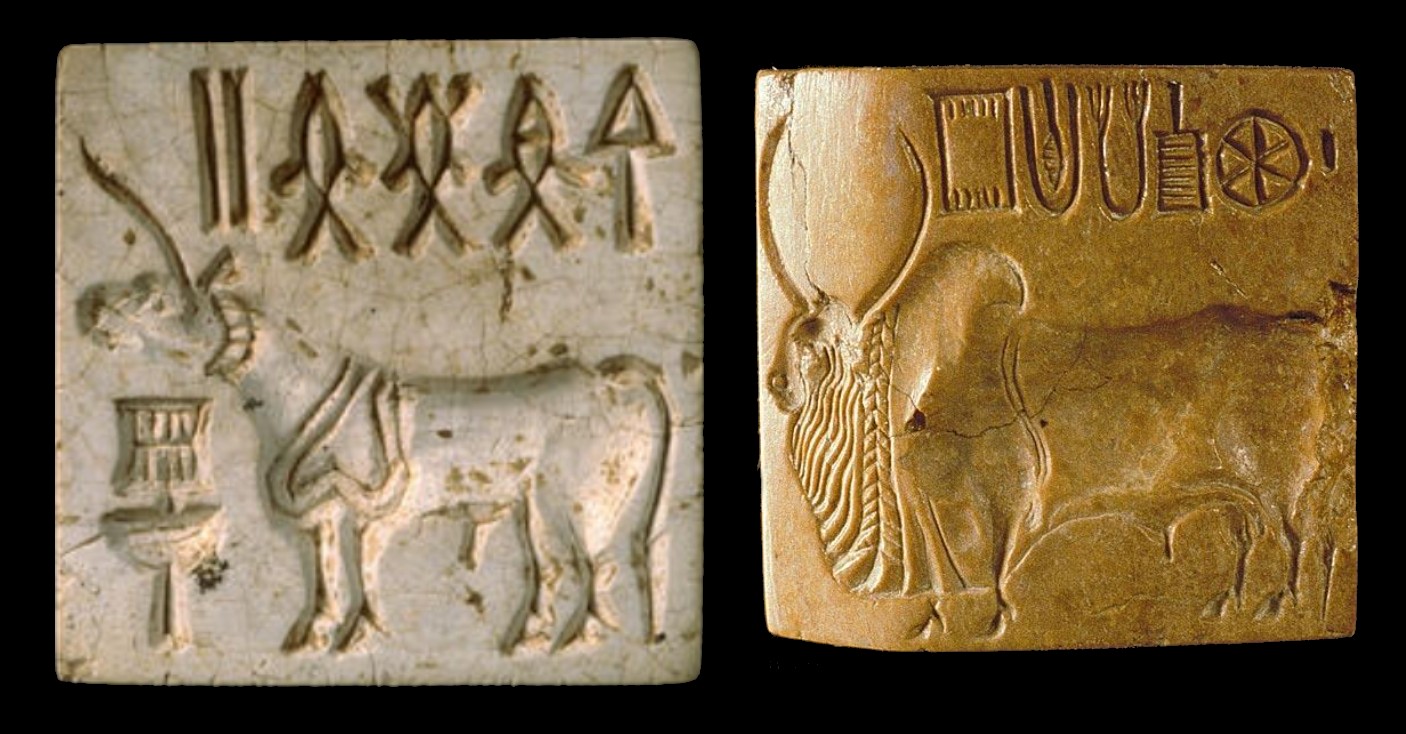
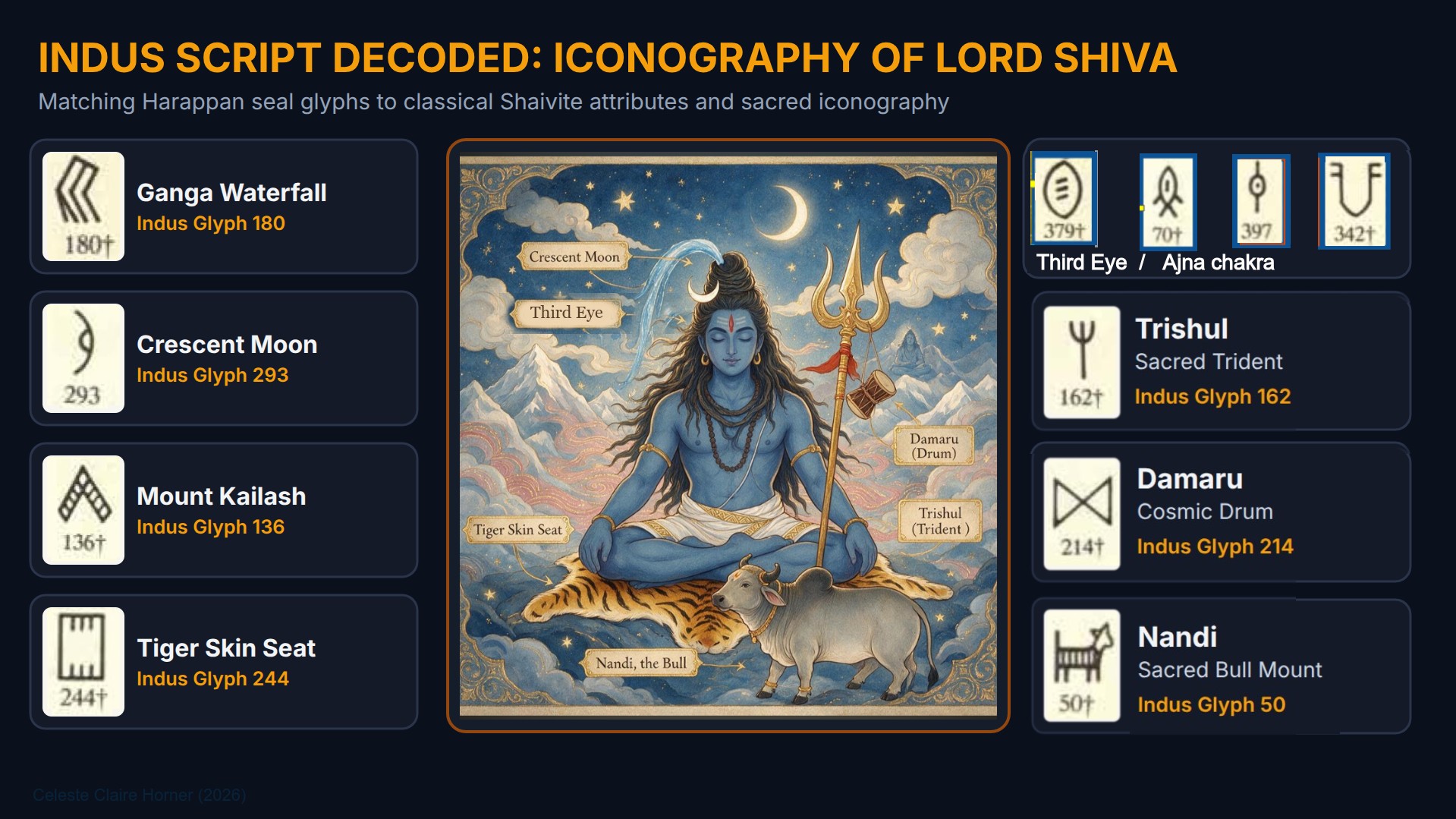
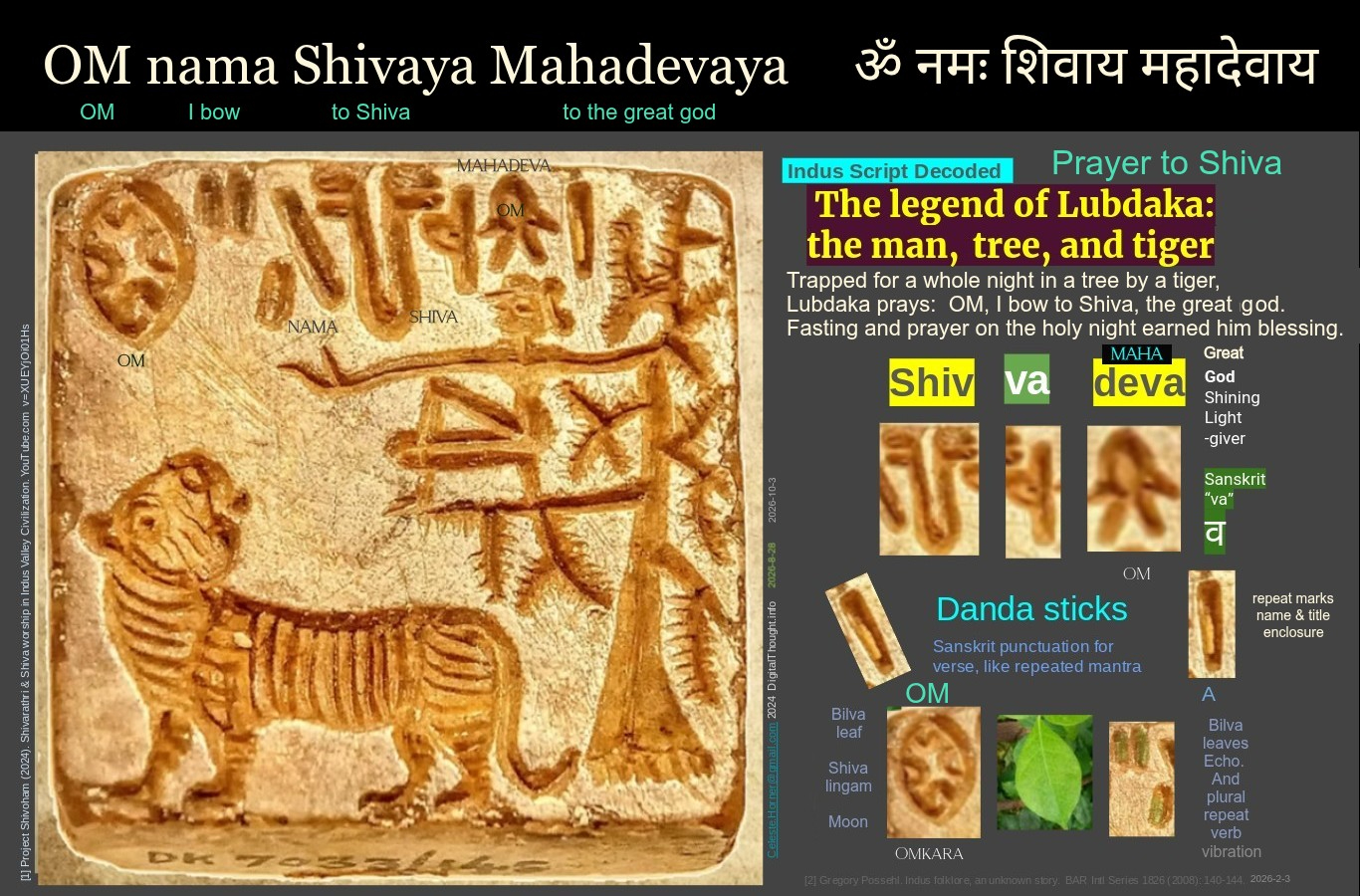
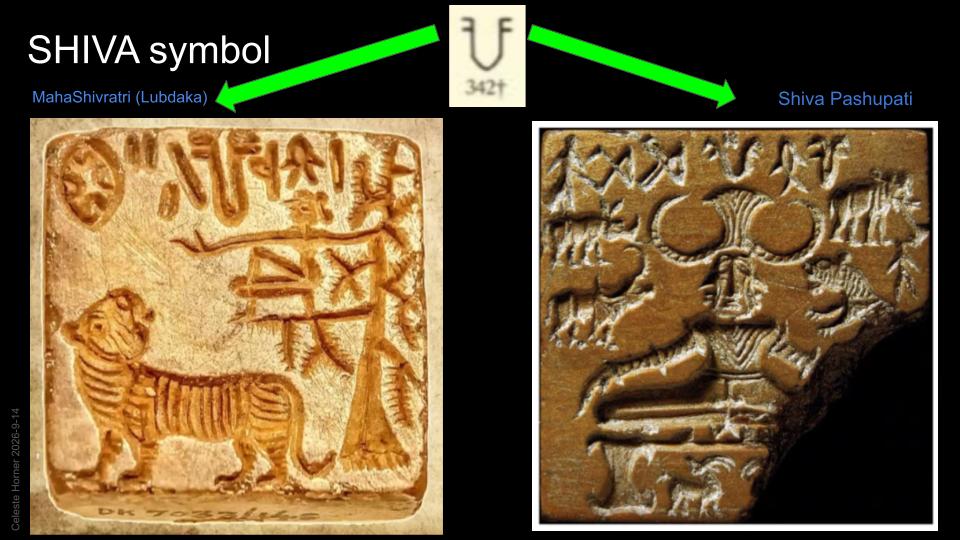
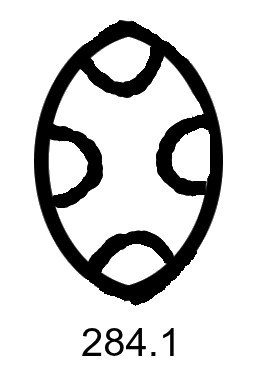 =
= 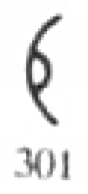 +
+ 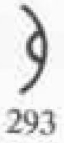 +
+ 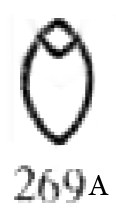

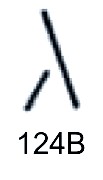


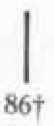


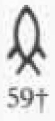


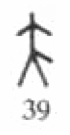
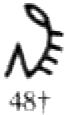
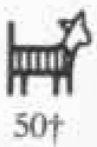
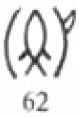

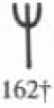
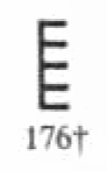

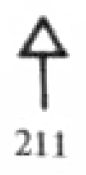
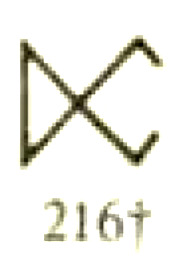

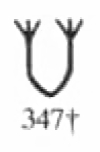
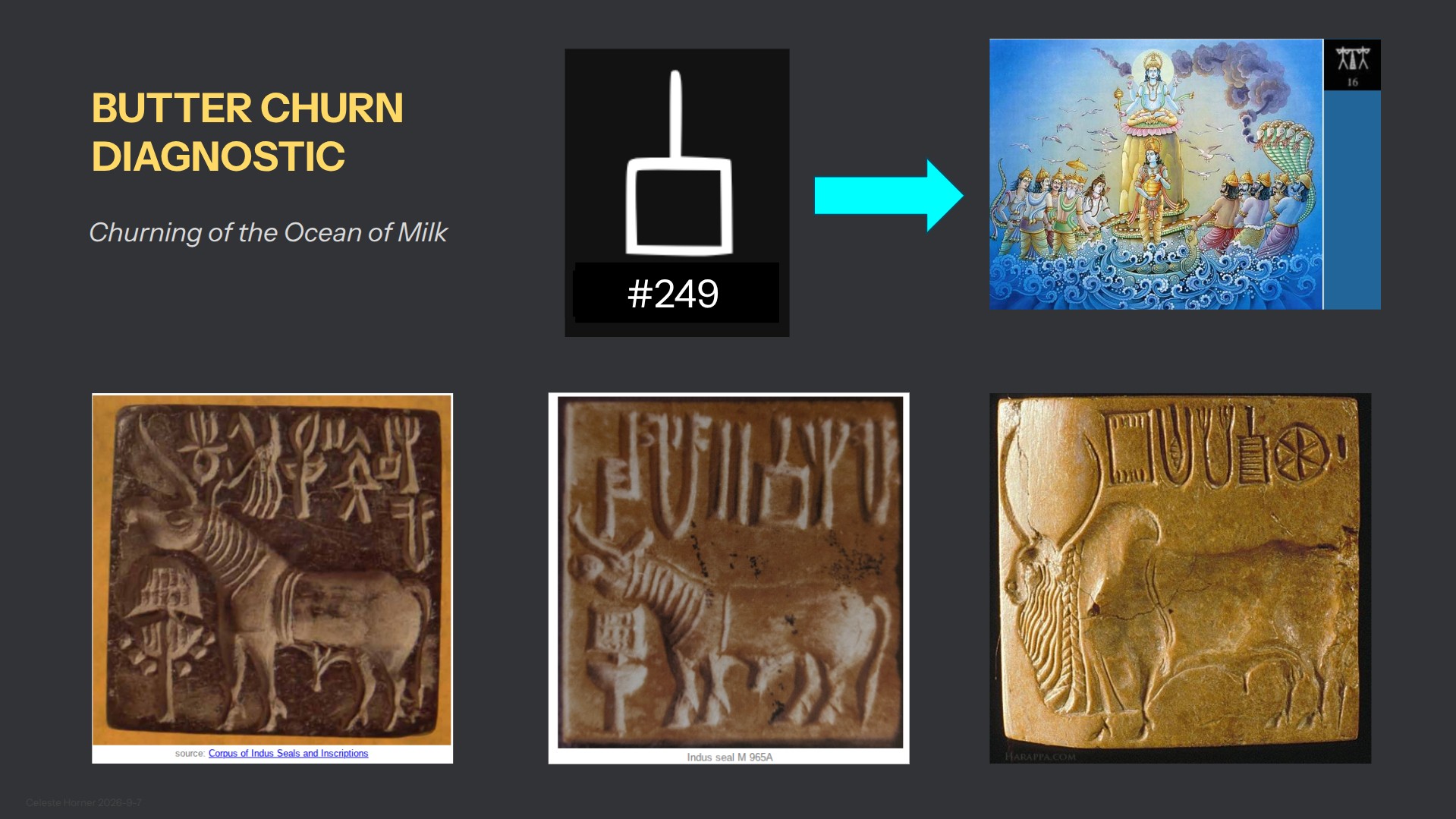
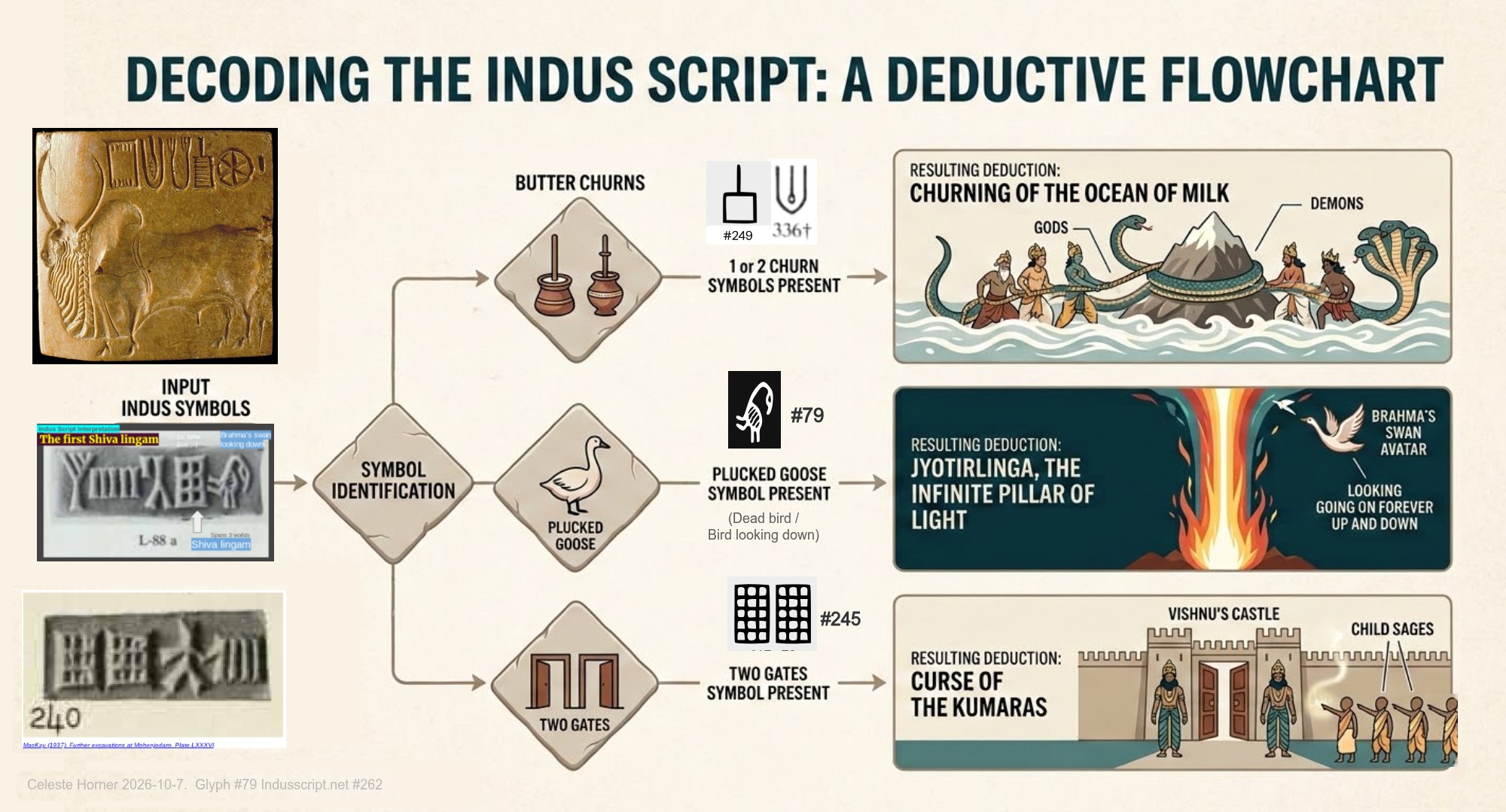
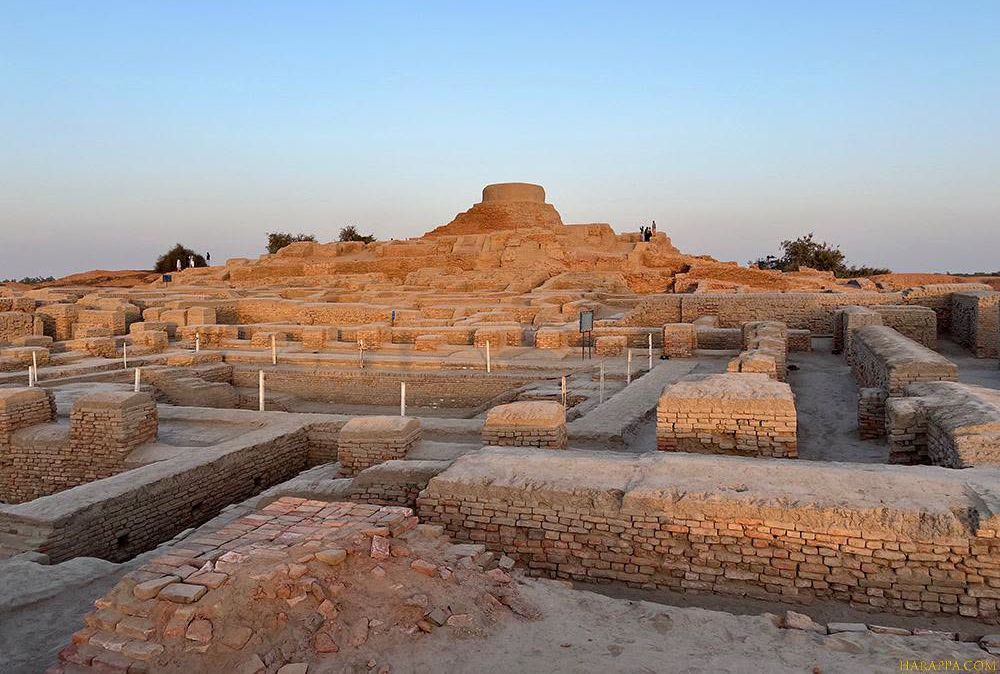
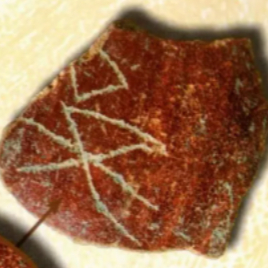
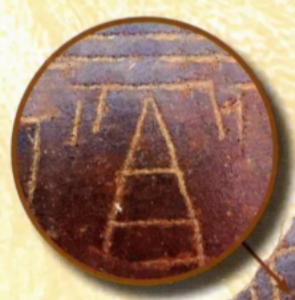
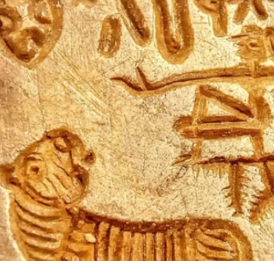
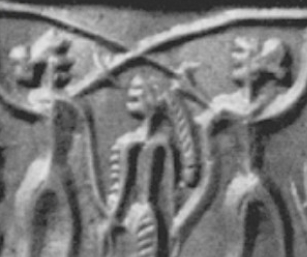
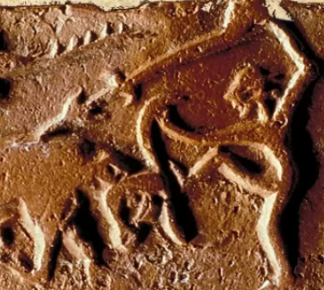
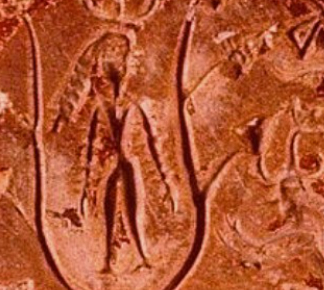
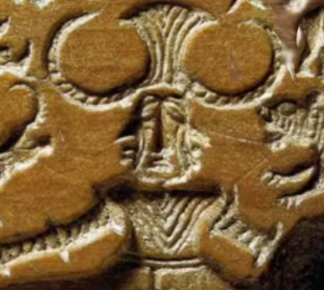
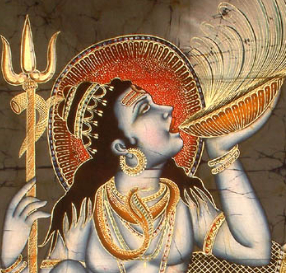

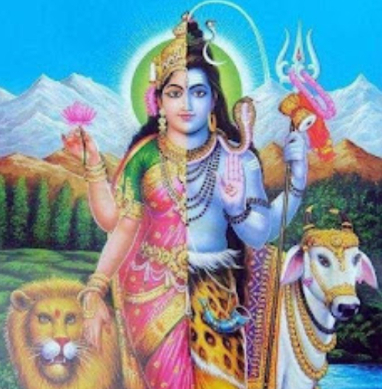
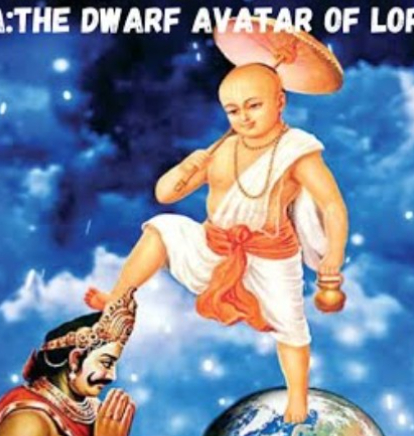
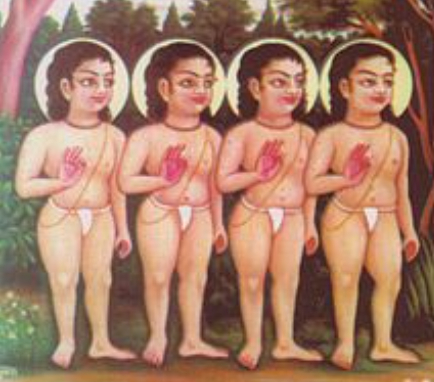
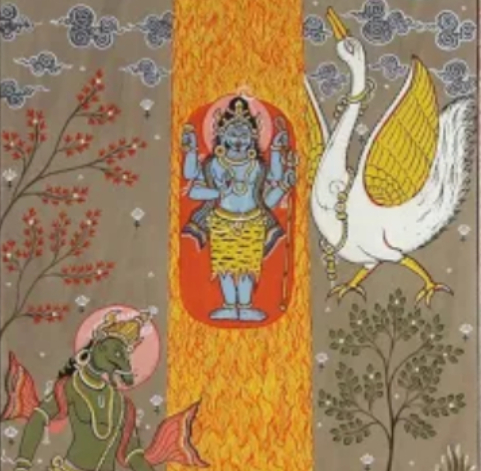
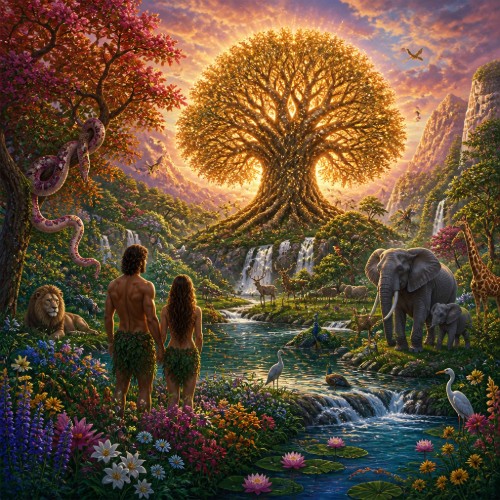
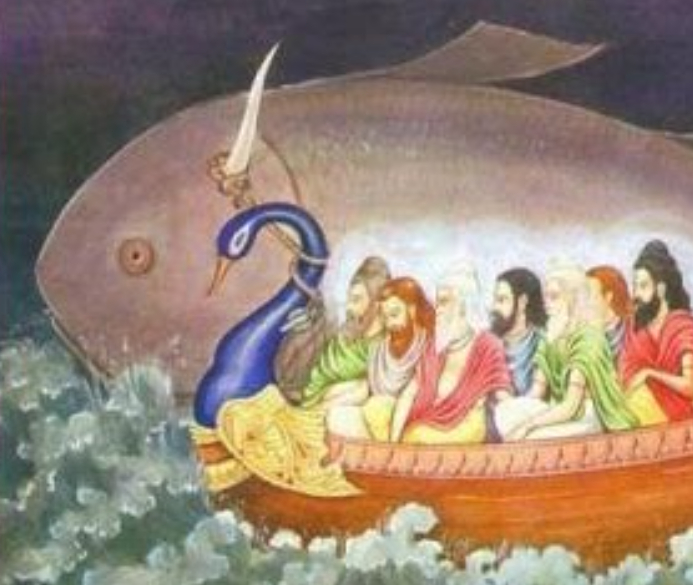
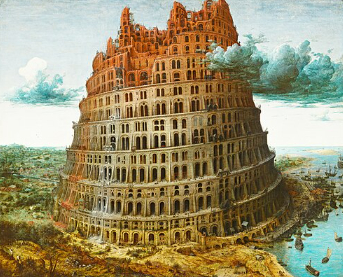
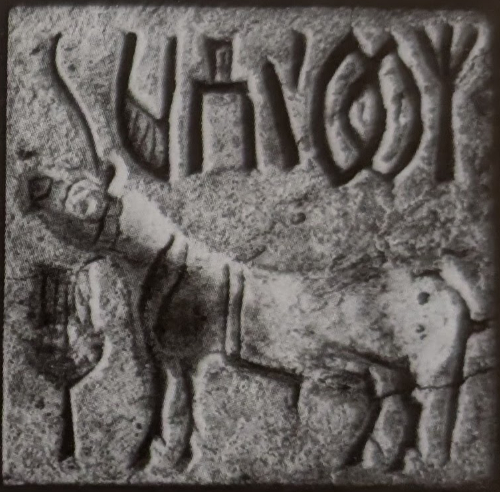

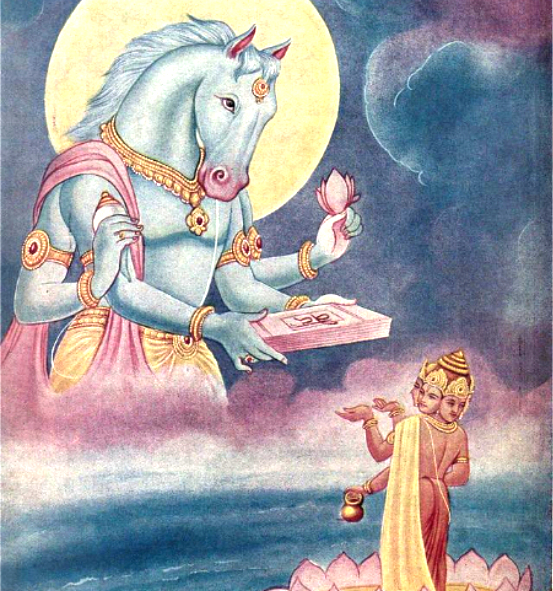
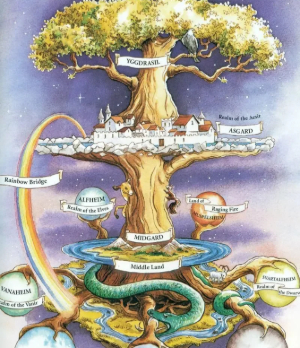
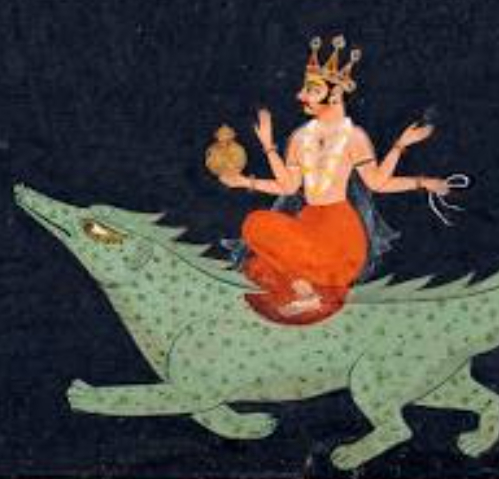
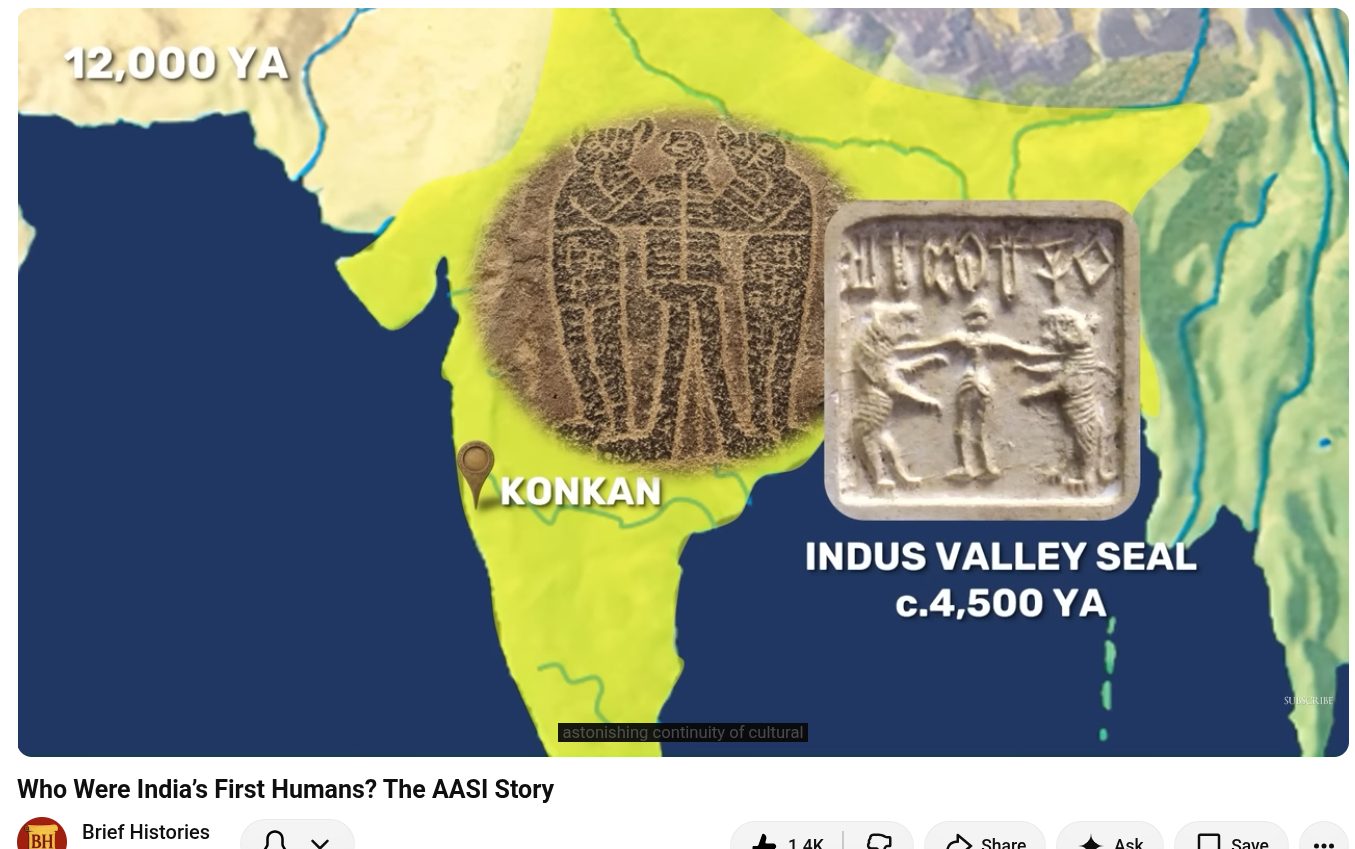
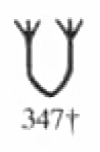

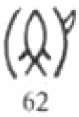

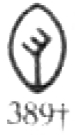
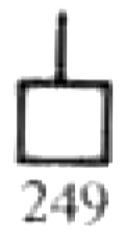
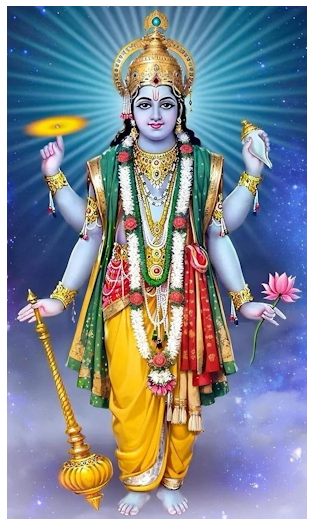
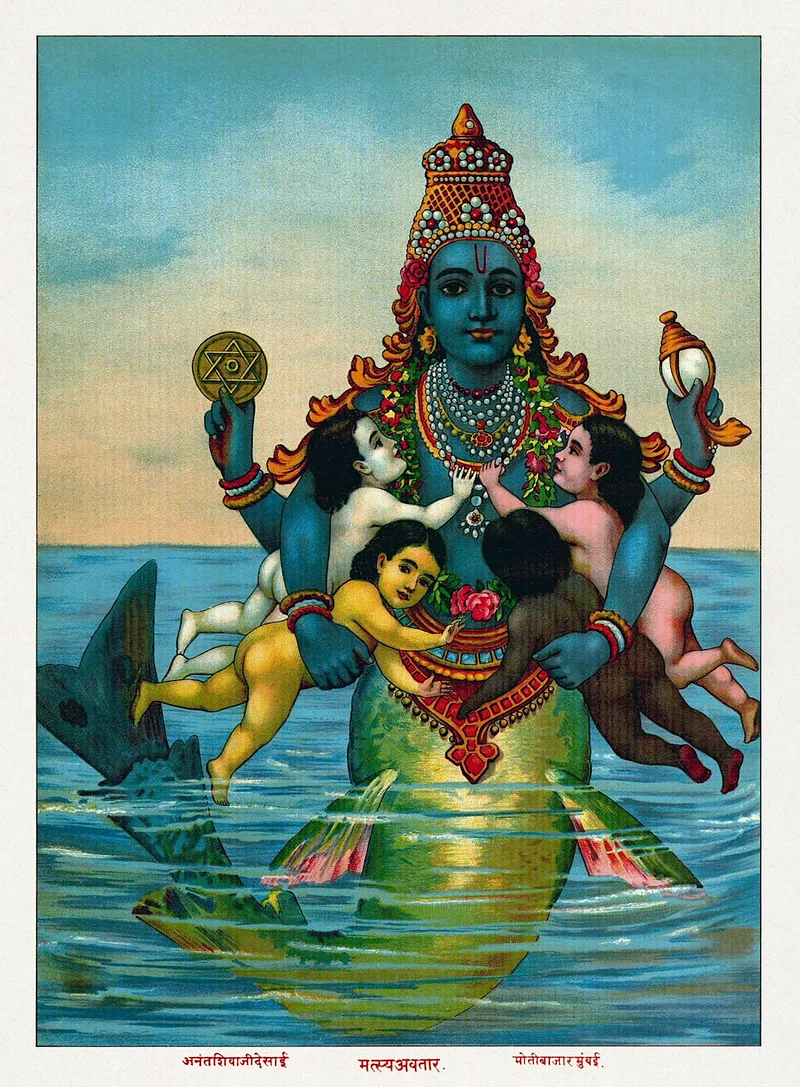
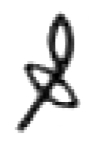
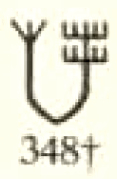
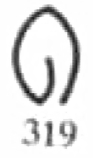
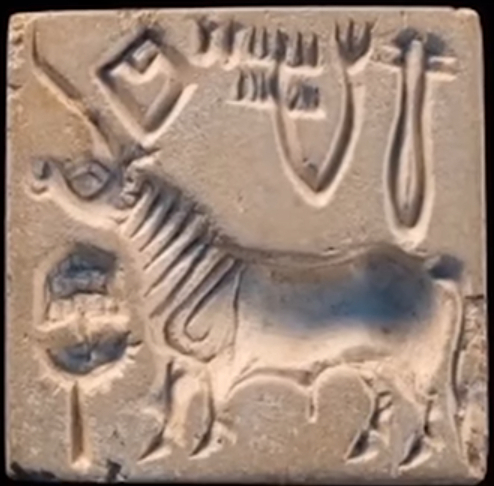


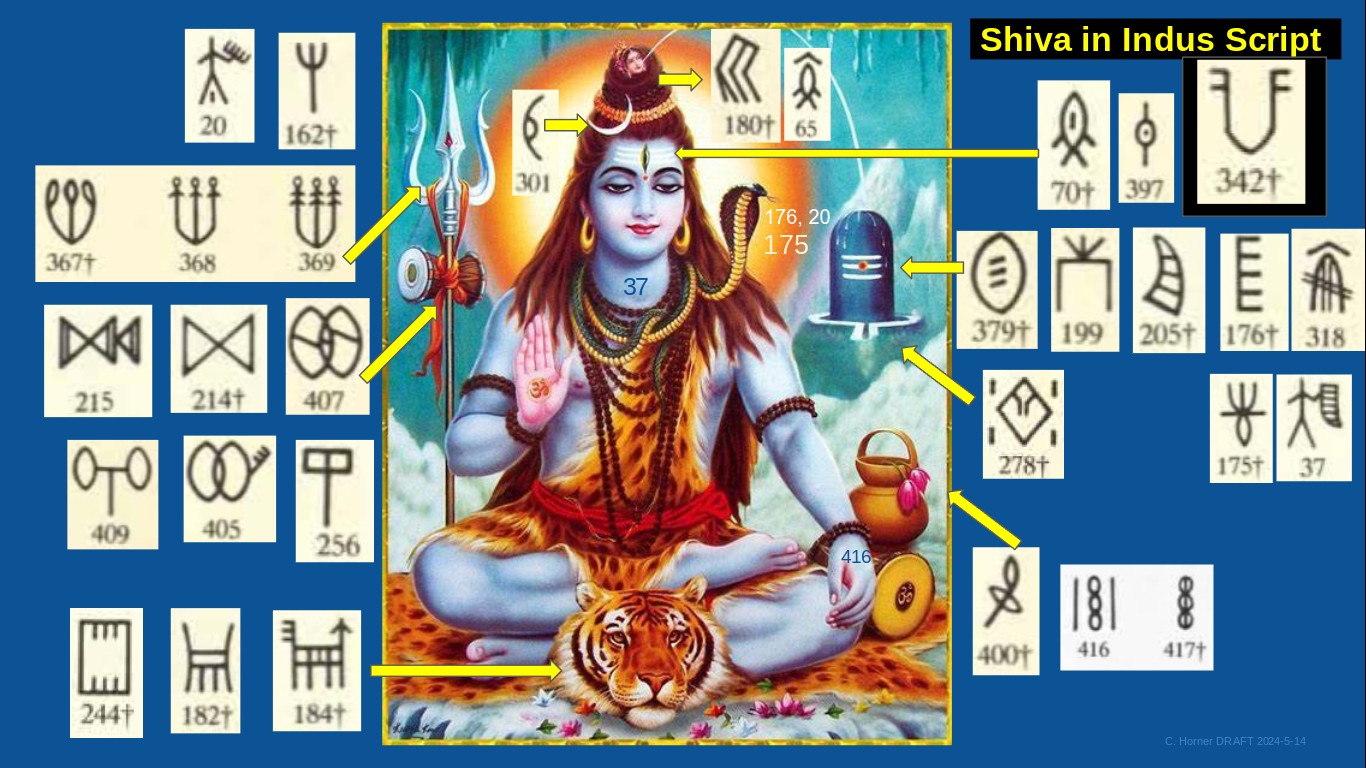




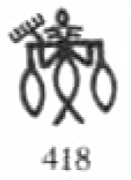
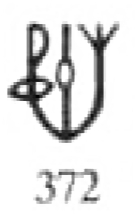
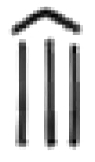
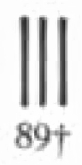

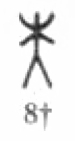
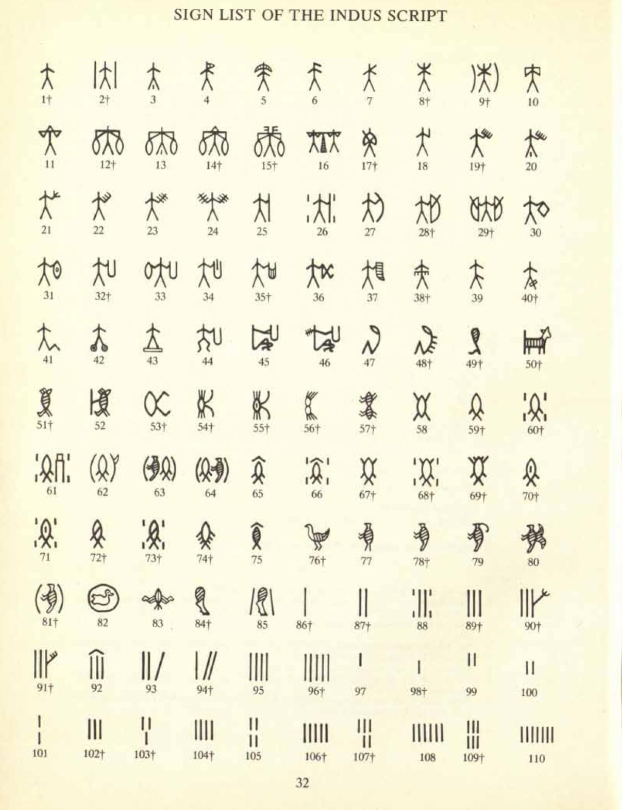
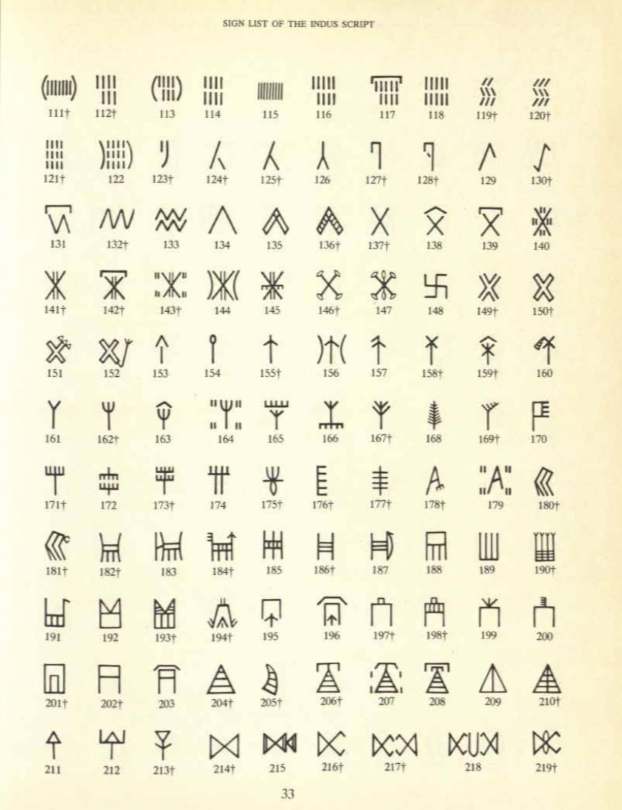
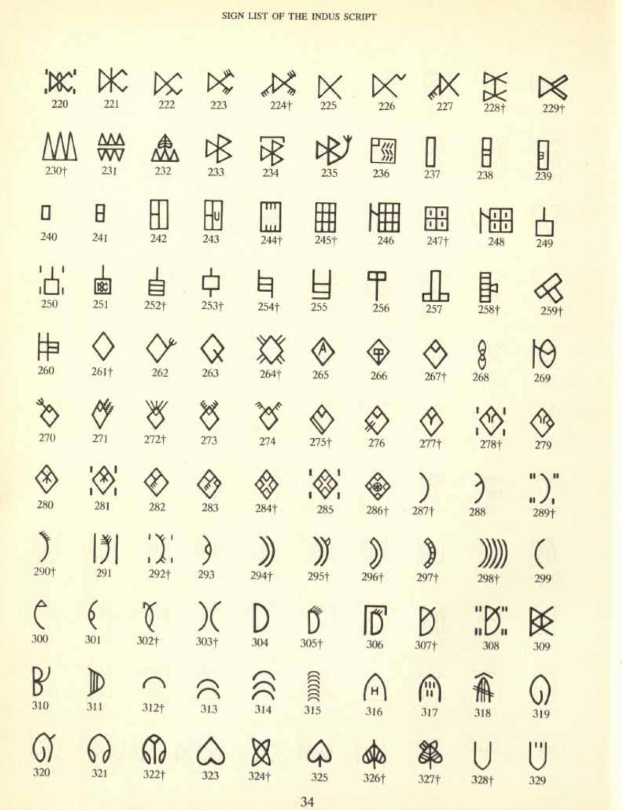
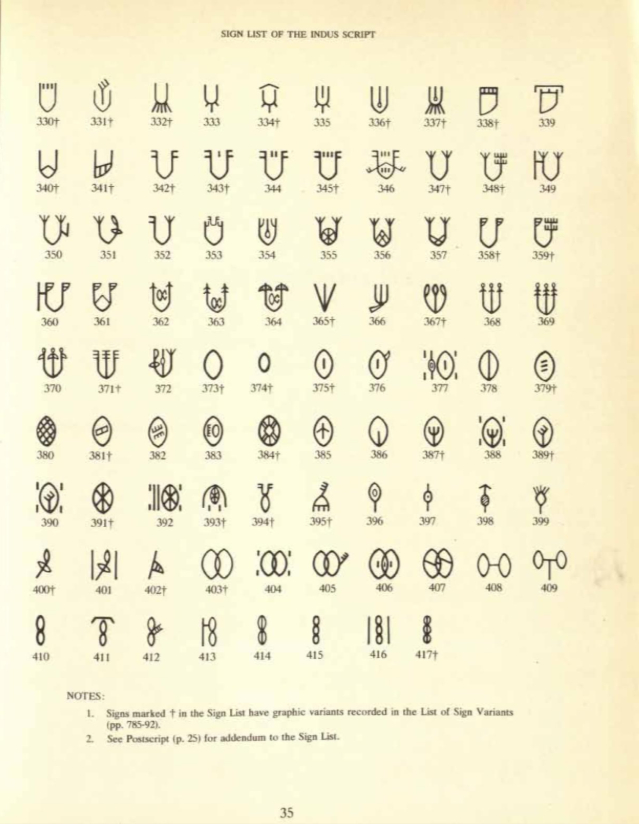


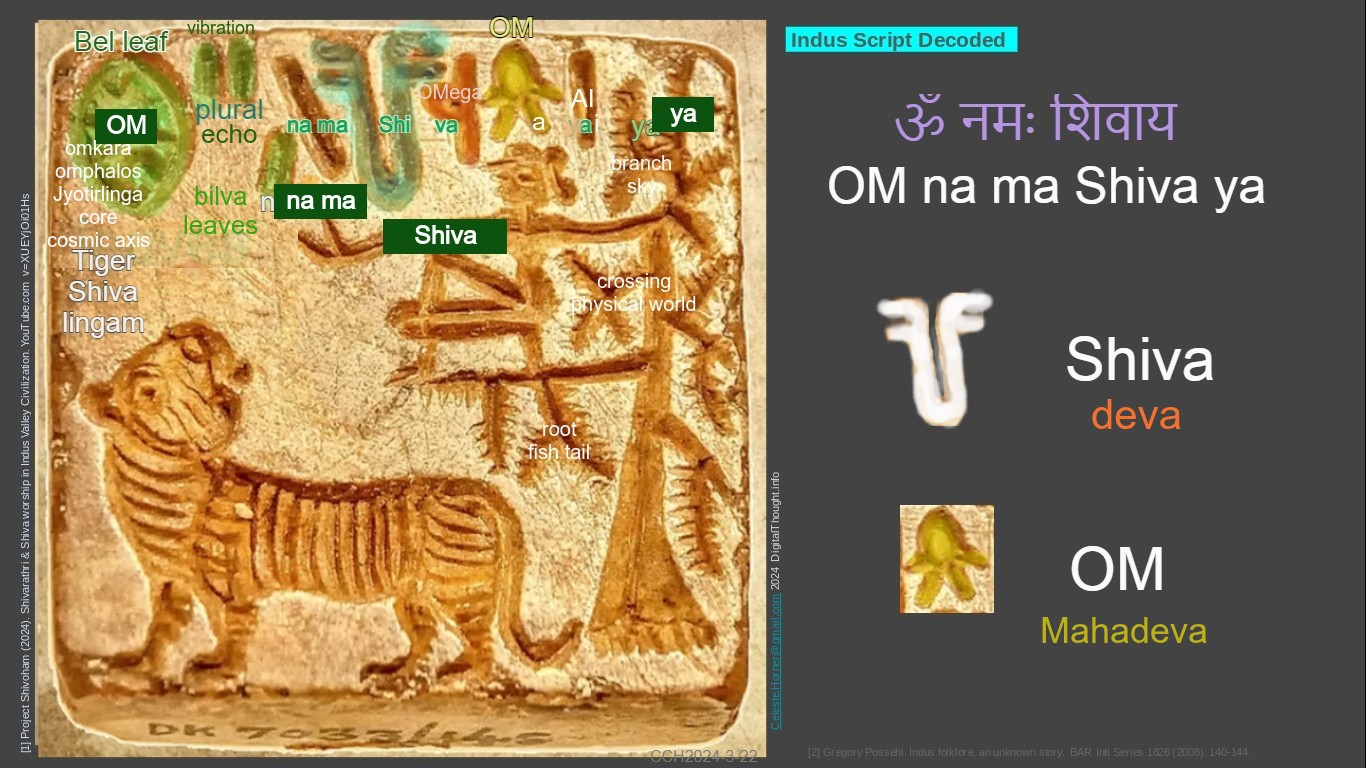
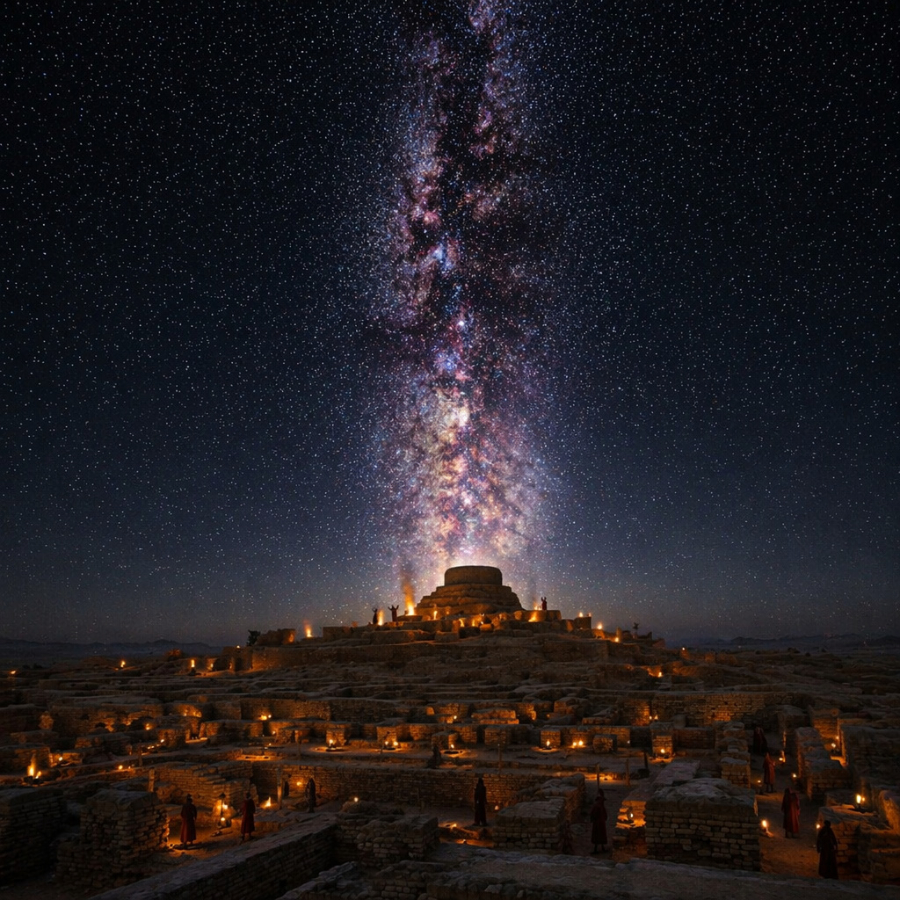
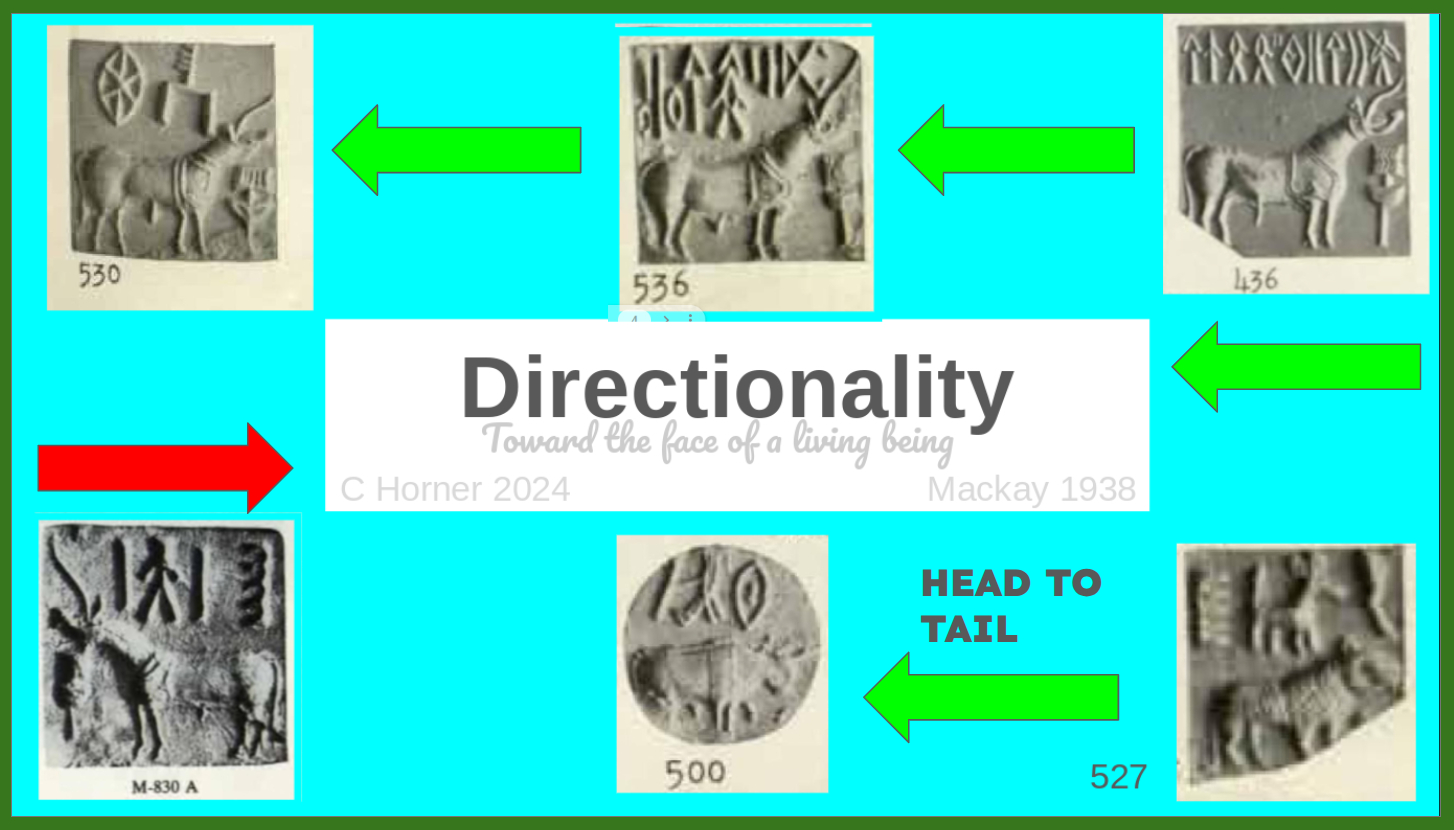
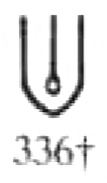

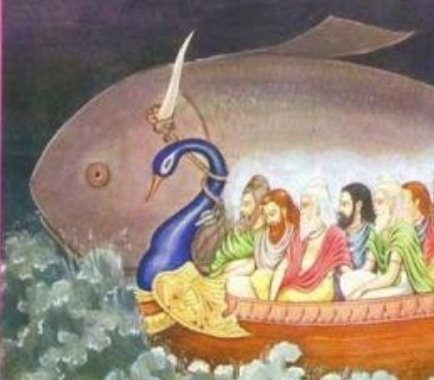


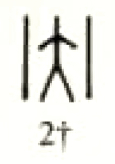

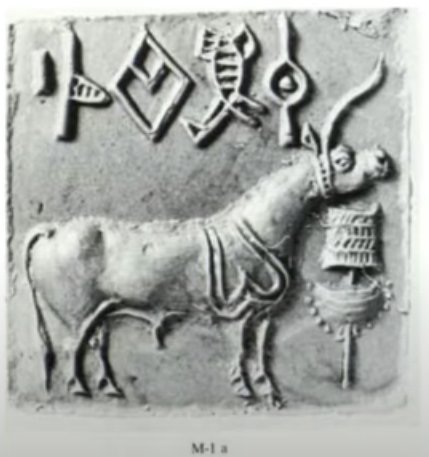

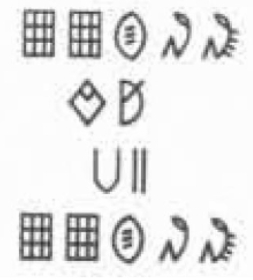
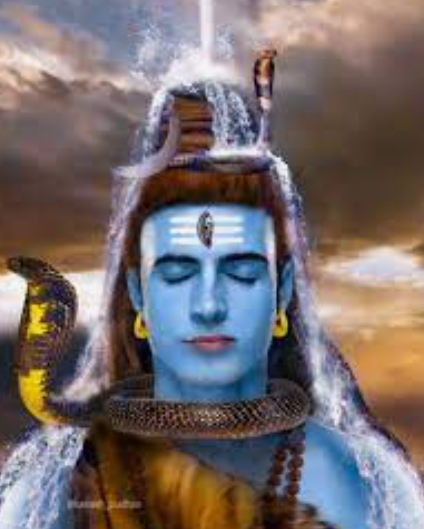
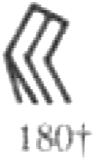

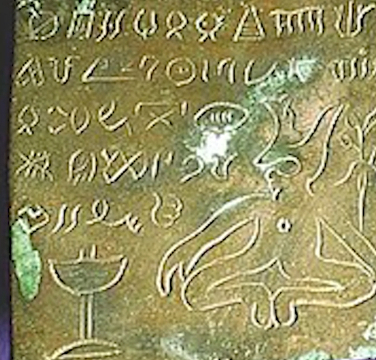

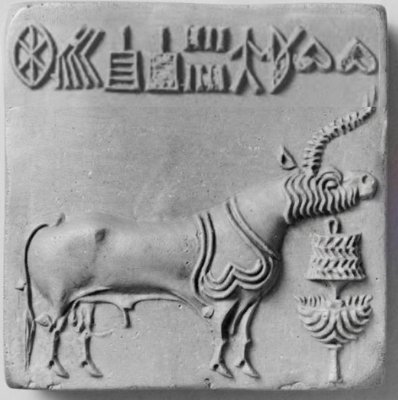

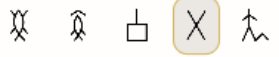
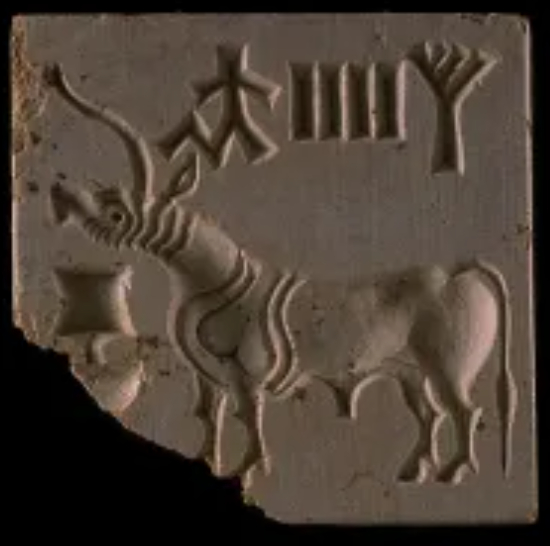
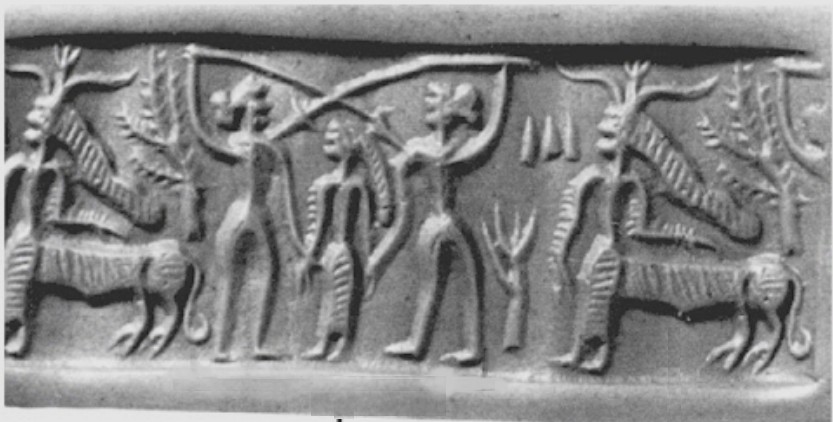
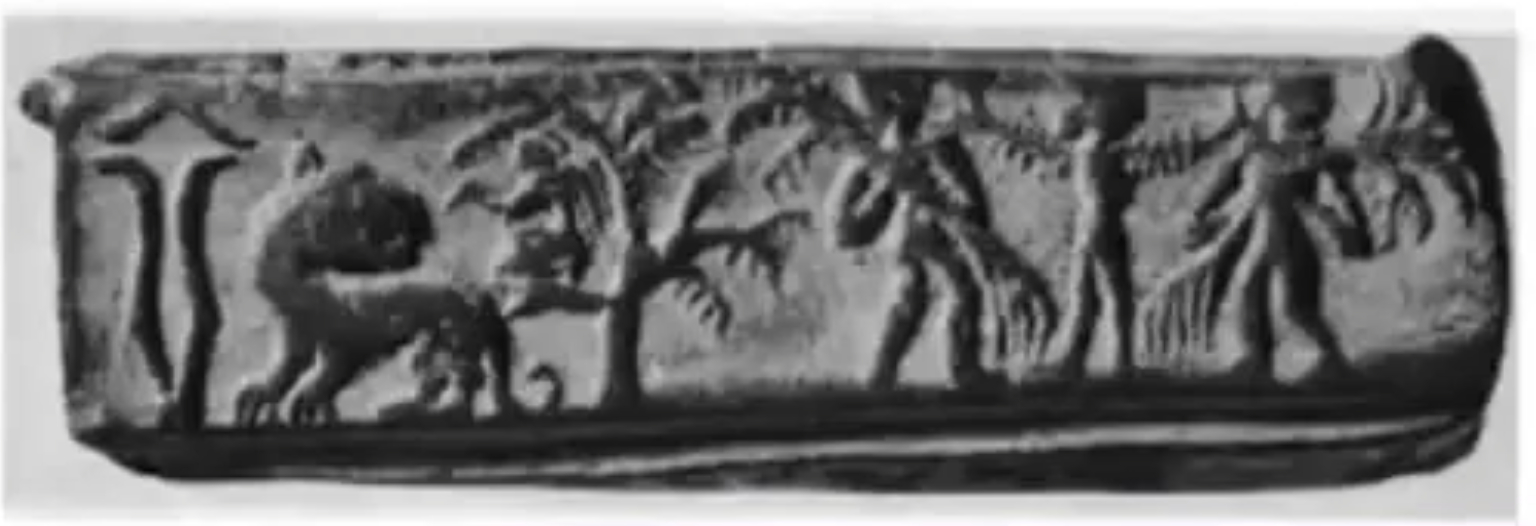
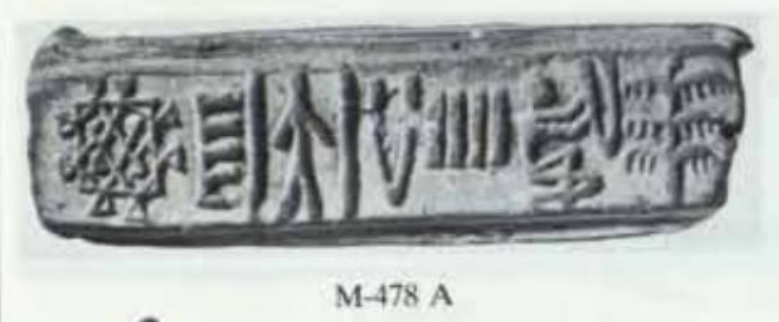
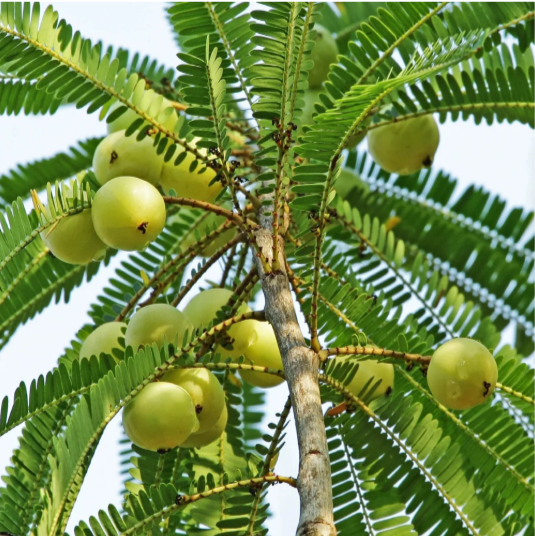
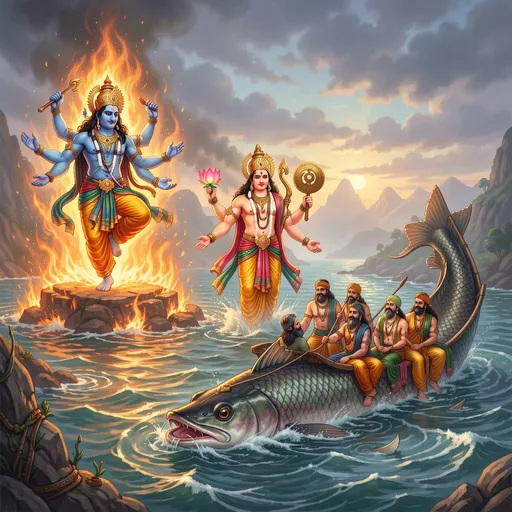
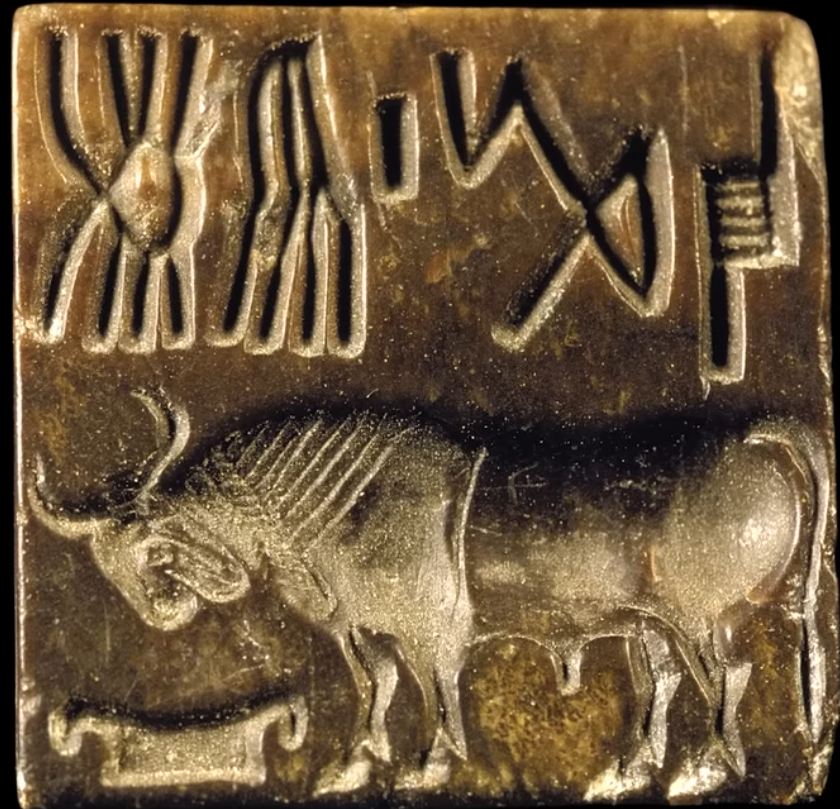
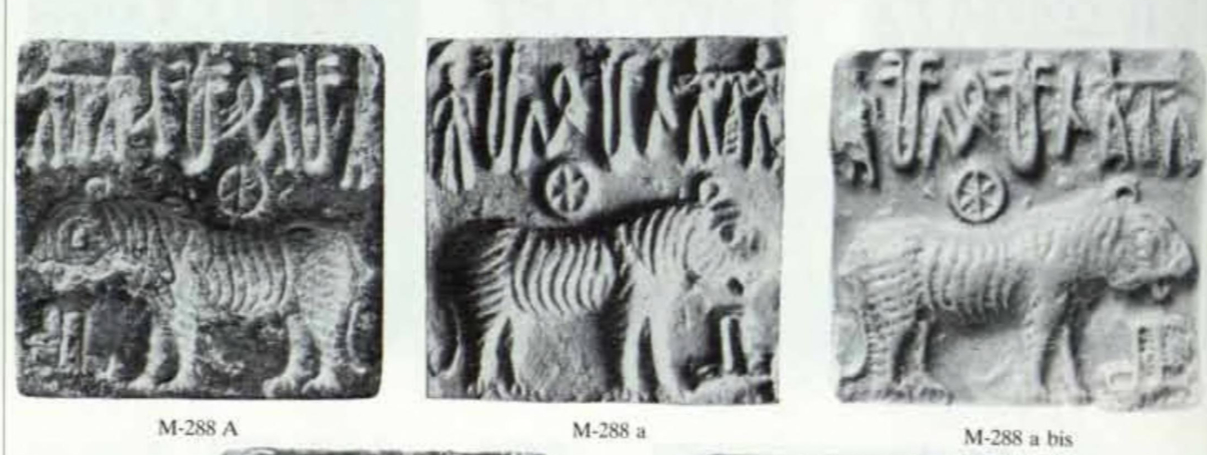


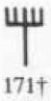
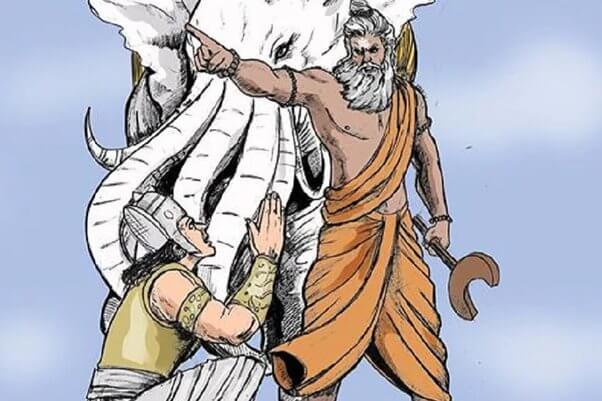
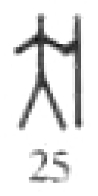
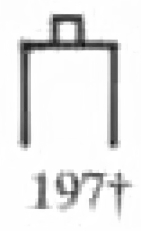
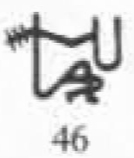
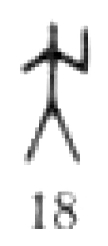
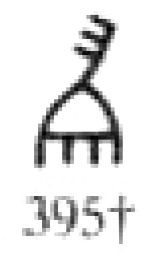
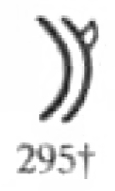
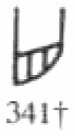
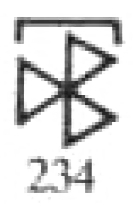
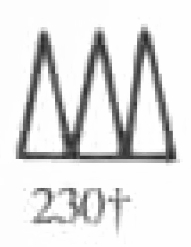
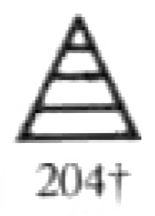
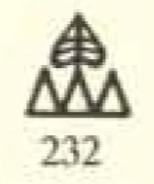


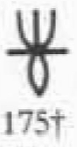

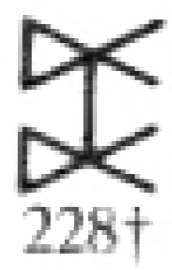
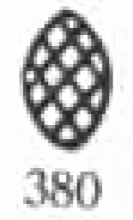
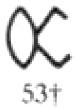
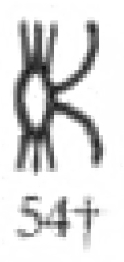
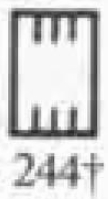
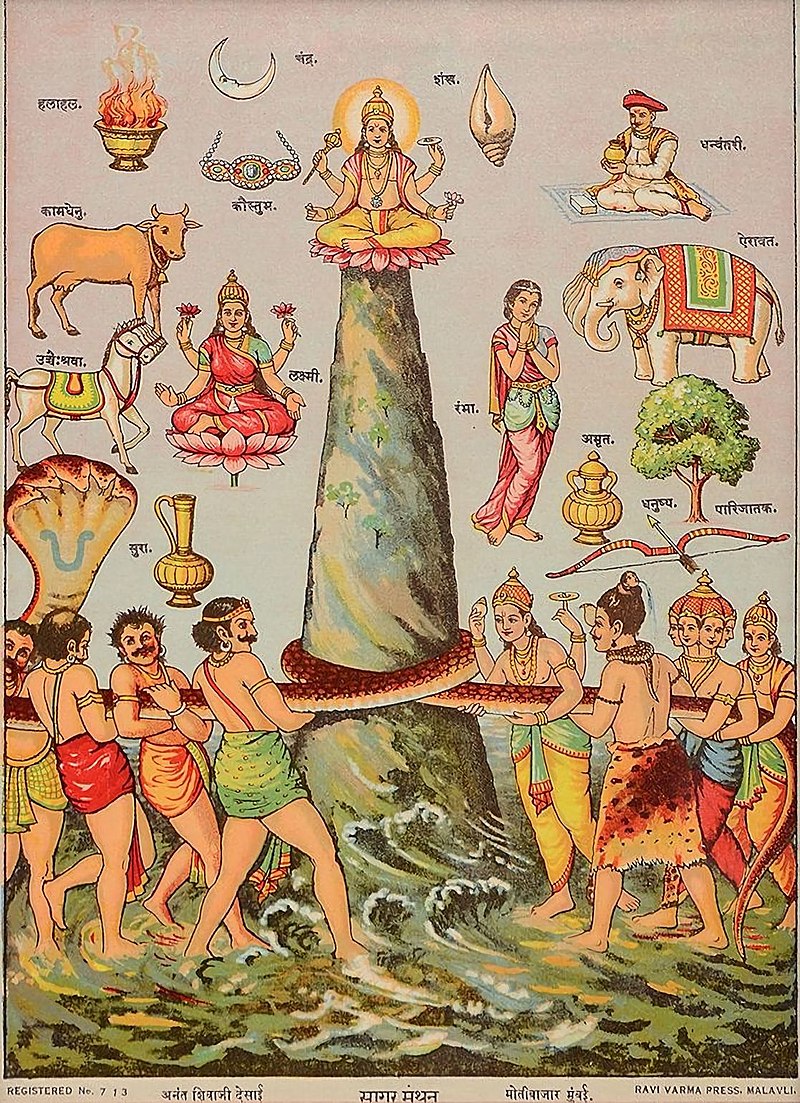
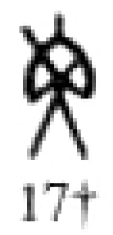
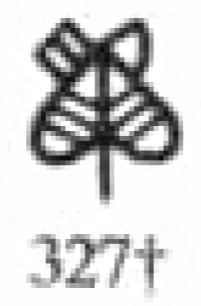
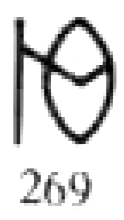

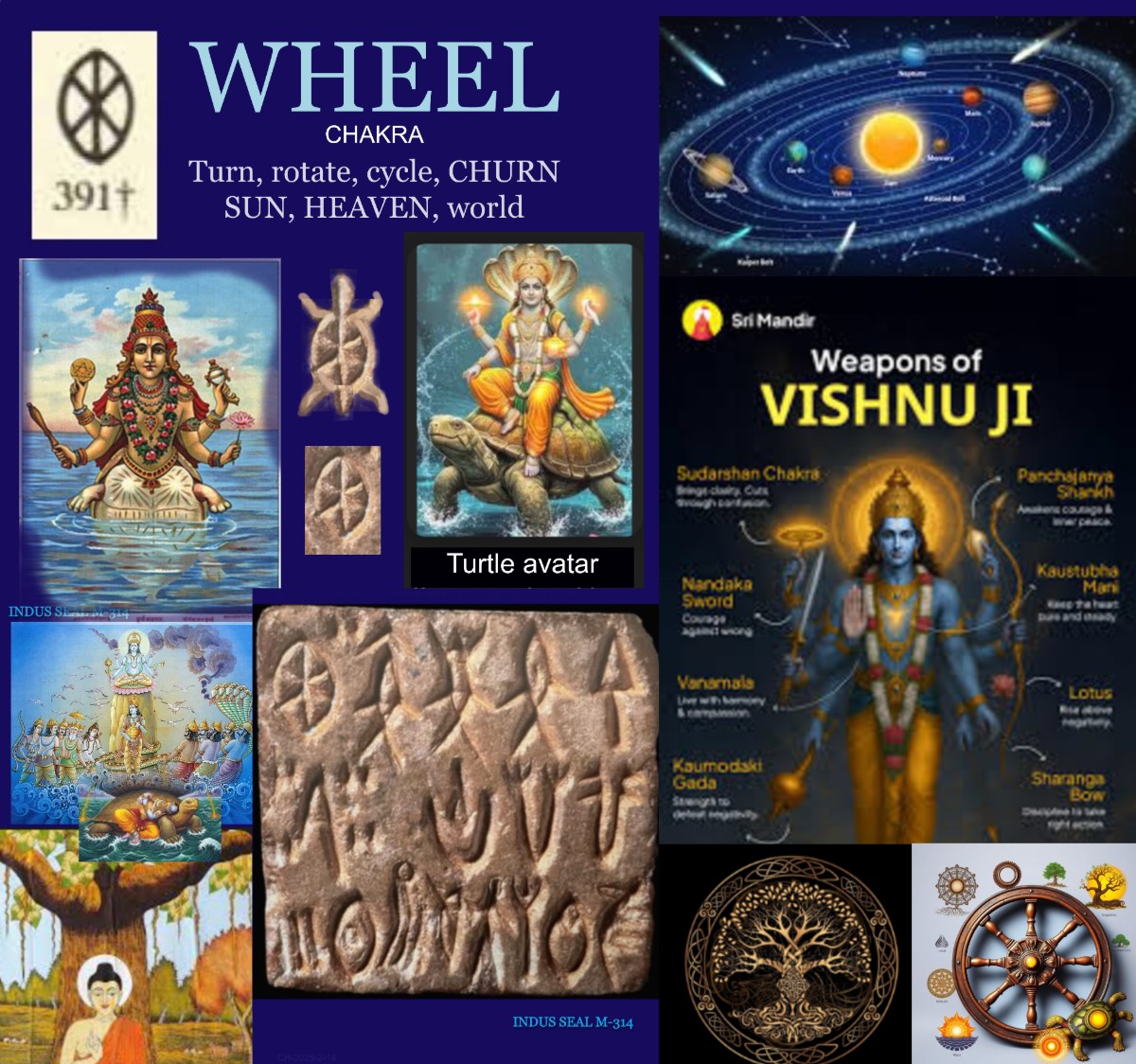
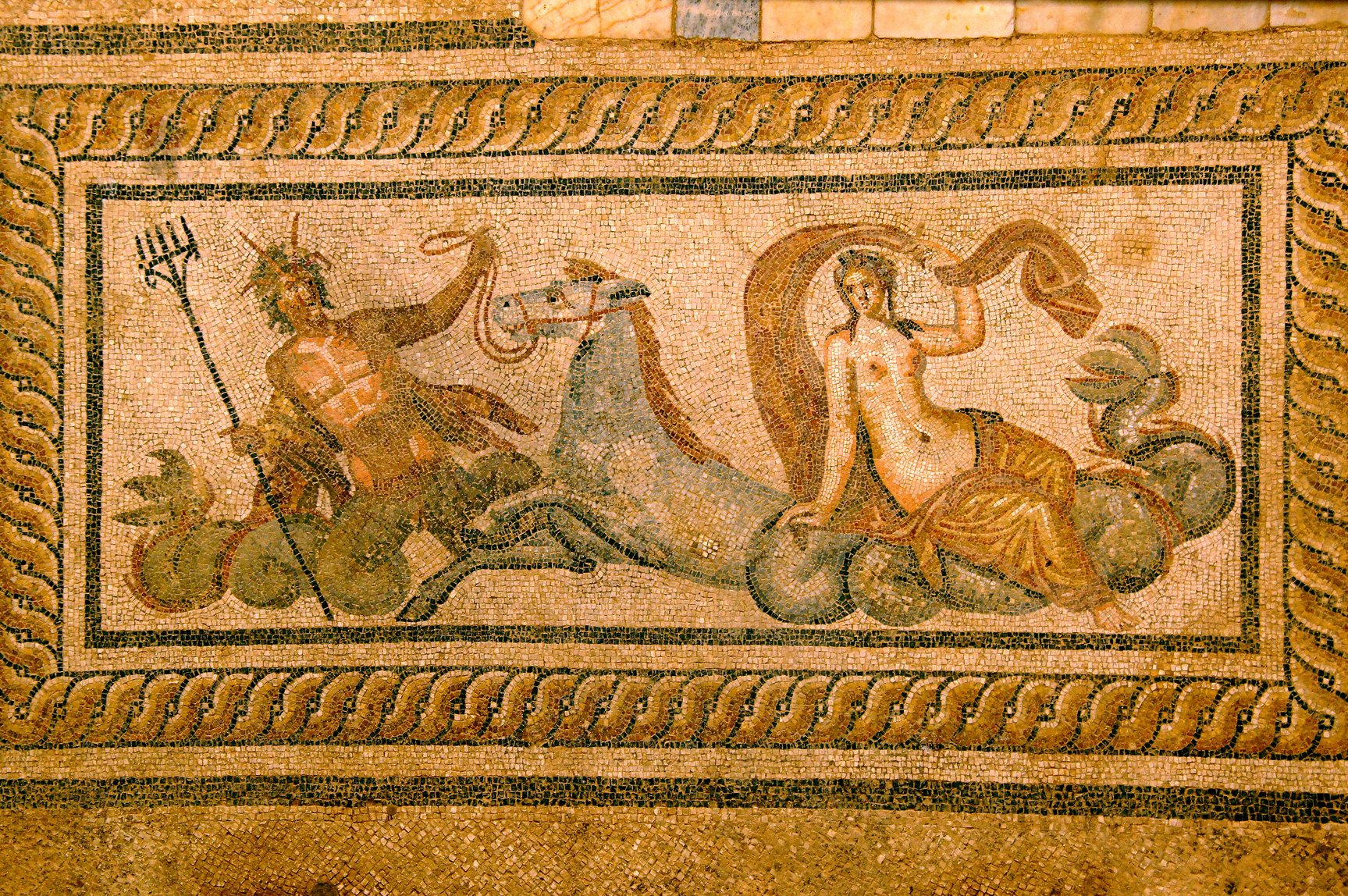
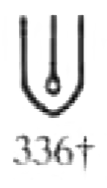
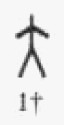
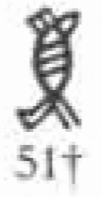
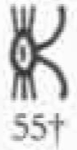

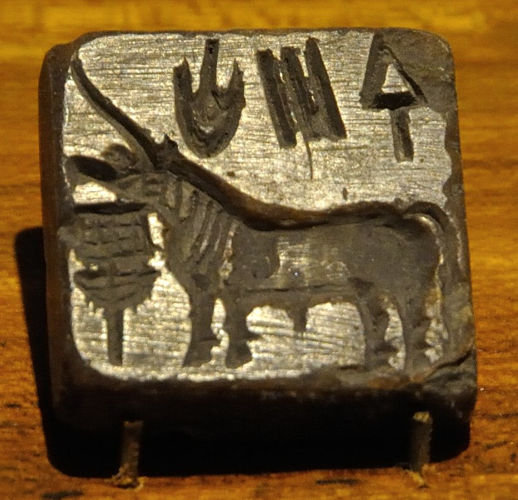

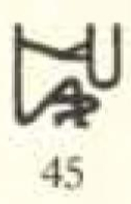
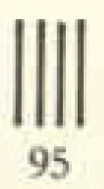
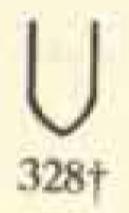
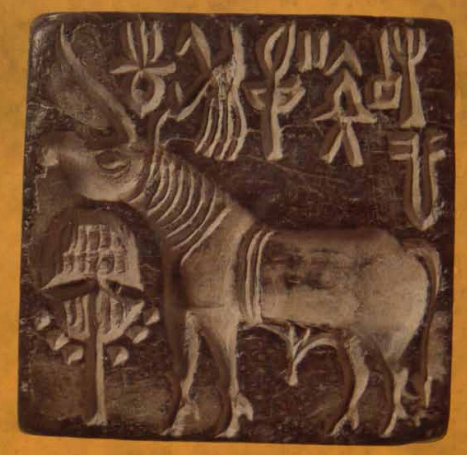


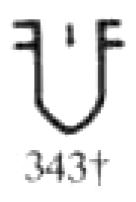

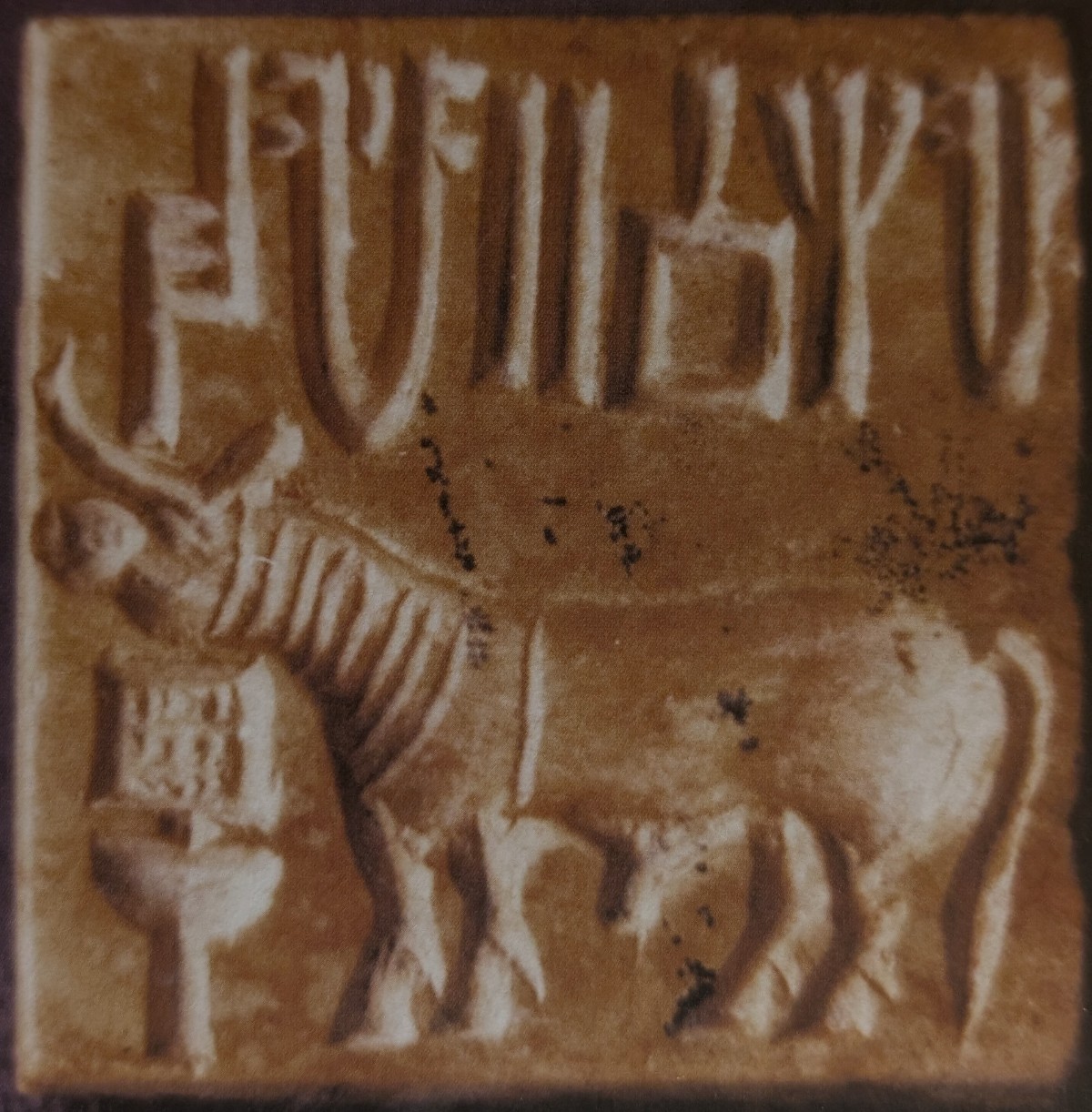
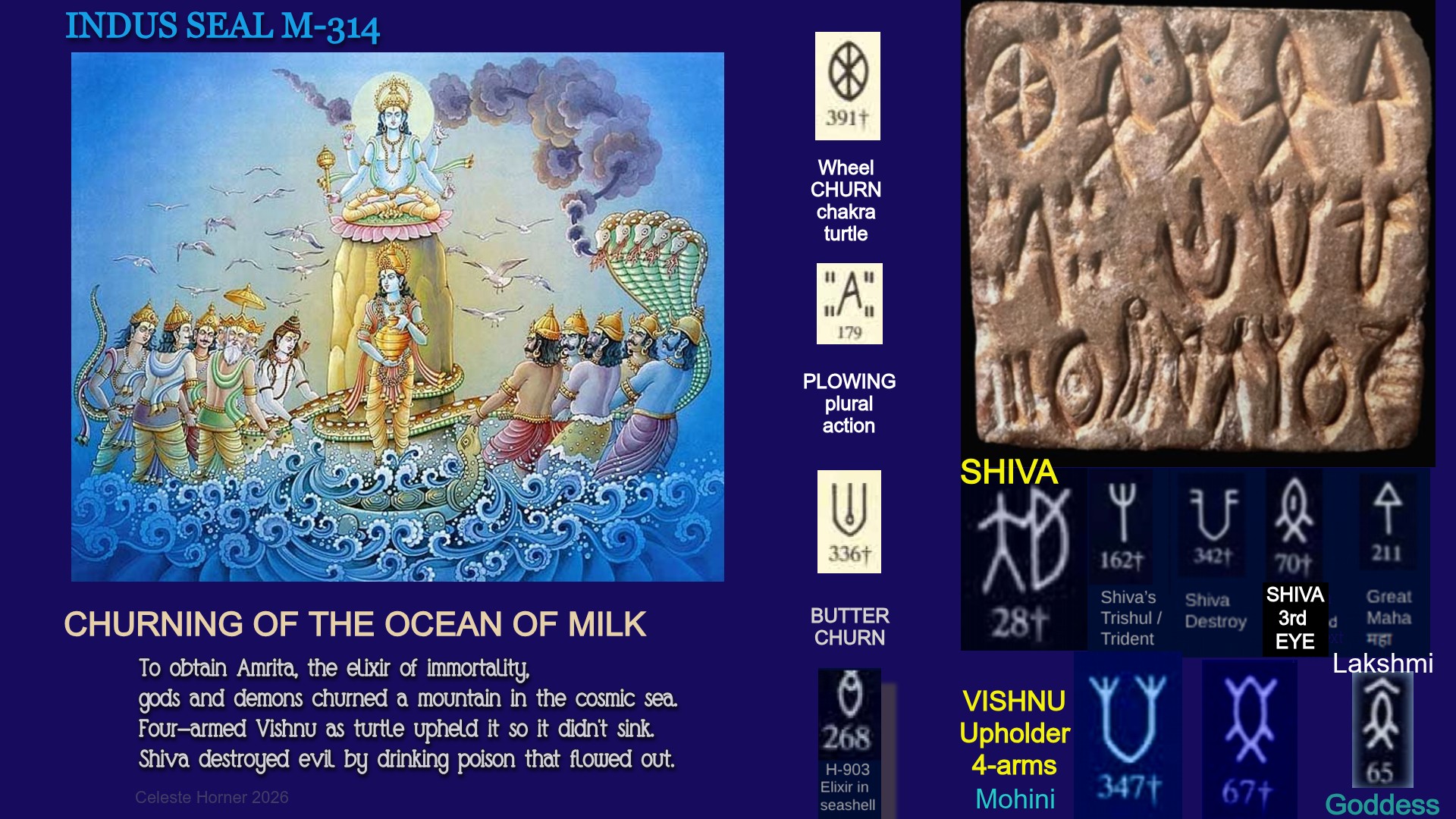
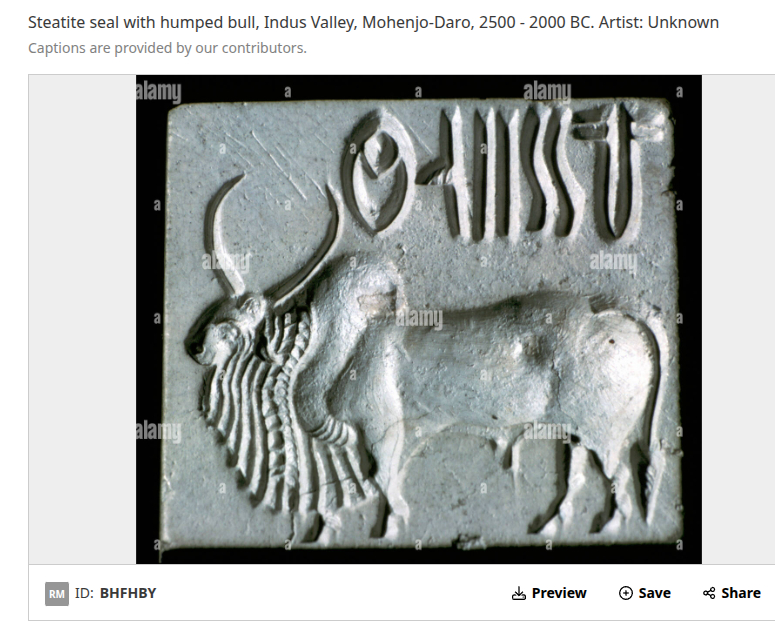
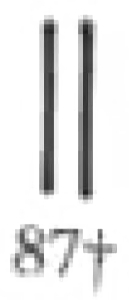
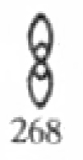
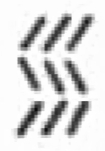

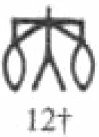
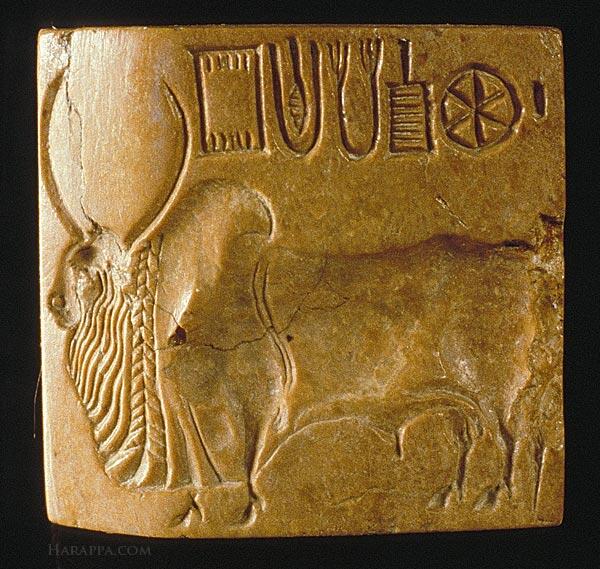
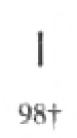


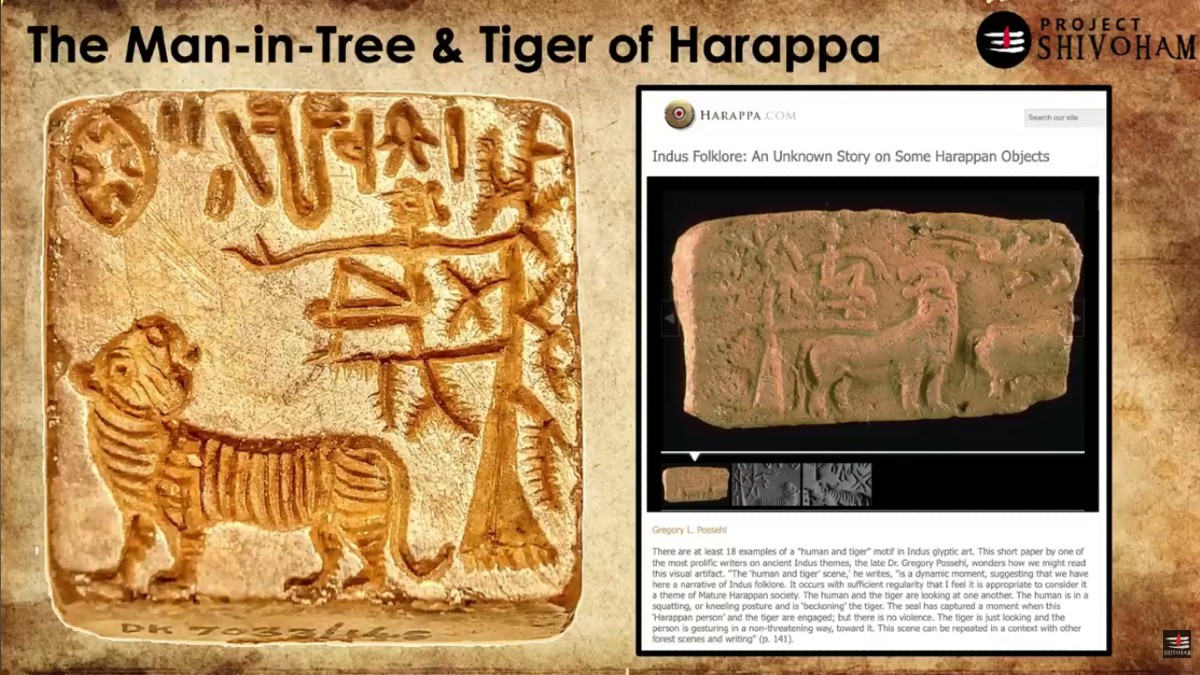
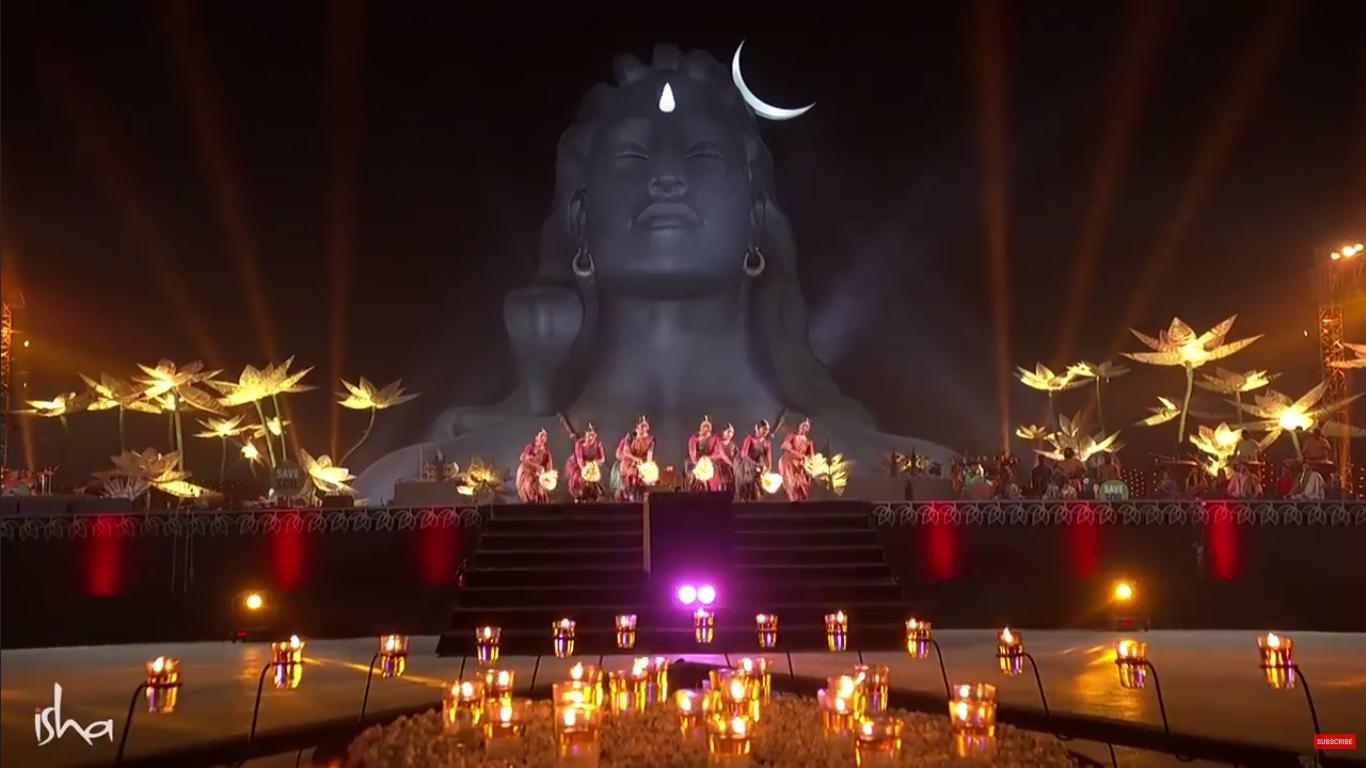
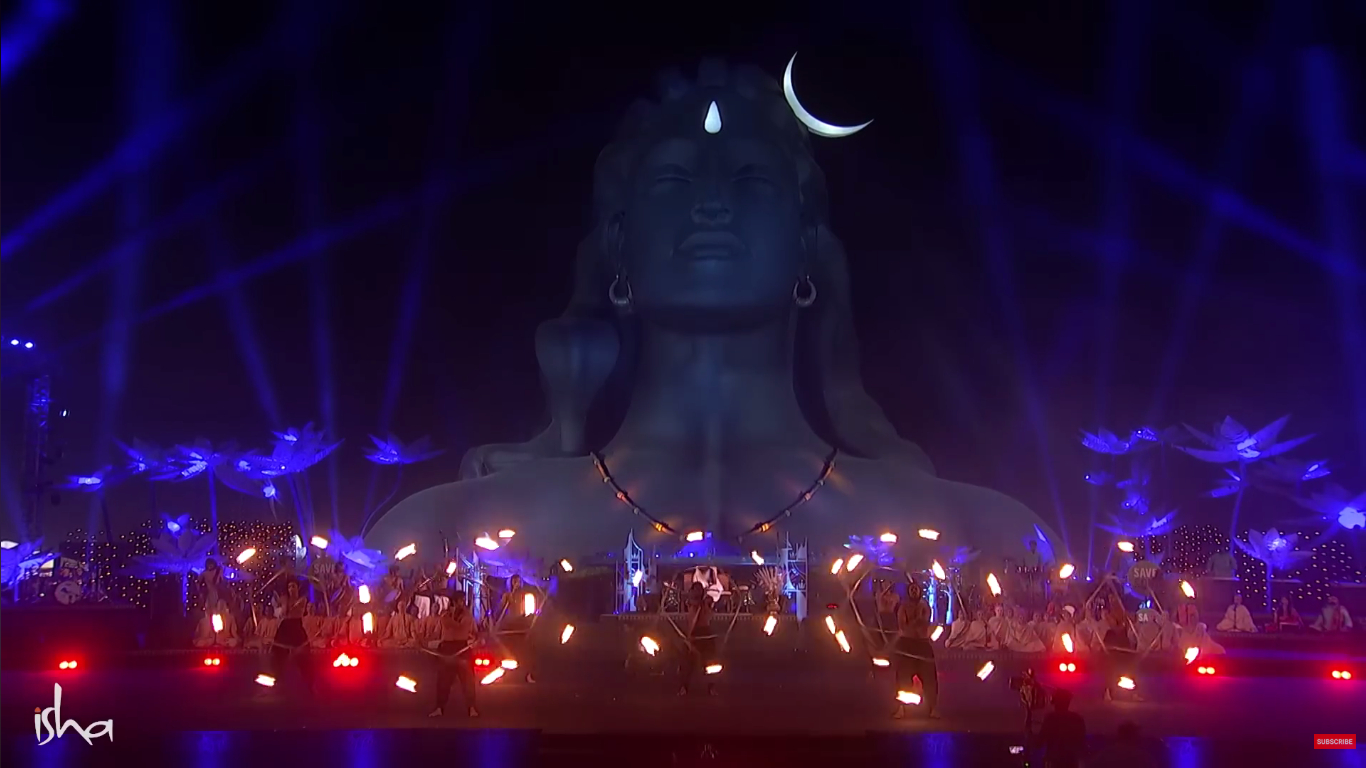

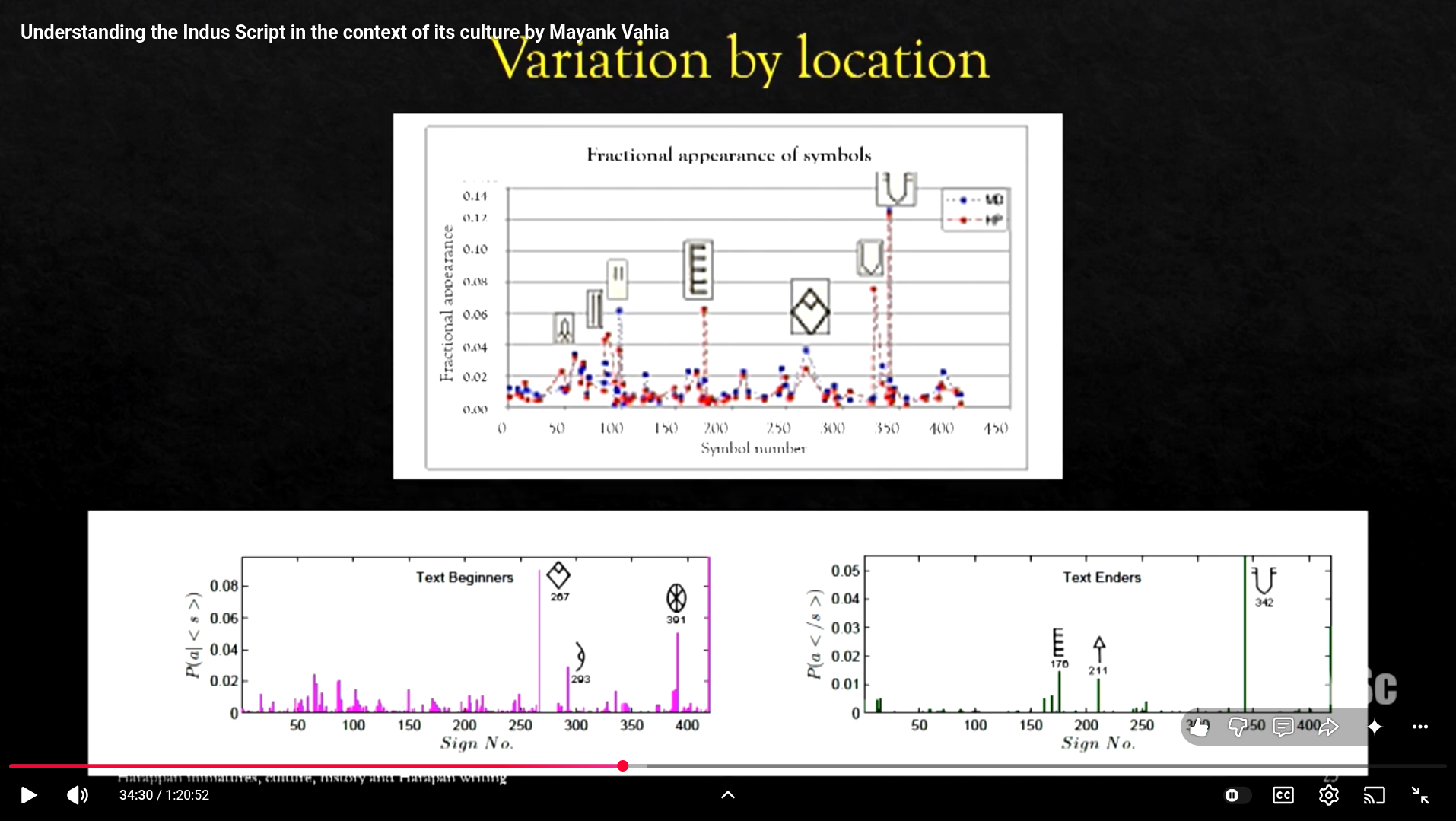
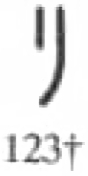

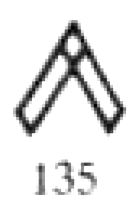
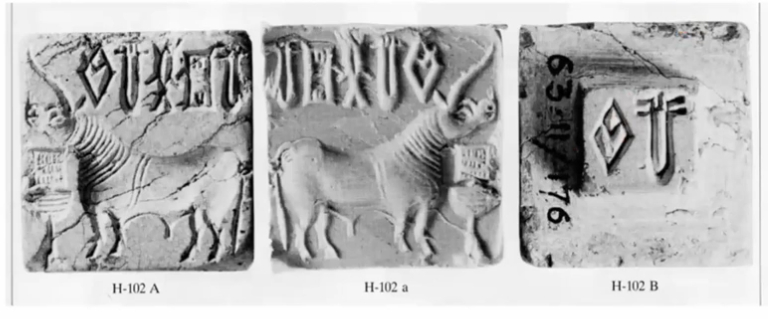
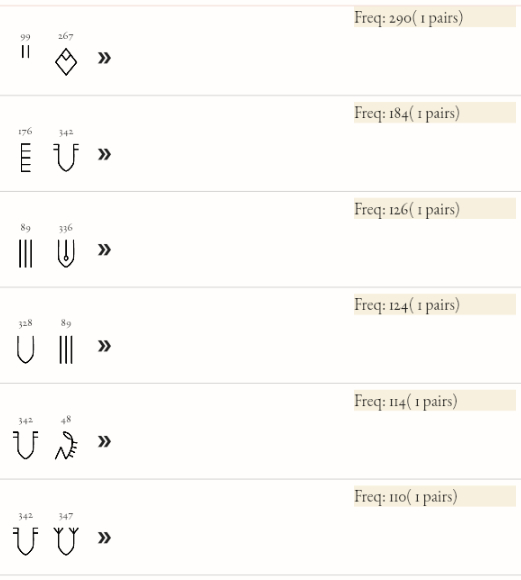
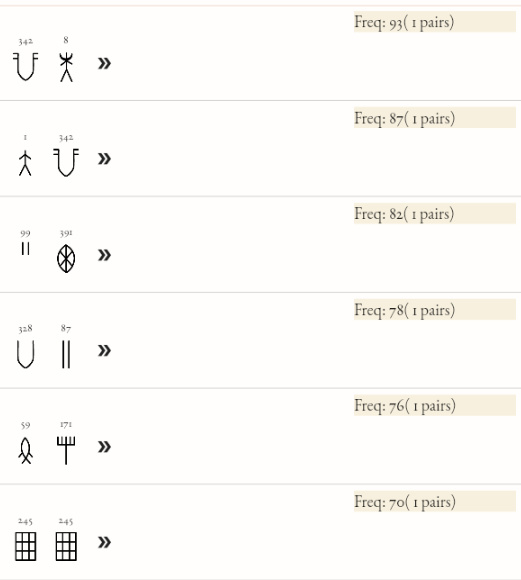
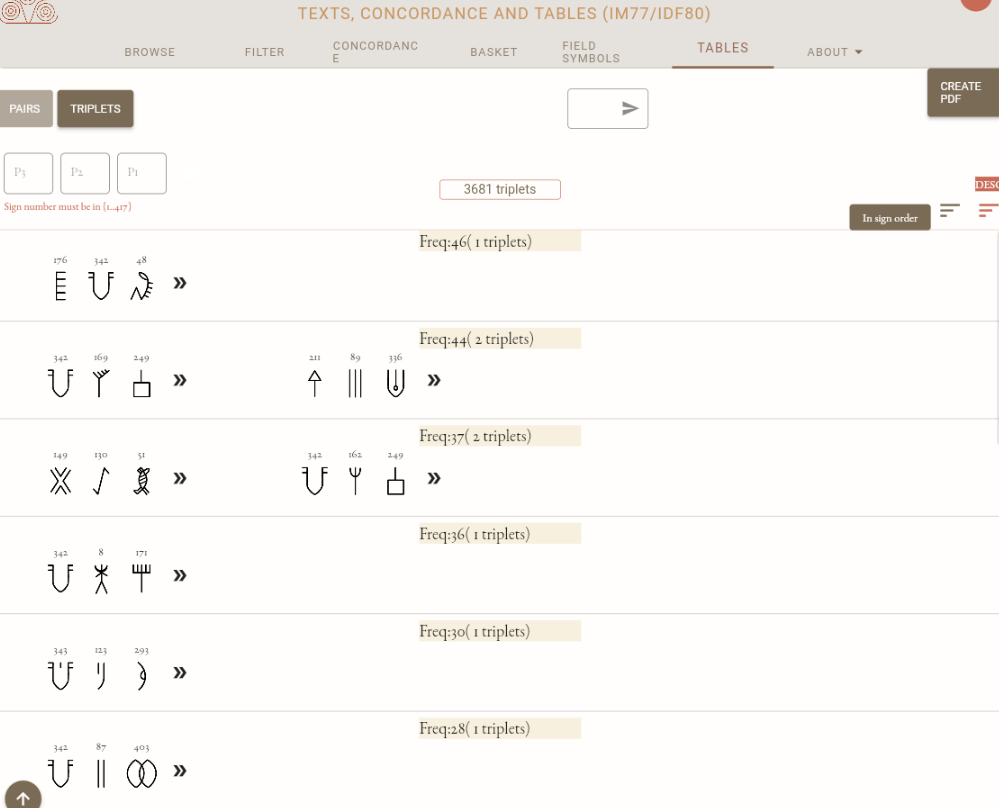
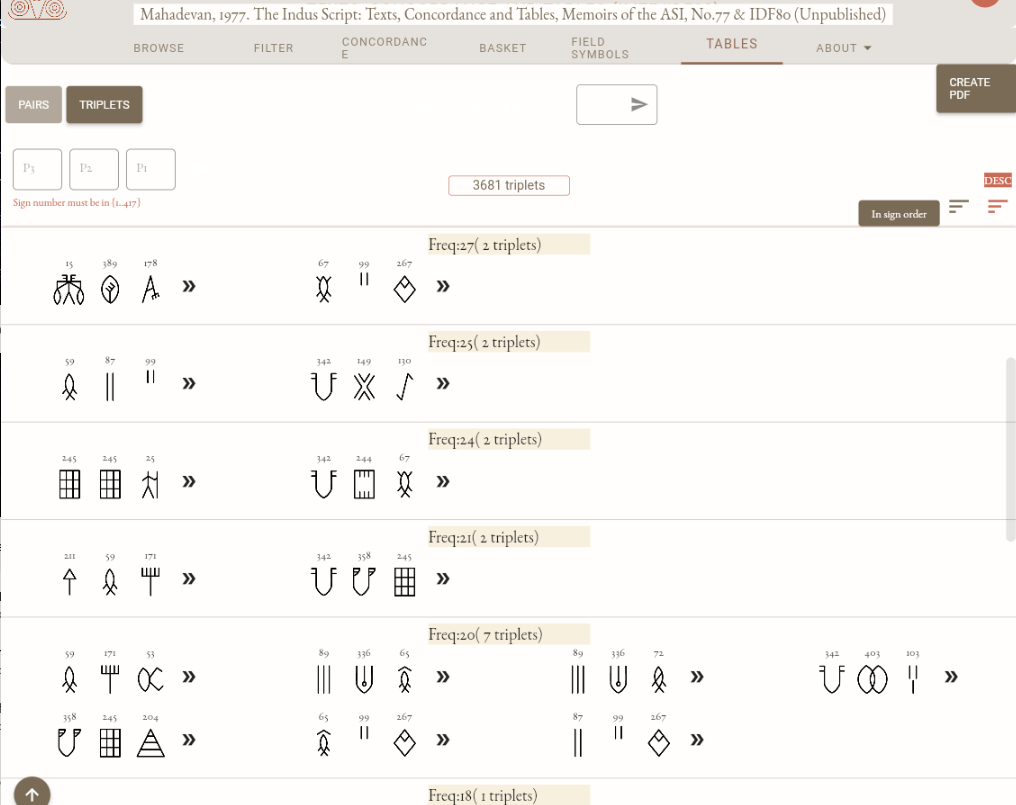
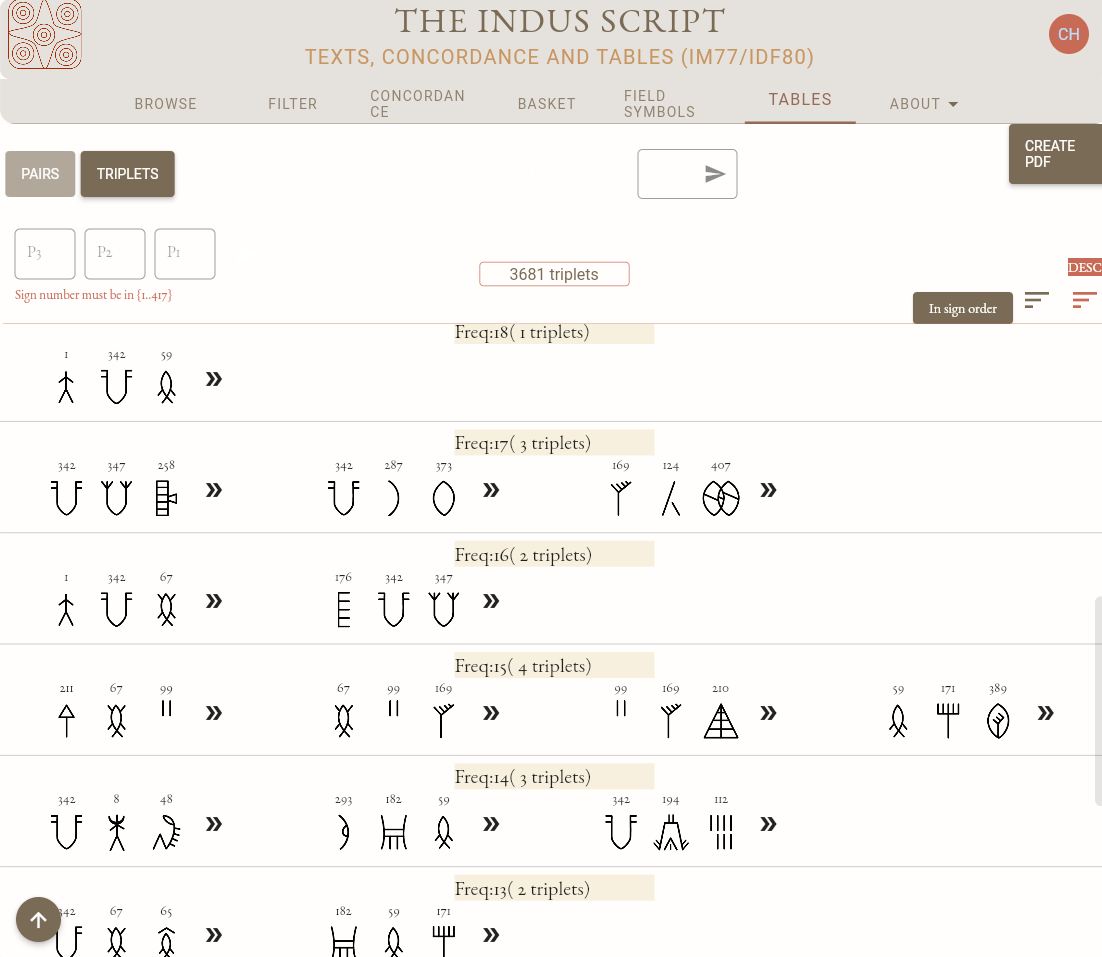
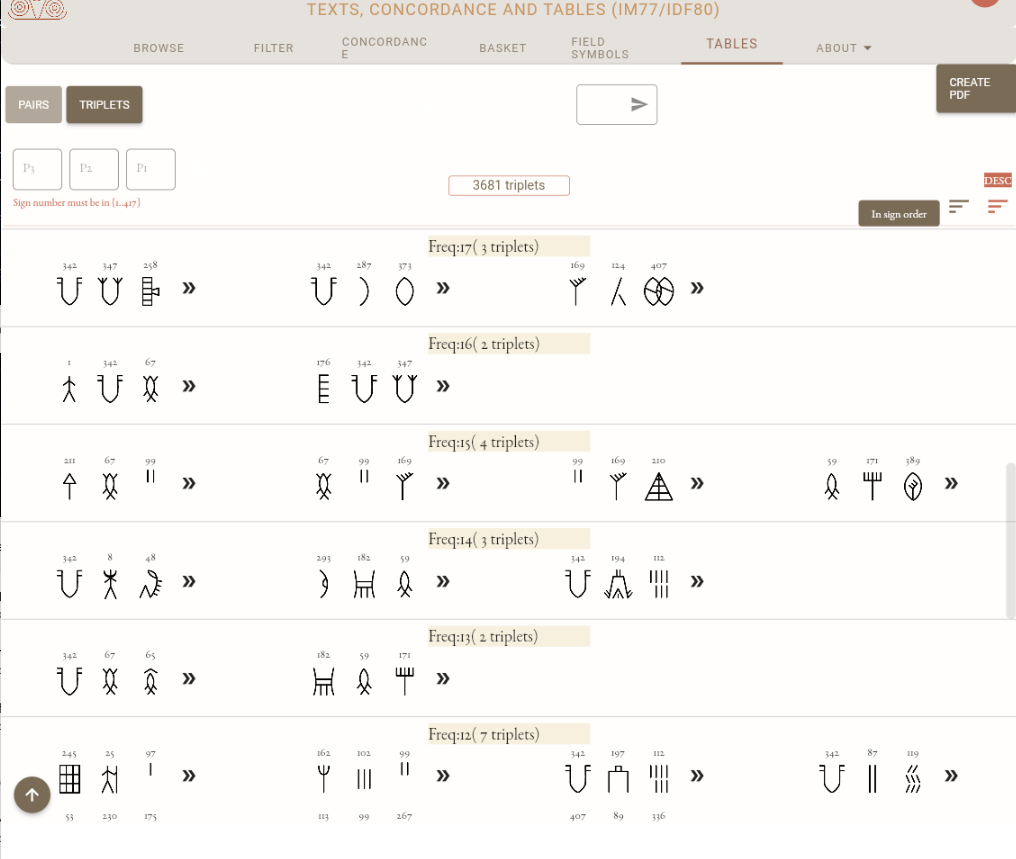
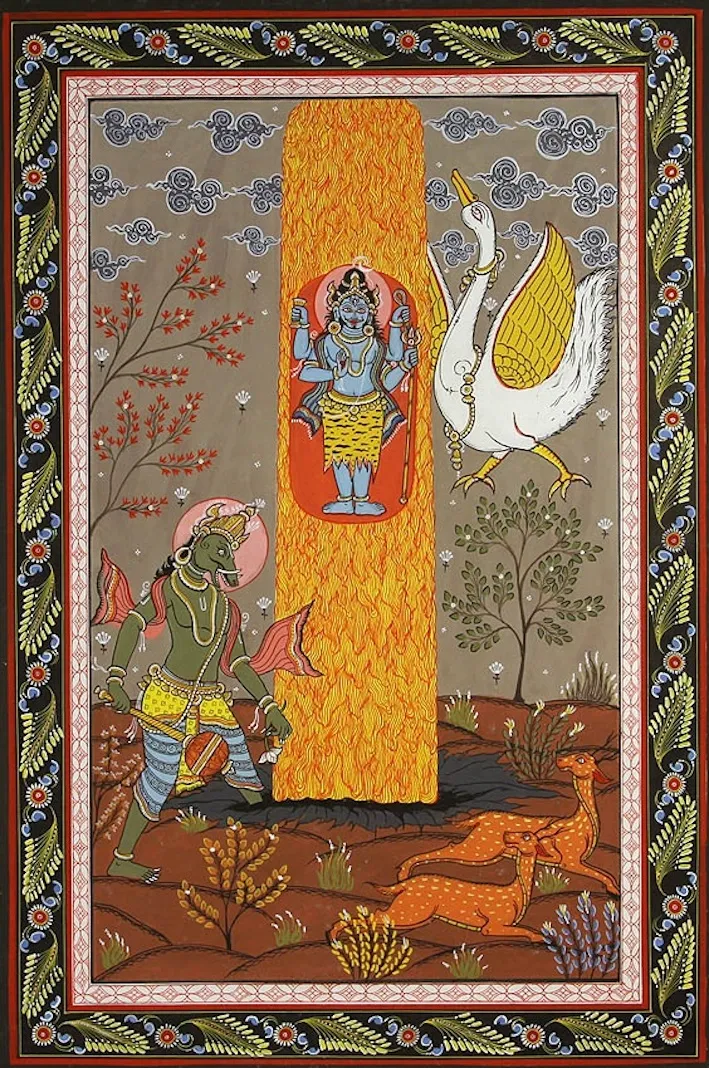
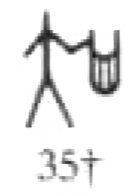


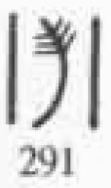
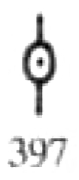
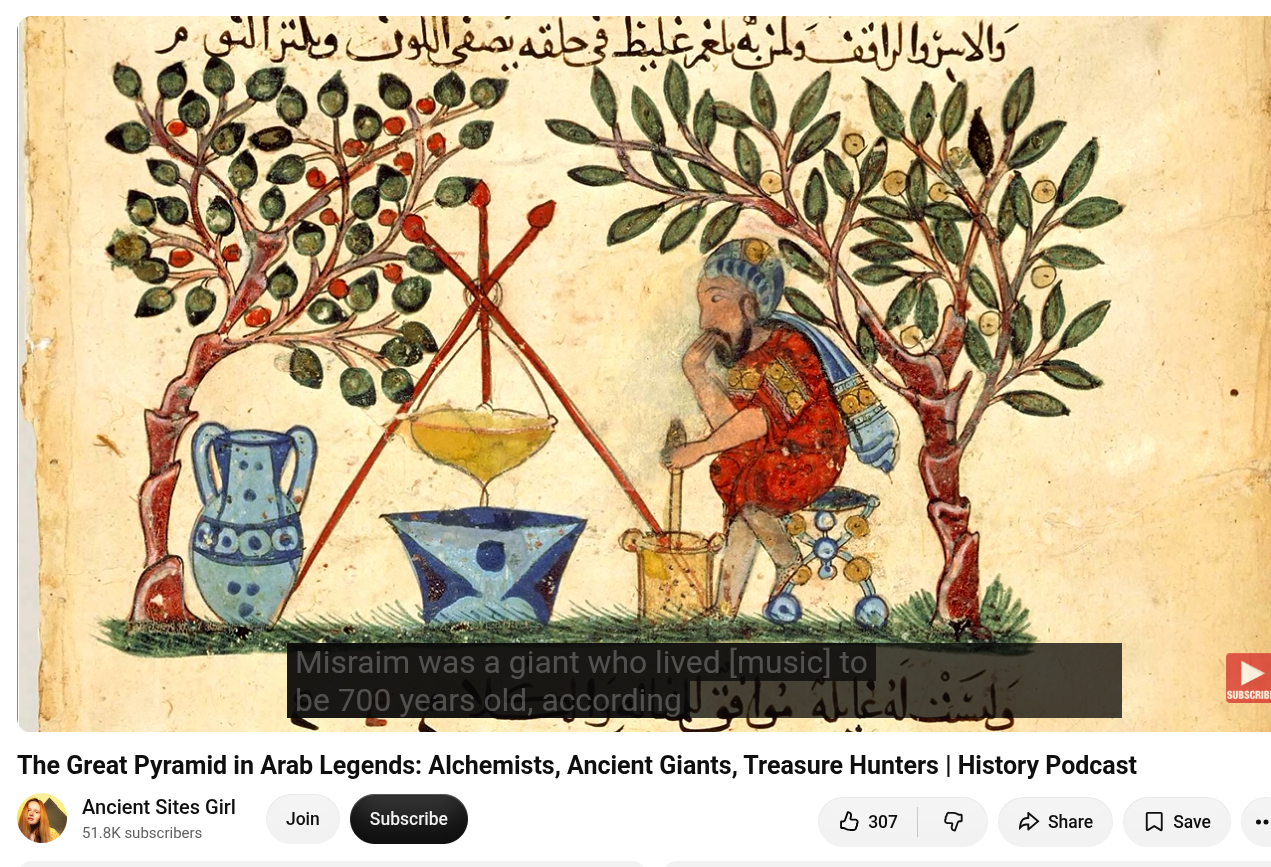
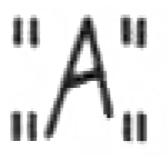


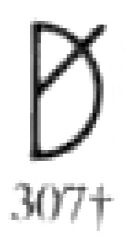
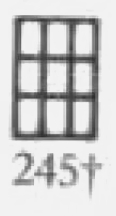

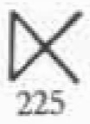
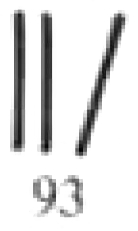
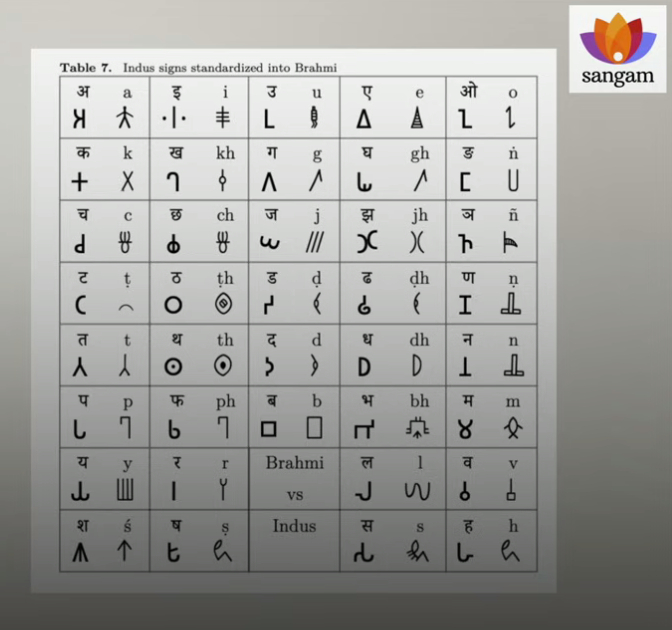
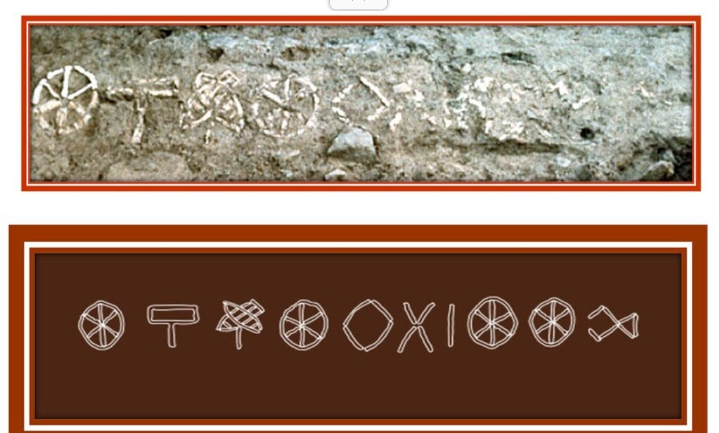
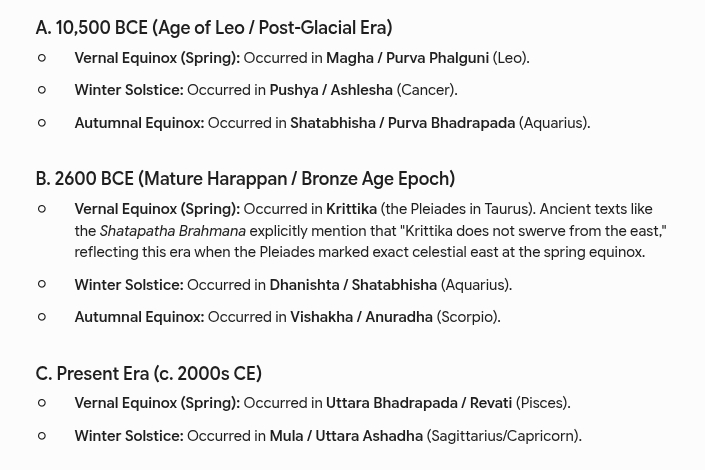
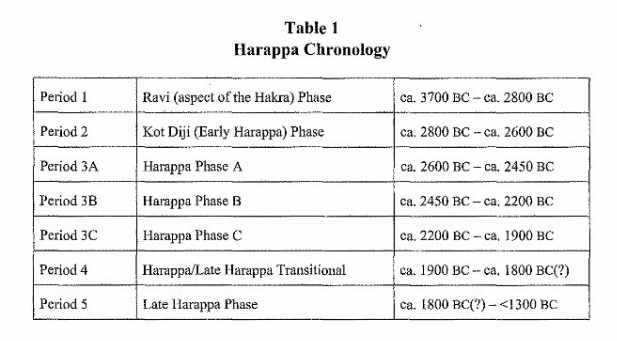
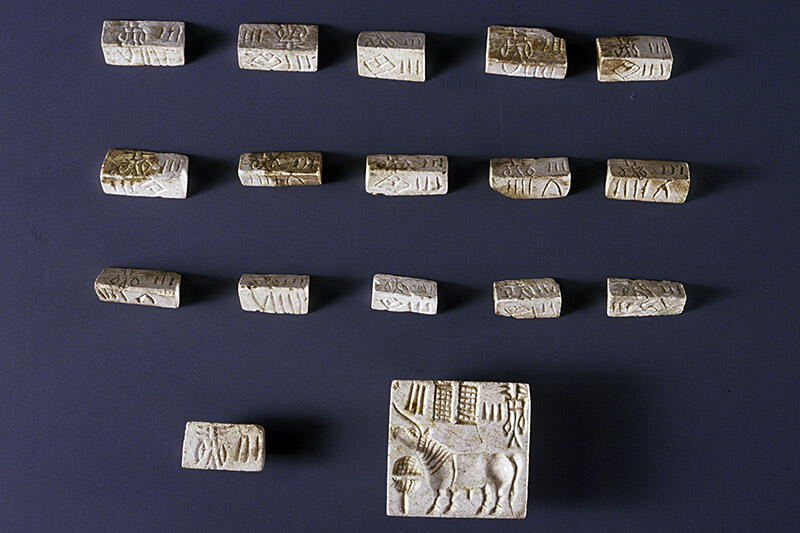
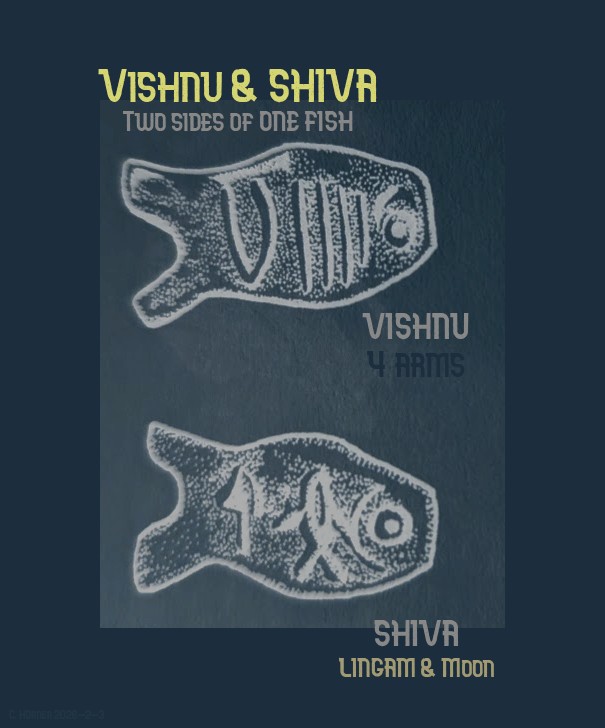
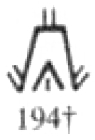
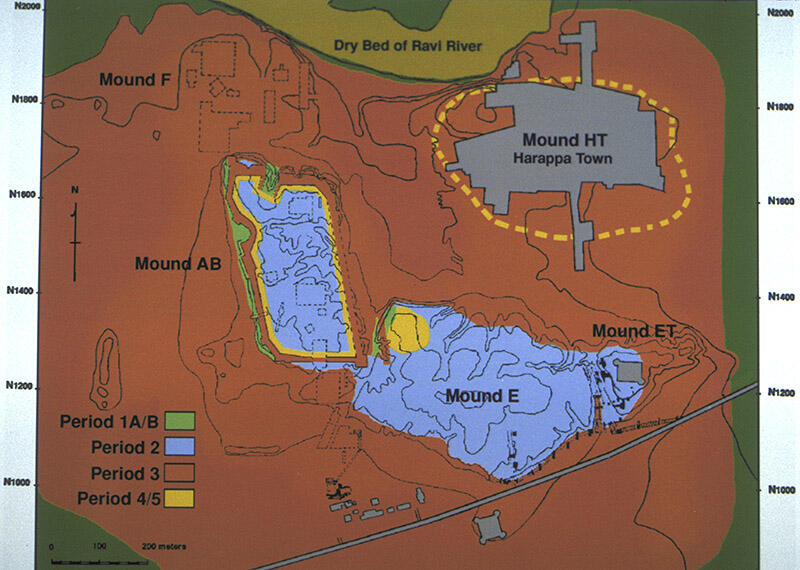
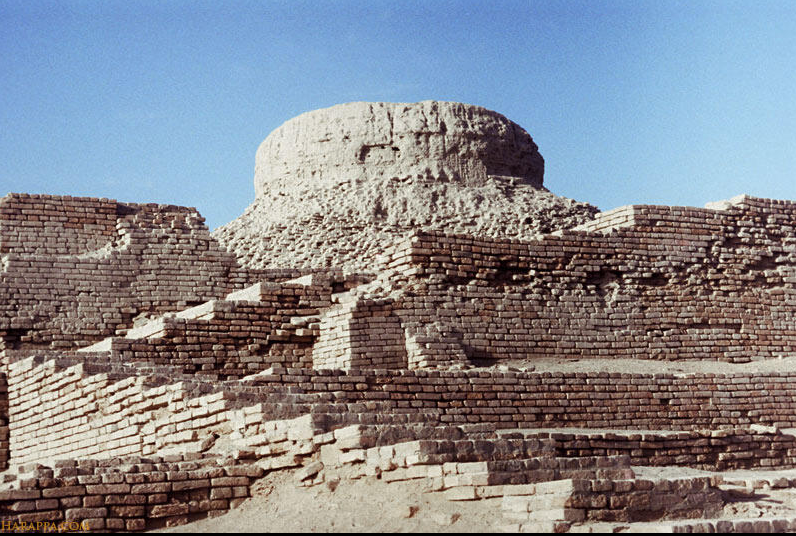
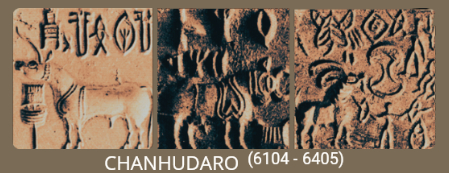
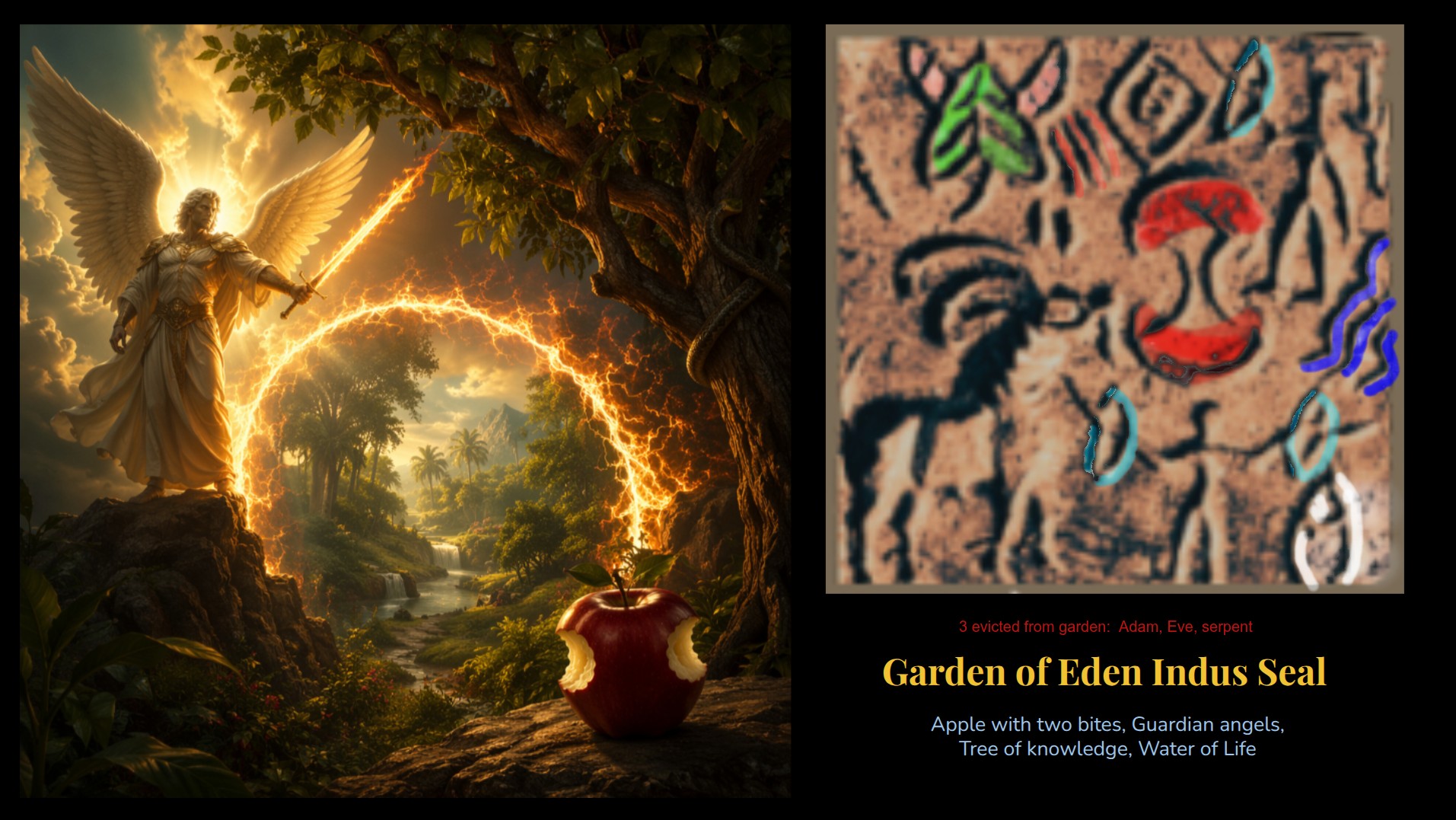
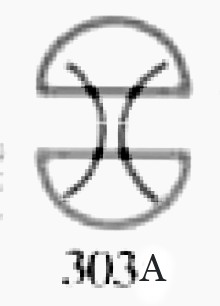
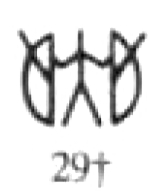
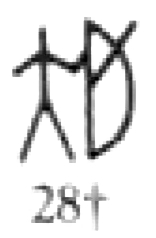
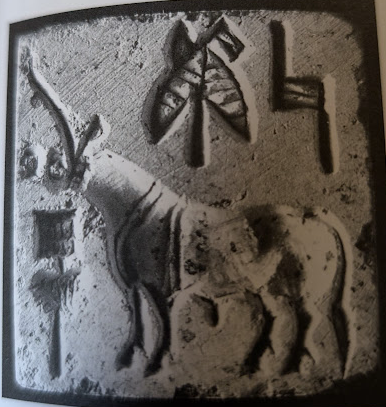
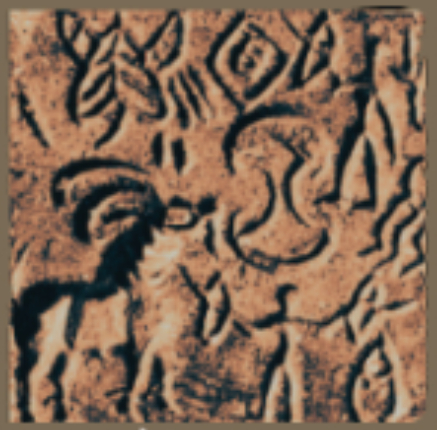
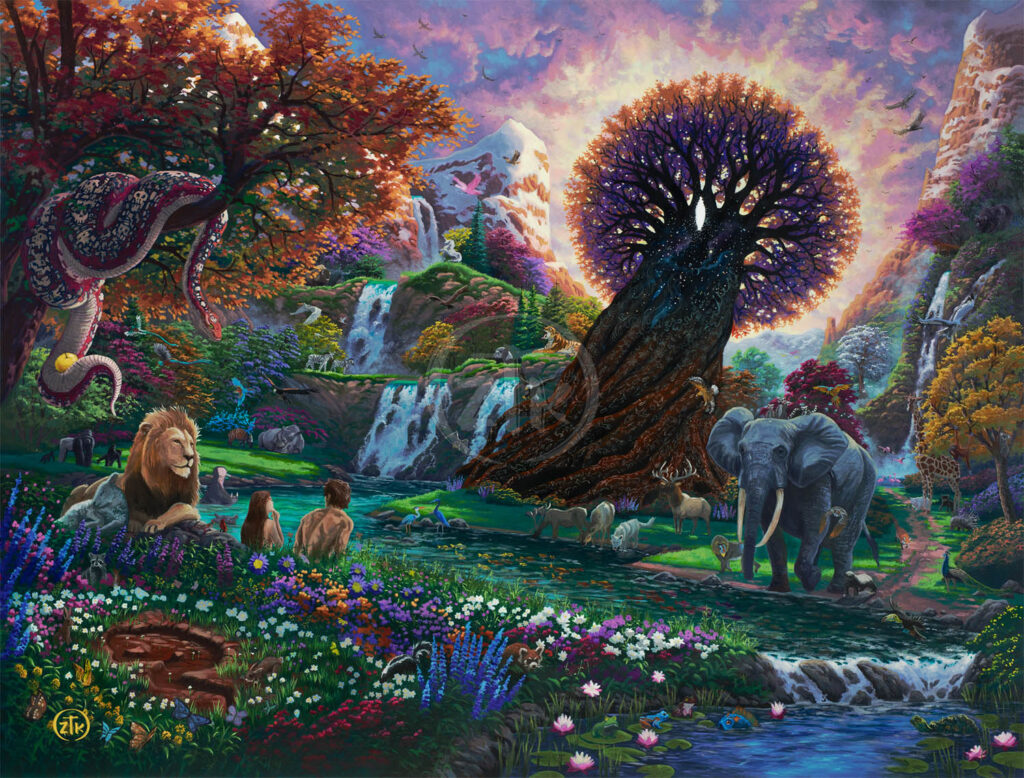
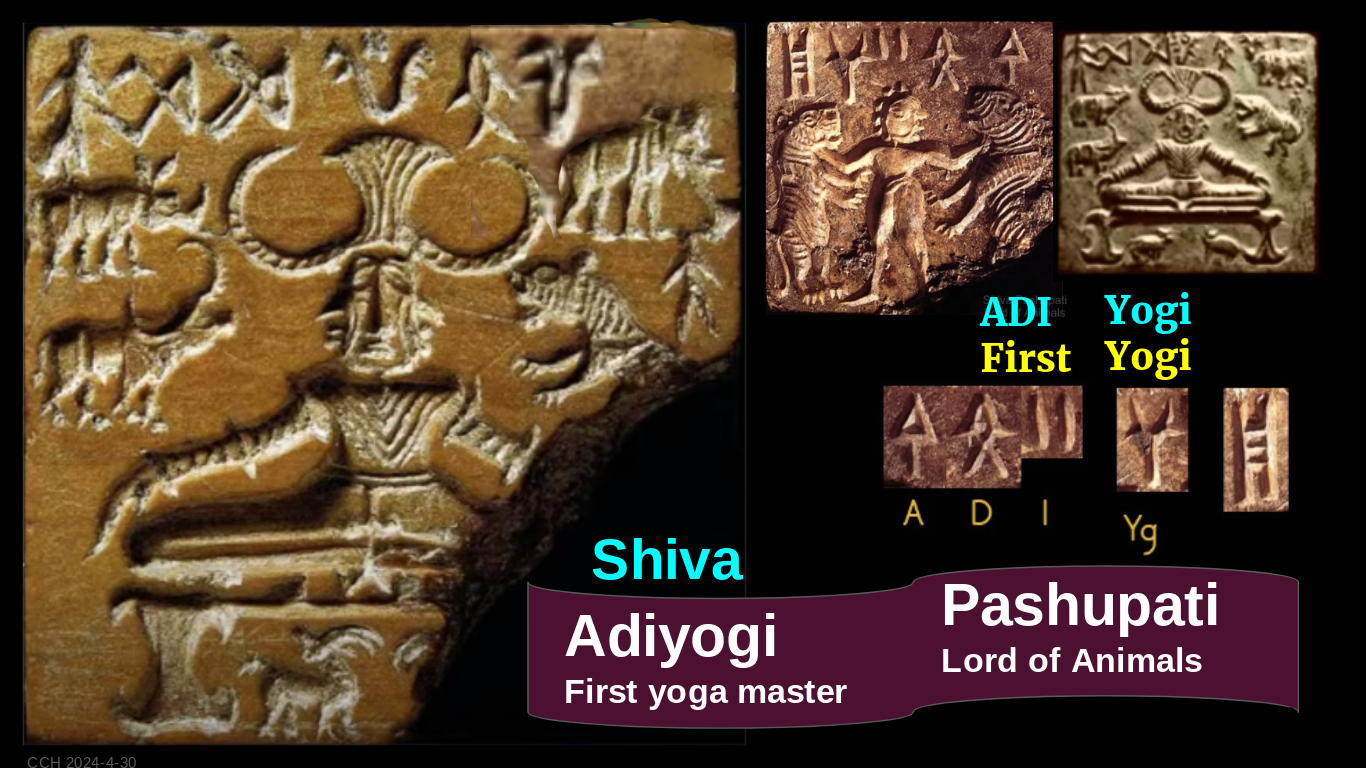
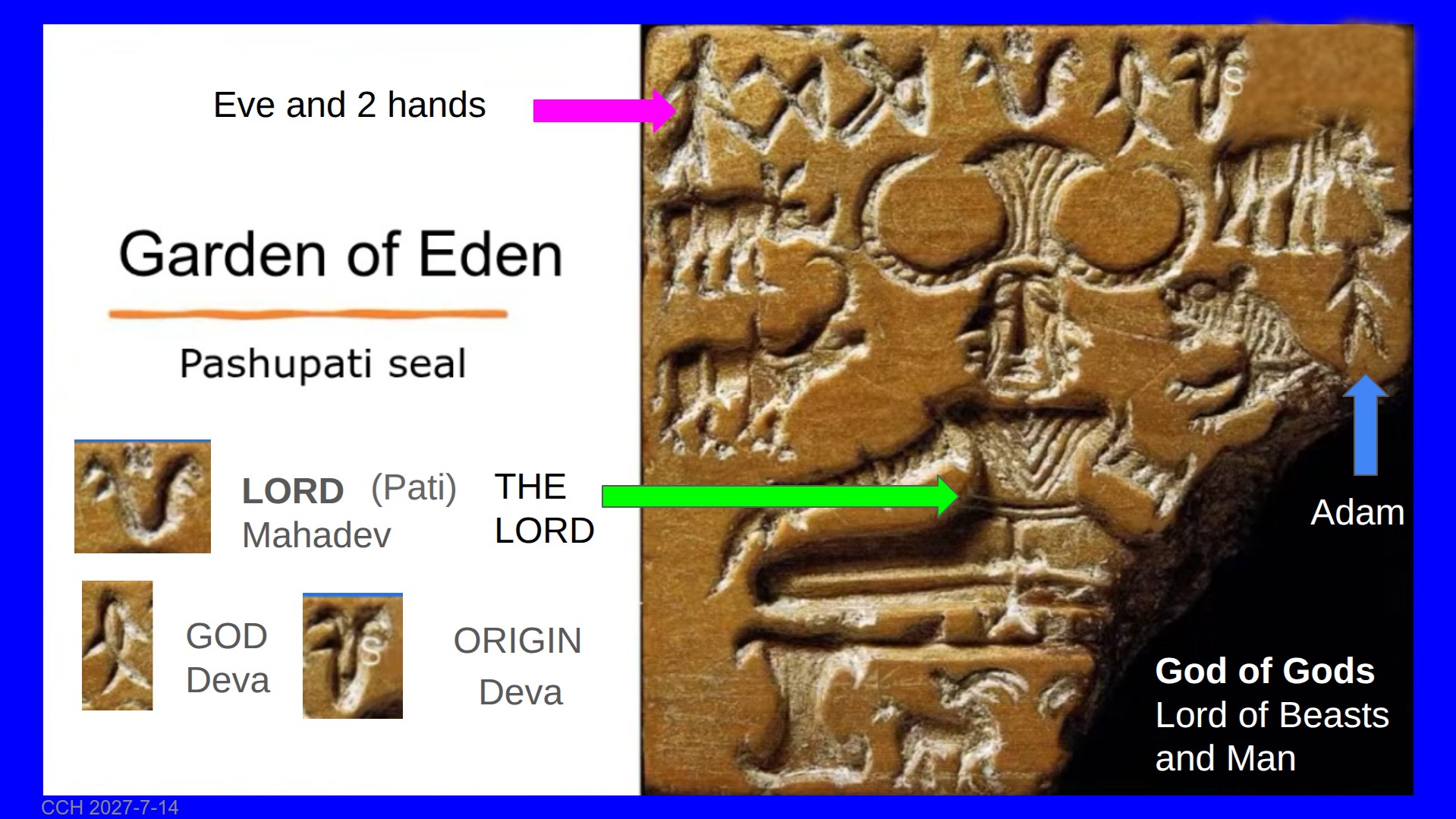
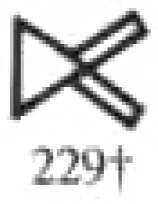
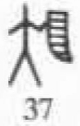
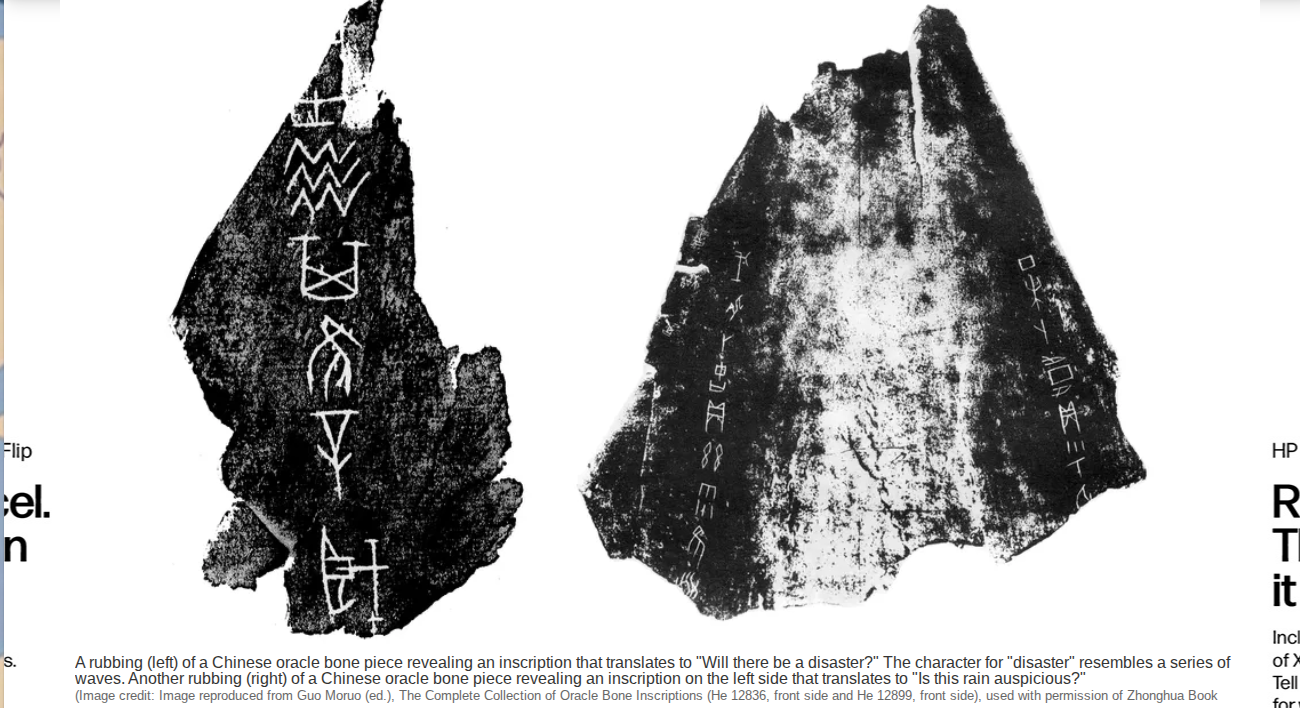 Oracle bone divination regarding flood
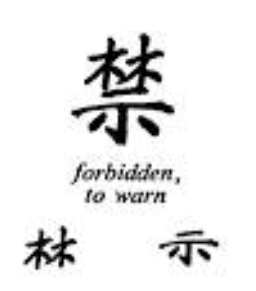
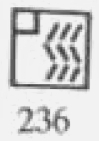
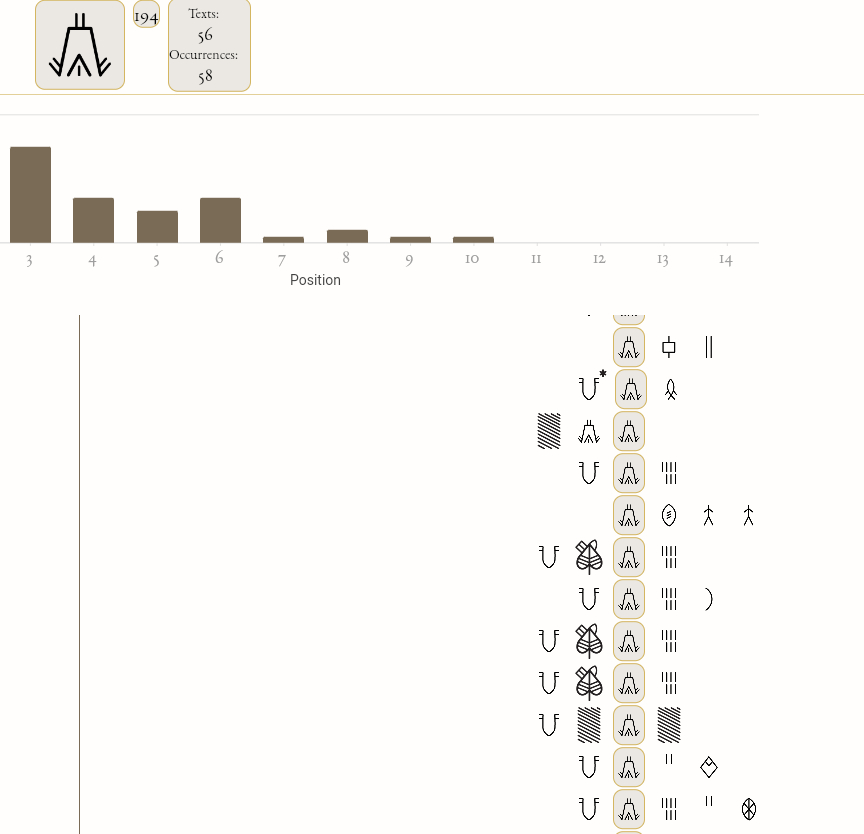
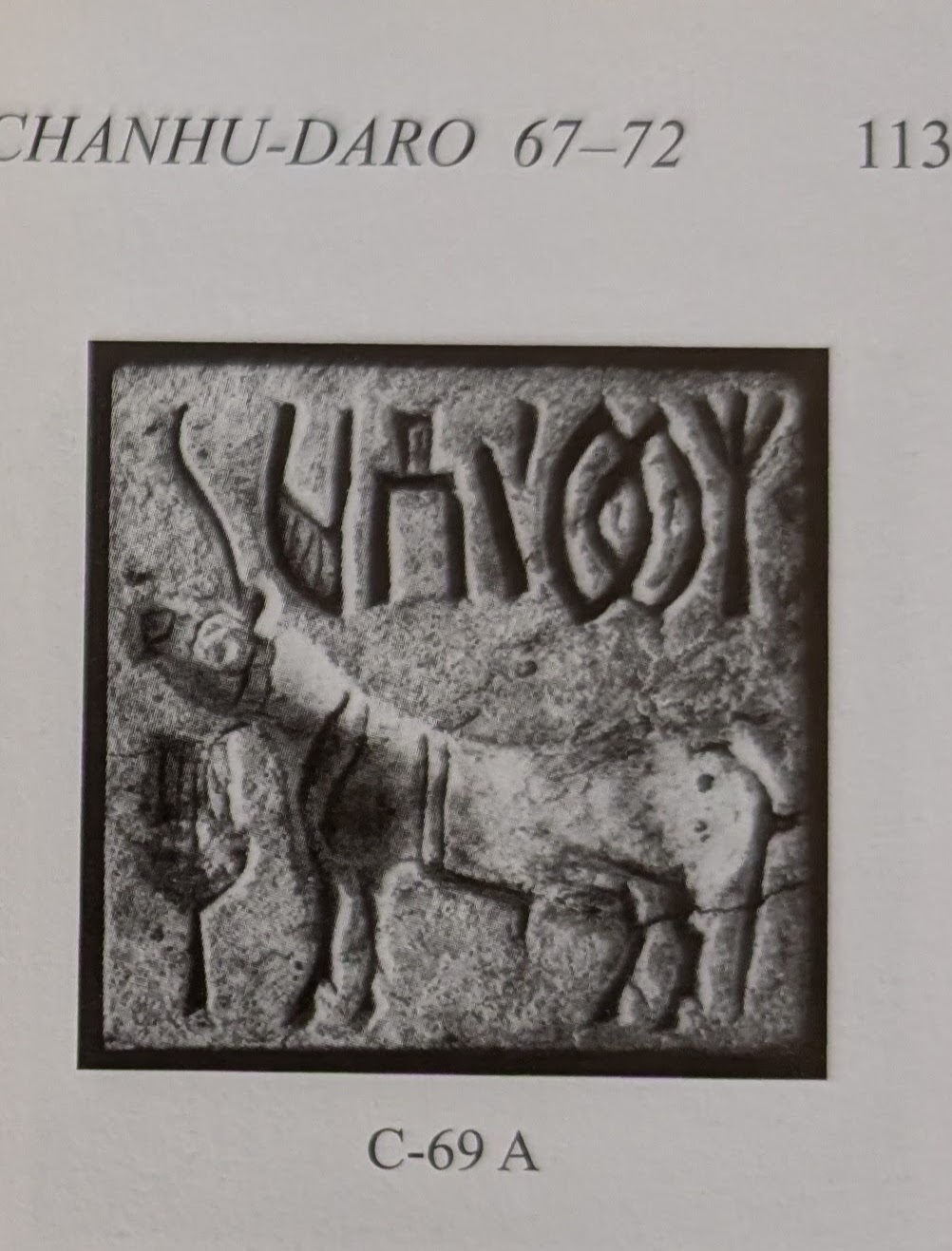
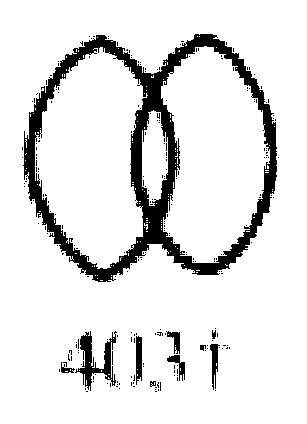
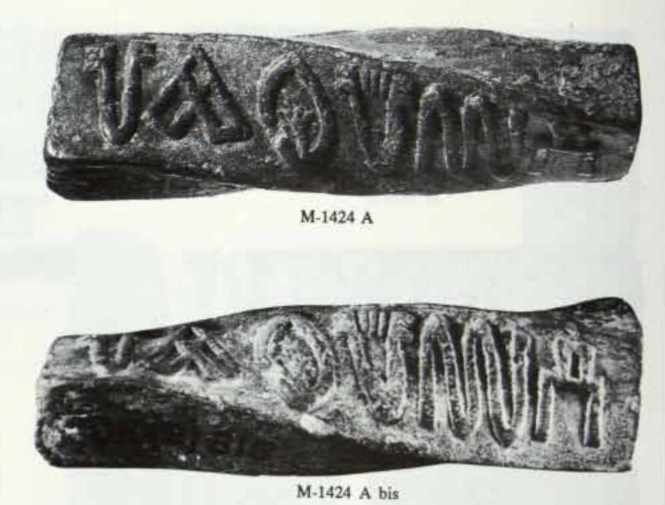
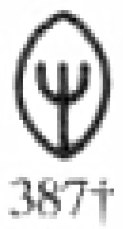
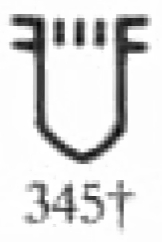
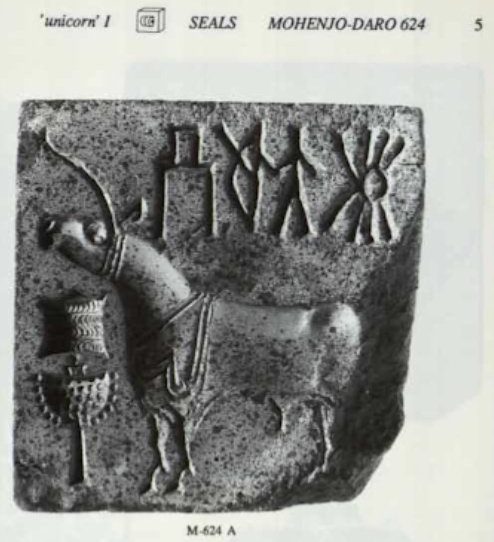
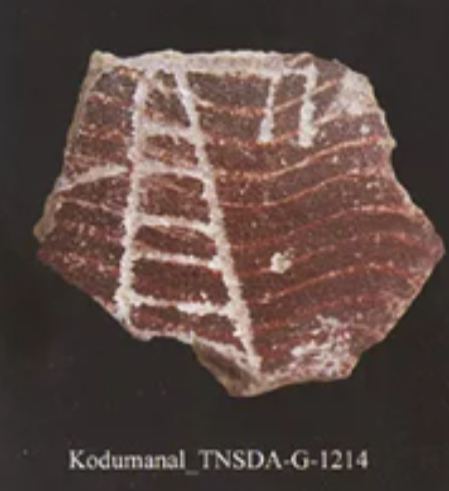
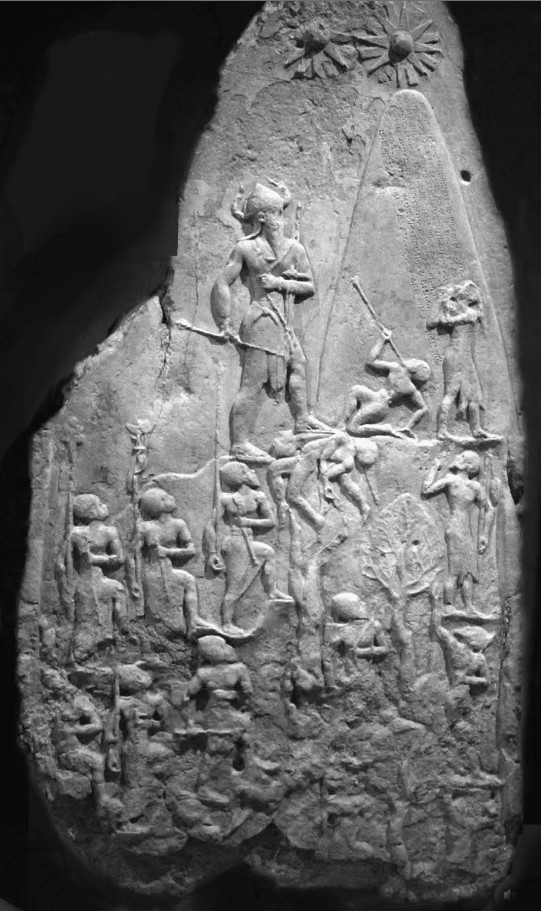
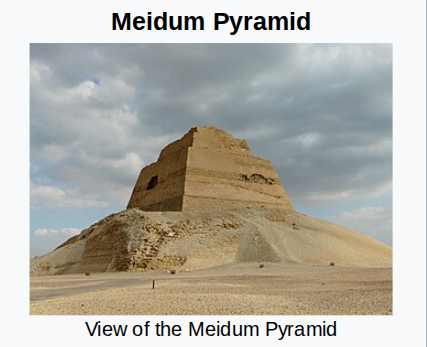
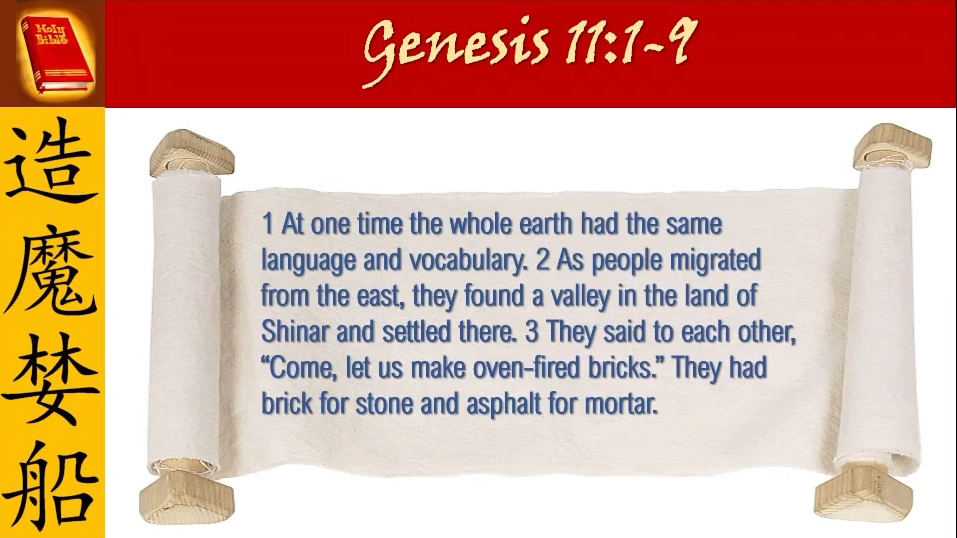
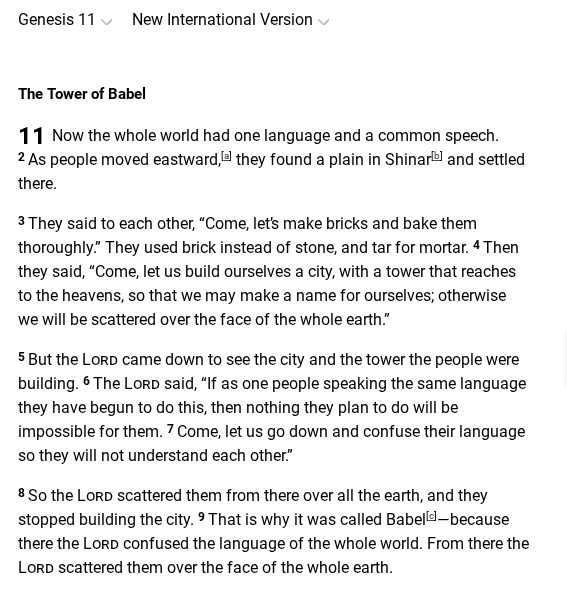
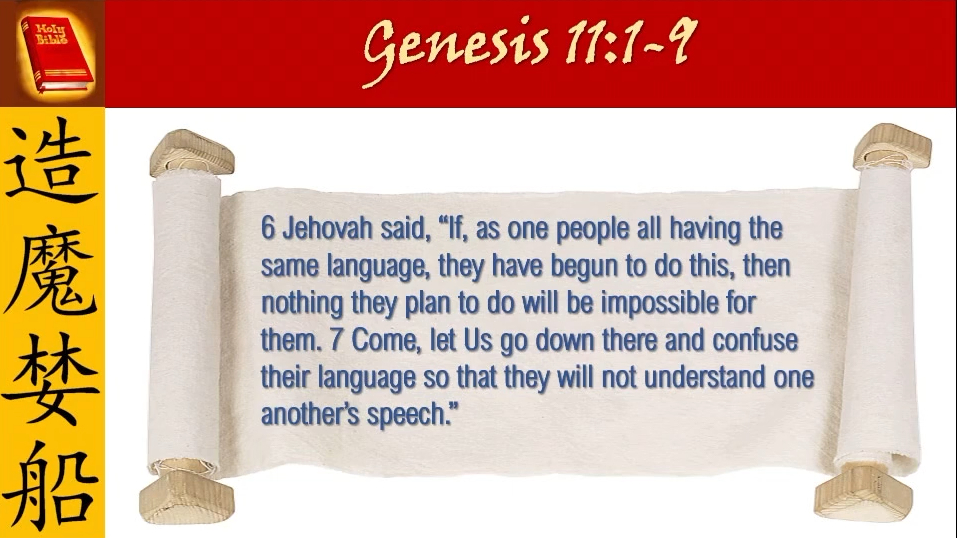
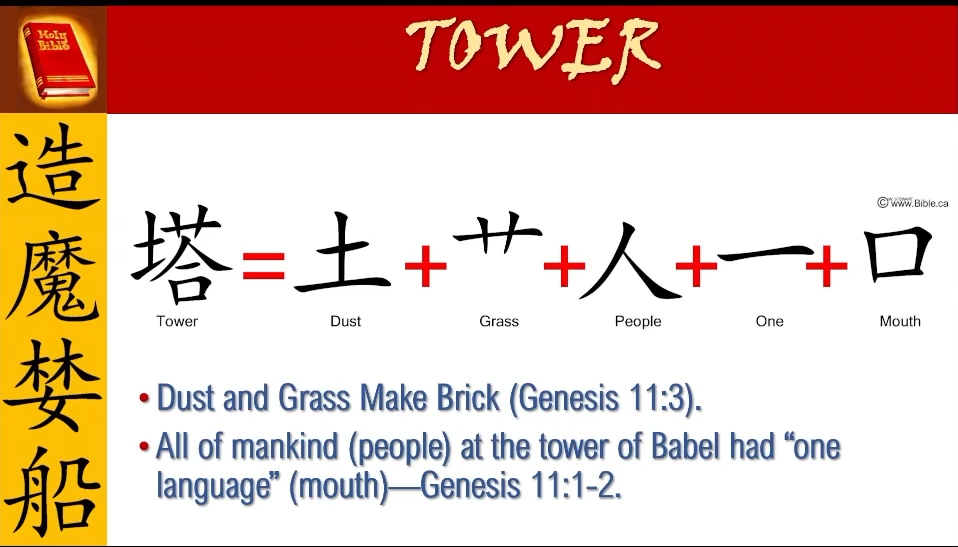
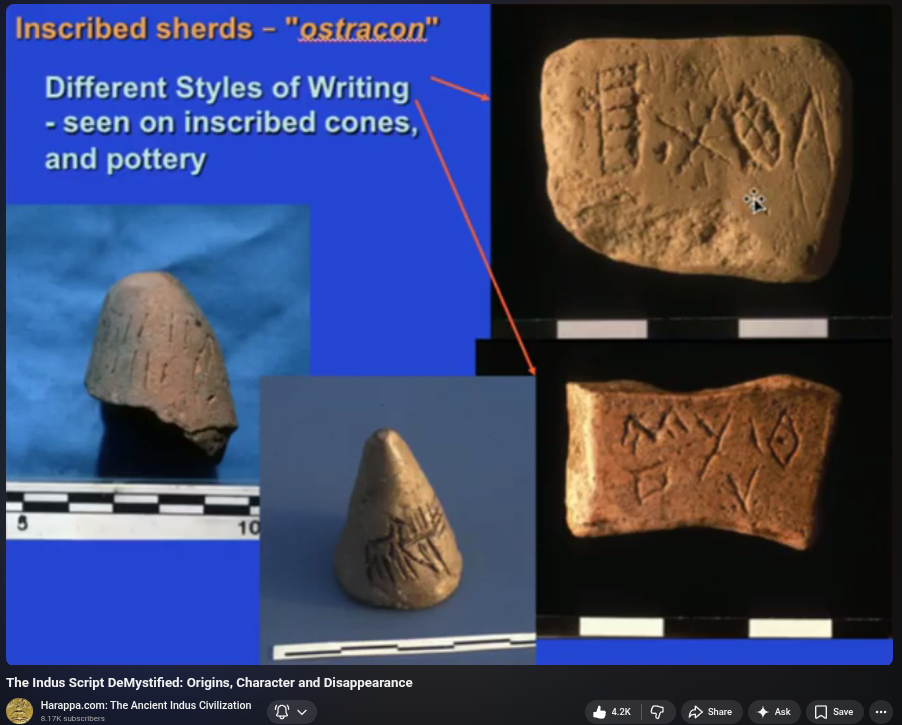

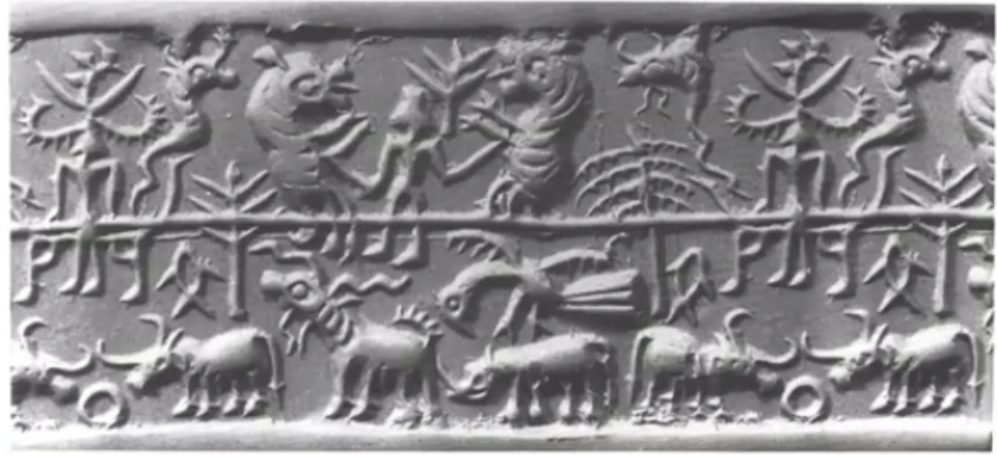
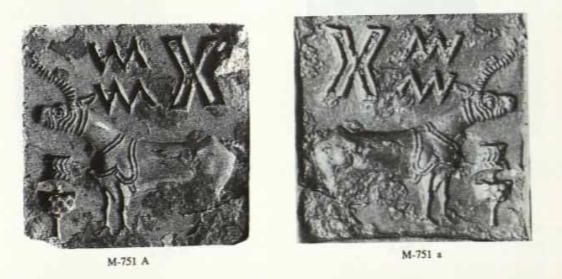
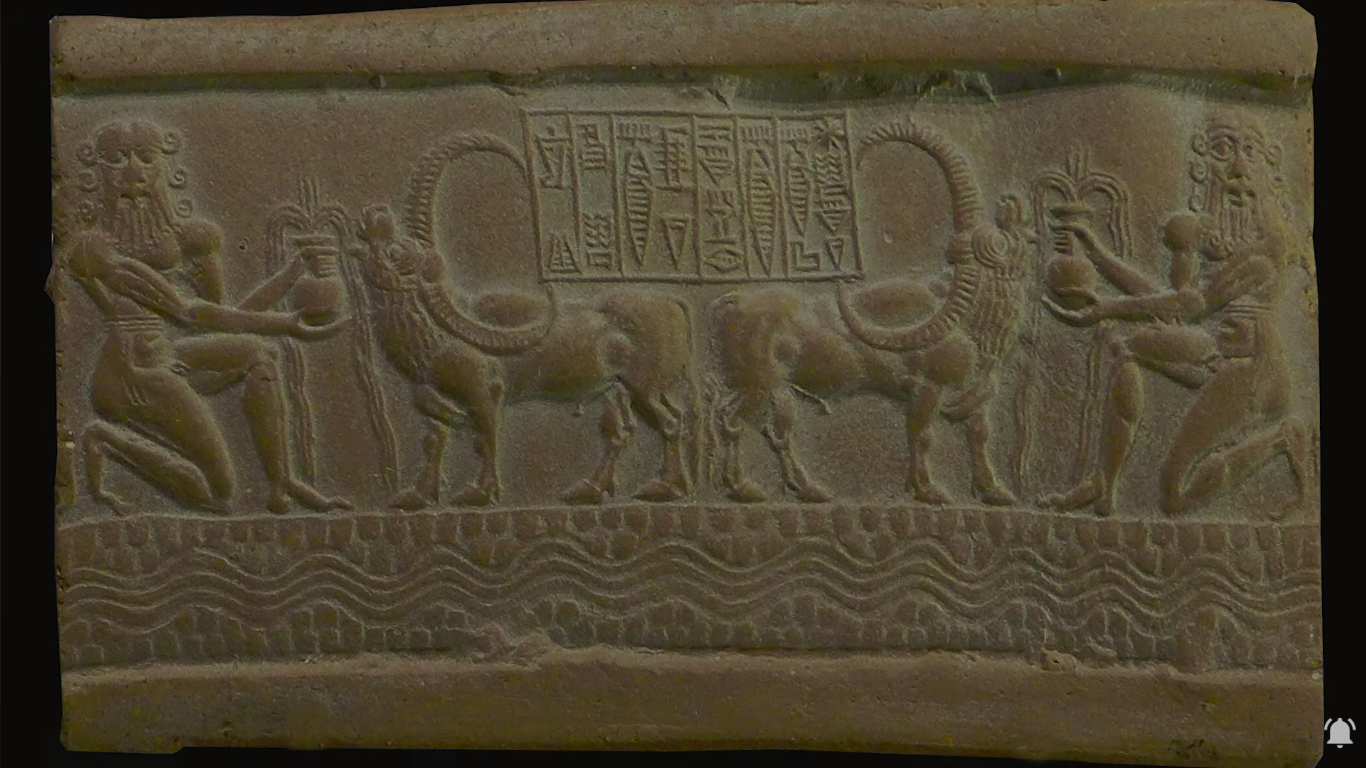
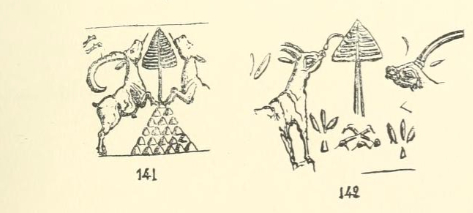

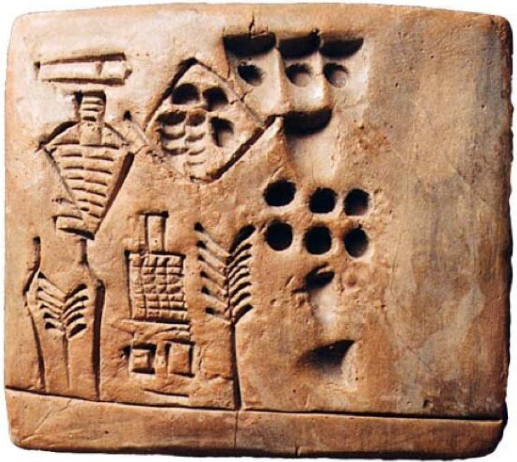

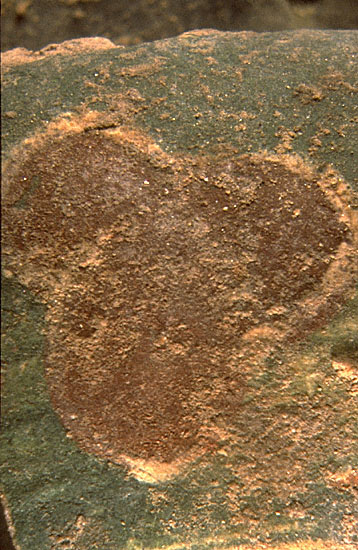
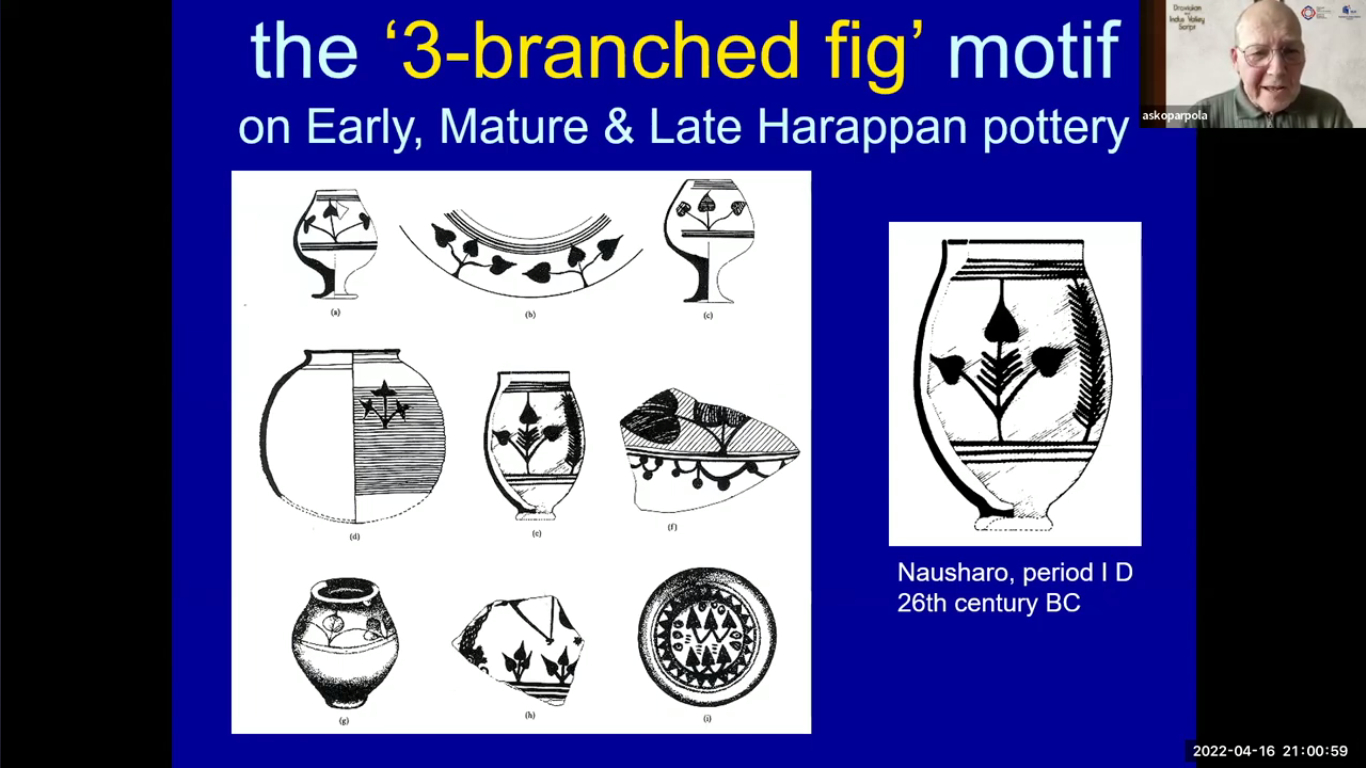
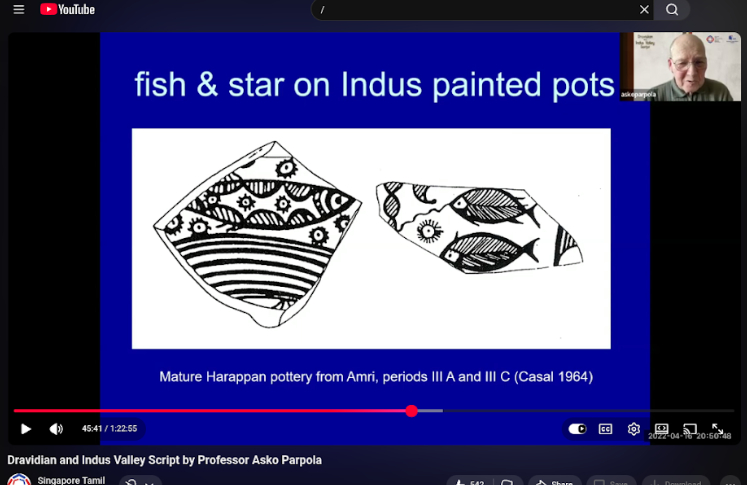
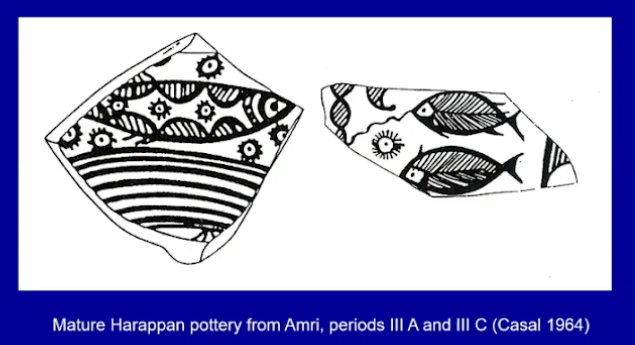
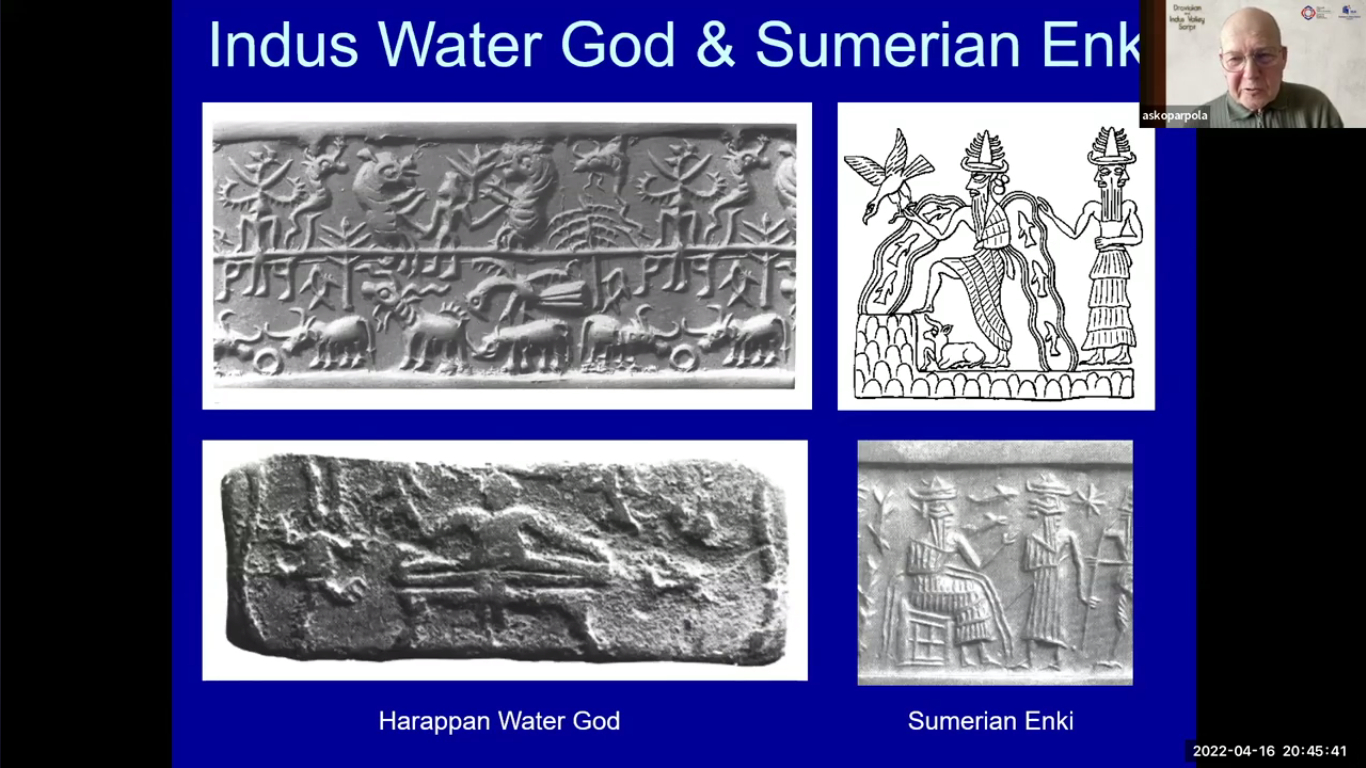
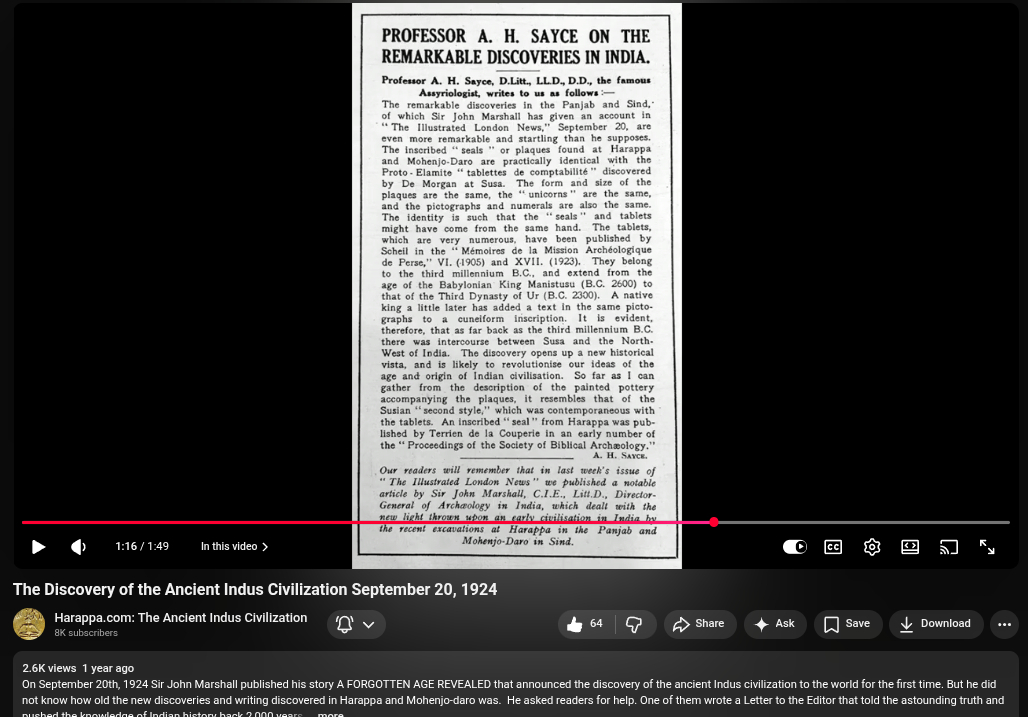
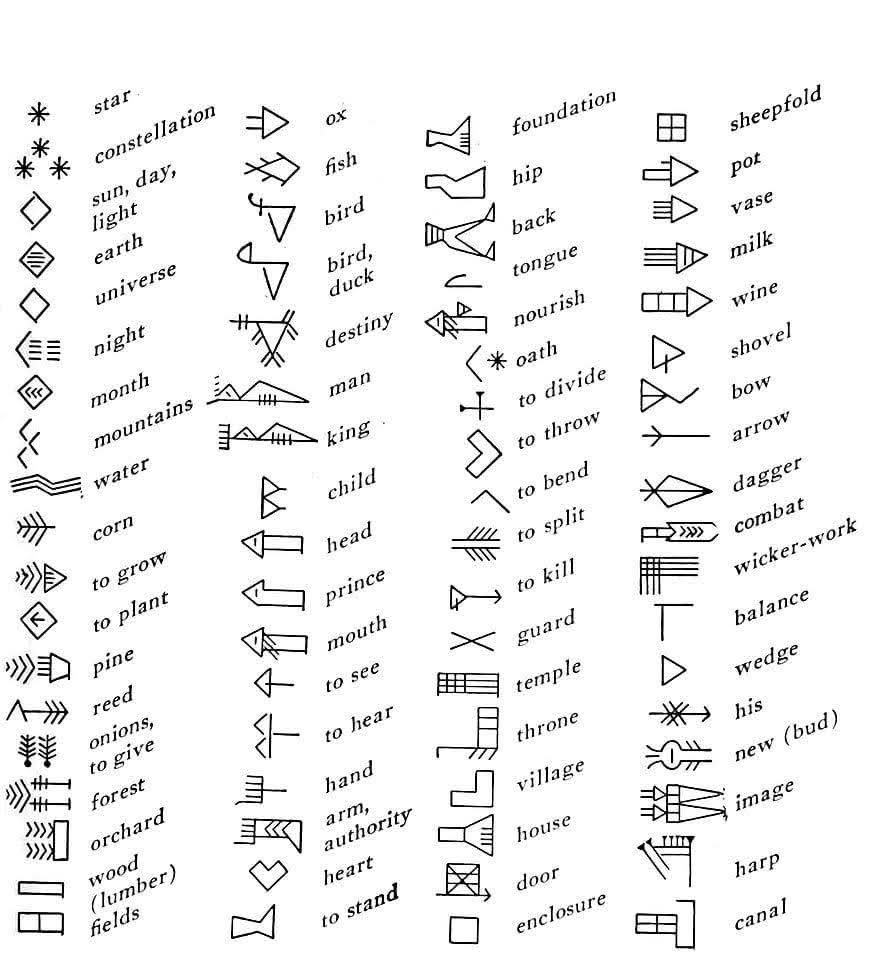
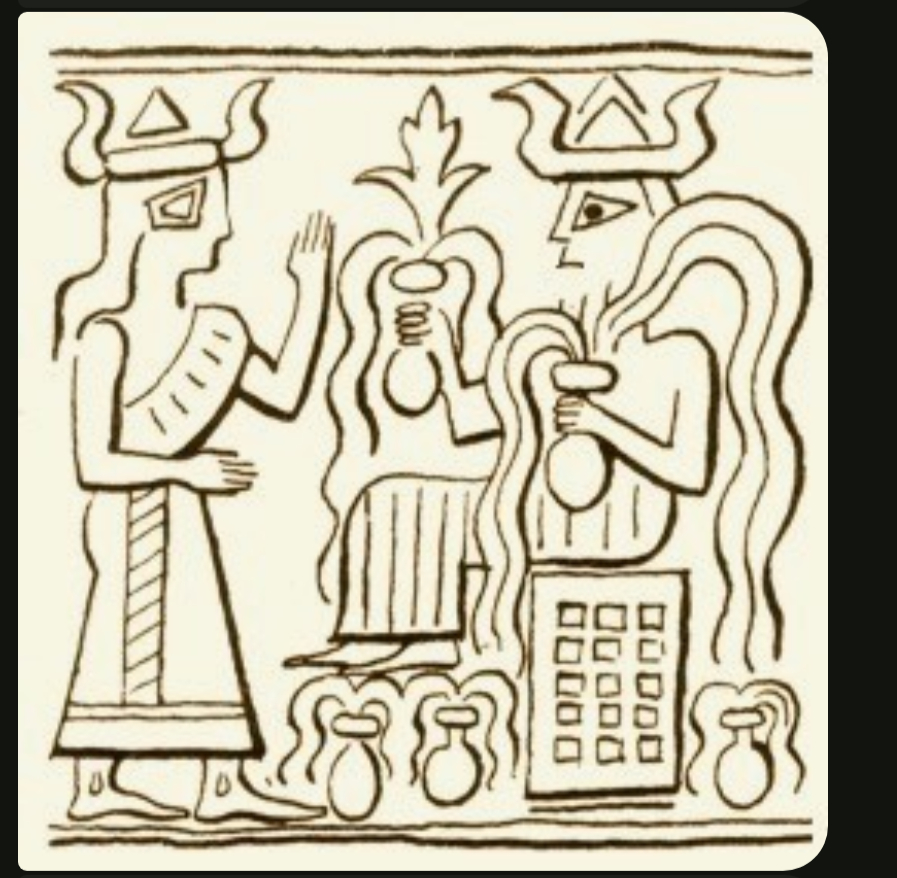
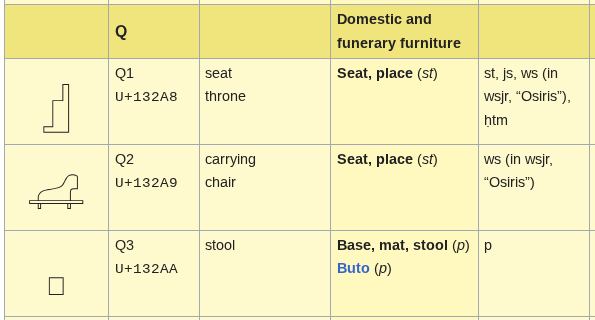
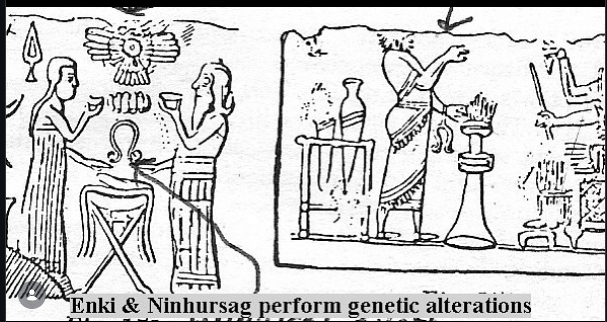
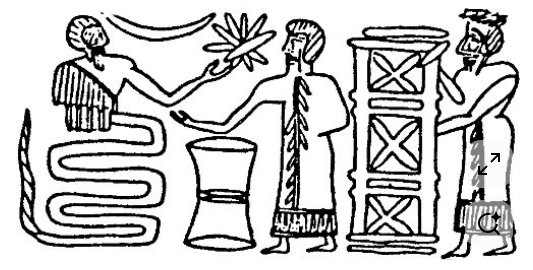
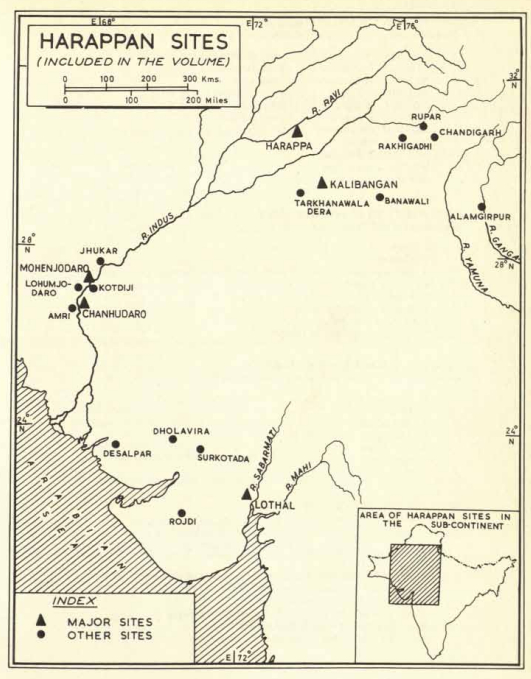
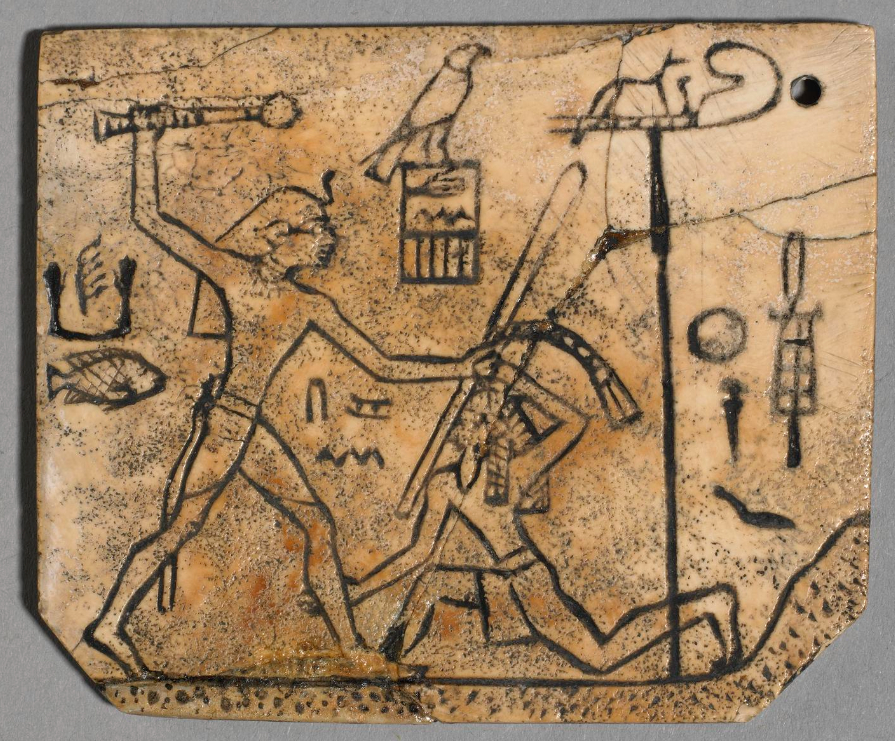
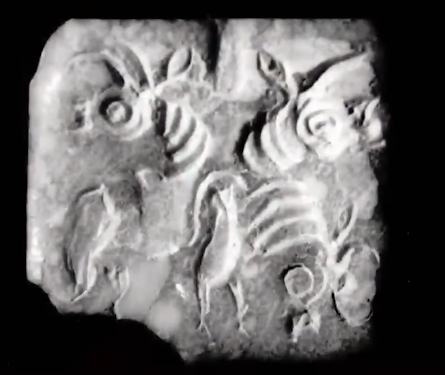
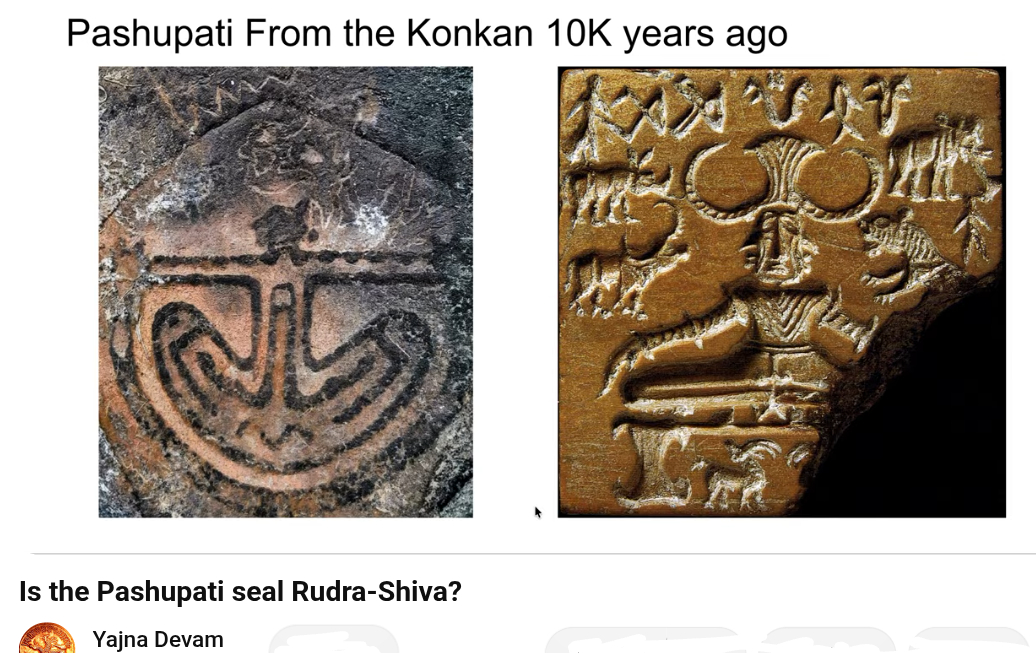
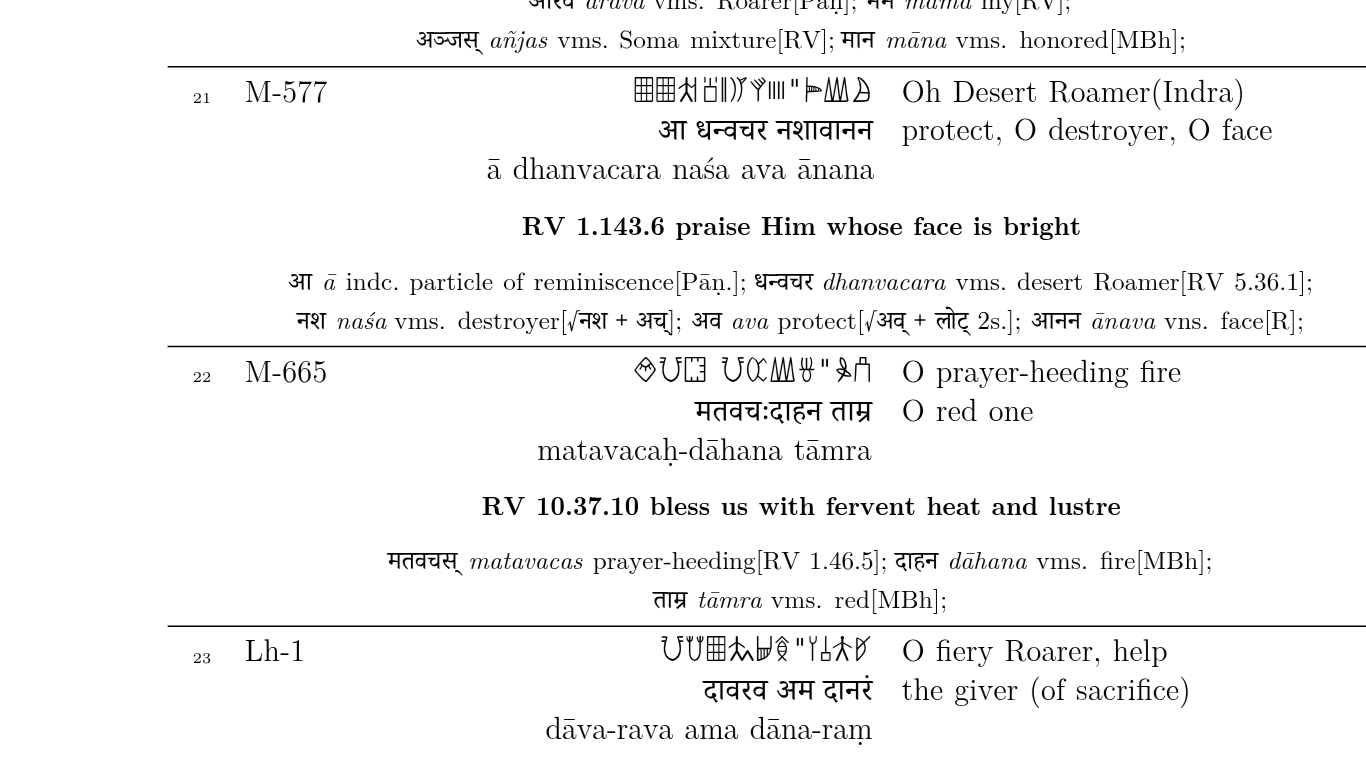
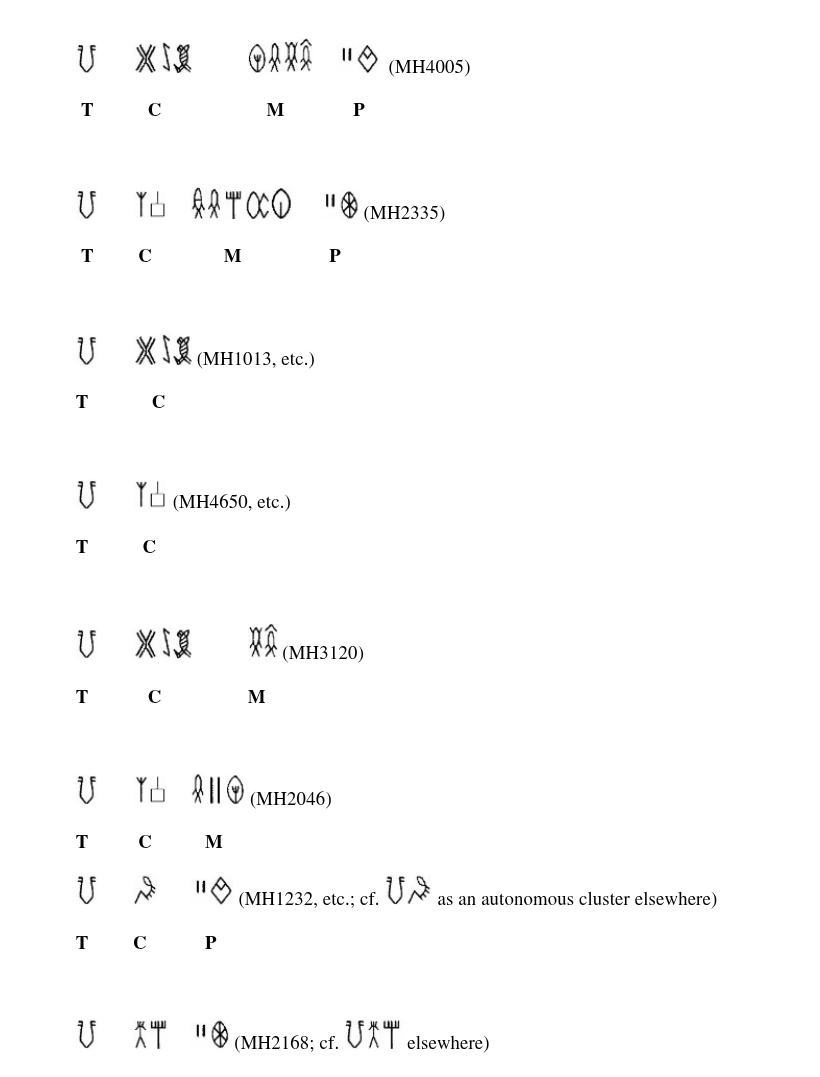
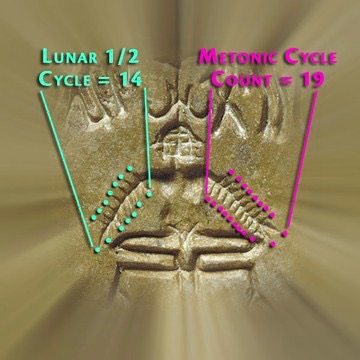
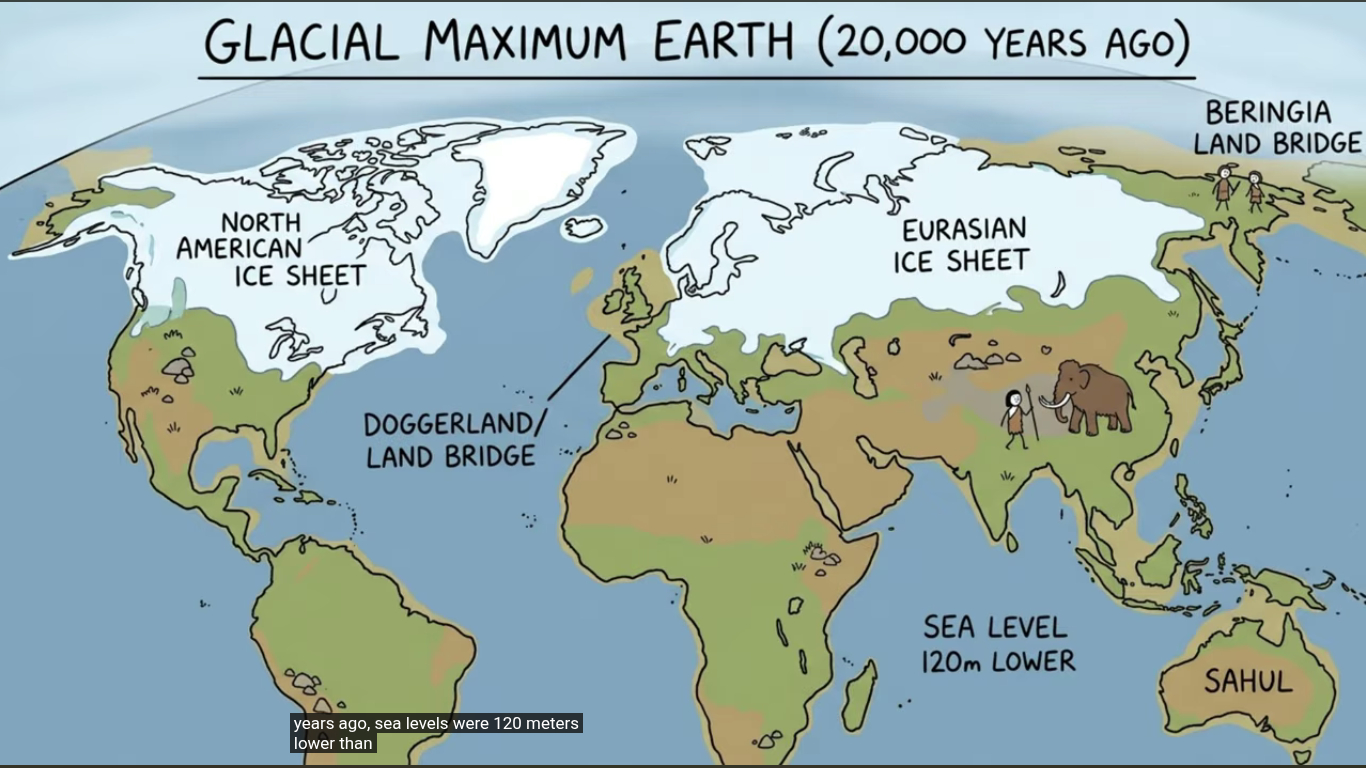
.jpg)
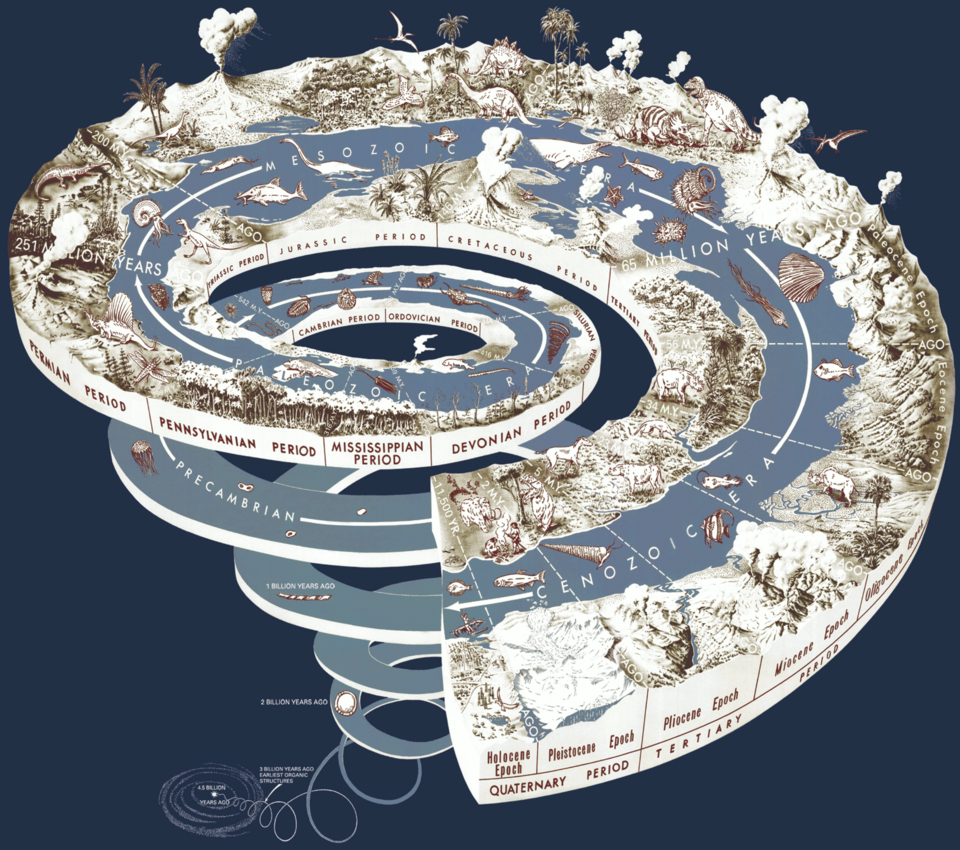
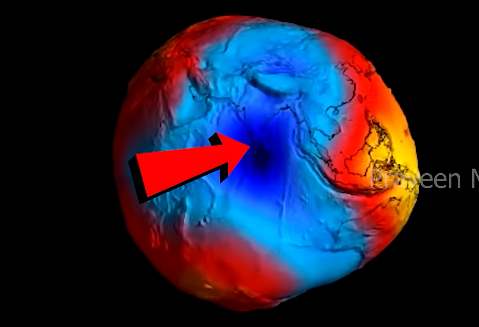
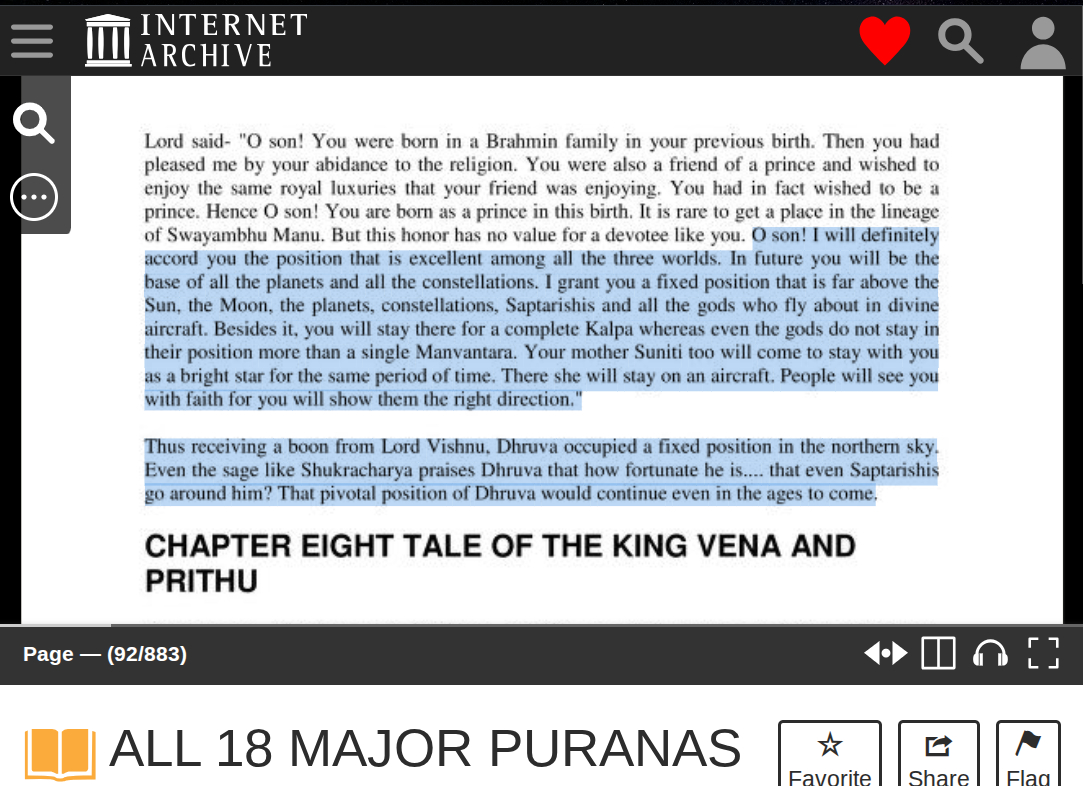
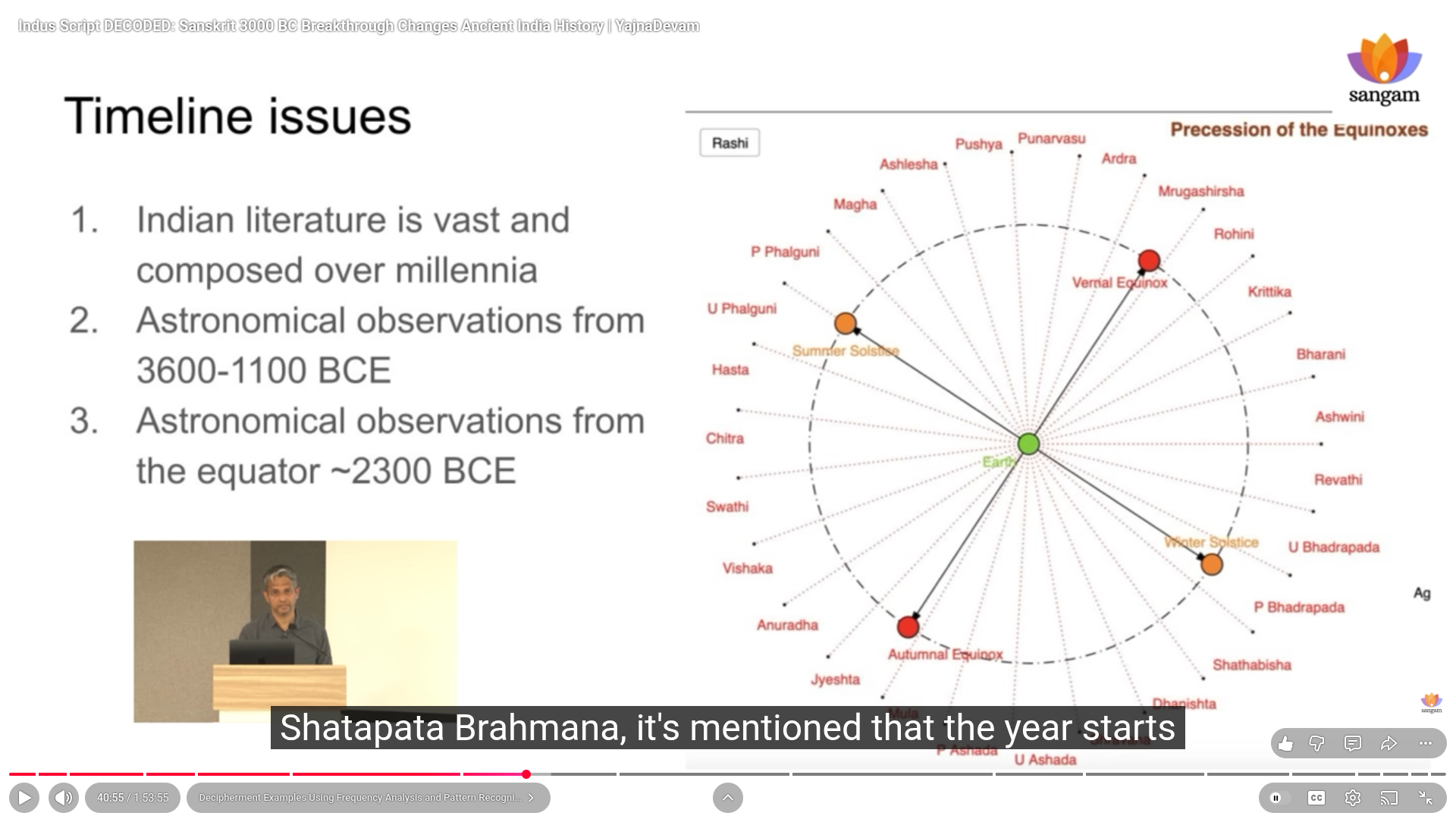
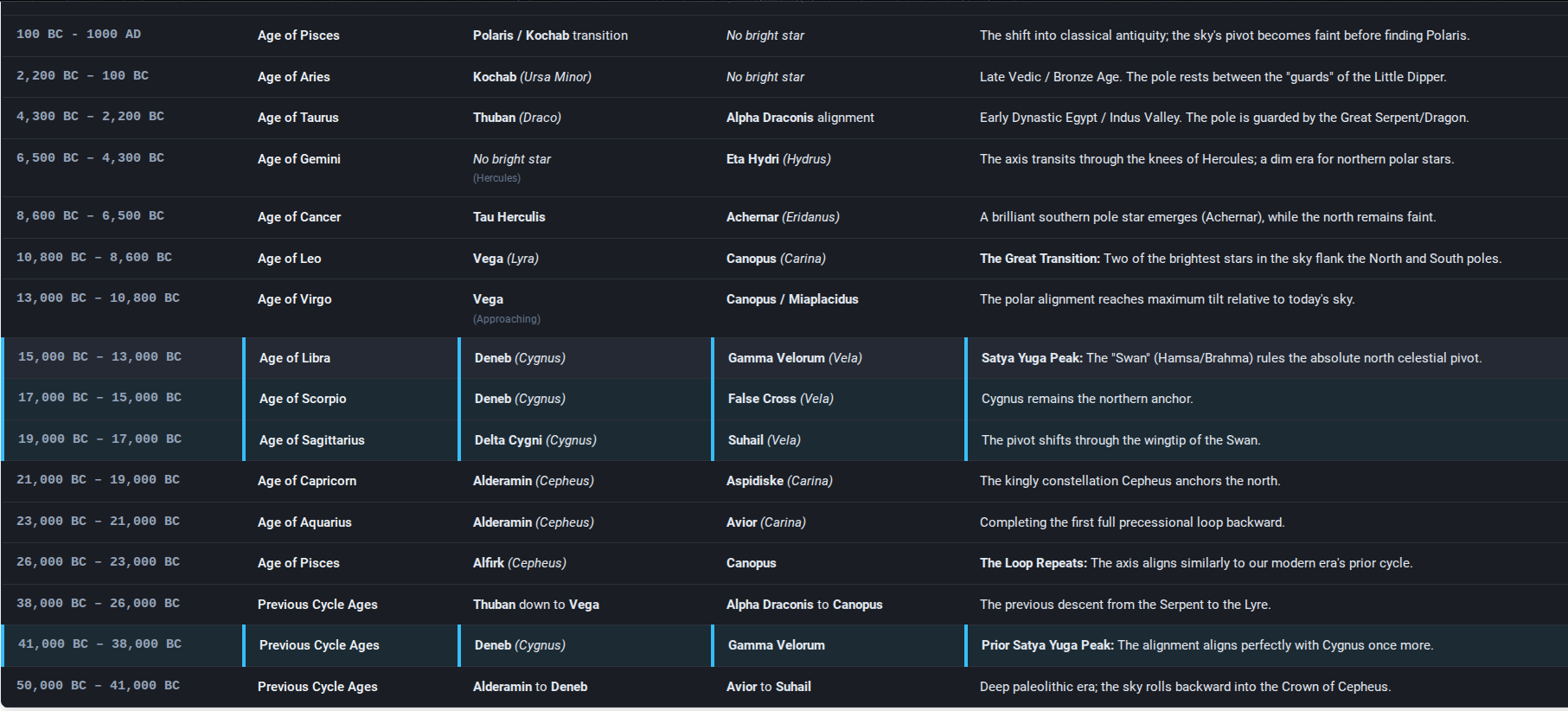
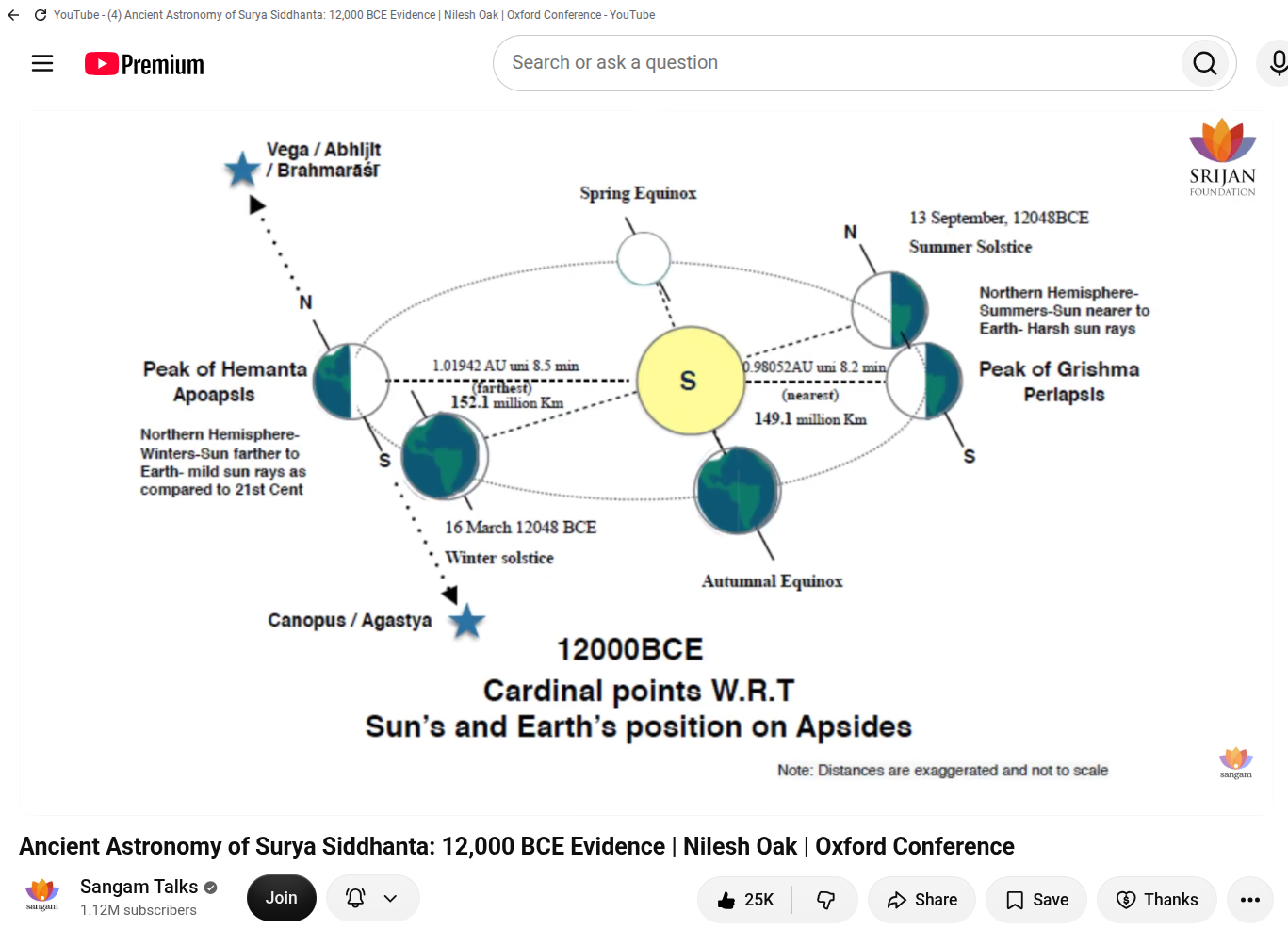
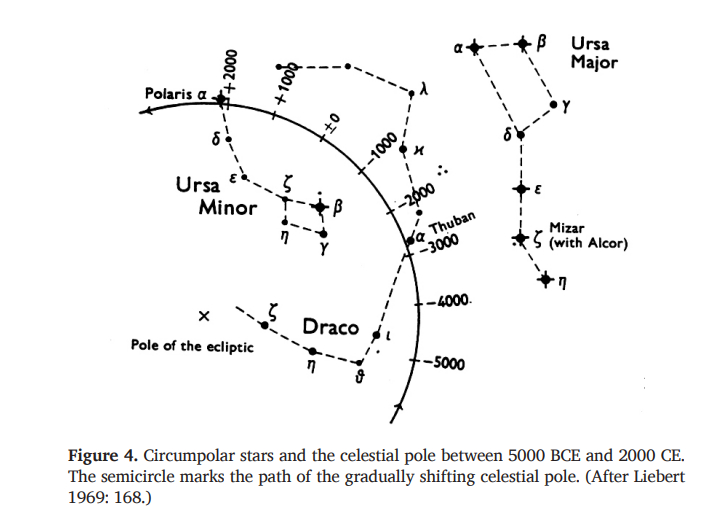
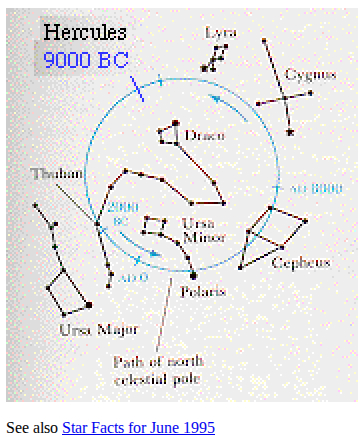
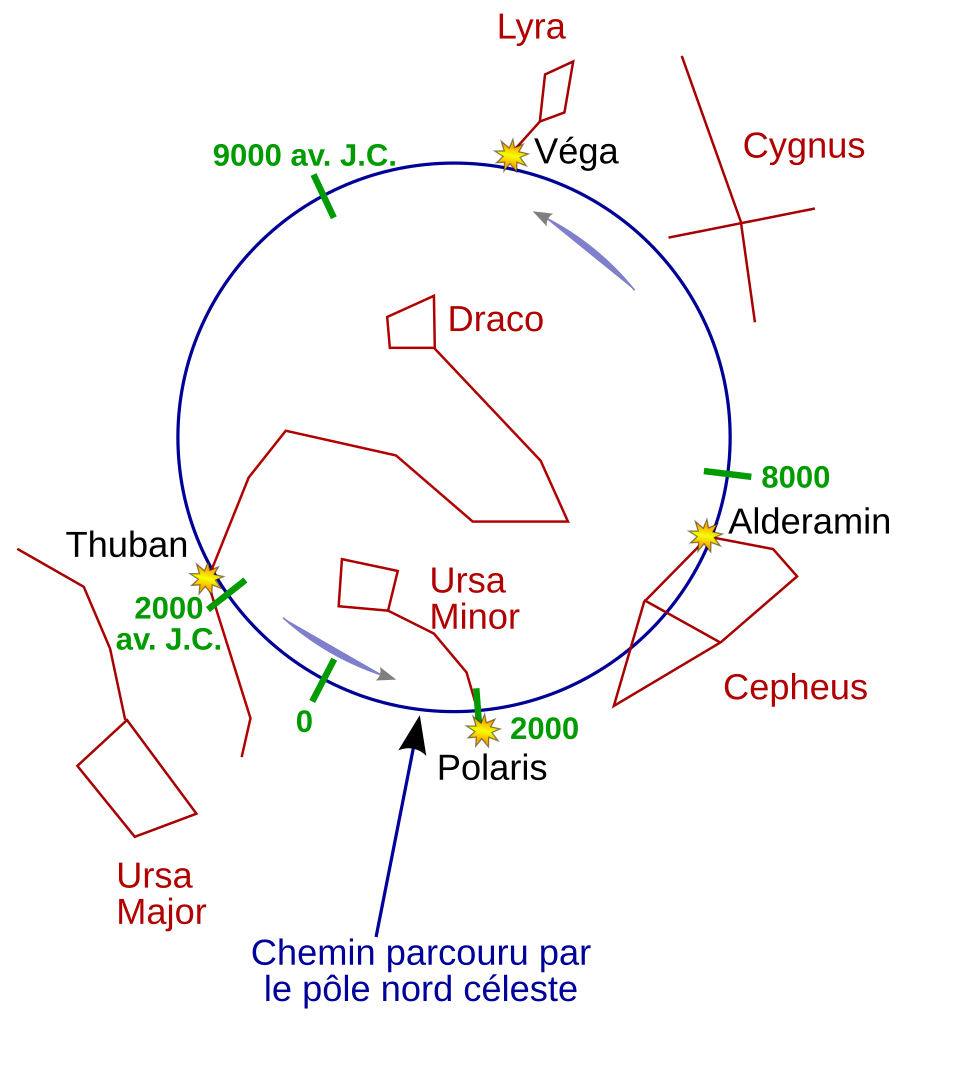
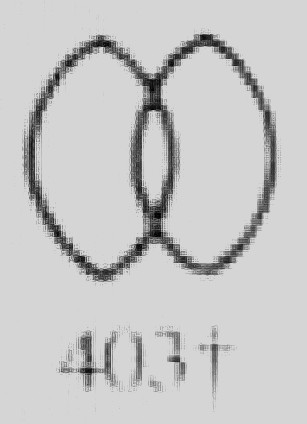
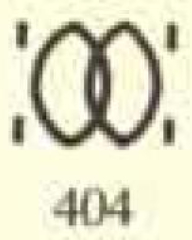
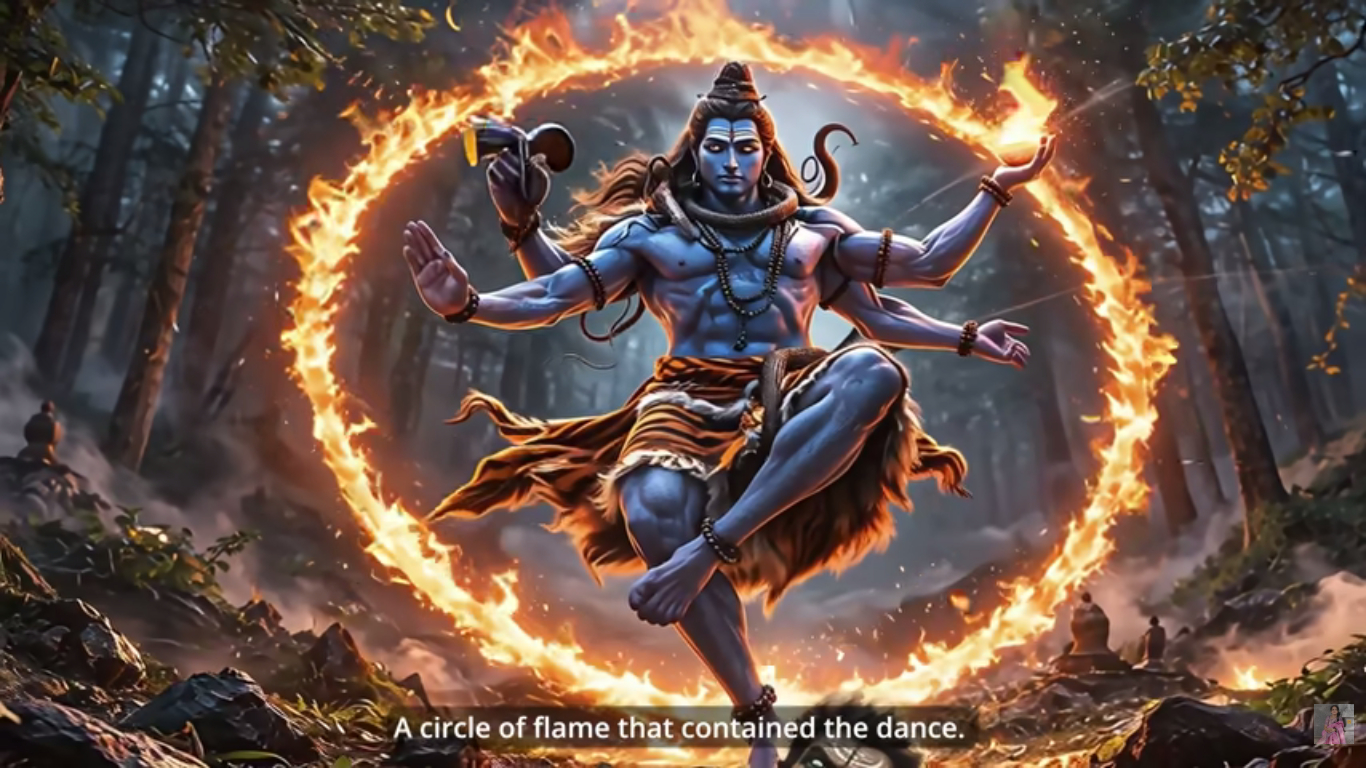




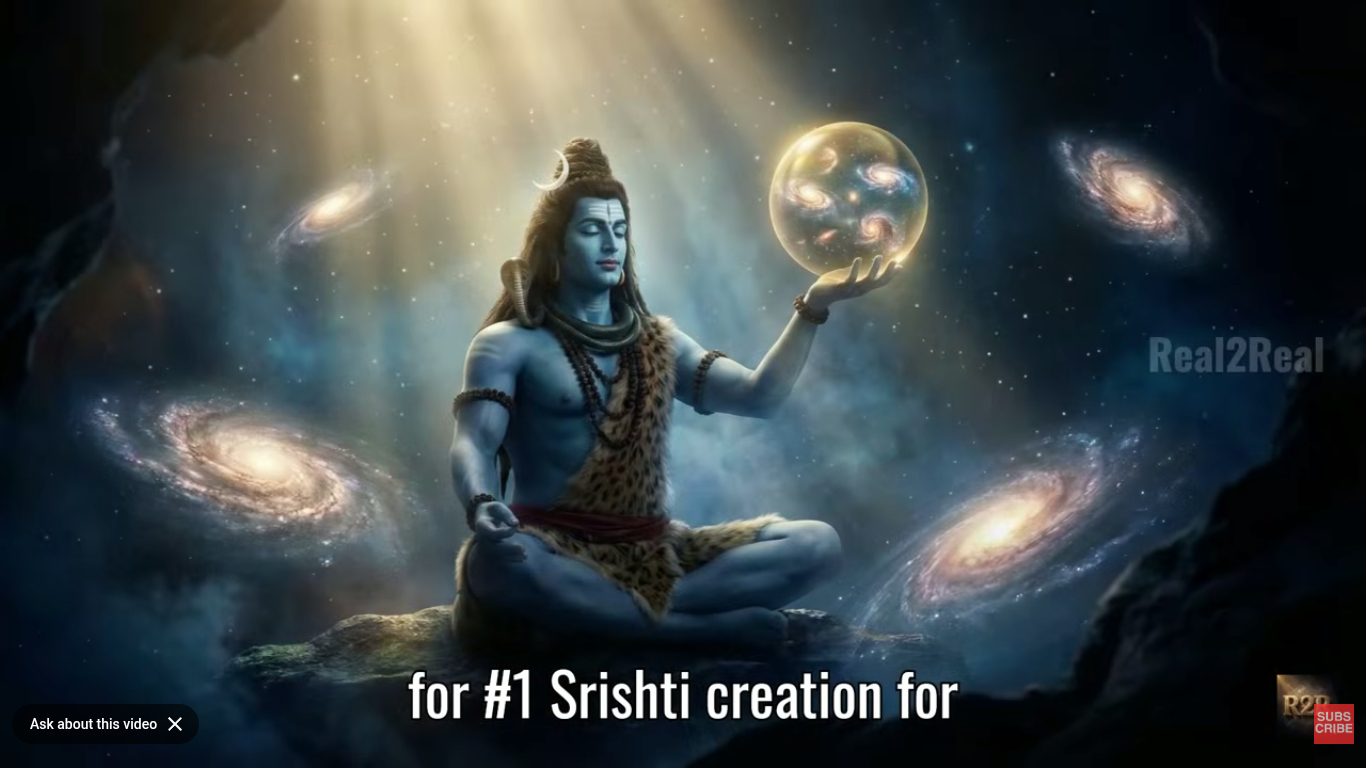
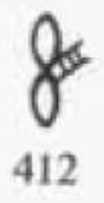
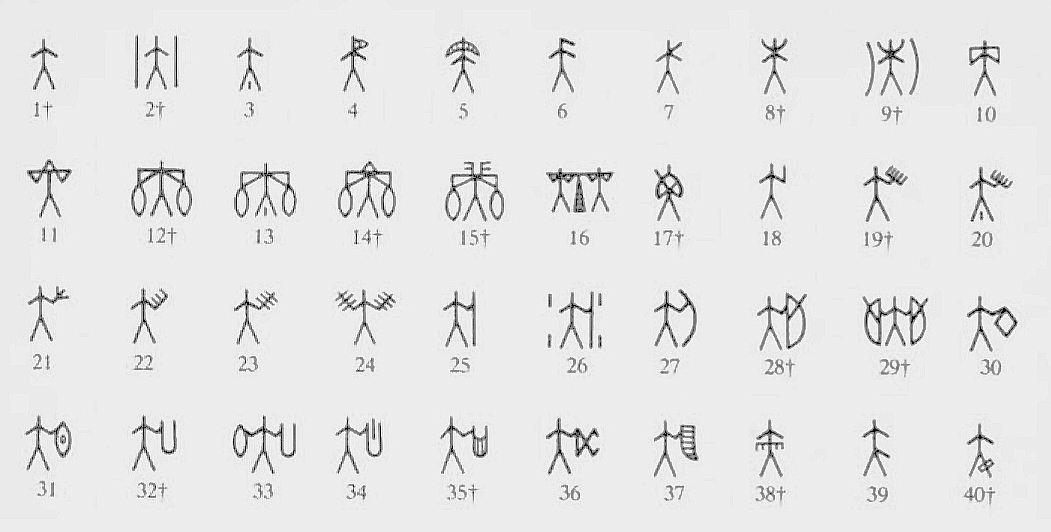
 [2]
[2] [48]
[48] 59
59 245
245
 81
81 123
123
 211
211 [
[
 47
47

 55 Swallowing. Face of Glory.

 65
65

 99
99  124
124 127
127 
 171
171
 173
173
 175
175 


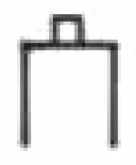 [197]
[197]
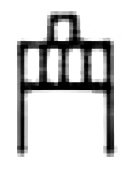 [198]
[198]
 [199]
[199]

 254
254



 [347]
[347]

 [1]
[1] 
 [130] Vishnu, Brahma seek bottom and top of Jyotirlinga || (=) [382 teeth in 3rd eye, EEE endless universe in Vishnu mouth 383]

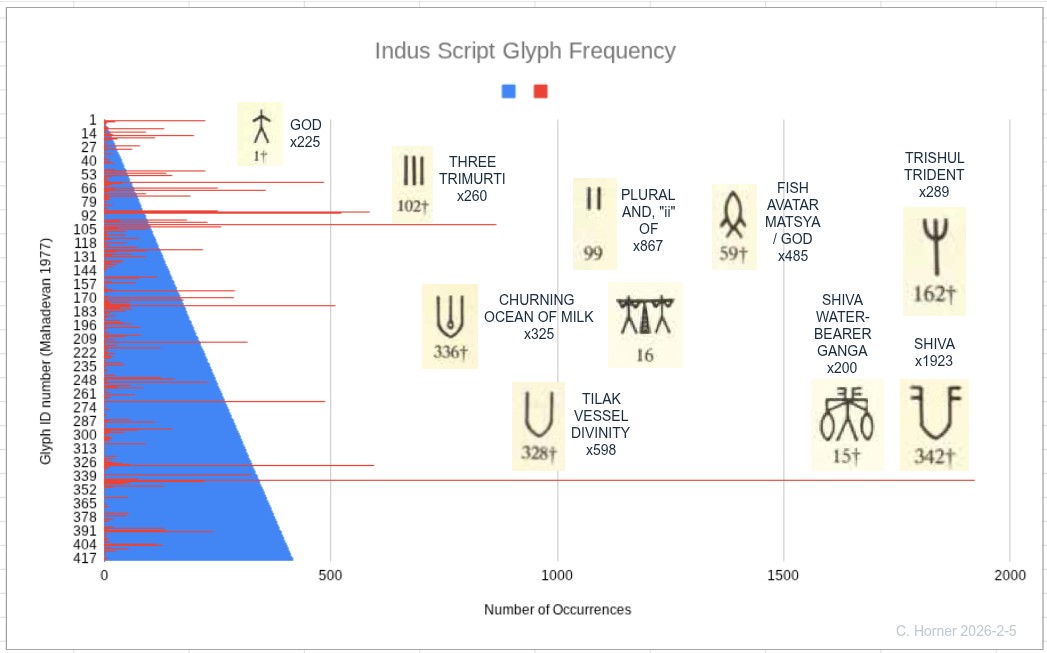


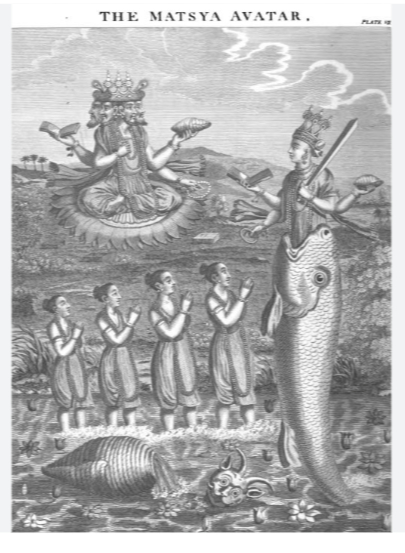
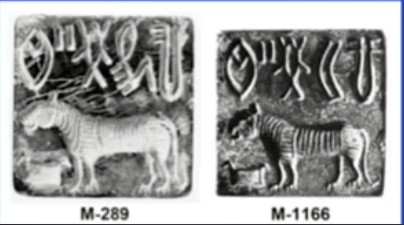
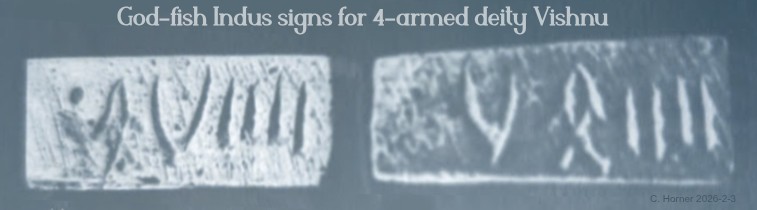
 [347] Tilak forehead mark with world upholding hands identifying Vishnu
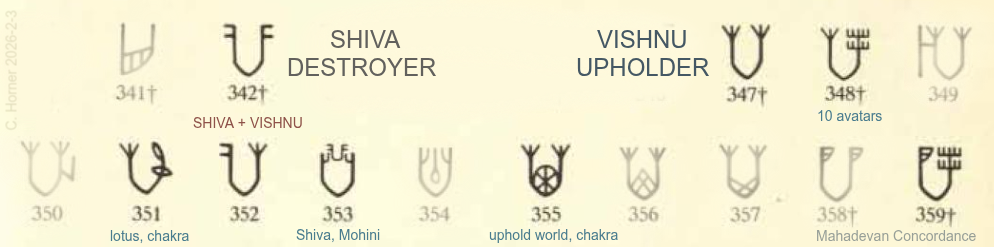
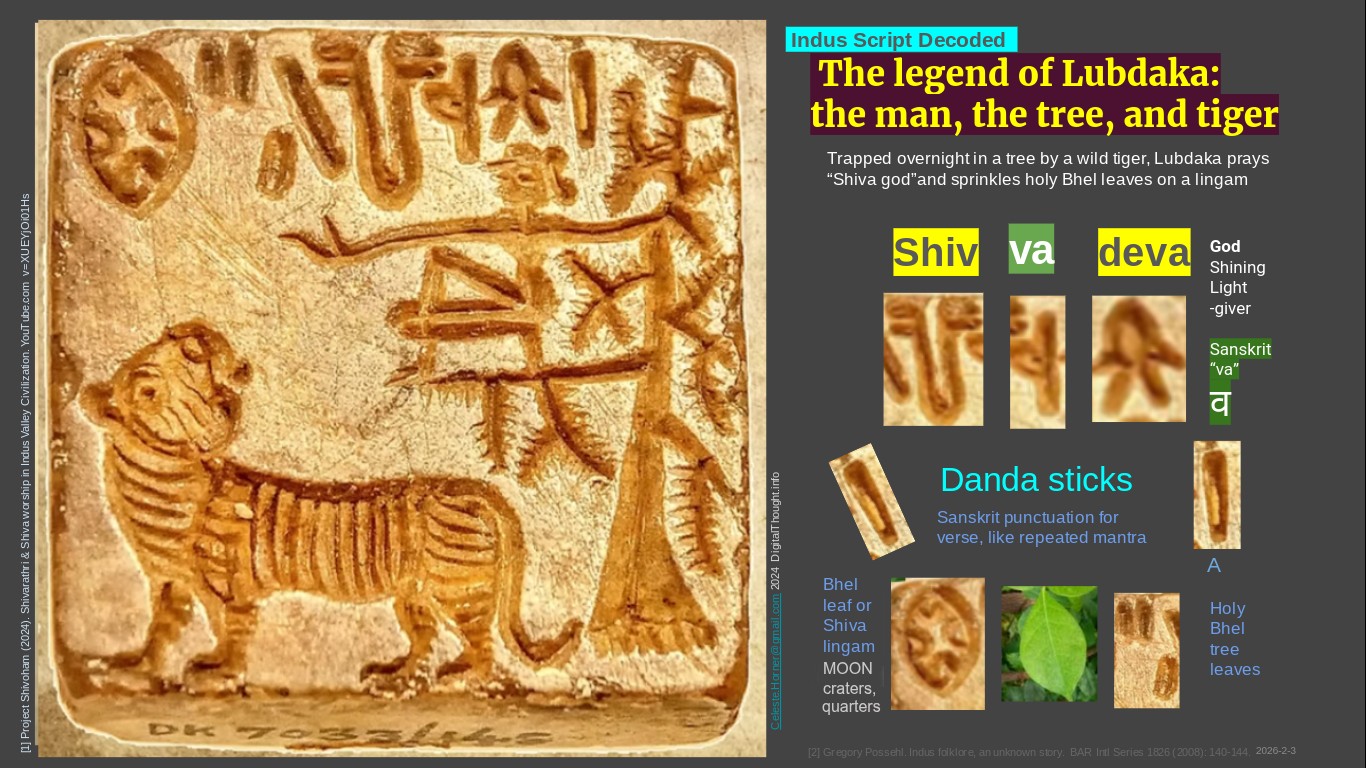
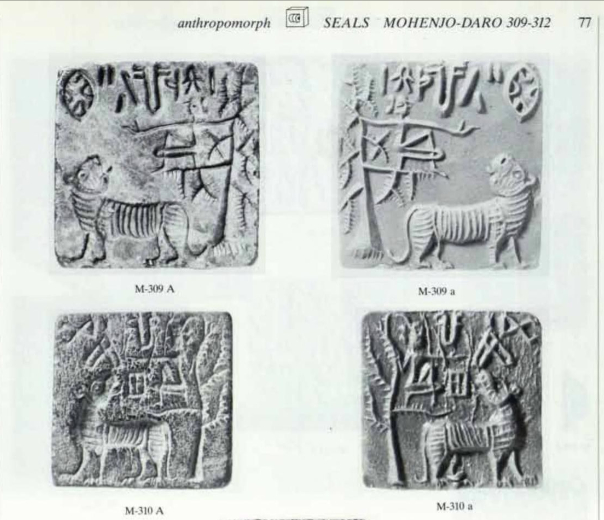
 .
.

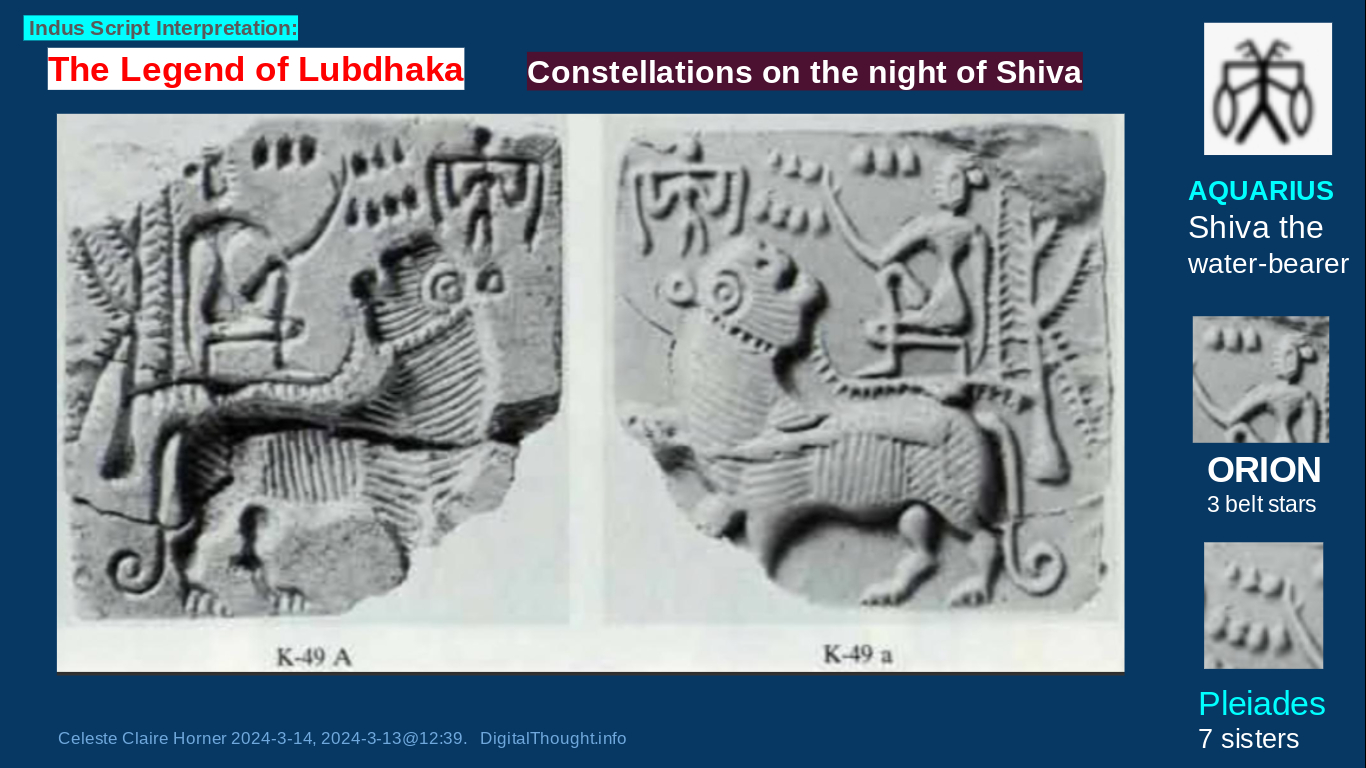
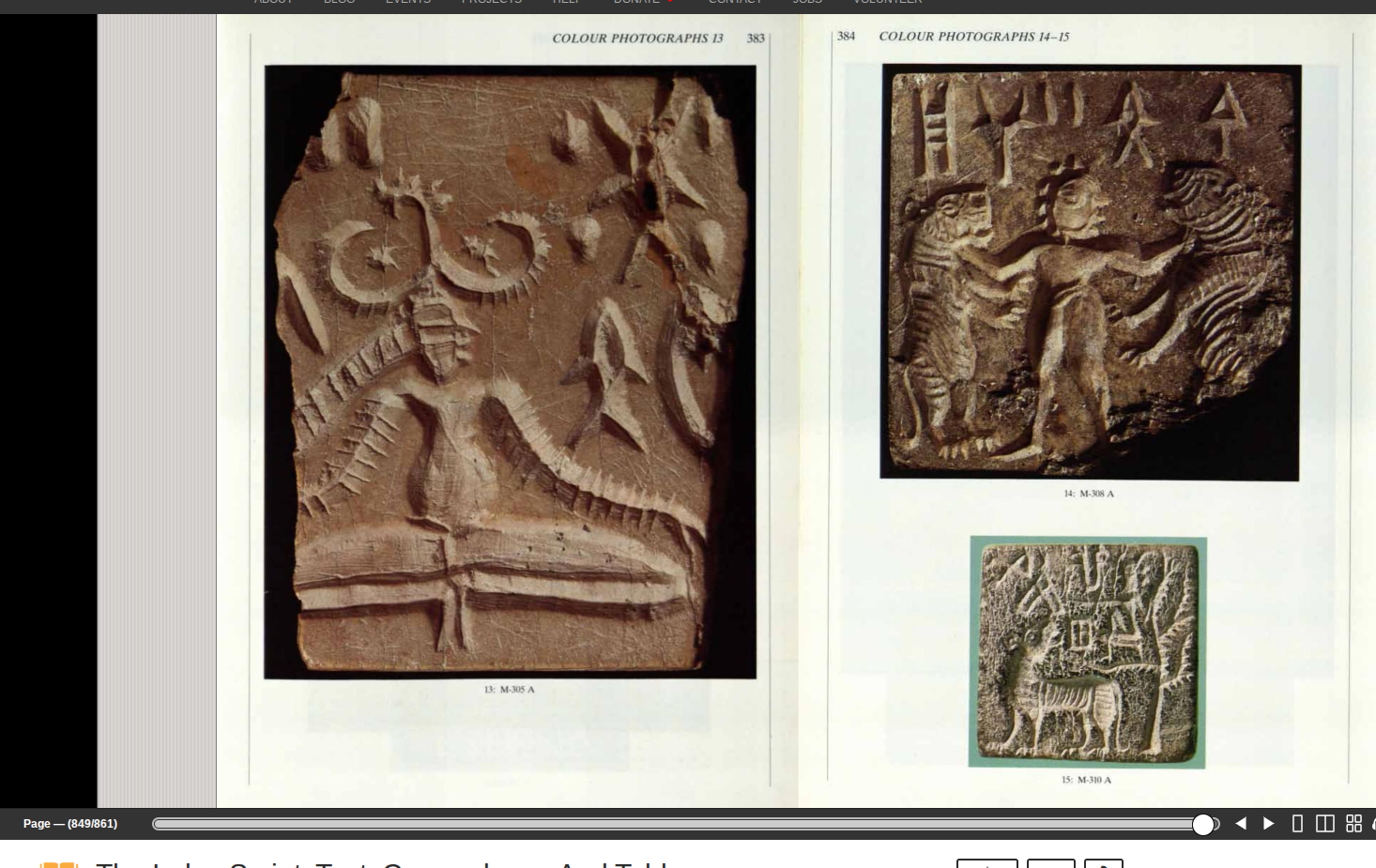
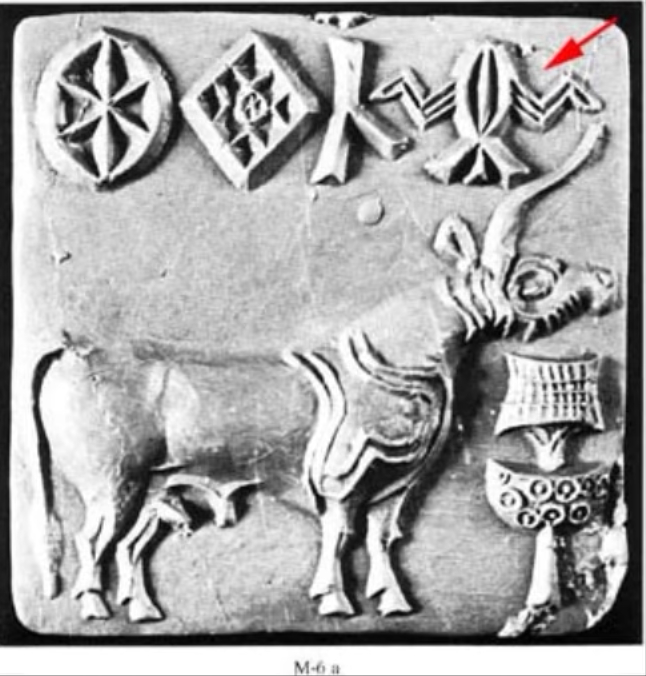
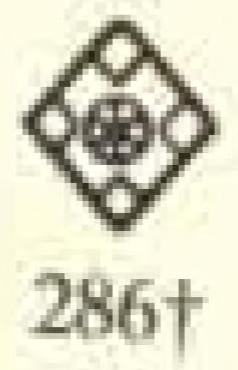
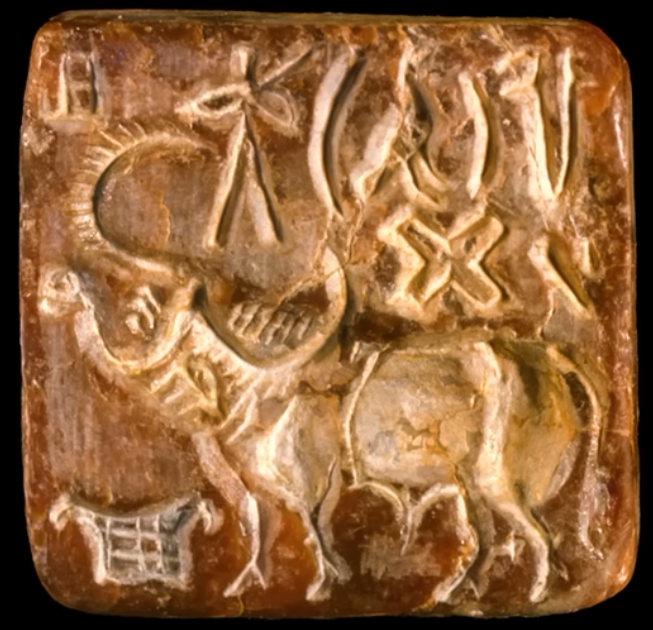


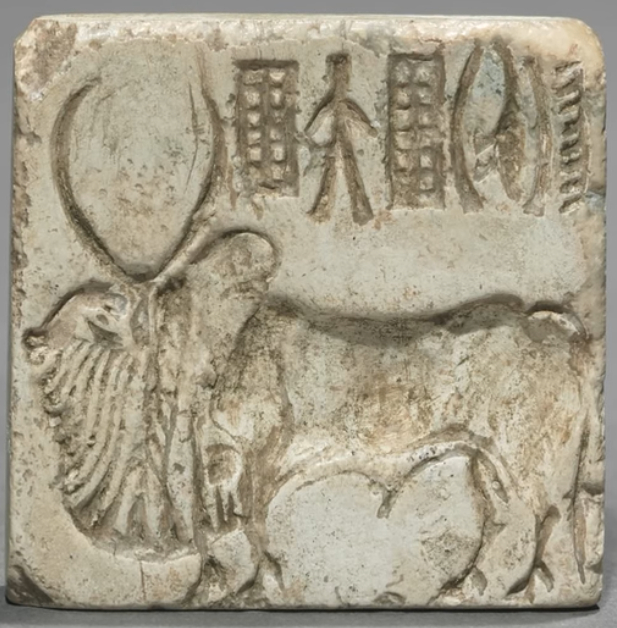
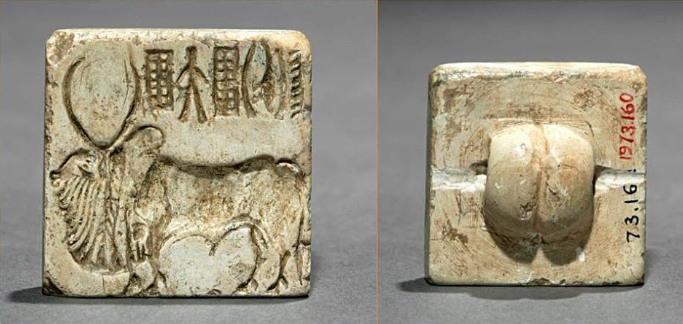
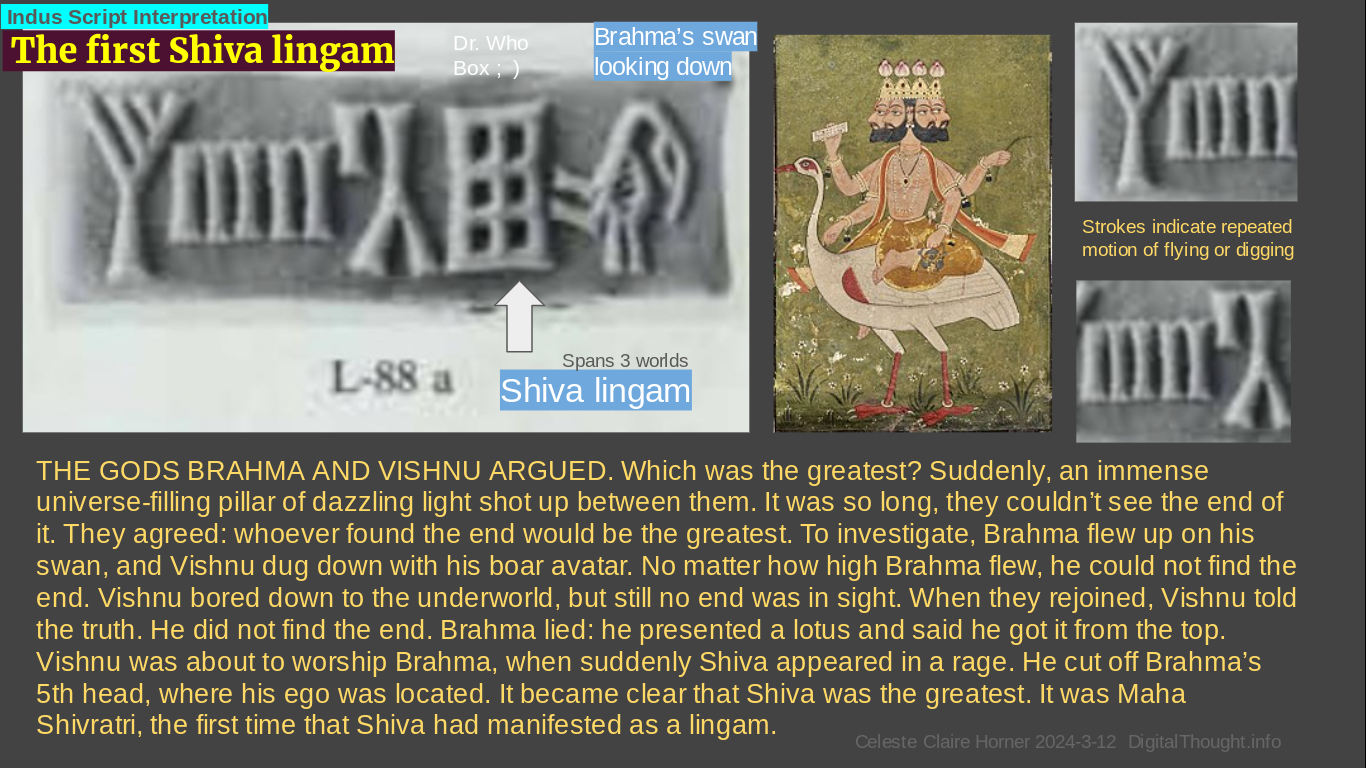
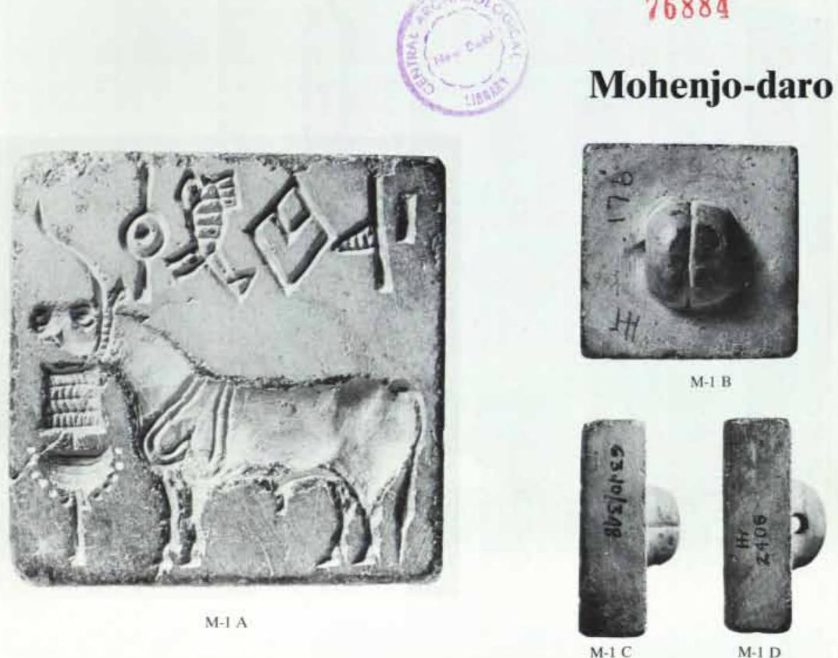
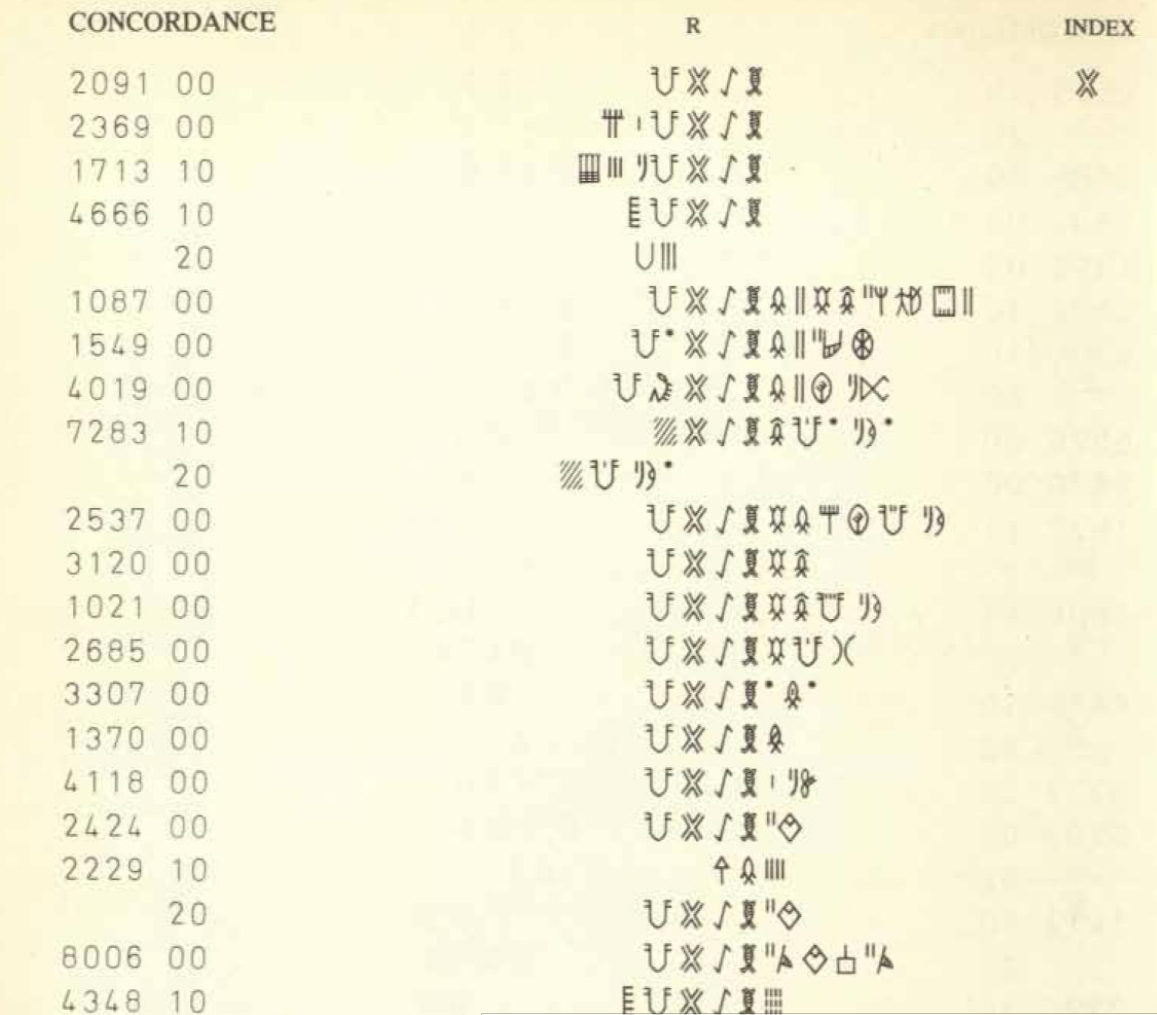
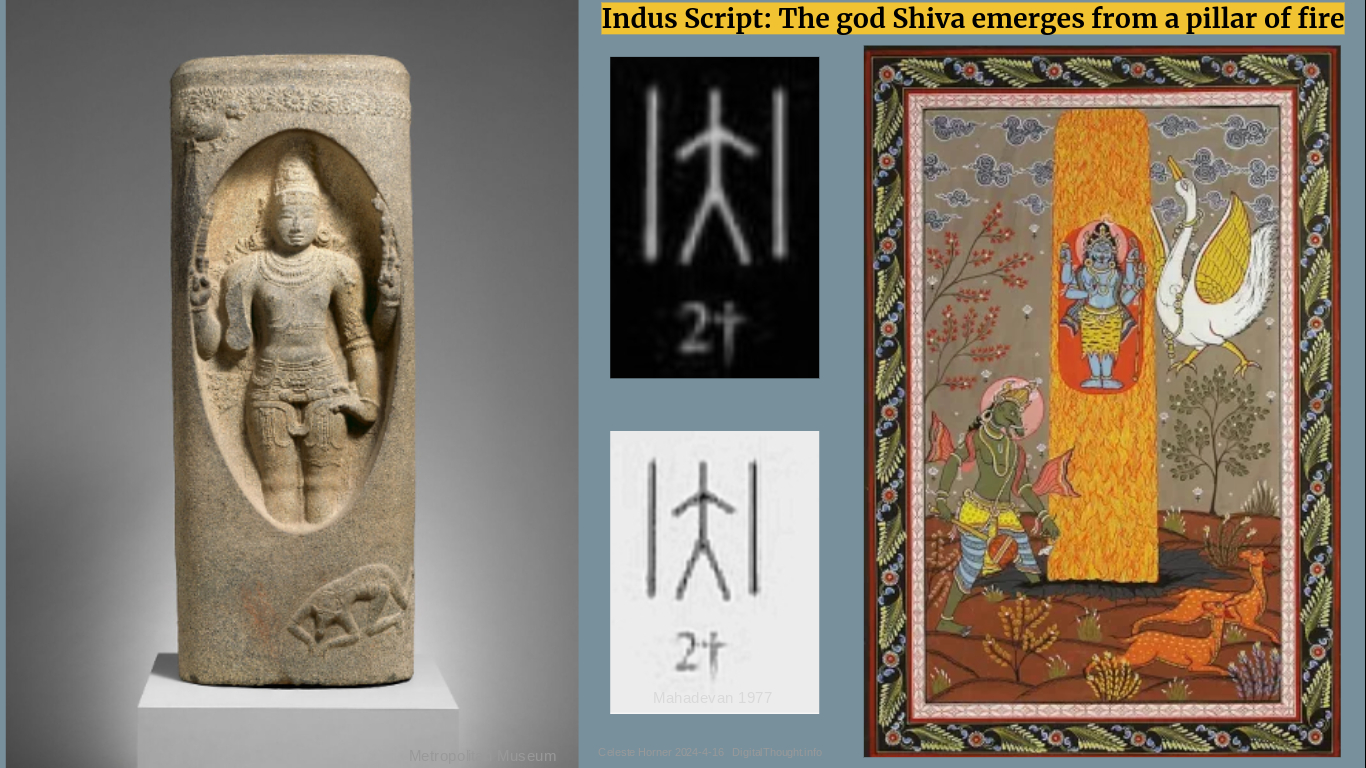
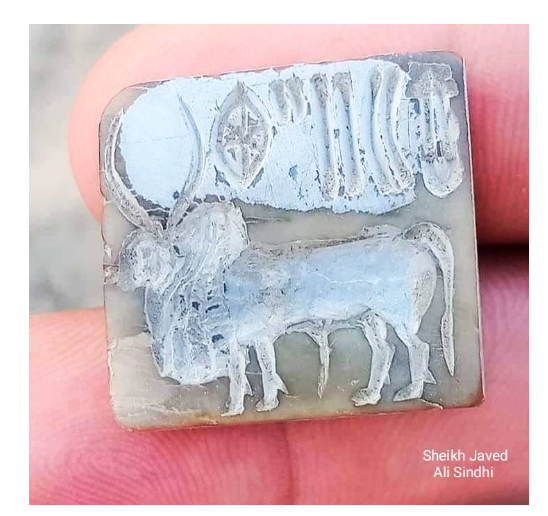
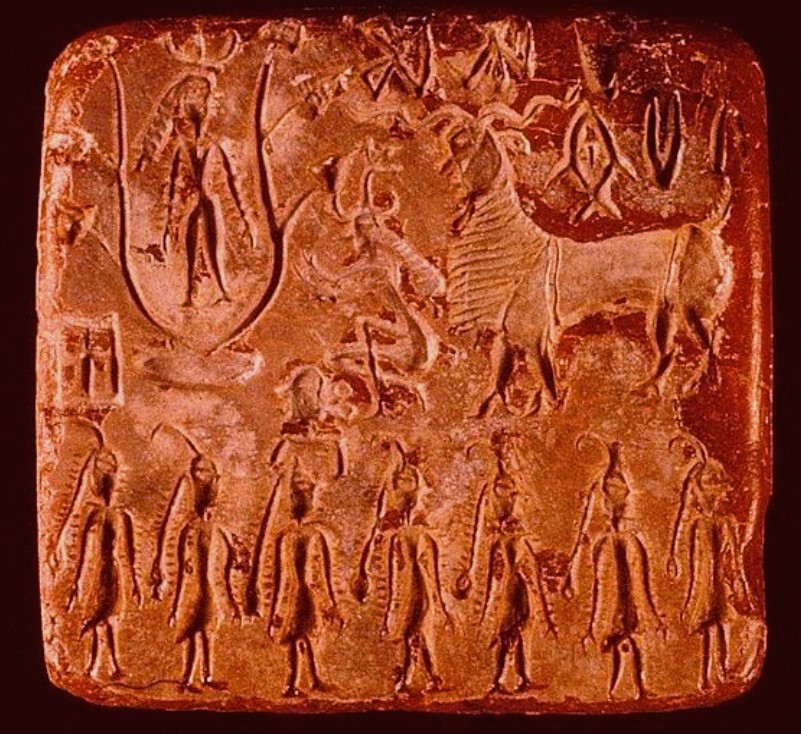
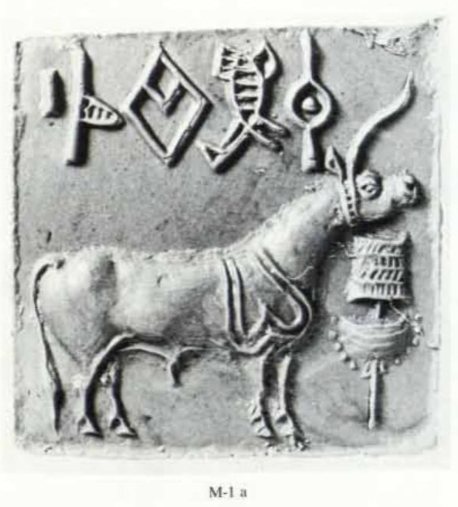
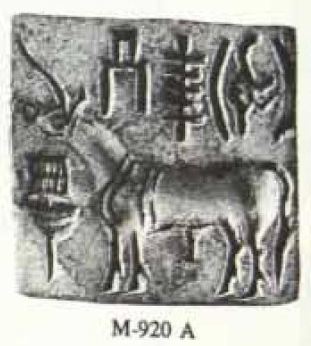
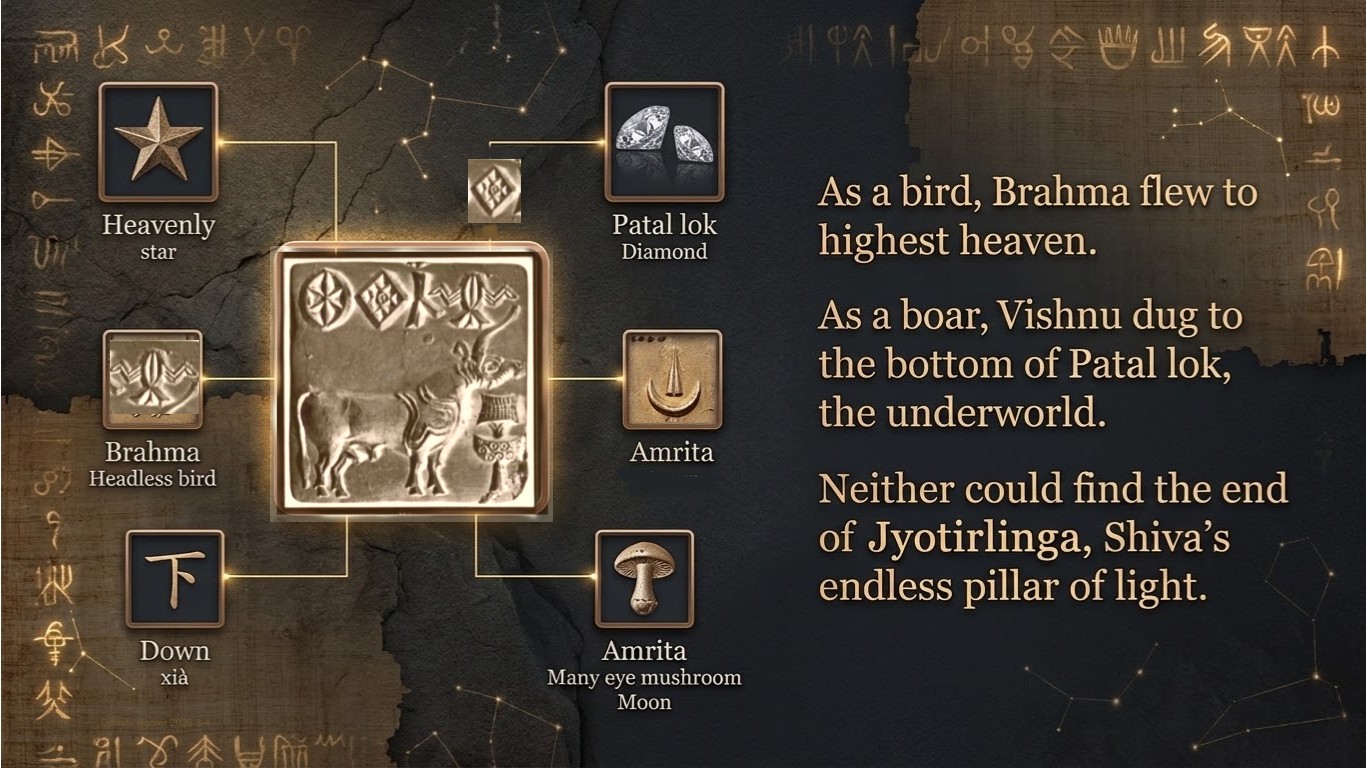

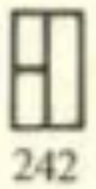
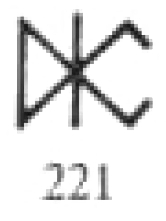
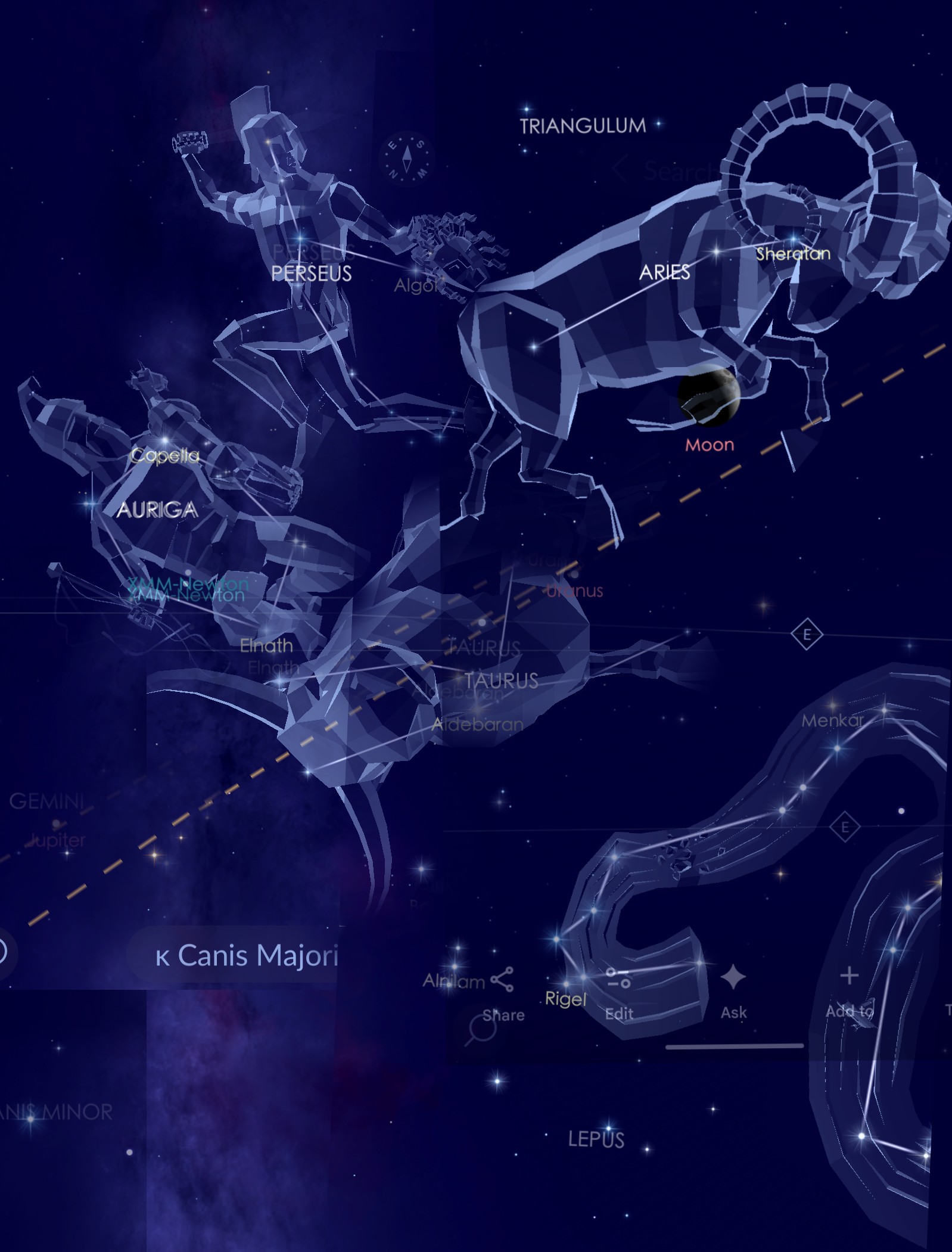
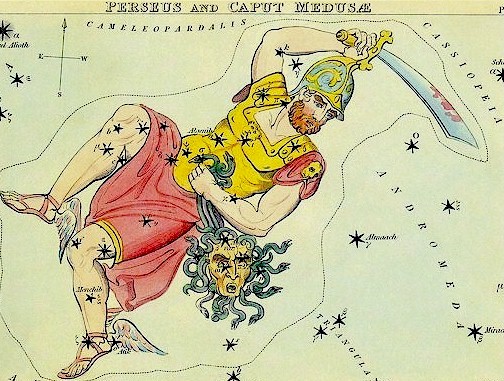
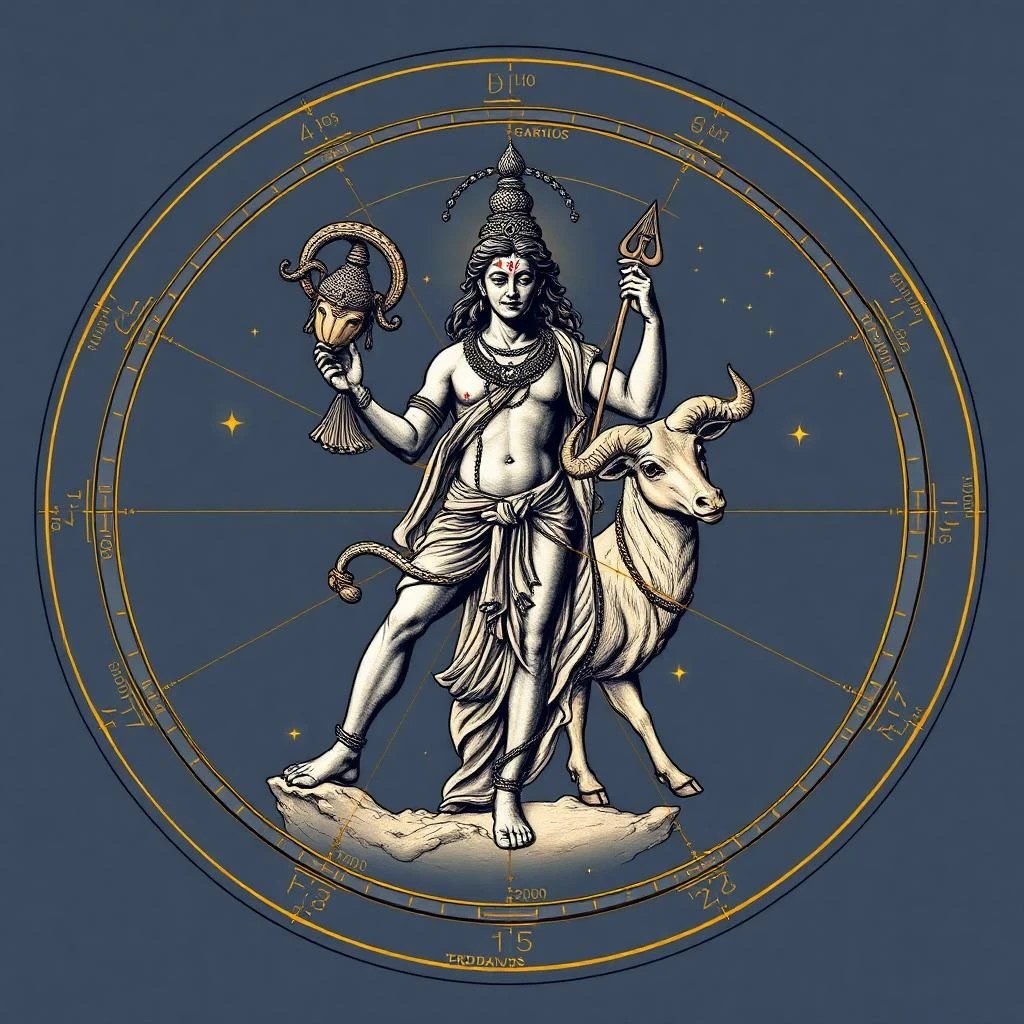

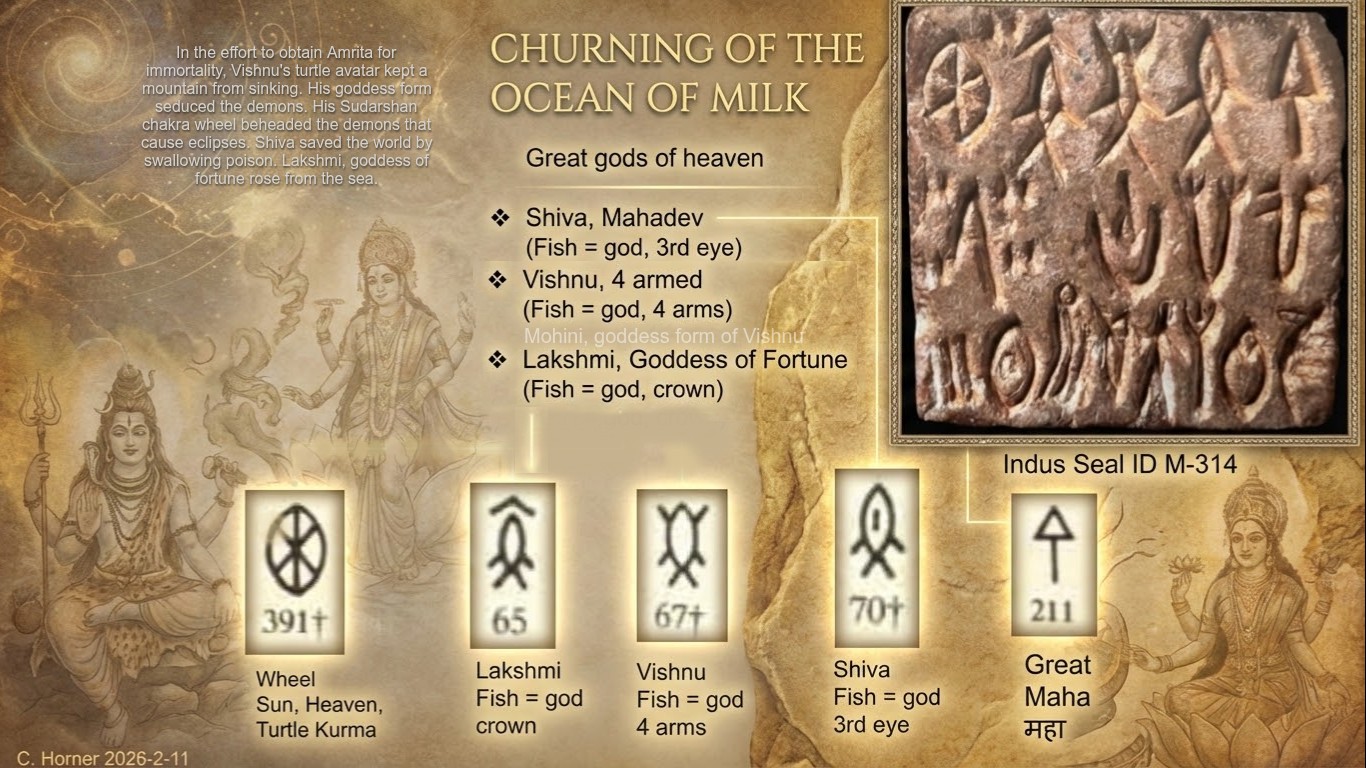

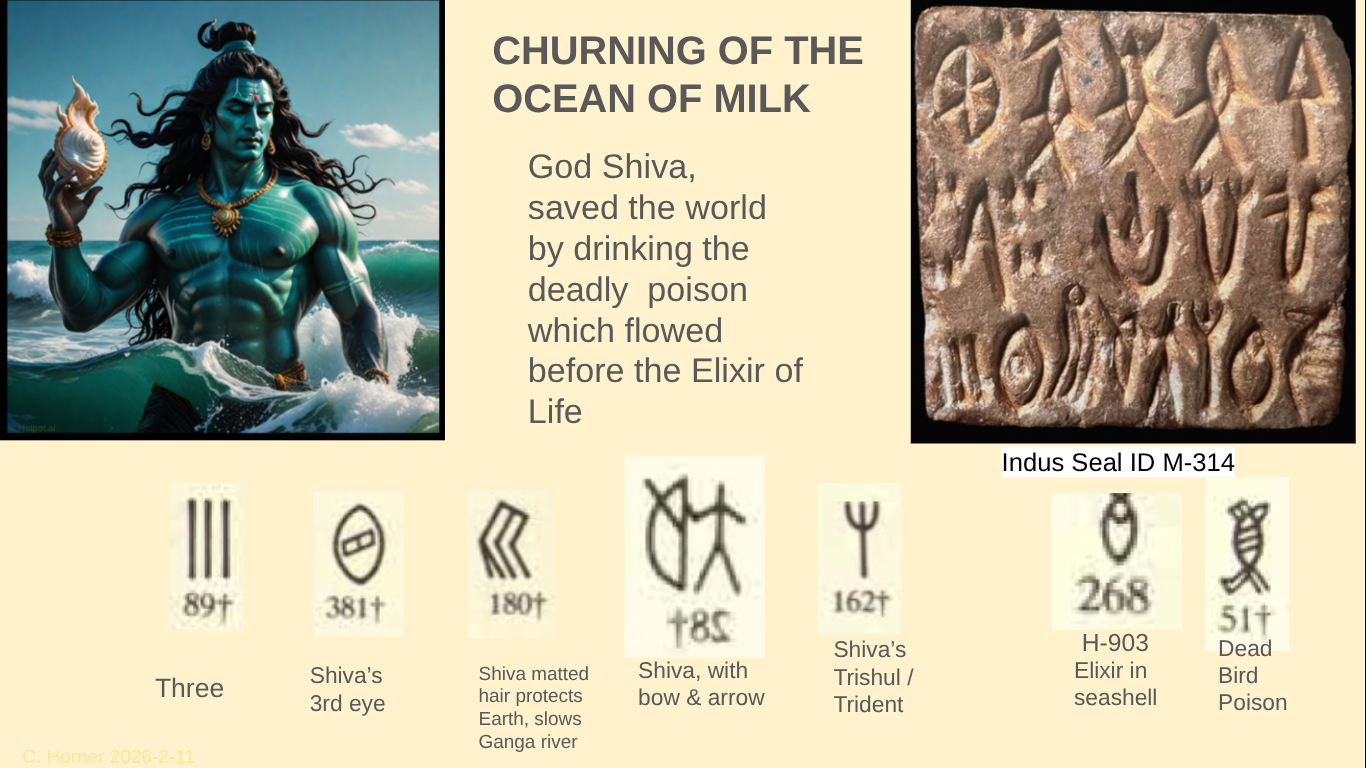
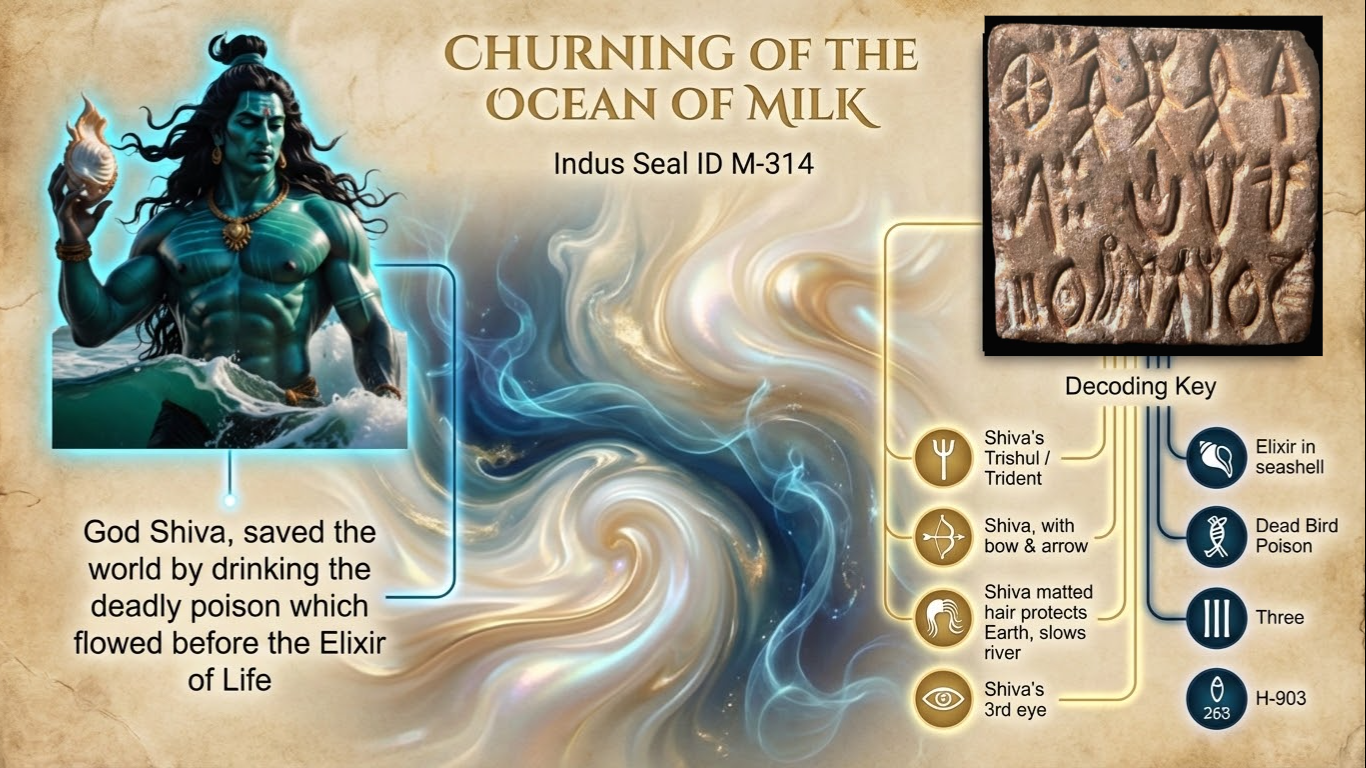


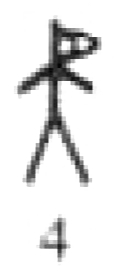


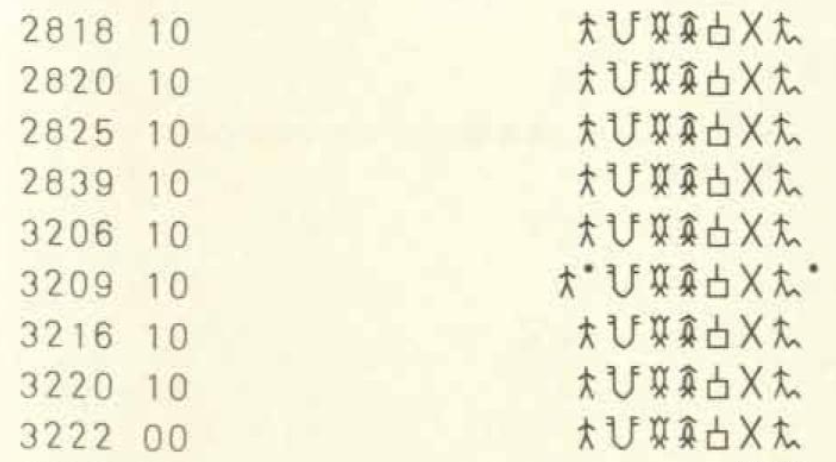
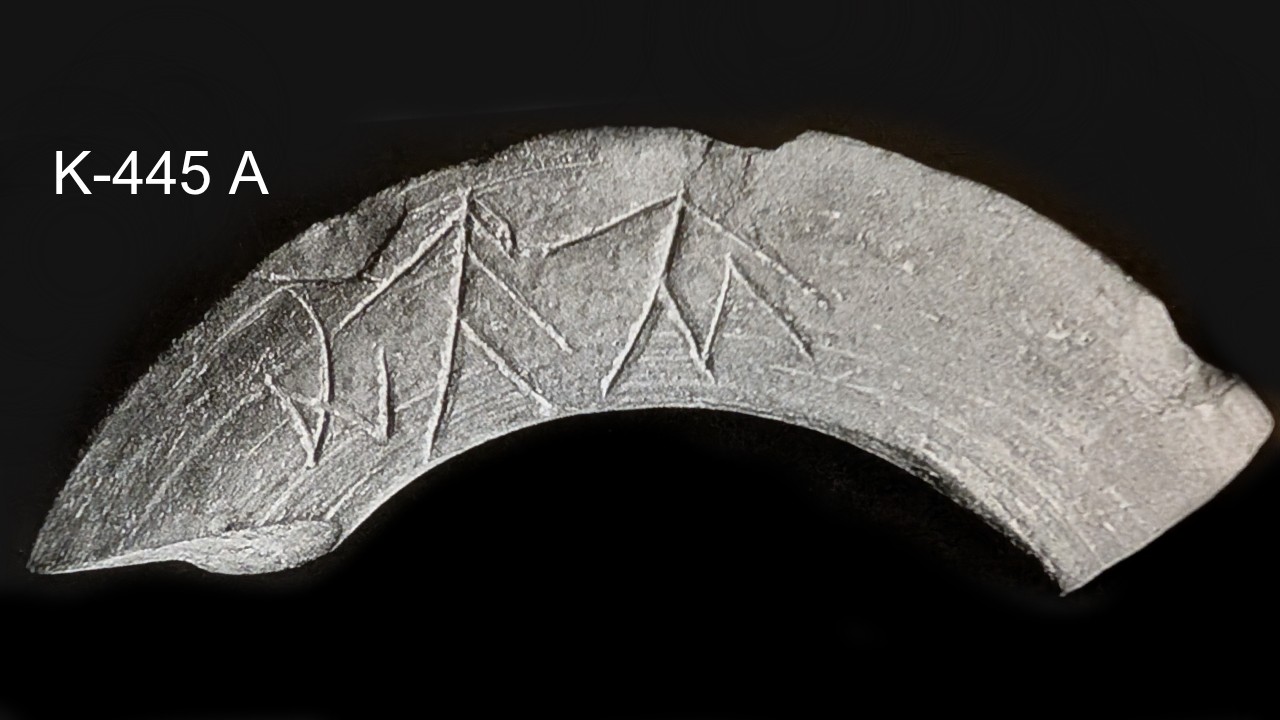
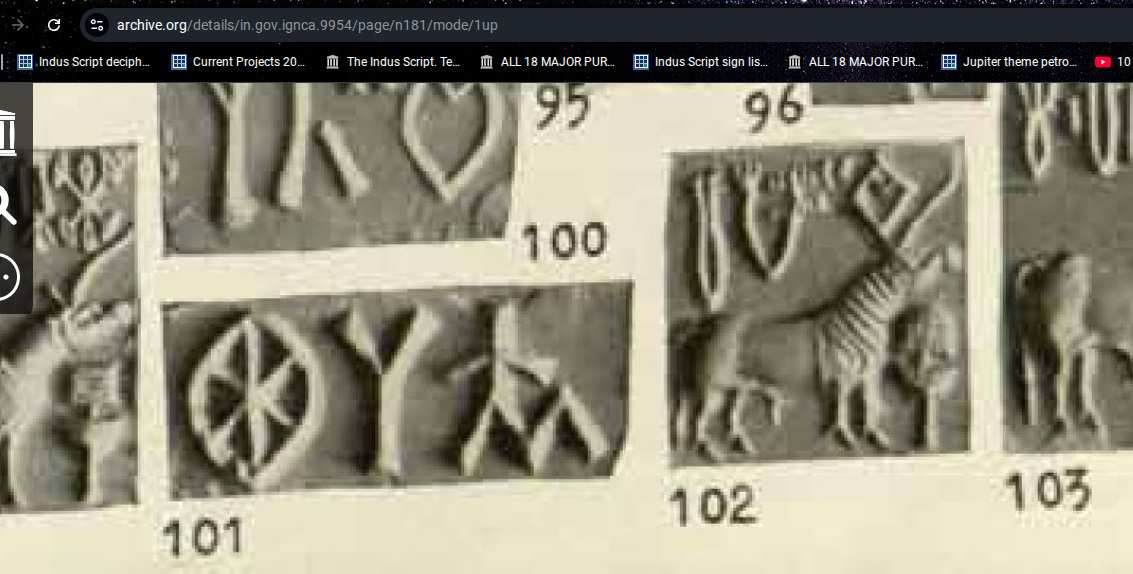


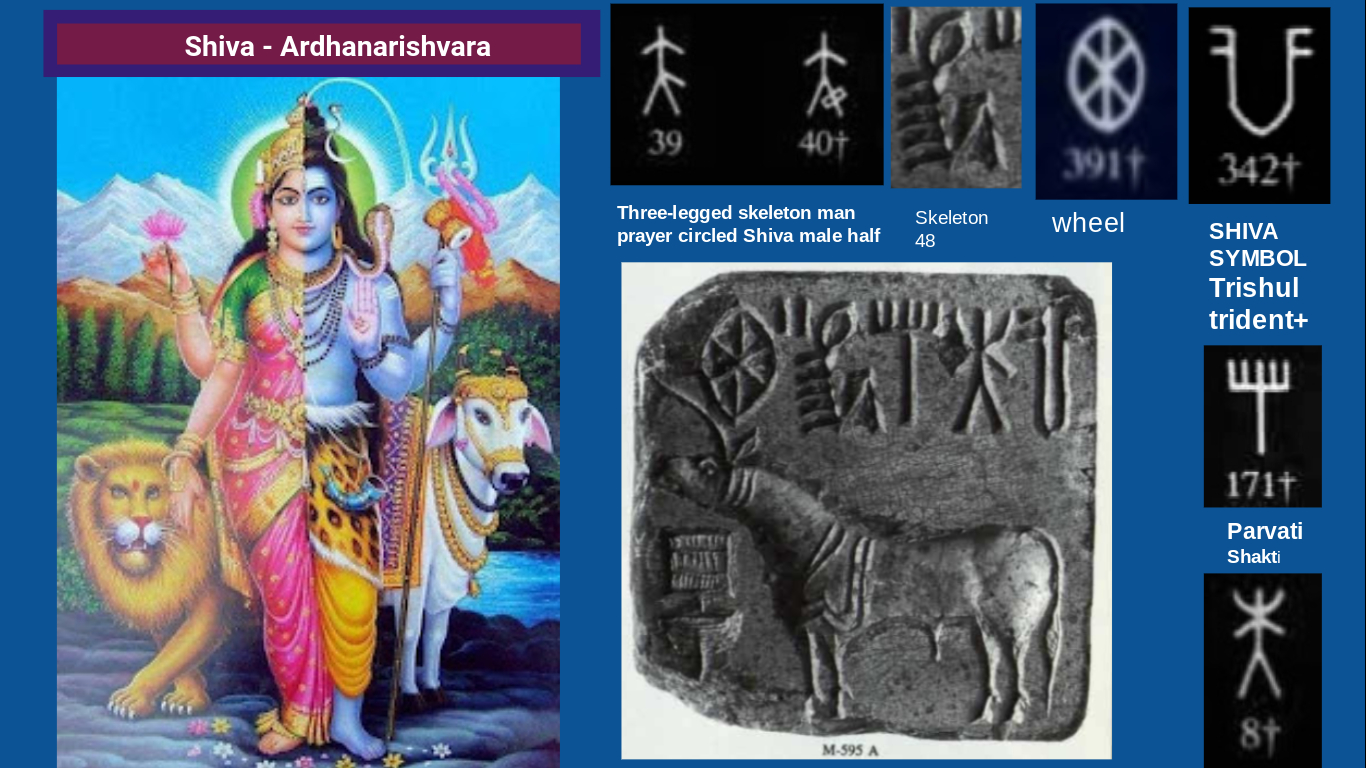


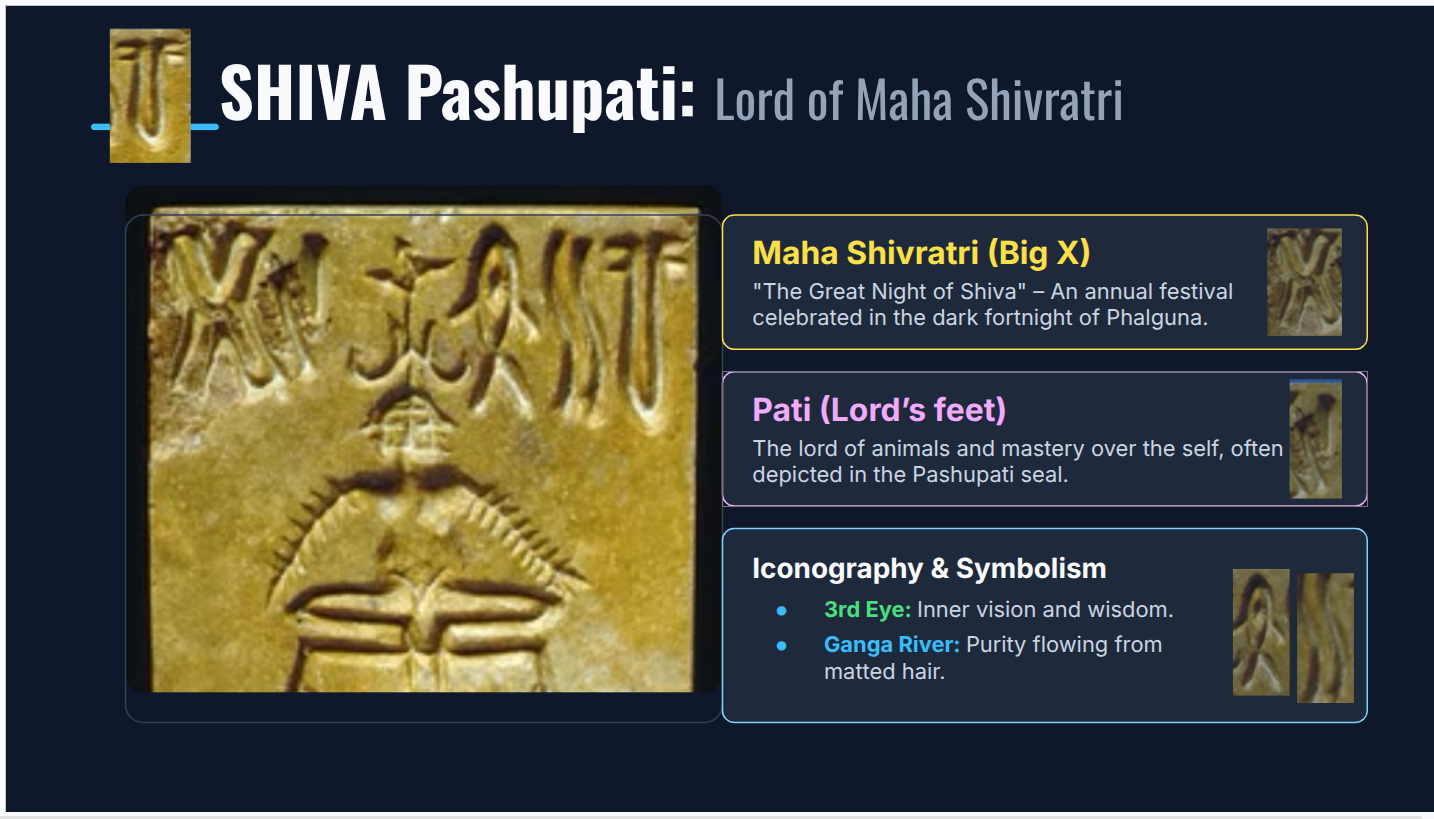

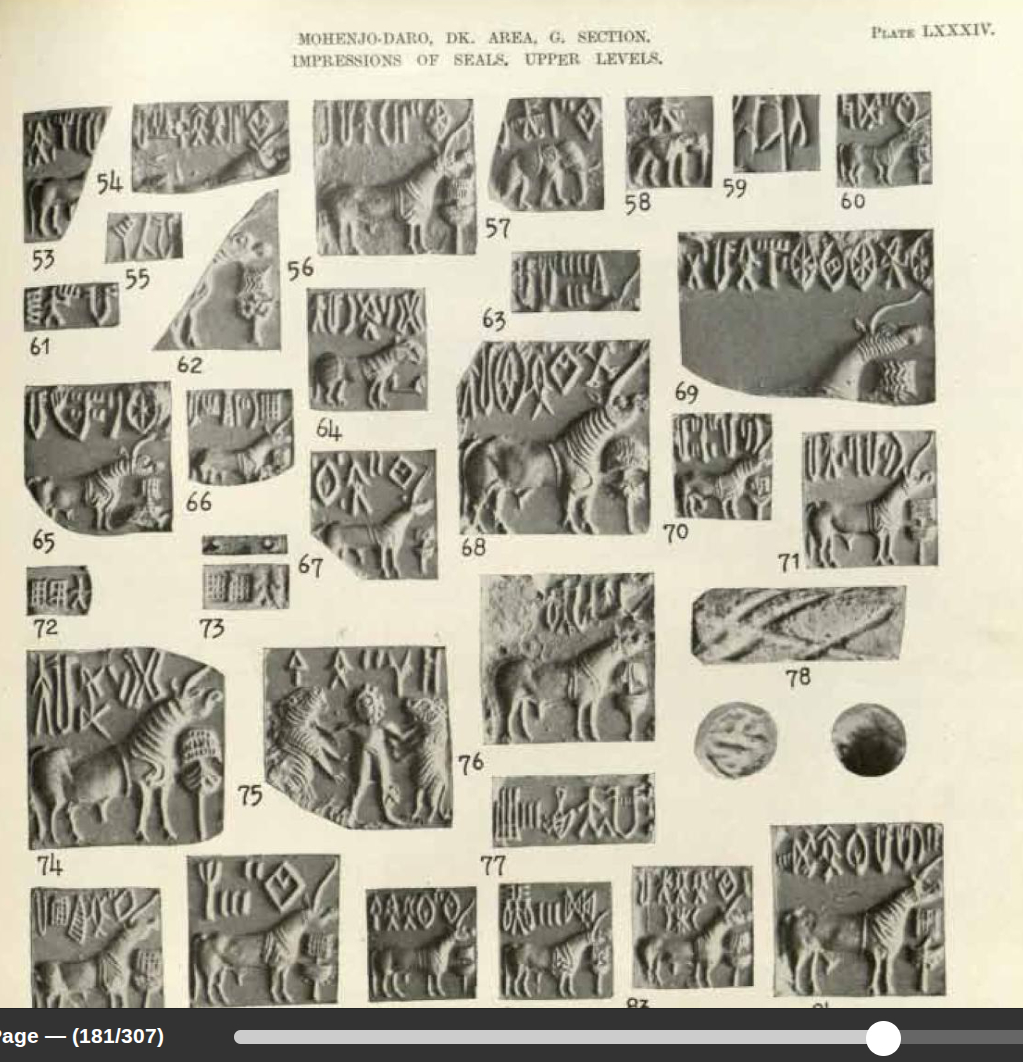


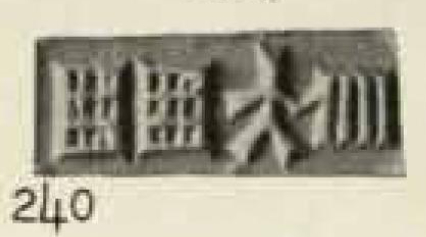
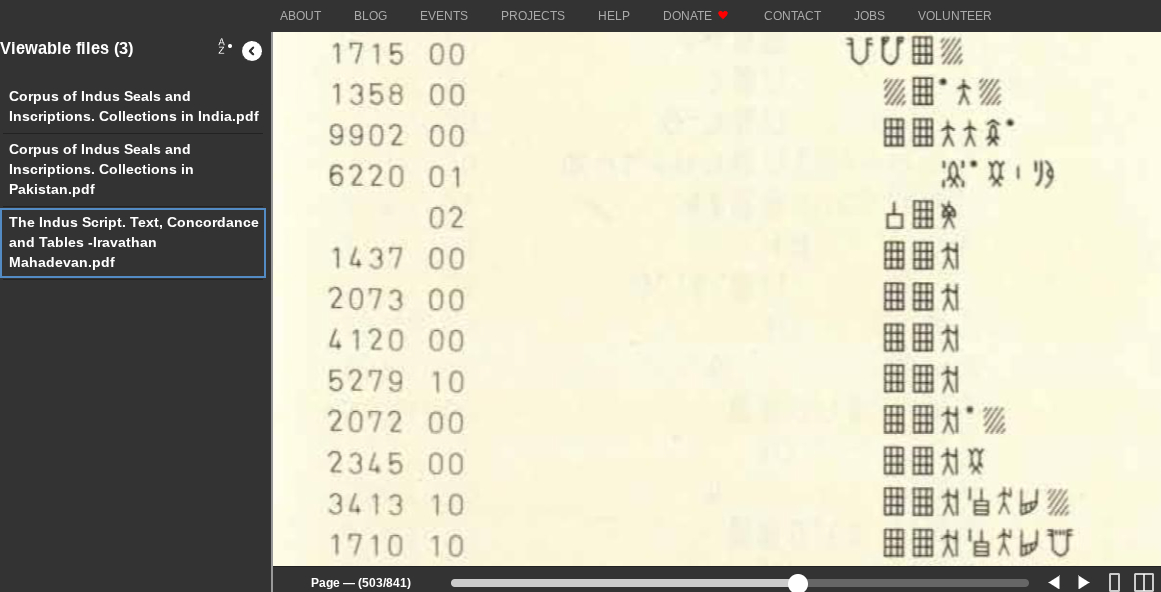 Inscription 9902: Curse of Kumaras.
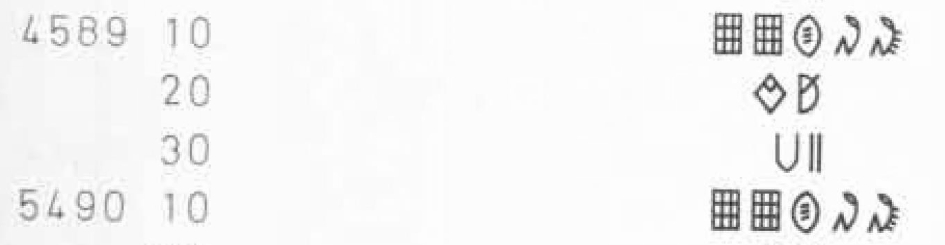

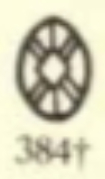
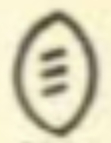
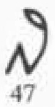
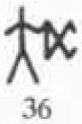
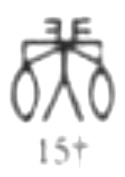
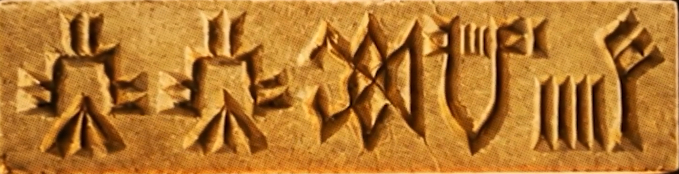
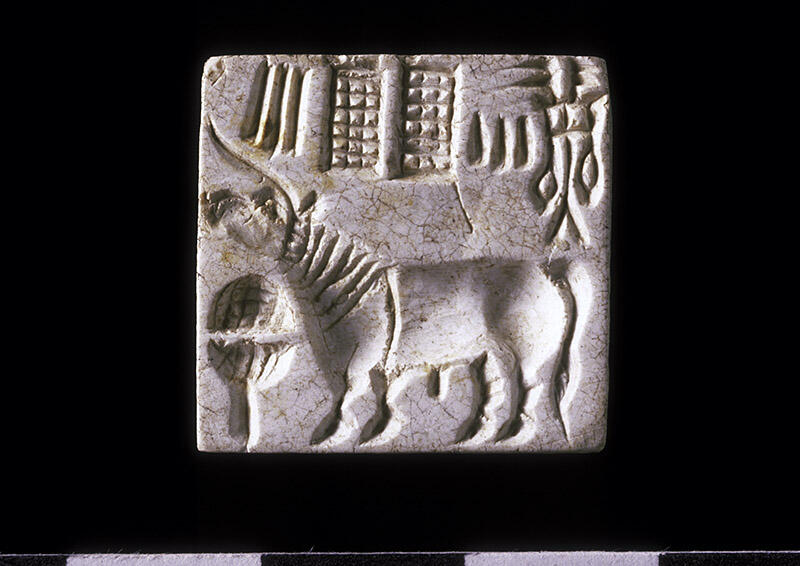
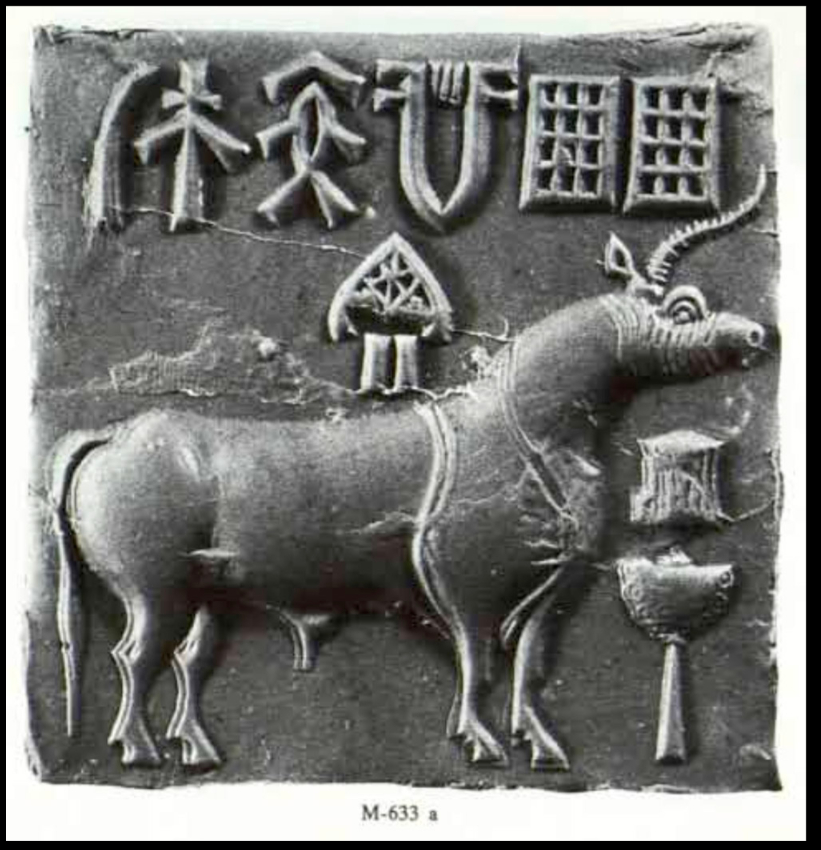
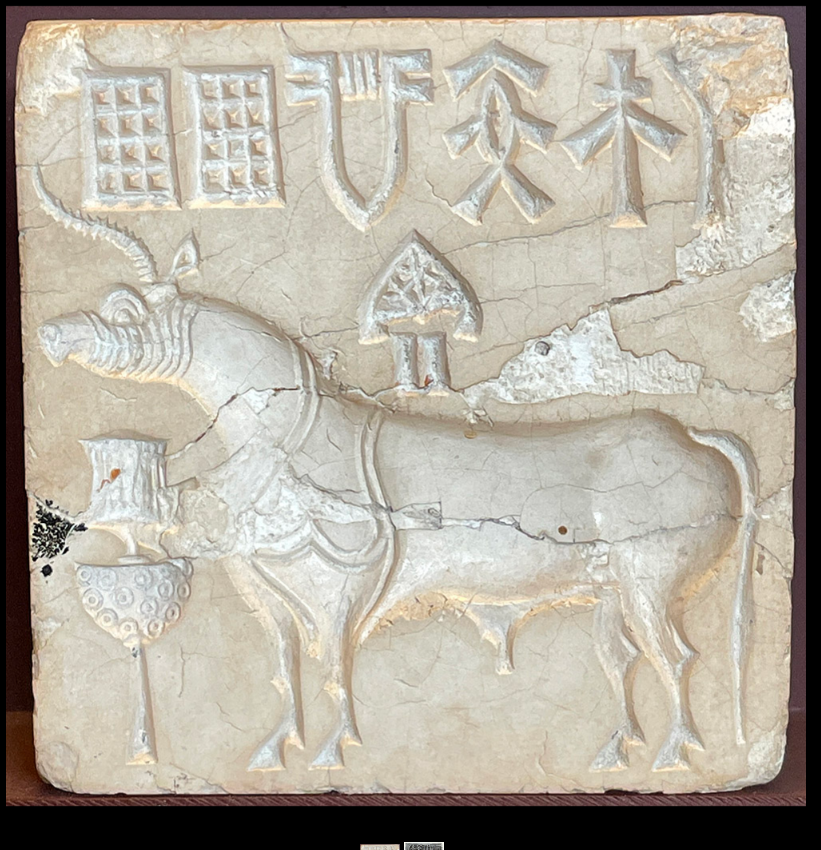


.jpg)