|
|   |
|
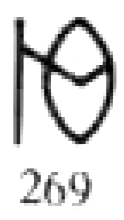
Glyph 269 represents a concept of utmost importance in Hindu thought, immortality. This symbol is mis-indexed in the corpus, it is very frequent, yet it is not counted properly.
The core symbol represents the seed of immortal life. The vertical line represents immortality, an unbounded stream of existence. The vertical line is also the walking staff of an (immortal) sage. It represents continuous incarnation, going forth.
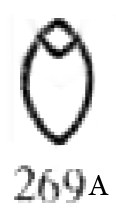
Glyph #269.1 (or #269A) is suggested as an additional variation of #269 cataloged by Mahadevan 1977 (CCH 2026).
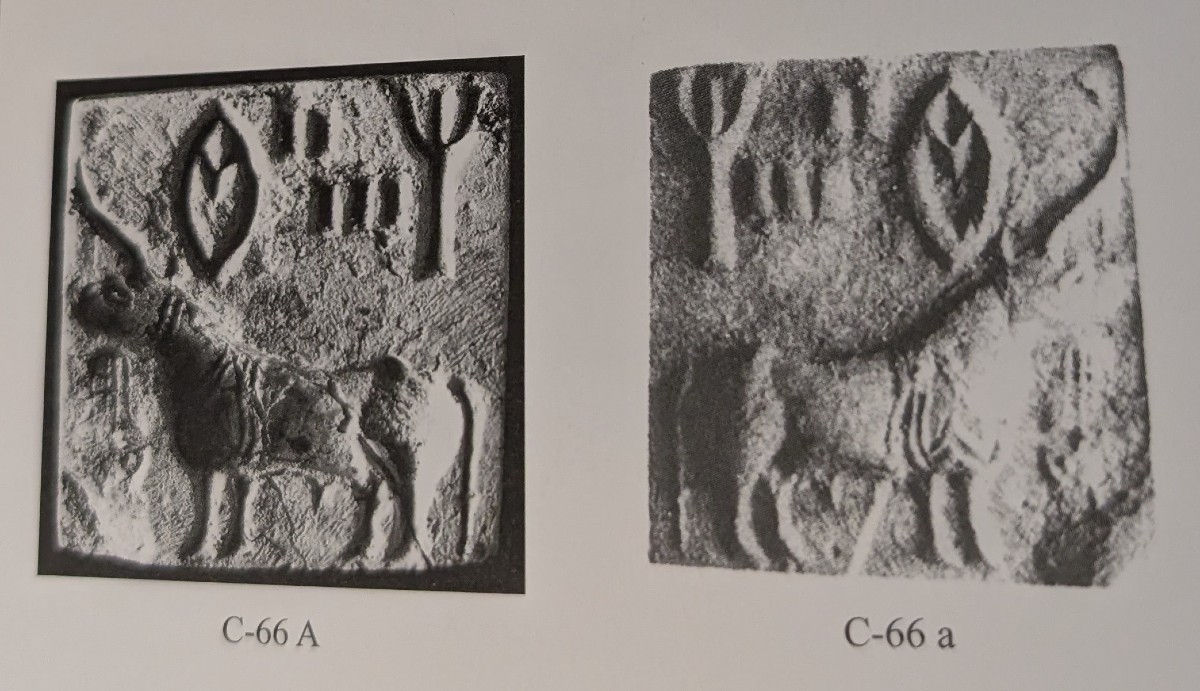
Corpus of Indus Seals and Inscriptions, v 3.2, Parola (ed), (2010). p112
Flourishing life: Germinated seed, doubles, triples growth. Ultimately develops into a tree. Tree of Life in the Garden of Eden: Amrita #269. And #99. Tree / trishul #. ||| Three in the garden: Adam, Eve, Serpent. Triune god. Three as Shiva's characteristic number. Fertility sub-text: female and male repeated union. Shakti divine feminine in triune manifestation.
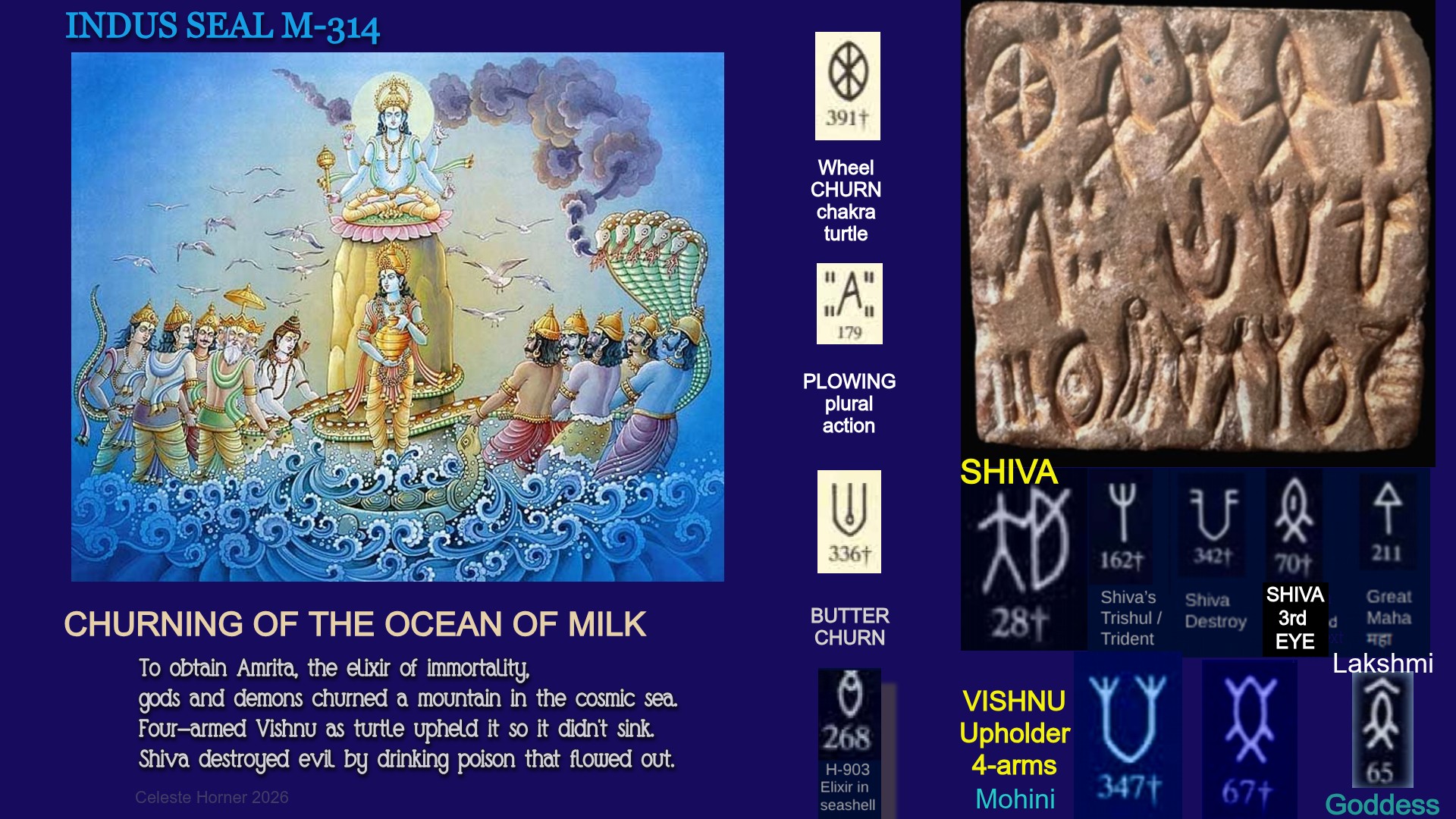
Seal M-314: Churning of the Ocean of Milk and marriage amulet
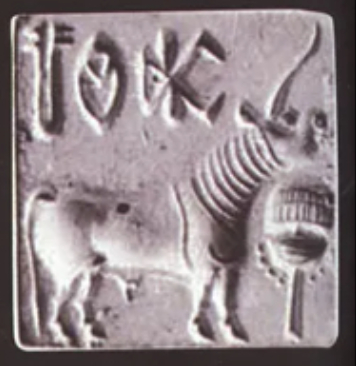
Zebu Bull Ambrosia Seal
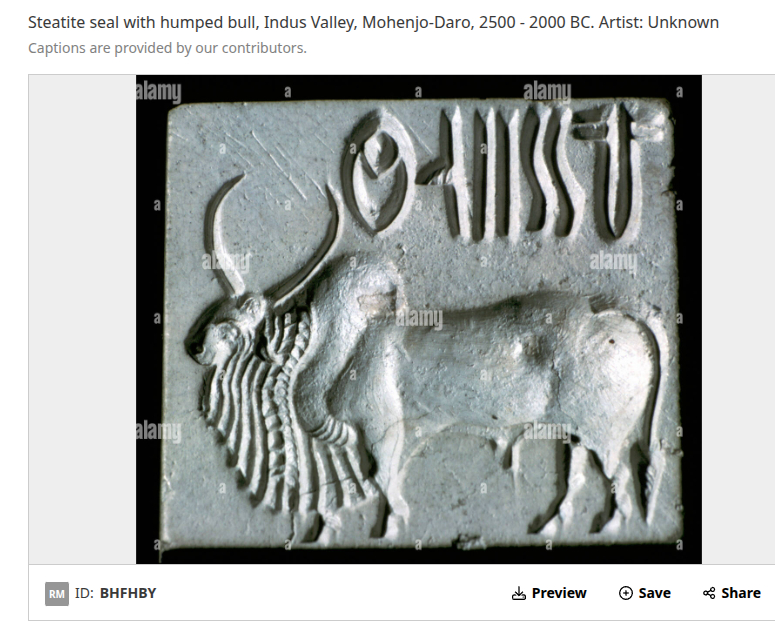
Alamy.com
ZEBU BULL AMBROSIA SEAL
|
| #269A |
#402 |
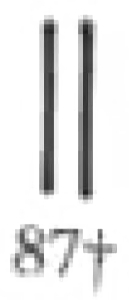
#87 |
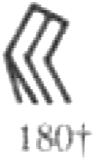
#180 |
#342 |
#269 |
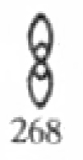
#268 |
#120 |
#133 |
#12 |
 |
 |
 |
 |
 |
 |
 |
 |
 |
 |
AMRITA
CONCH
LIFE, egg
wish gem |
MOUTH
SWALLOW
horn, thorn
tusk, dig |
UNION
alignment
repeat
LIGHT Jyotrl |
FLOW
control
river
SHIVA
|
SHIVA
LIFE Α Ω
ORIGIN
|
AMRITA
CONCH
life, egg
incarnation |
THUNDER
BOLT
3rd EYE
up down seek |
RIVER
stream
flow
|
WATER
OCEAN
flow
wave |
COSMIC
BALANCE
water
bearer Shiva |
|
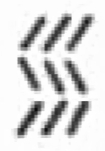
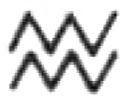
* glyph 180 approximates that in the seal. There is no exact match for the two parallel wavy lines in the glyph catalog. * 268 embodied (walking staff) immortal | infinite line. Embodied immortal Shiva. || Light ~ Primordial water. Shiva =V= Origin -- serpents facing away, heading out around the cosmic loop. Caduceus. Third Eye. Ra with uraeus.
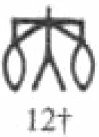
Interpretations: AMRITA - DRINK - UNION - FLOW - SHIVA (Origin). Because of the balance (#12) of the universe, the treasure of Amrita (#269) emerges unified (#87) and combined with an equal amount of poison,
which Shiva swallowed (#402). This seal honors Shiva for controlling (#180 broken flow) the combined (#87) flow and protecting the world from the dangerous part. This is an allegory for the inner alchemy that each person must do to process the problems and poisons in their life and to savor the joyful, rewarding and sublime aspects also.
From the origin flows a union. Drink the amrita.
Seek above (#268). Dig downward (#402) and within. In unity flows Shiva
As above, so below. Unity. Flow. Origin
Embody (#269) Unified Light (#87). Flow. Fly (#342)
Unified: rose bud and thorn
Churning of the Ocean of Milk
Shiva swallows poison, saves the world.
Amrita of immortality is obtained
*****************************************************
| #342 |
#269A |
#65 |
|
|
 |
GOD
SHIVA |
AMRITA
Elixir of Immortality |
PROTECTION
poison swallowed, claw attack stopped |
KOSMOS - good and evil KZ oM S
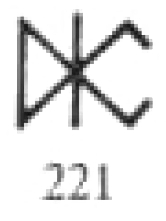
INDUS SCRIPT PROTECTION SIGN found in Tamil Nadu. This is Glyph #221 from the Mahadevan (1977) catalog. It represents Shiva swallowing the poison from the Churning of the Ocean of Milk to protect the universe.
Scorpion with stake through it. An attacking claw absolutely stopped, staked, tied, bound. Atropaic sign. Next sign is Amrita #269 (Amrita in conch shell, with immortal walking staff or endless life line). Then Shiva #342.
Glyph #269 is a lotus bud of enlightenment, a gem, heart and soul, a conch shell from which Amrita is drunk from the Ocean of Milk. The Mahadevan corpus has only the variant attached to an incarnation or sage walking stick, but it appears multiply by itself. I introduced 269A or 269.1 as an attested variant CCH.
This is the first time I have worked with #221. It is forceful protection: It shows an attacking claw being stabbed, cut with blade, staked or shackled. Threat neutralized.
(Comments from current projects page)
269: heart + pearl, gem, spark, yoni. See anatomy seal with loin, stomach, heart of bull. TODO: upload.
269 glyph corrected by Celeste. Concordance lumps amrita conch with throat or incarnation staff. Should be 2 separate because
amrita conch is very highly used. Only 1 occurrence of walking staff + conch in Concordance.
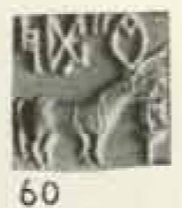
Amrita obtained by tug-of-war between gods and demons in the Churning of the Ocean of Milk
1. Tug-of-war. 2. Poison (scorpion claw). 3. and " (ditto mark). 4. Amrita.
Read head to tail of the divine animal (unicorn), right to left in this image.
|
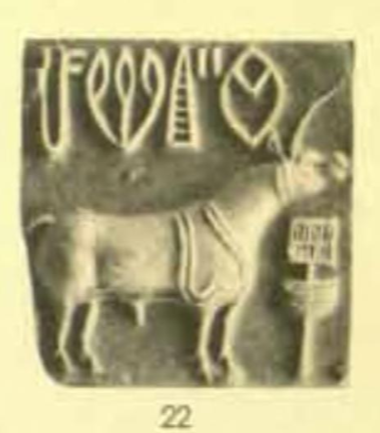
Seal 22. Marshall (1931), volume 3
|
DRAFT: Edit of Indus glyph #2, 2.html 2024.
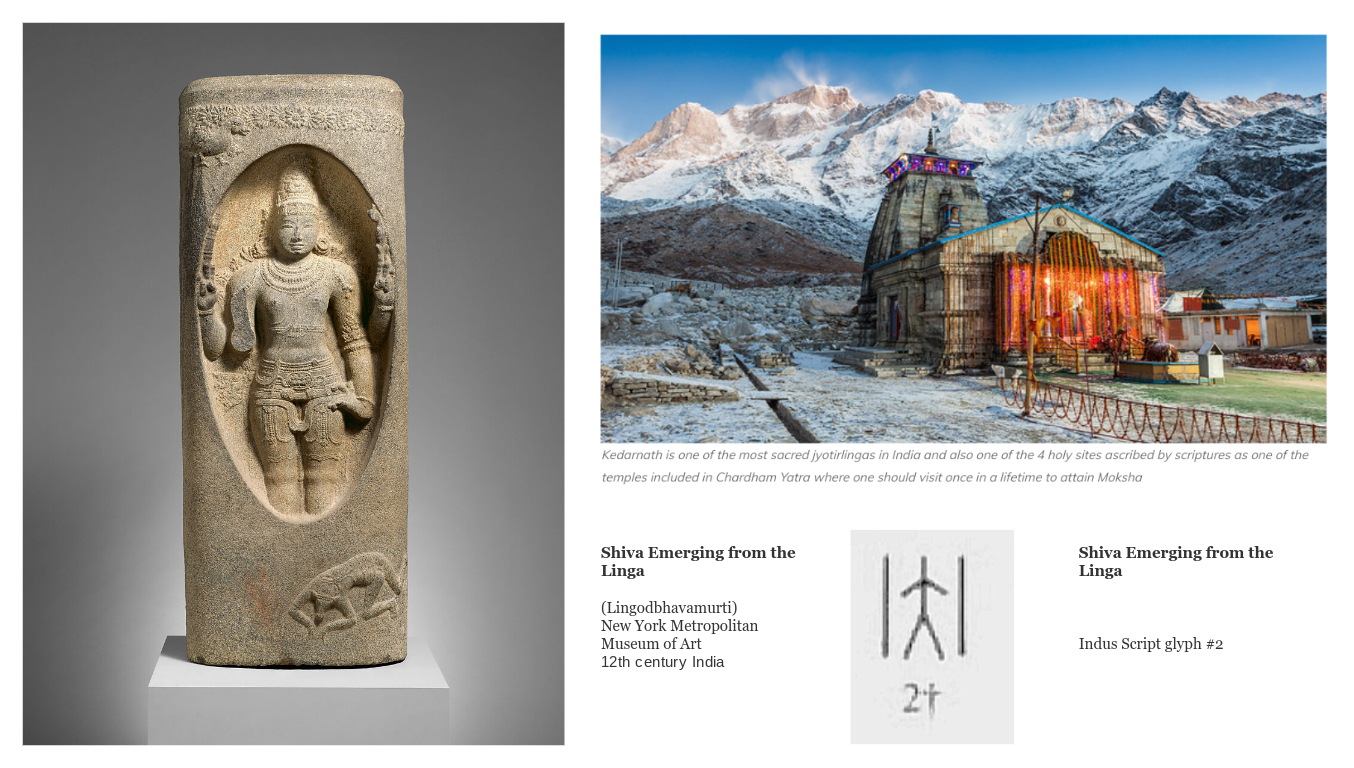
Image credits: Metropolitain Museum and Indianholiday.com. The Indus Script: text, concordance, and tables. Mahadevan, I (1977)
|
Indus Script glyph #2. @ How Brahma lost his fifth head. A dispute arose between gods Brahma and Vishnu over who was the greatest.
Suddenly, an enormous pillar of light and fire blazed up between them. They agreed that whoever could discover the end would be declared superior. Brahma transformed into a swan and flew upwards. Vishnu in the form of his boar avatar dug down towards the netherworld. Both gods searched, but neither could find the end of the pillar. When they met again, Vishnu admitted truthfully that he failed to find the bottom. Brahma, however, lied and produced a flower that he said came from the top. Just as Vishnu was about to bow to him, the god Shiva emerged from the pillar in a rage, and sliced off the 5th head of Brahma which had swollen his ego and caused him to lie. After that is was apparent that Shiva was the supreme deity. Jyotirlinga (radiant linga) shrines across India honor this first manifestation of Shiva as a cosmic pillar of light.
Concordance entries for glyph #2: @ | @ ♣
|
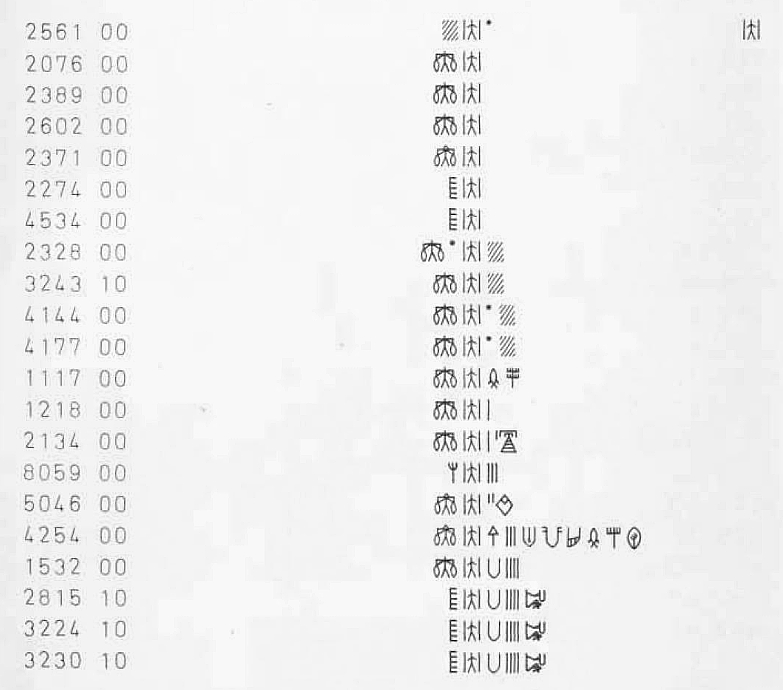
These are epithets and accomplishments of Shiva.
3230
2134: The elements. WATER: glyph #12, water-bearer. FIRE: glyph #2: Jyotirlinga pillar of fire. VOID: glyph #97, apostrophe, not, empty, but yielding all. EARTH: glyph #206, mount Meru.
Hindu mythology interpretation of the Indus Script
Celeste Claire Horner 2024
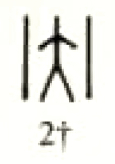 | JYOTIRLINGA, the pillar of fire from which Shiva emerged in the legend of How Brahma lost his fifth head |
| WATER-BEARER. The god Shiva is the water-bearer because the waters of the Ganga river fall from heaven onto his head, which legends say absorbs the masive impact, allowing streams to course gently through his matted locks. Shiva is associated with the planet Saturn, which rules the water-bearing sign of Aquarius. |
| U | universal, union.
Third eye tika. Shiva swallowed poison from Ocean of Milk. |
| |||| | Represents the Ganga river falling from heaven. Shiva saved the world by absorbing the impact of the water fall. It flows gently from the top-knot of his hair. |
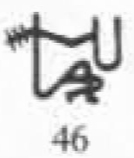 |
APSARAS. The lovely divine maidens, celestial musicians and dancers, the Apsaras, who emerged from the Ocean of Milk. Shiva saved the world by swallowing the poison which emerged from the Ocean of Milk so that the Devas could have the Amrita elixir of immortality and other treasures. The goddess Lakshmi, divinity of wealth and fortune, may be represented by this symbol. She has a special connection to Shiva. The Bael tree which sprouts from her hand, and the fruit, which represents her also, are sacred to Shiva. |
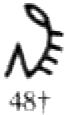 |
SKELETON. The dead. Skeleton man. Corpse in fetal position with spinal vertebrae protruding. Death of Shiva's wife Sita in a sacrificial fire. The dead in a fetal position in anticipation of reincarnation and rebirth. Pashu, the noose that Yam, God of Death, uses to pull a soul from a body. This glyph represents the spinal cord, and the rising of kundalini. The Shiva glyph #342 represents the sacrum, the base of the spine, where the kundalini serpent is coiled.
|
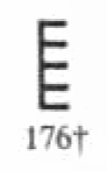 | ENDLESS. E: Endless, deep and high. Represents the Jyotirlinga pillar of fire representing Shiva. The pillar of the cosmos, the gods Vishnu and Brahma failed to find the end of it. |
| • | Glyph #0 (added by Celeste Horner 2024): Void, nothingness, an aspect of Shiva. |
|||| Represents the depths of the Ocean of Milk
Glyph 171. Represents Ocean of Milk, or lord of the Oceans. 5-prong trident. Also appears as Neptune's 5-prong trident sceptre in Ephesus house. Alamy.
8059: Ψ Trishul. Jyotirlinga I. ||| Tri Murti, TRi. TRIMURTI.
How Brahma Lost His Fifth Head ^
|
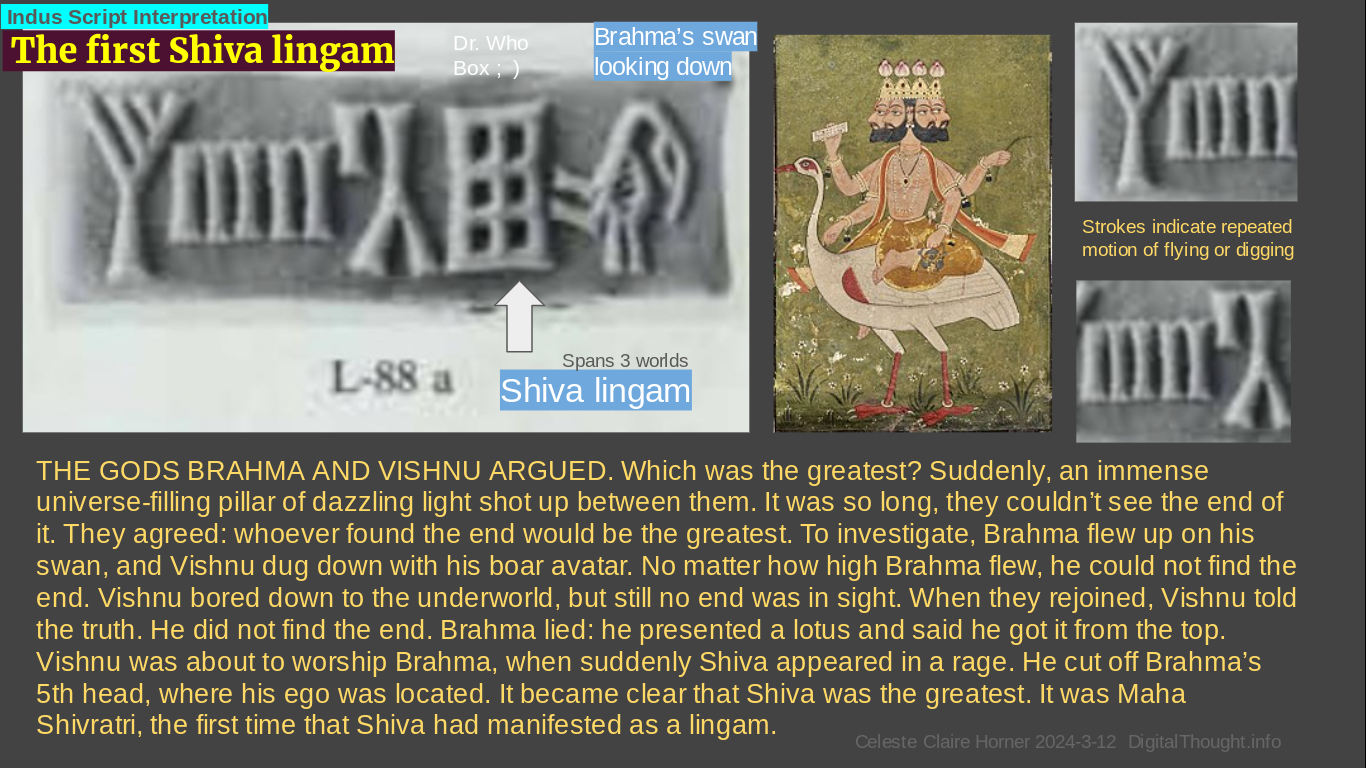
Figure 6: Indus Script with glyphs for a Shiva lingam, the swan of Brahma, and multiple strokes for digging and flying action. CCH 2024-3-12.
The swan's head is bent back like it is looking down from the tall tower, has lost its head, is dead, or ashamed. The head looks like the Egyptian hieroglyph for crescent moon, an emblem of Shiva. The upside down Y look like the Eiffel tower. The lingam was an infinite tower.
RELATED INDUS SCRIPT GLYPHS:
Glyphs #2 (Shiva appears in pillar). Glyph #5 (Brahma head). Glyph 79 (Brahma bird avatar looking down). Glyph #83 (Brahma bird avatar with no head). Glyph #198 (5th head of Brahma, 5th block on top of stack of 4).
|
[INDUS SCRIPT HOME]
DRAFT UPDATED 2026-5-15. , CREATED 2026-5-15 @20:13PST. Edit of 2.html 2024. celeste@digitalthought.info / celeste.horner@gmail.com
|
|
