|
|
|  |
|
Glyph 124: Mahadevan 1977 concordance entries
[1] nama नम (I bow)
[2] namaste (prayer hand gesture of respect)
[3]
[4]
[5] Meta: n small ' m | larger, bowing to the greater
[6] Meta: n inner m sealed outer. Silent or hum speech
[7] Meta: n nasal m mouth
[8]
[9]
I honor, I bow to Shiva,
bearer and balancer
(Bal, lord, NB) of the universe
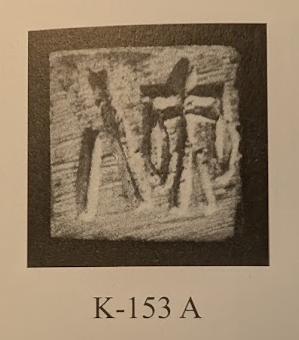
Corpus of Indus Seals v 3.2. Parpola, ed.
#124 bow (nama). Shiva - bearer, balancer of the universe. Cosmic balance
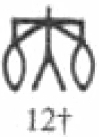
READING DIRECTION: Read left to right for this image: Nama (I honor, I bow) = n (short stroke) + m (longer stroke) + Shiva load-bearer, glyph #12
Indus inscriptions are bi-directional. They can be presented symmetrically, like Egyptian hieroglyphs which flank both sides of a monument door, or represent an opposing face-to-face dialogue between royalty and divinity. The reading direction is determined by
the characters which have a distinct front and back. Front and back are determined when the glyph appears with a unicorn or animal seal, which is read head to tail. Otherwise, it is determined by proximity with a first-order reference. The face of a living character is the front. A dead figure, such as #48 corpse is presented back first. This will be consistent between characters. The nama word is short
line first. In reverse, it reads Mn, mountain, as in Mandara. This is one of the few that is anisotropic / pleiochroic, having two
meanings depending on direction.
|
K-153 A: I honor, I bow to Shiva. (OM) Nama Shiva.
|
SHIVA
|
NAMA
|
| #12 |
#124 |
 |
 |
|
| LOAD BEARER |
NAMASTE |
|
water bringer
savior (drank poison)
cosmic balance
axis mundi . Bharavah
Weight lifter
burden bearer
EA E7
donkey X2 unicorn
wisdom, alchemy
pierce veil with
horn of consciousness Phonetic: B |
I bow
I honor the
divine presence Phonetic: N, Nm |
|
Rotating Damaru drum makes the sound (( OM ))
Interpreted by Celeste C Horner (2026-11-10, 2024)
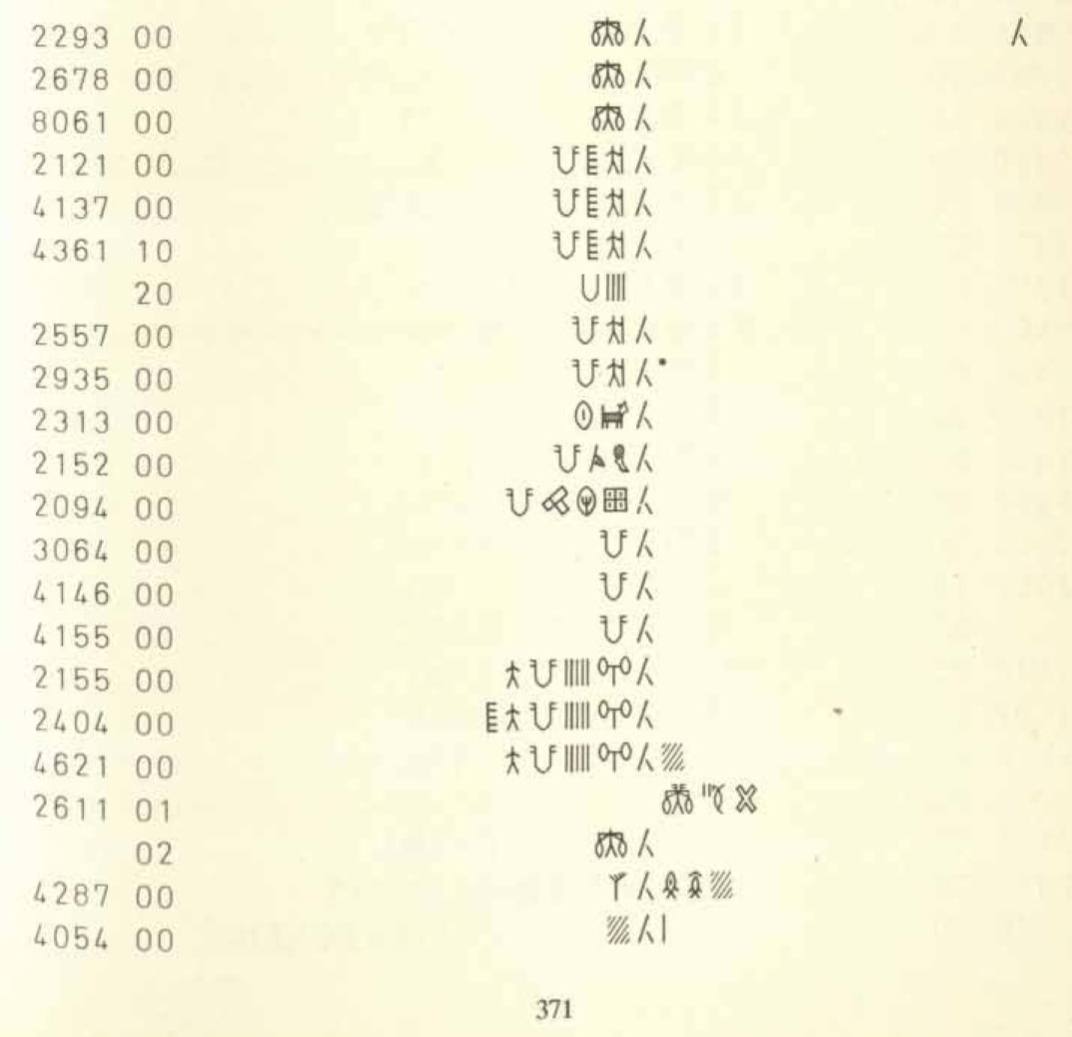
2293: I bow to Shiva.
2313: Nandi bows to Shiva.
2155: I bow. Glyph #409 Damaru drum of Shiva. Sounds (( OM )) as it rotates and is beaten ||||.
2935: No bow. Sage. Shiva. (Destruction of Daksha Yajna. Controversy about Shiva's status, Purana stories)
2121: I bow, I honor the Sage EEEE Eternal, Shiva.
In a cycle of the universe, he was a Saptarishi. He was the first Yogi and the first Guru. His disciples were the Saptarishis. Their clash caused beginning of linga ritual.
2313: I bow to the Vedas. Ve (vision) Da (giver) = Eye. See 4 square symbol of Vedas. See Kamadenu leg symbol of Vedas 2152.
2026-11-18
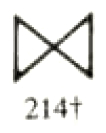
CCH 2026-11-18-1: I honor, I bow to Shiva. OM, nama Shivaya.
|
| SHIVA |
NAMA |
(( OM )) |
|
| #12 |
#124 |
#149 |
#149 |
#130 |
|
|
 |
 |
 |
|
| LOAD BEARER |
NAMASTE |
(( OM )) Cosmic sound made by Shiva's rotating Damaru drum |
|
water bringer
savior (drank poison)
cosmic balance
axis mundi . Bharavah
Weight lifter
burden bearer
EA E7
donkey X2 unicorn
wisdom, alchemy
pierce veil with
horn of consciousness Phonetic: B |
I bow
I honor the
divine presence Phonetic: N, Nm |
DAMARU DRUM
Night
Time
Transformation |
VIBRATION
vibration
AND
plural
multiple
repeated
-ING
active verb |
ROTATION
Wheel, chakra
OM
Light
A
God
|
|
READING DIRECTION: Right to left. Composed by Celeste Claire Horner, 2026-11-18. Indus script should be revived and used to compose poetry and verse, aid contemplation.
Rotating Damaru drum makes the sound (( OM ))
Interpreted by Celeste C Horner (2026-11-10, 2024)
[INDUS SCRIPT HOME] | [ INTERPRETATION TABLE ]
DRAFT UPDATED 2026-11-18, 2026-11-17 celeste@digitalthought.info / celeste.horner@gmail.com
|
|