|
|
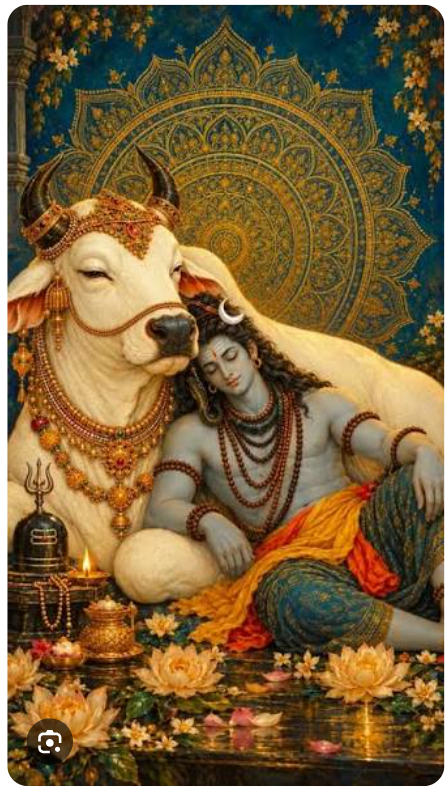
|  |
|
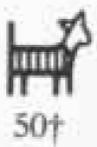
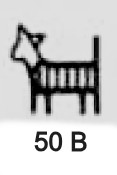
Glyph 50: Mahadevan 1977 concordance entries
[1] Wish-fulfilling cow, Kamadhenu
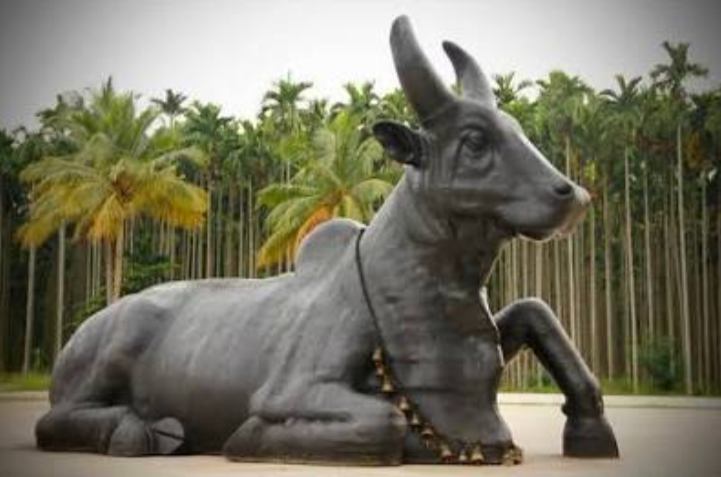
[2] Nandi, the bull avatar of Shiva
[3] Sabala, Prithvi (Mother Earth)
[4] Surabhi, fragrant one, mother of cows
[5] Matrika, mother
[6] Kapila, the red one
[7] Emerged from the Churning of the Ocean of Milk
[8] Provides endless milk for Saptarishi sacrifices at command of Brahma
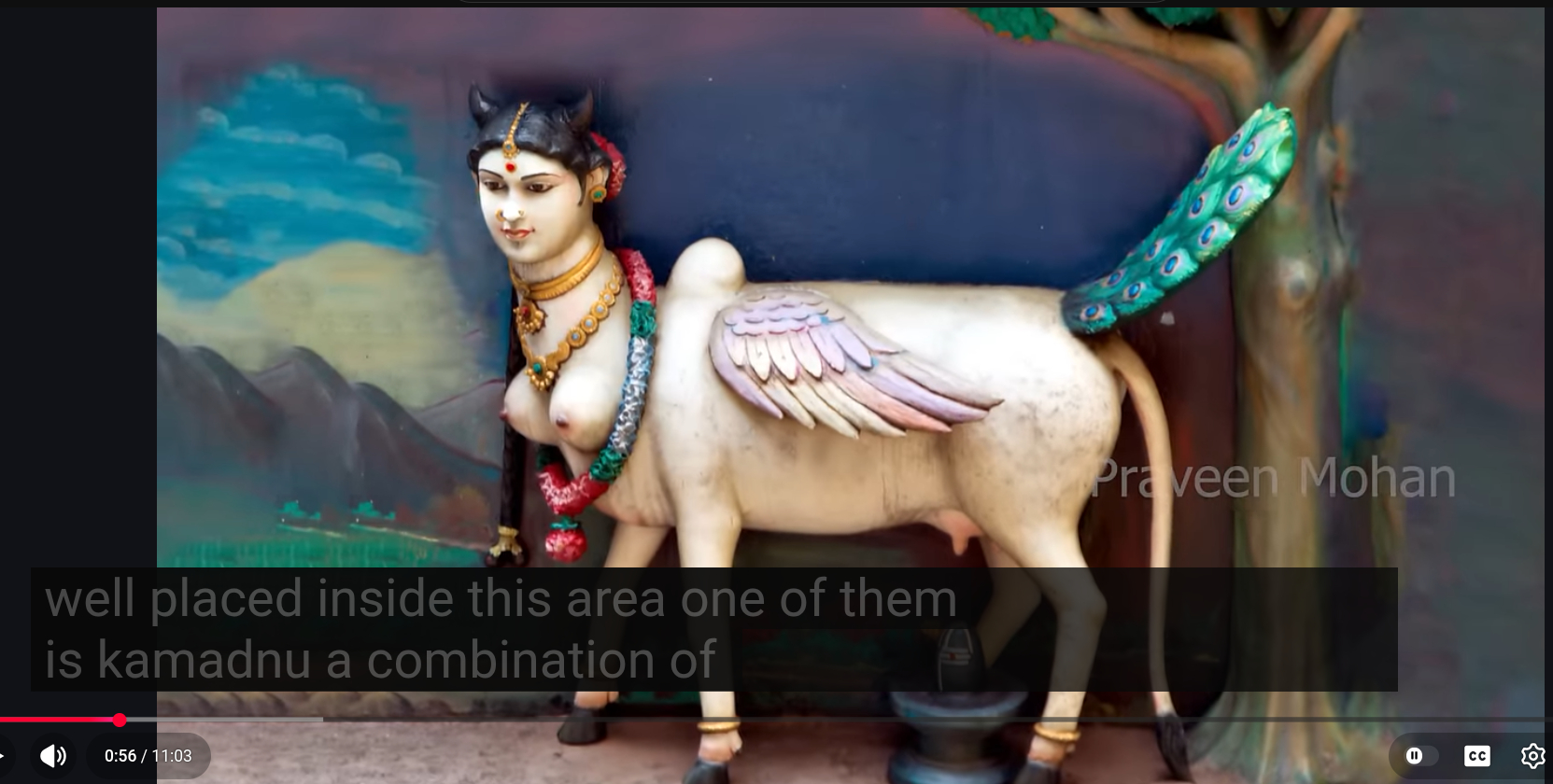
[9] One form has body of a humped Zebu, wings (M#1544, glyph #56), face and breasts of a woman, and tail of a peacock
[10] Represents panch buta, the five elements
[11] Was cursed by Shiva for helping Brahma to lie about finding the top of the endless Jyotirlinga
[12] Produces armies to protect Brahmins, who do not fight
[13] Body of Kamadhenu contains the gods (Brahma in the hump). Eyes are the sun and moon.
[14] Exists in 3 worlds, Patal lok, the underword; heavenly cow world of Goloka; and in the physical world.
[15] Rain is her tears over the hard work of her sons who pull plows. Muddy ground gives them a break. Indra sends storms to help.
[16] Connected to Brahma, pleased him with her 10,000 years of worship to him
[17] See also glyph #85, the leg of the wish-fulfilling cow
[18] Constellation of Taurus
[19] Astrological age of Taurus
(analog Hathor - Sekhmet? Connection Lakshmi, goddess of Fortune, thus Shakti)
(M3083. Theft of cow or sacrificial horse. King tries to take sacrificial cow from Sage by force, but the wish-fulfilling cow protects the Sage. Astra weapon connection. Sage incinerates 60,000 warrior brothers. Their descendent brings Ganga river to Earth so that their souls will have
relief in the netherworld. Shiva supports the huge downpour by having it flow through his hair, thus he is The Bearer, #15.)
(M3118. Kamadhenu represents the elements, and the elements were also created with Brahma first played the #215 damaru drum, which was given to Shiva)
|
Nandi is the eternal companion of Shiva. He represents patient eternal waiting, readiness, reverence, devotion
|
In most Hindu temples, Nandi faces east towards the inner shrine with the Shiva linga.
East on paper is the right. West is left. CCH: When a stamp is the meditation device of a person, it should
be positioned correctly, the sealing, which could be distorted is secondary, OK to be backward. However
if publishing is the intent, then the original would be inverse so that the print would be read in
the orientation intended. Indus script reading is bidirectional, like Egyptian hieroglyphs placed in
symmetrical compositions around doors or in conversation. Indus: certain characters have front and back which
constrains the direction
|
|
Lesson in how to pray or meditate, how to create sacred space in the mind and heart, from Nandi's example. Nandi models stillness, consciousness and meditation. Attentive, conscious, ready, one knee prepared to stand; at peace, waiting with faith and reverence. Still, yet on the cusp of action, delicate balance of consciousness, still yet alert, standing at attention in the mind. Nandi bows to Shiva with devotion. Shiva bows to Nandi with love. Precious stillness, like the moment before the first kiss of true love. Sacred space.
Awake. Vivek. Eye erect, at attention I. Your consciousness should be alert, reverent like Nandi.
N-N-N = Nandi Namaste/Namah Netra (eye). N focused point.
SYNTAX *. English translation read left to right. NANDI character read tail to head, backwards, because he is a
resurrected person, formerly human. He was a young man, but destined to live a short life. When Yama, god of death tried to
snare him with his noose, he could not take him because of Nandi's piety towards Shiva. Finally, he was transformed into an
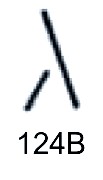
immortal bull form and became Shiva's eternal companion. He always faces Shiva, so the worshipper would approach him tail first. √NAM bow (#124 backwards version of #124 Mahadevan 1977 Indus glyph), small stroke towards the worshipper who is lesser, one; large stroke, like an inequality symbol towards the god who is more. SHIVA. Third eye, consciousness. Alert. NNN 3-D zero, origin. Nothing is nothing except everything balanced. (N Phonetic complements in use). Meta: Sound nn creates a density inside the mouth, teeth and tongue meeting. A sound which can be made without opening the mouth. A posture. A potential. Origin point.
 [Mahadevan 1977] |
Inscription 2313: Nandi bows to Shiva (third eye, consciousness) NNN Ananta (Eternal, endless, infinite)
|
 |
|
 |
| Shiva (3rd eye) tri-Netra |
Nandi |
bow (Namaste gesture) |
SYNTAX NOTES: #124 is a diachroic letter. N, nm, namah or M, mn, mountain. Shivam, to Shiva. Nandi Shivam namati. VSO verb subject object order
Indus: Bull, head down, combative, opposition, mirror, with Set animal. Consider flipping the the sense. Convert infernal dog to divine bull. Polyvalent chimera in Indus inscriptions -- bulls with elephant trunk, etc. Nandi, charging battery, 6/7. Inscriptions could serve as initiate handshake. Present public version, true initiate writes the proper order on unbaked clay or sand. Erased.
ANANTA (Endless, infinite, eternal). aN (Nandi) Nama-N Netra eye NT. NNN = 111 = Trimurti
Egypt god ntr, eye perspective, insight, nature. Unblinking serpent eye. Eternal -renews skin - Consciousness
Shiva seen as Adiyogi,
who transmitted the profound science of Yoga to the first seven disciples 15,000 years ago.
|
Associations of Nandi in the Indus Script

Indusscript.in
|
 |
 |
 |
 |
Nandi
companion, vahana mount of Shiva |
Garuda wings
like Nandi, also a divine vahana mount |
Trishul
Shiva's trident |
Endless
Nandi - eternal waiting |
Shiva
Ajna third eye tilak |
 |
|
 |
|
Shiva lingam
Nandi facing lingam shrine |
Lingam and yoni
Shiva, third eye. Serpents |
Damaru drum
Shiva's instrument of creation |
Interlocking rings
Shiva and Nandi, eternal connection |
|
Nandi, the mount of Shiva paired with wings of the eagle Garuda, the mount of Vishnu. Nandi paired
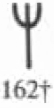
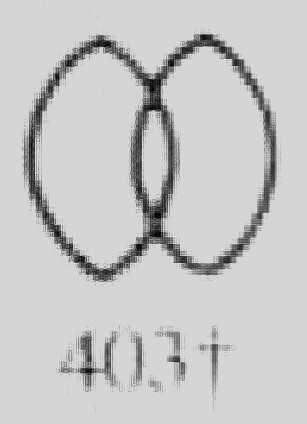
with Shiva's trishul #162; Shiva sacred pillar or tilak #342; Shiva's damaru drum #403. Nandi with
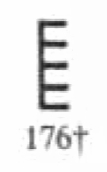
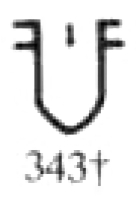
sign for Endless, eternal waiting #176, and story/ palm-leaf book. Nandi with Shiva linga (Shiva symbol with single stroke) #343.
Nandi and interlocking rings #403 - forever together with Shiva. Unity.
|
Inscription 1150: Shiva with Nandi, trishul trident, and pipal leaf

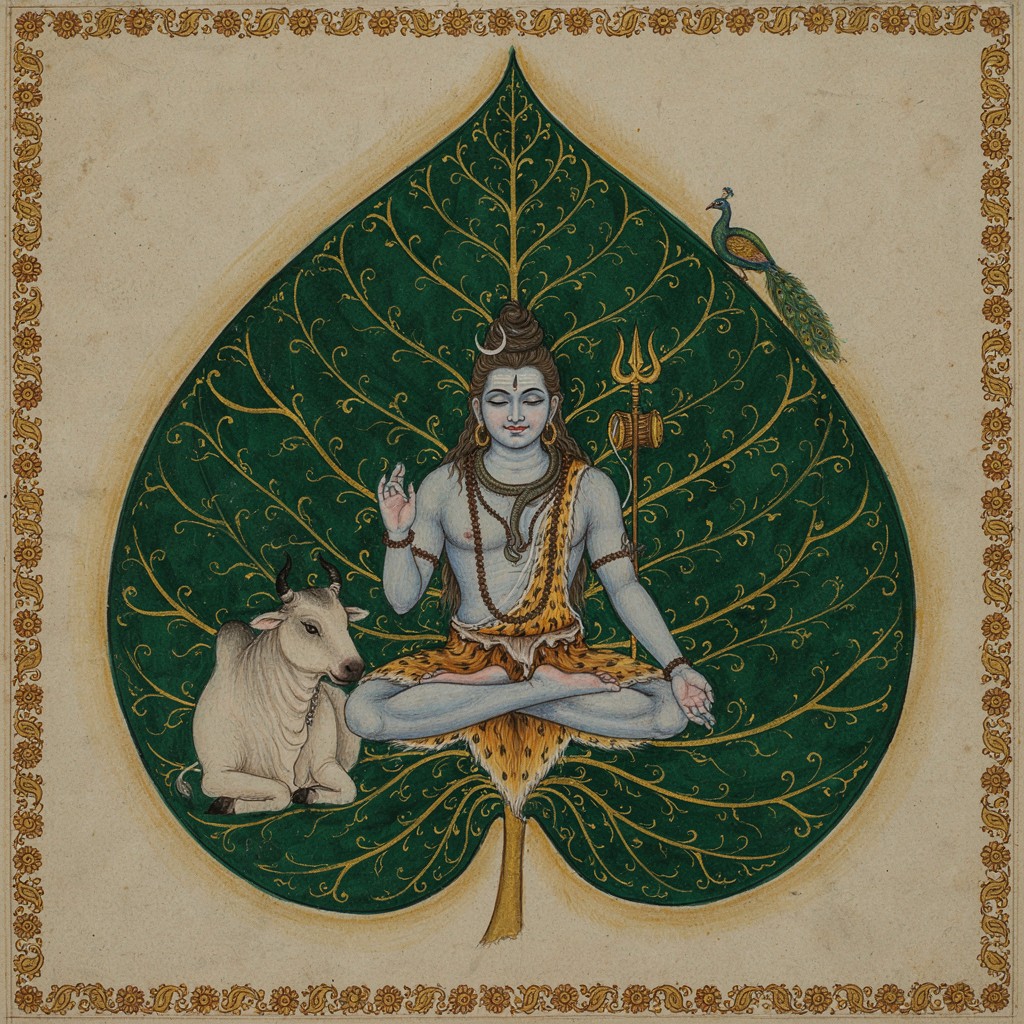
C. Horner 2026-10-24. Shiva with Pipal sacred fig leaf. Pixlr
Nandi N. Linga I. Sati S. Shiva Si. Manu Man
M-926. Nandi with linga. Two eyes, of Vishnu and Brahma (swan avatar #81), seeking the top and bottom of Jyotirlinga, but
there was no end, it was boundless, endless #176 EEEE
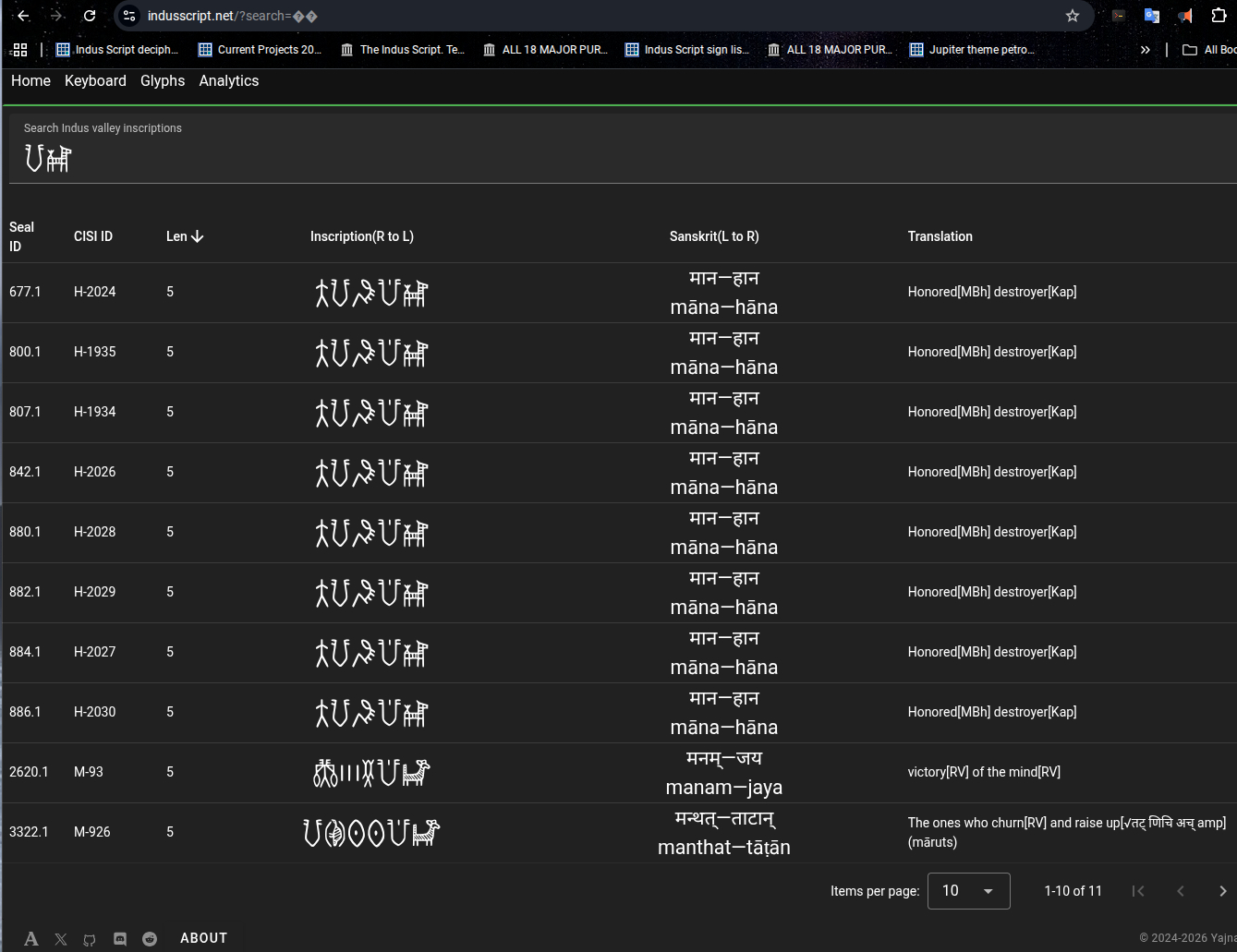
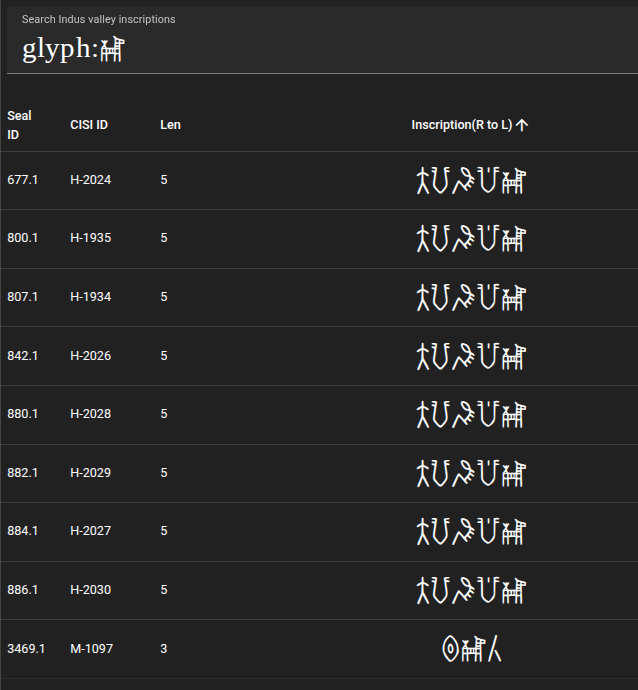
Indusscript.net concordance.
Joins Shiva #342 with most faithful companions, Nandi the bull #50, and Sati #48 (corpse) who sacrificed her
life in fire to defend the honor of Shiva.
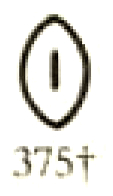
This concordance corrects eye glyph from Mahadevan #375 to eye within eye,
not in M77. Inscription 2313 = M-1097, thanks to Indusscript.net lookup index.
M-1097 analysis #124 - #50 - #???
Mahadevan 1977 does not have a glyph for an oval within an oval, although #383 and #381 are similar.

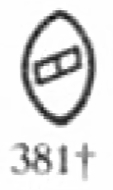
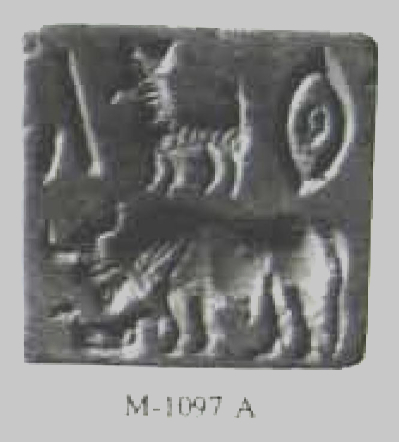
Corpus of Indus seals and inscriptions, Pakistan. Mahadevan 1977
Corrupted. Bull morphed towards long snout, long ear Set animal, tail erect, no fork / wild A.
chimera - cat tail erect, serpent is erect tail, long-ear donkey, bull, cat, striped tiger, dog Besingi, tail up alert, happy
Eye - hole.
Possible Eternal - eye within eye - infinite. Fighting bull.
Eternal opposition theme collection. 2026-11-24- Bowed, beast of burden. Problem statement.
Tail erect - defecation, mating. But also allusion to dog, faithful companion, erect, alert mind.
Have choice between blasphemy, BS, and wisdom
BS stamp. Bow to Set, @-hole. Curse stamp. Mountain of dung.
Test of initiate insight. Rearrange and correct.
Beware the naughty trickster donkey (like fork tail Set animal) and the stubborn, fighting bull, head down
Fork tail use discernment, wisdom needed: critical choice -- between blessing and ruin
Discern between the Satyr goat leg of underworld and sacred cow leg of Vedas #84, or avatar boar leg which saves Earth
and tells the Truth
CORRECTION: 2026-11-27: Bow Namaste recognizing divinity - Nandi - Endless. The cosmic egg that contains itself. That which contains itself is infinite. The eye which regards itself, its own eye, consciousness EEE #176 + egg in egg. #383. Nandi is state of endless waiting OM resonance. The throat, wormhole, corridor to another realm. Open channel of communication.
See #383, #396, eye within eye, endlessness, egg within egg. ICIT 808
Look in eye and see whole cosmos inside. Bottomless swallowing capacity, endless loop. All gods: Brahma saw cosmos in Vishnu and vice-versa. Agastya swallows ocean. Shiva swallows poison. Kronos omni swallower.
Inauspicious 808 H-456 Amrita #269 plus poisonX released at churning. Erased. Transmuted, or positive dung probiotic sanctifying aspect recognized.
- Seal 129.1. Dismemberment of linga - destruction.
- M-757: Contrasted with goddess Lakshmi #65, therefore represents the poison.
- H-456: Contrasted with #269 Amrita, therefore is the poison in the Churning.
- M-833: Associated with tug of war #254 and poison #216 in Churning of Ocean. Poison destroyed by Shiva swallowing. Destroyer eye representing Shiva. Possible positive swallowing of evil, neutralization.
- M-1097: Nandi bows to Shiva. Third eye.
- Most comparable Mahadevan symbol is the destroying eye #381.
|

Indusscript.in data. Garuda wings paired with Vishnu emblems - gada mace, |||| four arms. Multiple strokes for flying. Butter churn symbols because Garuda carried the peak Mount Mandara in his talons and flew it from where it was uprooted from Mount Meru to the site of the Churning of the Ocean of Milk. Garuda wings and #99 and, DUAL. Wings come in pairs.
|
Inscription 1150 Iconography of Shiva - Nandi, the trishul, and enlightenment (Pipal / Bodhi tree leaf)
|
|
|
 |
 |
|
| Nandi |
Shiva's trishul |
union |
Pipal leaf |
Shiva |
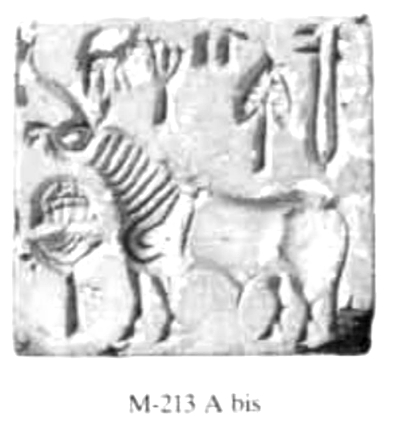
Nandi curses Sanat Kumar to become a camel for disrespecting Shiva
Sanskrit and Indian Epics (Parva / Parvam)
Chapter or Book: In classical Sanskrit literature, a parva means a section, division, or book. The most famous example is the Mahabharata, which is divided into 18 parvas (such as the Adi Parva, Bhishma Parva, and Karna Parva).
Joints, Knots, or Phases: Rooted in the Sanskrit word parvan, it originally means a joint (like a plant stem or bamboo knot), a limb, or a division of time linked to changes in the moon (such as full or new moon days).
Religious / Theological Use: In traditions like Śrī Vaiṣṇavism, terms like prathama parvam describe specific stages or phases of spiritual devotion. [1, 2, 3, 4, 5]
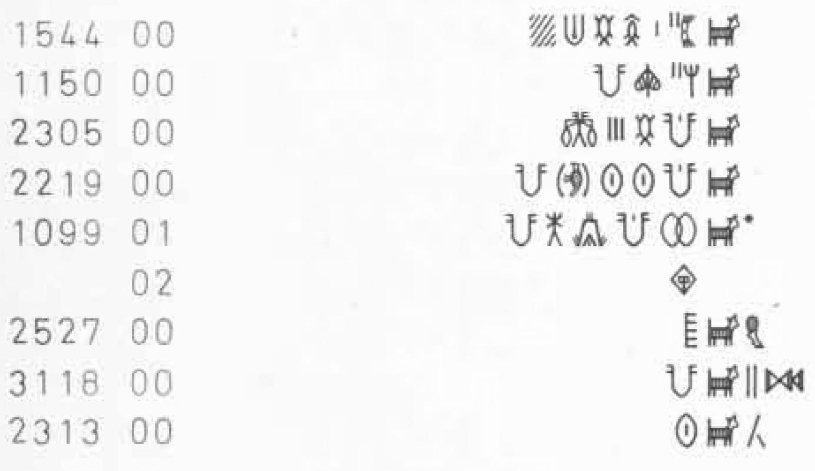


Glyph #176: endless, infinite. Glyph #50: Wish-fulfilling cow, Kamadhenu. Glyph #84 cow legs. The four legs
of Kamadhenu represent the four vedas, and the fundamental elements. Kamadhenu represents endless abundance.

|
ENDLESS PILLAR - THE SHIVA LINGA. Glyph #176: endless pillar. #81 The bird (swan) avatar of god Brahma. In the legend of Jyotirlinga, Brahma had a contest with Vishnu to see which would be first to discover the end of a mysterious flaming pillar of fire. Brahma flew up with his bird avatar (#81), and Vishnu dug down with his boar avatar (#62). Glyph #418 (or glyph #0) specified by Celeste Horner 2024 to extend the 417 glyph system of Mahadevan 1977 by one character. This dot, bullet point, iris, or bindu character • is a null, void, or negative. It represents Shiva's function of annihilation, and the case that the endless linga has no end, so both Brahma and Vishnu failed in their quest to determine the limits. Glyph #219 is Mount Meru with a vertical bisector representing Shiva as the axis of the world. In a contest between Naga serpent Vasuki and Vayu, the wind, a spur was broken off of Mount meru. This became Mount Mandan, the giant churning rod #336 twisted by devas (the gods) and asuras (the demons) during the Churning of the Ocean of Milk. Glyph #343 is a variant of the Shiva symbol #342, the most frequent glyph in the Indus Script. With a short stroke in the center, it represents the Shiva lingam, or the divided Ardhanarishwar half male, half female form of Shiva.
|
Shiva and the pillar of fire, Jyotirlinga
|
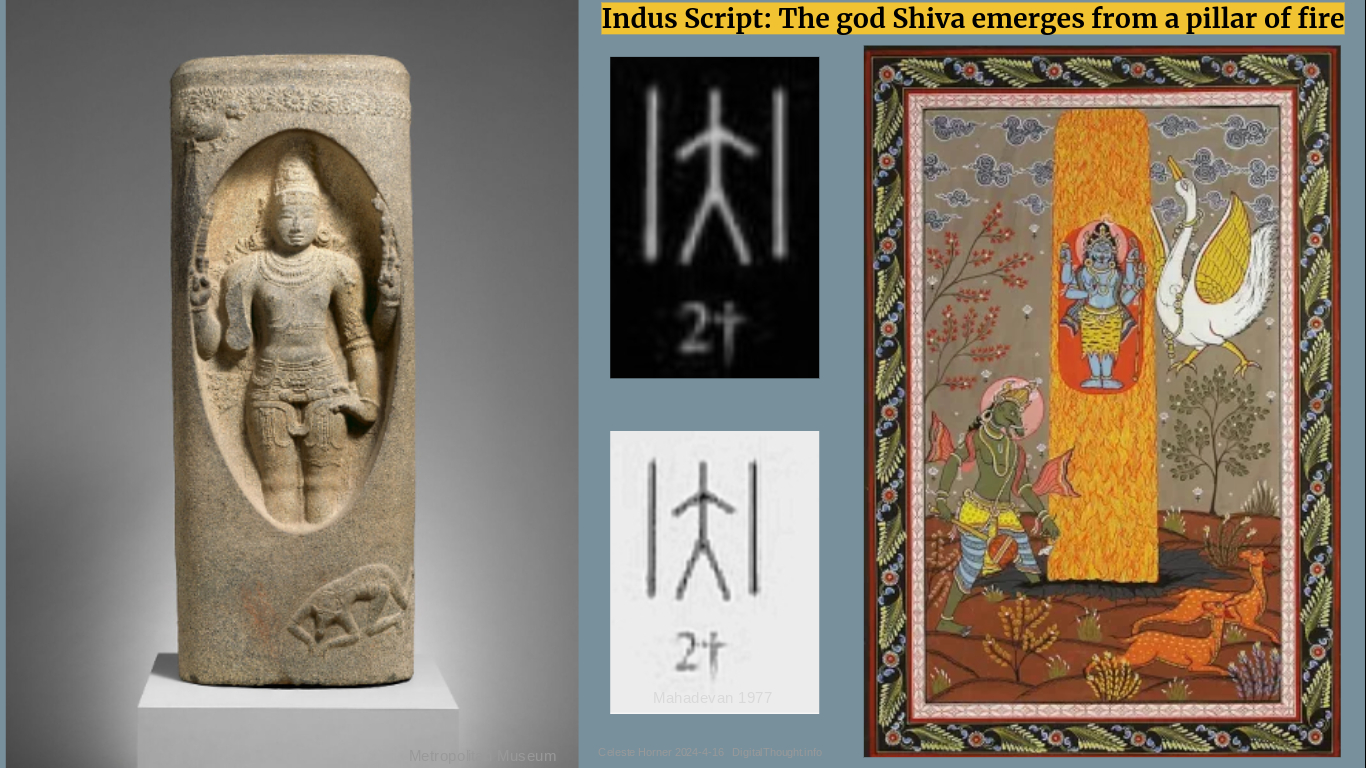
Image credits: Metropolitain Museum and Indianholiday.com
|
GLYPH #2: JYOTIRLINGA - GOD SHIVA EMERGES FROM A PILLAR OF FIRE
Indus Script glyph #2. @ HOW BRAHMA LOST HIS FIFTH HEAD. A dispute arose between gods Brahma and Vishnu over who was the greatest.
Suddenly, an enormous pillar of light and fire blazed up between them. They agreed that whoever could discover the end would be declared superior. Brahma transformed into a swan (#63, #64) and flew upwards. Vishnu in the form of his boar avatar (glyph #62, also Matsya god fish with tusk) dug down towards the netherworld. Both gods searched, but neither could find the end of the pillar. When they met again, Vishnu admitted truthfully that he failed to find the bottom. Brahma, however, lied and produced a flower that he said came from the top. Just as Vishnu was about to bow to him, the god Shiva emerged from the pillar in a rage, and with a blade of grass, sliced off the 5th head of Brahma which had swollen his ego and caused him to lie (#79, headless bird #83, #198, #51, #52). After that, it is was apparent that Shiva was the supreme deity. Jyotirlinga (radiant linga) shrines (#267, #270-283) across India are honored as emanations of this first manifestation of Shiva as a cosmic pillar of light (#61). Shiva Puranas, Chapter 7
Concordance entries for glyph #2: @ | @ ♣ | Glyph #2 info page
|
Indus Script deciphered with Hindu mythology: glyph #48, the corpse
THE TRAGIC DEATH OF SATI
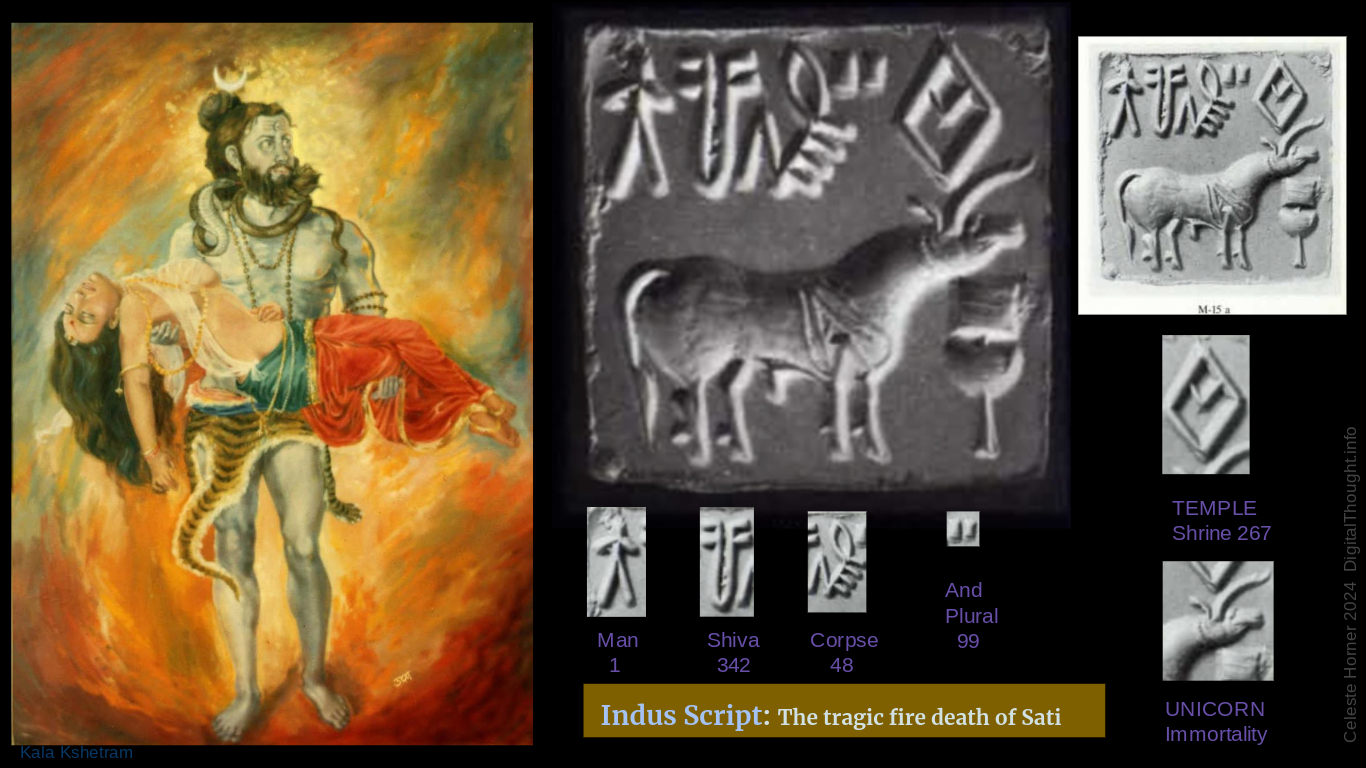 |
|
Figure 1. Indus Script glyphs deciphered by Celeste Horner 2024. Shiva art by Kala Kshetram @Tumbler
Indus Seal M-15 refers to the Hindu shrines dedicated to Sati, the first wife of the god Shiva. She sacrificed herself in fire because her father, a king, disrespected her husband. Indus Script glyph #48 depicts a corpse, with vertebral spines protruding from the back. In this story, these strokes also suggest robes, funeral wrapping, and flames. Glyph #48 also appears Ardhanishwara legend of the three-legged skeleton man, to describe Shiva as a god of the dead, and to represent the noose, called pashu with which the death god Yam extracts souls from their bodies at the end of life. The name of Shiva as Pashupati, Lord of Animals, may be written with glyph #48.
Indus Script glyph #48. SATI DIED TRAGICALLY. She married Shiva, God of Destruction against the wishes of her father, a king. He did not want his beautiful princess daughter to marry a poor, matted-hair ascetic who was covered with crematorium ash and writhing snakes. To show his contempt, the king hosted an elaborate sacrificial banquet and invited all the gods of the universe, except Shiva. Sati went to the event, dispite not being invited. When she appeared, her own father mocked her husband, and humiliated her. In protest, unwaveringly loyal to her husband Shiva, Sati walked into the sacrificial fire and died.
Shiva arrived in a consuming rage and destroyed the entire place. After that, he staggered around the land like a mindless drunken man, agonizing in bottomless grief, carrying the body of his dead wife. He was oblivious that parts of her corpse fell to the ground. His trail of tears became a pilgrimmage route in India to this day. Each part of Sati's body that fell has a Shakti peeta shrine and letter of the Sanskrit alphabet dedicated it, so that her memory will never die. Finally Shiva's grief gave way to anger, and he started the fatal steps of his Tandava dance that had the power to destroy the universe. At that point, Vishnu, the God of Preservation intervened. He attacked Shiva with his whirling sawtooth Sudarshan chakra, one of the ultimate weapons of the gods. It vaporized the remaining crumbs of Sati's corpse, and knocked the destructive winds out of Shiva. His mind restored, Shiva walked into a forest, sat down, and meditated motionless -- for centuries.
|

Varuna rides a Makara and holds a pasha noose (glyph #48)
Image credits: Metropolitain Museum and Indianholiday.com. The Indus Script: text, concordance, and tables. Mahadevan, I (1977)
|
Indus Script glyph #2. @ How Brahma lost his fifth head. A dispute arose between gods Brahma and Vishnu over who was the greatest.
Suddenly, an enormous pillar of light and fire blazed up between them. They agreed that whoever could discover the end would be declared superior. Brahma transformed into a swan and flew upwards. Vishnu in the form of his boar avatar dug down towards the netherworld. Both gods searched, but neither could find the end of the pillar. When they met again, Vishnu admitted truthfully that he failed to find the bottom. Brahma, however, lied and produced a flower that he said came from the top. Just as Vishnu was about to bow to him, the god Shiva emerged from the pillar in a rage, and sliced off the 5th head of Brahma which had swollen his ego and caused him to lie. After that is was apparent that Shiva was the supreme deity. Jyotirlinga (radiant linga) shrines across India honor this first manifestation of Shiva as a cosmic pillar of light.

Glyph #48: corpse, spine. Endless - Shiva - Spine. Shiva is the infinite axis of the cosmos


X: crossing over, reincarnation -- an endpoint
The knife, the blade -- an endpoint
The corpse, the grave -- an endpoint
Shiva -- Endless
|


Glyph 48 applied by CCH 2024 to Indus Script discussion by Rig - History Extended 2024

Hindu mythology interpretation of the Indus Script
Celeste Claire Horner 2024
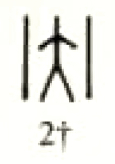 | Jyotirlinga, the pillar of fire from which Shiva emerged in the legend of How Brahma lost his fifth head |
| U | universal, union.
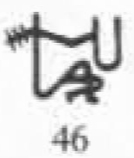
Third eye tika. Shiva wallowed poison from Ocean of Milk. |
| |||| | Represents the Ganga river falling from heaven. Shiva saved the world by absorbing the impact of the water fall. It flows gently from the top-knot of his hair. |
 |
The lovely divine maidens, celestial musicians and dancers, the Apsaras, who emerged from the Ocean of Milk. Shiva saved the world by swallowing the poison which emerged from the Ocean of Milk so that the Devas could have the Amrita elixir of immortality and other treasures. The goddess Lakshmi, divinity of wealth and fortune, may be represented by this symbol. She has a special connection to Shiva. The Bael tree which sprouts from her hand, and the fruit, which represents her also, are sacred to Shiva. |
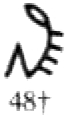 |
The dead. Skeleton man. Corpse in fetal position with spinal vertebrae protruding. Death of Shiva's wife Sita in a sacrificial fire. The dead in a fetal position in anticipation of reincarnation and rebirth. Pashu, the noose that Yam, God of Death, uses to pull a soul from a body.
|
| E: Endless, deep and high. Represents the Jyotirlinga pillar of fire representing Shiva. The pillar of the cosmos, the gods Vishnu and Brahma failed to find the end of it. |
|||| Represents the depths of the Ocean of Milk
Glyph 171. Represents Ocean of Milk, or lord of the Oceans. 5-prong trident. Also appears as Neptune's 5-prong trident sceptre in Ephesus house. Alamy.
8059: Ψ Trishul. Jyotirlinga I. ||| Tri Murti, TRi. TRIMURTI.
How Brahma Lost His Fifth Head ^
|
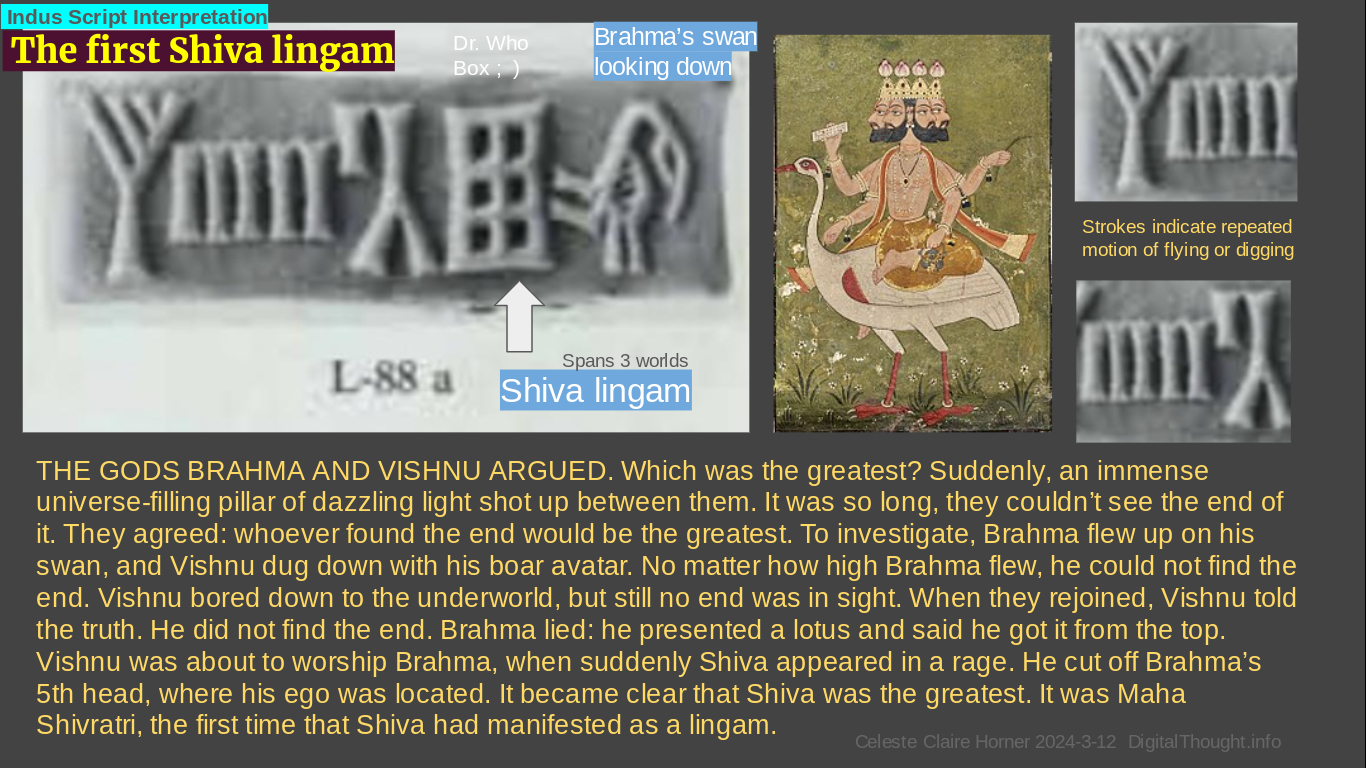
Figure 6: Indus Script with glyphs for a Shiva lingam, the swan of Brahma, and multiple strokes for digging and flying action. CCH 2024-3-12.
The swan's head is bent back like it is looking down from the tall tower, has lost its head, is dead, or ashamed. The head looks like the Egyptian hieroglyph for crescent moon, an emblem of Shiva. The upside down Y look like the Eiffel tower. The lingam was an infinite tower.
RELATED INDUS SCRIPT GLYPHS:
Glyphs #2 (Shiva appears in pillar). Glyph #5 (Brahma head). Glyph 79 (Brahma bird avatar looking down). Glyph #83 (Brahma bird avatar with no head). Glyph #198 (5th head of Brahma, 5th block on top of stack of 4).
|
[INDUS SCRIPT HOME]
DRAFT UPDATED 2026-11-26, 2024-5-19 @12:19 , CREATED 2024-5-17 celeste@digitalthought.info / celeste.horner@gmail.com
|
| |